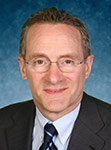
Howard Marks is widely regarded for his thought-provoking essays on the discipline and process of value investing. He is the chairman and co-founder of California-based Oaktree Capital, and he delivered the keynote address at the Value Investing Congress in Pasadena last week.
His latest book, The Most Important Thing: Uncommon Sense for the Thoughtful Investor, is available from the link above.
His remarks are presented here and below are some excerpts from the Q&A:
How much cash are you holding now?
We have all different kinds of funds – ranging from marketable securities funds, which are typically 98% invested, and today are probably 93% or 94% invested, to closed-end funds for distressed debt in controlled situations. We invest in real estate, mezzanine debt and private equity. The invested percentage of these funds largely is dependent on their vintage and how long we've been investing in them.
The most helpful thing would probably be just if I share the fact that in most areas our cash is high relative to our norms. The reason for this is because we find it challenging today to find exceptional bargains. Psychology is too positive, risk tolerance is too high for most assets to languish cheap, and thus it is a time, in my opinion, for great selectivity, caution, and discipline.
How does one go about building the temperament for successful investing?
It helps a lot to be born with a temperament that is reserved, steady, and not emotional. Reading is the most important thing. If you read about the excesses of the market and it strikes a chord with you, then you can get a lot out of this business. If you read about it and you say I don't get it, or this is not relevant to me, then you're probably in the wrong business.
A good example, one I referred to in my book, is a John Kenneth Galbraith book called A Short History of Financial Euphoria, in which he talks about the pendulum cycles and excesses and investor psychology. You read that book, as I did 25 years ago, and you get it. You say yes, that's right! It's probably right for you, and you are probably right for it. The investors I know that I work with and respect are unemotional, not artistes painting great paintings. They are analytical, they are patient, and they are introspective. I don't know if the emotional person can become a successful institutional investor, or can be a successful value investor, and I don't know if he can learn to be. You must have this kind of serenity, stability, consistency.
If you think about the factors that determine investment environment – fear, greed, risk tolerance, skepticism, especially the willing suspension of disbelief that so many people practice, envy, relative benchmarking – all of these forces will bear on us. They are the forces that cause bubbles and crises, bull and bear markets. We are not immune to that. We will feel them, but we must see them for what they are and rise to the occasion rather than succumb as 95% of the investors do. Exactly how you teach yourself to do that, I don't know, and, as I say, I can't remember ever doing it as a conscious process.
The alternative is for me to say read the book. Or, I should say, buy the book.













