Advisor Perspectives welcomes guest contributions. The views presented here do not necessarily represent those of Advisor Perspectives.
With the developed world mired in slow growth and the eurozone teetering on the brink of disintegration, to many investors the future seems bleak. Some are so disheartened they are abandoning the stock market as a hopeless endeavor. Yet, one of the abiding tenets of investing is that investor sentiment is rarely predictive of the future.
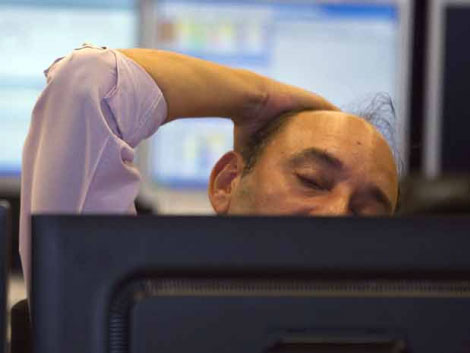
Paul Hanna/Reuters
Take the 1970s. At the cusp of that decade, investors gazed back fondly on an extraordinary stretch of global growth as the world rebuilt from the ashes of the Second World War. There were many bumps in the road, of course — five recessions, the Korean War, the Cuban missile crisis and the costly quagmire of the Vietnam war.

Horst Faas/The Associated Press files
Investors have reacted emotionally to everything from the Vietnam war
to Volcker's
high interest rates.
Bonds had been chronic weak performers as yields edged up from Second World War lows but high-teen stock returns had more than compensated investors. To buoyant investors, the future looked bright.
Out of the blue, in October 1973, the Organization of Petroleum Exporting Countries began an oil embargo in response to the Yom Kippur war. Massive shortages and soaring prices tipped the world economy into a deep recession. Investors reeled as U.S. stock prices plunged nearly 50%. Cost pressures and misguided monetary policy led to ever escalating inflation. Bond investors were crushed while U.S. stocks couldn’t keep pace with inflation.