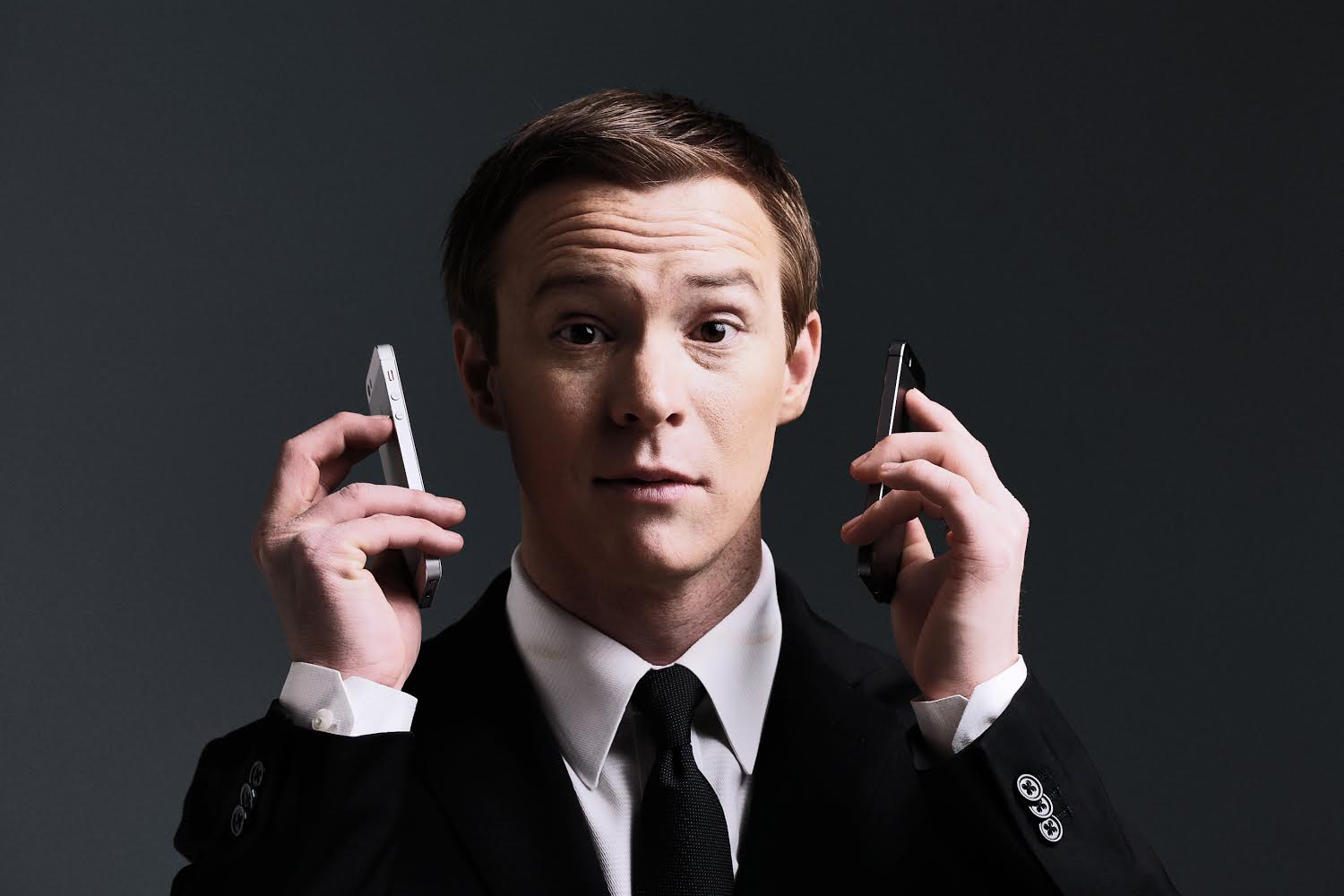
Do you think you’re wasting your time pursuing Millennials as clients because they don’t have enough money?
If so, you’re wrong, according to Curt Steinhorst. He says Millennials are saving – and spending – a lot more than people think. They want to work with advisors, Steinhorst said, but you need to adopt a radically different approach than with other generations.
Millennials are those born between 1977 and 1995, whereas Gen Zers were born in 1996 or later. Steinhorst is a certified speaker at the Center for Generational Kinetics, a Texas-based firm that does research into behavior and attitudes of Gen Z, Millennial, Gen Y, Gen X and Baby Boomer generations. He was a featured speaker at the Money Management Institute (MMI) annual conference in Chicago on October 3.
I asked one of my Millennial employees to review this article, and we agreed that Steinhorst’s claims were largely an unfair generalization of a diverse demographic cohort of Americans. Millennials differ in their buying and investing preferences, so be careful before you embrace any of Steinhorst’s views too closely.
What makes Millennials unique? He identified two factors that are key to understanding Millennials: parenting and technology.
The number-one trait associated with Millennials is that they are entitled, which stems from how they were raised. Entitlement is big expectations of an outcome without an understanding of the process, according to Steinhorst.
Where does this sense of entitlement come from? According to Steinhorst, at their 18th birthdays, Boomers were encouraged to move on to college or a job, whether or not that was what they wanted. For Millennials, they were told as long as they were in school, their parents would help them out.
“So they went to school for seven years and moved back home,” he said (sarcastically). Millennials’ parents wanted it to be easier for them than it was for themselves.
“That drove entitlement,” Steinhorst said.
But that is not true of all Millennials, according to Steinhorst. Starting in their early 20s, a group of Millennials has emerged with real-world work experience. That group is much larger than their counterparts, and they have “significant wealth,” he said.
He said that a first child has the biggest effect on Millennials’ financial thinking. Buying decisions are altered because they don’t perceive the same level of risk as they did before having children.
According to Steinhorst, the technology surrounding how they make and spend money is radically different from prior generations.
Technology is now experienced at very young ages. FaceTime is a prominent example, he said. “The fact that Millennials only interact with people whom they can see will have a profound effect on future interactions,” he said, tongue-in-cheek.
Millennials are not “tech savvy, but tech dependent,” Steinhorst said. In a generalization that he did not support with any data, he claimed that Millennials “don’t know how technology works.” Instead, the priority for Millennials is how easy and simple the user experience can be, according to Steinhorst. “This is a challenge for service providers,” he said, “who need to make things easy to use.” In another generalization, he said that Gen X were the “tech-savvy ones who developed much of the technology the Millennials and Gen Zers use.”
Millennials naturally use three channels of communication: text messages, followed by email or social media. Millennials don’t really hate email, Steinhorst said. The data shows that email volume is going up among Millennials. But they make their decisions largely based on the subject line, he said, and they treat email as a low priority form of communication.
“If it’s important you would have texted them,” Steinhorst said.
Millennials believe in communication that is “authentic, trustworthy, transparent and supports a rapid response,” Steinhorst said. Some communication channels have become offensive. In one of his most problematic generalization, he said that Millennials often treat a phone call as an invasion of privacy.
“You don’t have to do what a Millennial wants,” Steinhorst said, “but you need to understand you are invading their privacy with a phone call.”
In-person interaction is a challenge, Steinhorst said, because “some 23-year olds have never spoken to a human in their life.” Readers should assume, as did I, that this comment was meant to be sarcastic.
Millennials have not established loyalty to brands on the same basis as their parents, he said. But they are likely to rely on recommendations from friends or a social media site when choosing an advisor or technology product, which he said is clear evidence of loyalty. When choosing a product or service, Millennials are going to ask, “Is it easy, and is it filling my needs in an authentic, transparent way?” In this sense, they can be very brand loyal.
The implication for advisors is that they need to align their service and positioning with Millennial’s needs: flexibility, ease-of-use and transparency.
Steinhorst also spoke about the buying traits of Gen Z.
Gen Zers think Facebook is for “old people” and have pulled back on sharing via social media, he said. But they have a more realistic approach to entering the workforce, according to Steinhorst. They are choosing less expensive educational options because of the fear of student debt. They also have lower rates of credit-card debt. They are saving as much as Millennials 10 years older than them are saving.
“The frugal, practical mindset of Gen Z will make them ideal clients,” Steinhorst said, although he did not provide any data to support that claim. “This is Boomers part two. They don’t want to be like Millennials.”
How vendors message is very important, Steinhorst said. What keeps Millennials from buying is when they don’t understand the product. Millennials are more informed and will do more research than other generations, according to Steinhorst. But they are not smarter than other generations. They just decide based on visuals and third-party cues.
“The financial services industry is losing Millennials because of terminology,” he said. If someone has to keep “right clicking on Thesaurus,” then your messaging is bad. Simplification, making communication more visual and having a process that is easy and requires as few steps as possible will make it more likely Millennials will engage, he said.
It’s a matter of understanding the drivers of purchasing decisions, as it was with previous generations, Steinhorst said.
Read more articles by Robert Huebscher