Advisor Perspectives welcomes guest contributions. The views presented here do not necessarily represent those of Advisor Perspectives.
You fear throwing things away because you might need them someday. You end up keeping things (and tripping over them for the next 10 years). You have a sentimental attachment to certain items because there are memories (more guilt).
I get it.
If you are happy with the clutter (or lack thereof) in your life, I am truly happy for you. If you are not, make a choice. You either want your space or you want your stuff. But you can't have both. It's just not possible.
You may have noticed during the pandemic just how much "stuff" you have in your life. It's as if there is a huge spotlight on all the debris, especially working from home and living 24/7 with the people you used to count on separating from every day. If you're lucky enough to find those two sentences false, stop reading right here.
If not, proceed.
My financial advisor coaching clients have been suffering from clutter overload, some to the point of reverting to the tiniest space in their home office just to get away from the overwhelm.
My client, Dianne, has been working from home since March 2020 and was tolerating the clutter until her mom had hip replacement surgery and had to come to her house to recover. She started to see the clutter through her mom's eyes and had to clean it up. We worked out an organizing/decluttering plan via Zoom (yep, virtual organizing is a thing) and she went to work between our calls. Mom was impressed and Dianne was feeling free of clutter and stuff!
Physical clutter (not to mention emotional or brain clutter) adds stress often without your knowledge because clutter is what you no longer see. You walk around the piles of magazines, books and mail and you don’t see them with your eyes. But I guarantee that your head and stomach “feel” them. You get a wave of guilt from not reading them or you feel too tired, so you continue ignoring the problem as it multiplies like bunnies.
Clutter has no conscience and can't/won't get up and walk away. It is completely up to you to remove the clutter and feel the difference. Like Dianne, if you are having a difficult time seeing or identifying the clutter, look around your space through a stranger’s eyes, as if a client were to walk in unannounced. This is a surefire way to highlight all the items that you have been ignoring for a long time.
Need more incentive? Understand that clutter can and may already have:
- Made you sick;
- Made you feel tired;
- Affected your body weight;
- Kept you living in the past;
- Caused or worsened depression;
- Induced a feeling of shame and guilt;
- Caused procrastination;
- Added unnecessary confusion to your life;
- Made you feel that there is no alternative;
- Affected how people treat and/or respect you; and
- Caused disharmony among family, friends, or co-workers.
The existence of physical clutter should come as no surprise. We live in a climate of instant gratification, and we can have most things delivered to us whenever we want them. But we don’t need most of what we have. We simply want it and the "stuff" accumulates but is never given a proper home (or there was never room for it to begin with).
Thus, clutter is born.
Clutter is nothing more than unmade decisions
Read that again.
You decide that you want something, but that is where the decision-making ends. It's time to make a decision to keep, toss, donate, file or shred every item you have. If you're not a good decision-maker, ask someone who will not yell at you (very important to successfully decluttering) to help or hire a Certified Professional Organizer.
When you get your physical clutter under control, the brain clutter relief will follow without much effort, since one causes the other. When you go into a cluttered room or office, you immediately tense up. If you go into that same room or office after you have decluttered it, you feel liberated and relaxed. Your time becomes yours again, your priorities fall back into place, and best of all, you reduce your stress.
Have you heard yourself say, "but I might need it someday?" My book of the same title will help you. You can find it here. Don’t worry, I’ve seen it all…I really have. If you’re ready to make a change and need some help, let's talk.
Space or stuff…you have the power to choose who wins the battle!
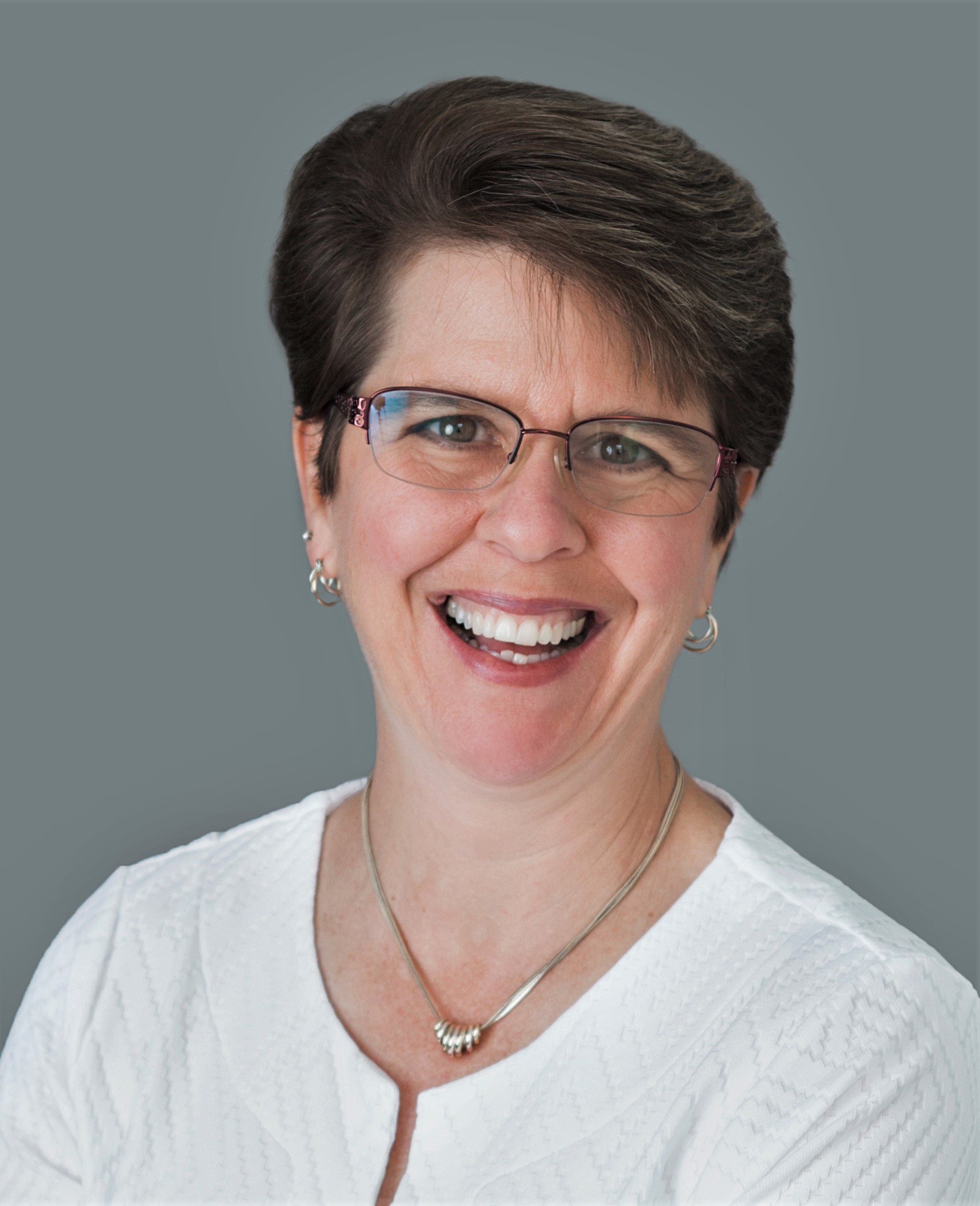
Patty Kreamer, CPO® is a Certified Professional Organizer® and author of But I Might Need It Someday! She is a productivity coach and speaker who helps overwhelmed financial advisors take control of their brain clutter, calendar, to-do list, inbox, interruptions and anything blocking productivity and a partner at Productivity Uncorked, LLC. Email Patty at [email protected] or follow her on LinkedIn.
Read more articles by Patty Kreamer
 Advisor Perspectives welcomes guest contributions. The views presented here do not necessarily represent those of Advisor Perspectives.