 Advisor Perspectives welcomes guest contributions. The views presented here do not necessarily represent those of Advisor Perspectives.
I pay a lot of attention to current events, both domestic and global, consciously choosing to consume a balanced diet of news sources that lean left, right, and in the middle. Even with trying to look at issues from both sides and aware of my own biases, I often find myself talking back loudly to news commentators.
A recent example of this was my reaction to a cable news story segment on "capitalists" who cashed in on the pandemic and were responsible for the deaths of thousands of Americans.
That got my attention.
One such "capitalist" was Robert Stewart, who the commentator reported received $34.5 million in 2020 from a "no-bid" government contract to supply six million N95 masks to the VA. The story is included in a new book, Pandemic, Inc: Chasing the Capitalists and Thieves Who Got Rich While We Got Sick, by David McSwane, a reporter with ProPublica. Having not yet read the book, I am not criticizing McSwane's research or reporting. I am angry about the way his title associated "capitalists" and "thieves."
Intrigued, I researched this story and discovered that Stewart never collected the $34.5 million because he never delivered any masks. He didn’t even own a mask manufacturing plant. What he did was to defraud the SBA of $805,000 in PPP loan money, the EIDL program of $261,000, and the VA of $74,000 in medical and educational benefits. None of these facts were reported in the cable news story.
The story was right about one fact: Stewart was a thief. The story had nothing to do with an example of capitalism gone wrong. It is about fraud and corruption – criminal offenses having nothing to do with capitalism. Behind the fraud we find greed.
Greed and corruption are not tied to economic models. They are aspects of human nature that have been with us for millennia. Whether people live under a capitalistic, socialistic, or communist system – or in a Stone Age tribal group – greed is alive and well in all of them. Every human being experiences it in some way and on some level. It has been considered one of the seven deadly sins since the early days of the Christian church.
Selfishness and greed are found in all parts of society. So are generosity and altruism. All these traits appear in some business owners and wealthy people as well as some low-income workers. Human nature, not an economic system, is what lies behind profiteering, cheating, and fraud – just as it lies behind giving and helping others.
For this reason, capitalistic countries do not allow an "anything goes" environment but operate with a level of government regulation such as pure food and drug laws and oversight of financial institutions. If capitalism isn’t working, it's often a result of government trying to over-control the production of goods and services through increased regulations. This takes away some of the necessary components of capitalism, which is freedom and competition.
In Stewart's case, the primary problem was the government, during the urgency of the pandemic, doing an end-run around getting competitive bids from thoroughly vetted suppliers. A true competitive marketplace results in improved goods and services and lower prices.
What capitalism provides, in a way other economic systems do not, is a method of distributing limited resources as efficiently as possible, as the dynamics of the free market and competition drive down prices and improve quality. Capitalism offers more opportunities than other economic systems to lift people out of poverty.
To flourish, capitalism requires freedom. To thrive in the long term, it also – as any successful business owner or capitalist could testify – requires virtue and integrity.
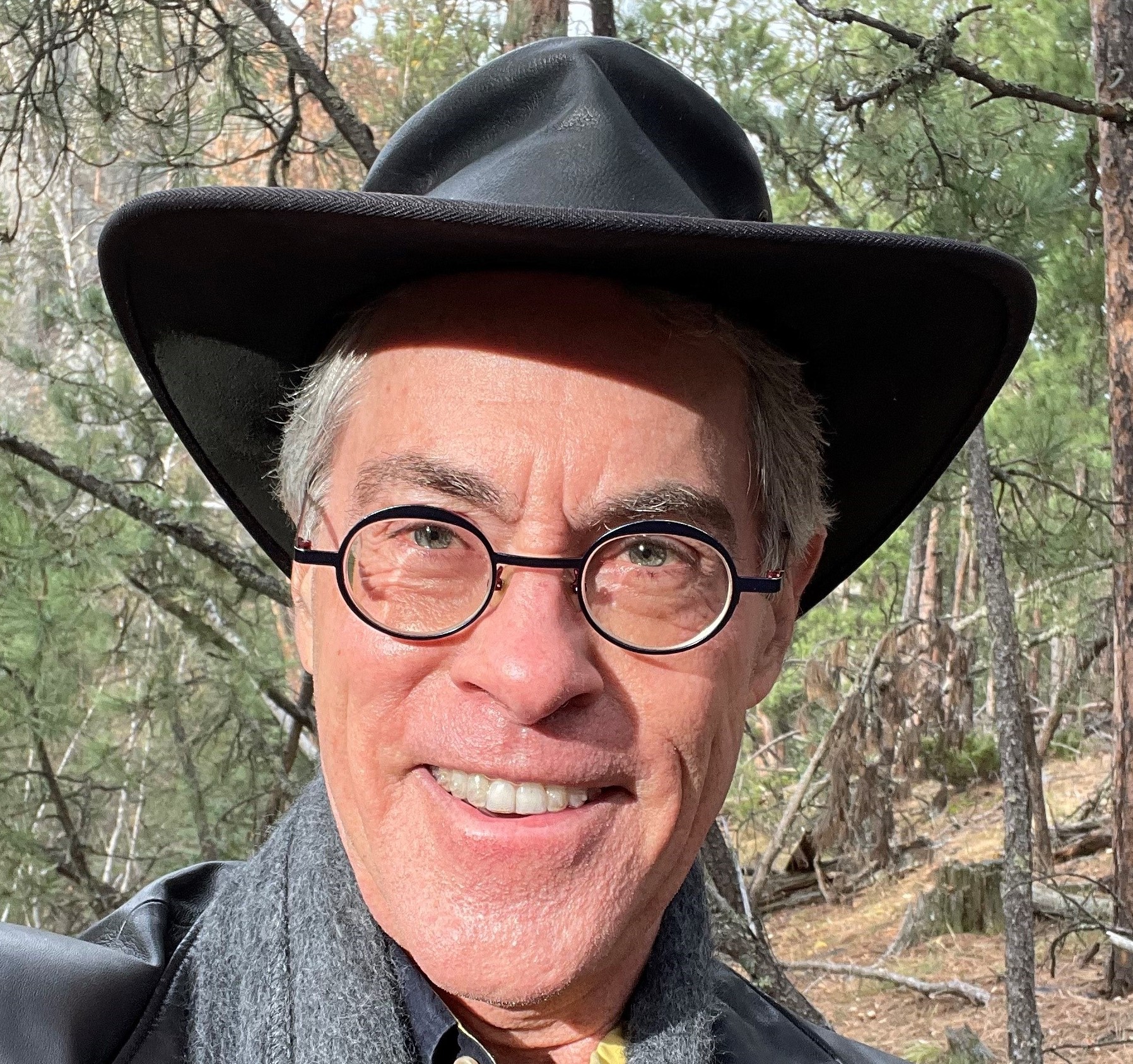
Rick Kahler, MS, CFP®, CFT-I™, CeFT®, CCIM, is founder of Kahler Financial Group, a Rapid City, SD-based fee-only Registered Investment Advisor.
Read more articles by Richard Kahler
 Advisor Perspectives welcomes guest contributions. The views presented here do not necessarily represent those of Advisor Perspectives.












