 Advisor Perspectives welcomes guest contributions. The views presented here do not necessarily represent those of Advisor Perspectives.
Set expectations with your clients that your role is to prepare them for the future, not to predict how that future will unfold.
William Goldman famously quipped, “Nobody knows anything.” And everybody, it seems, uses that quote at some point in their writing career.
[John Bogle has his own version: “Nobody knows nothin’!”]
Goldman was referring to his time in Hollywood, where “not one person in the entire…field knows for a certainty what's going to work. Every time out it's a guess and, if you're lucky, an educated one.”
The same feeling can be expressed for economists and market participants. Our economic present is an important reminder for advisors and their clients that nobody knows anything.
And if the past three years haven't beaten that into your head, nothing will. Certainly not a greenhorn writer on Advisor Perspectives.
But you better believe that experts get stuff wrong. And you – "the trusted advisor" – even you are going to get stuff wrong. Especially if your clients are expecting you to predict the future. That’s why an ideal client doesn't expect you to predict the future.
Billionaire investor Howard Marks famously quipped, "You can't predict. You can prepare."
Ideal clients expect – and need – you to prepare them for the future. Prepare them for good times, bad times, and everything between. Prepare them for a full range of outcomes.
Ideally, through financial planning and investment management, you can narrow their range of outcomes. But you don't have to predict which specific outcome will come true. That's too hard. The smartest economists get it wrong. The best investors get it wrong. If you’re cornering yourself into a position where you have to get it right, you will likely end up getting it wrong.
Seven months ago, Wall Street believed that 4,800 was a fair price for the S&P 500 index. Today, that consensus has changed by 20% (or about $8 trillion of market cap). So many experts, so much wisdom, yet such a swift change in market valuation. I’m not sure if Wall Street was wrong then or wrong now. Most likely, it’s both.
But how are you, reading this in Lincoln, Spokane, or Tallahassee, supposed to get this stuff right? Is that realistic?
Of course not.
Use these times as another reminder of the value you do (and don’t) provide to your clients.
You don't predict on their behalf. Or if you do, you do so sparingly (and results may vary). What’s far more important is your skill, knowledge, patience, and wisdom in preparing them for the future.
You build financial plans for good times and bad. You diversify their portfolios, reducing the likelihood of the three-sigma outcomes on either end of the bell curve. Like a true stoic, you focus on the things you can control:
The chief task in life is simply this: to identify and separate matters so that I can say clearly to myself which are externals not under my control, and which have to do with the choices I actually control. – Epictetus
You coach your clients from an “investor psychology” point of view, reminding them (in good times and bad) that “this too shall pass.” Both bulls and bears get tired. Bubbles always burst. And when something’s too good to be true, well, you know…
If we knew the future, planning would be easy, and investing would be insanely profitable. But nobody knows anything. You can’t predict the future. All you can do is prepare.
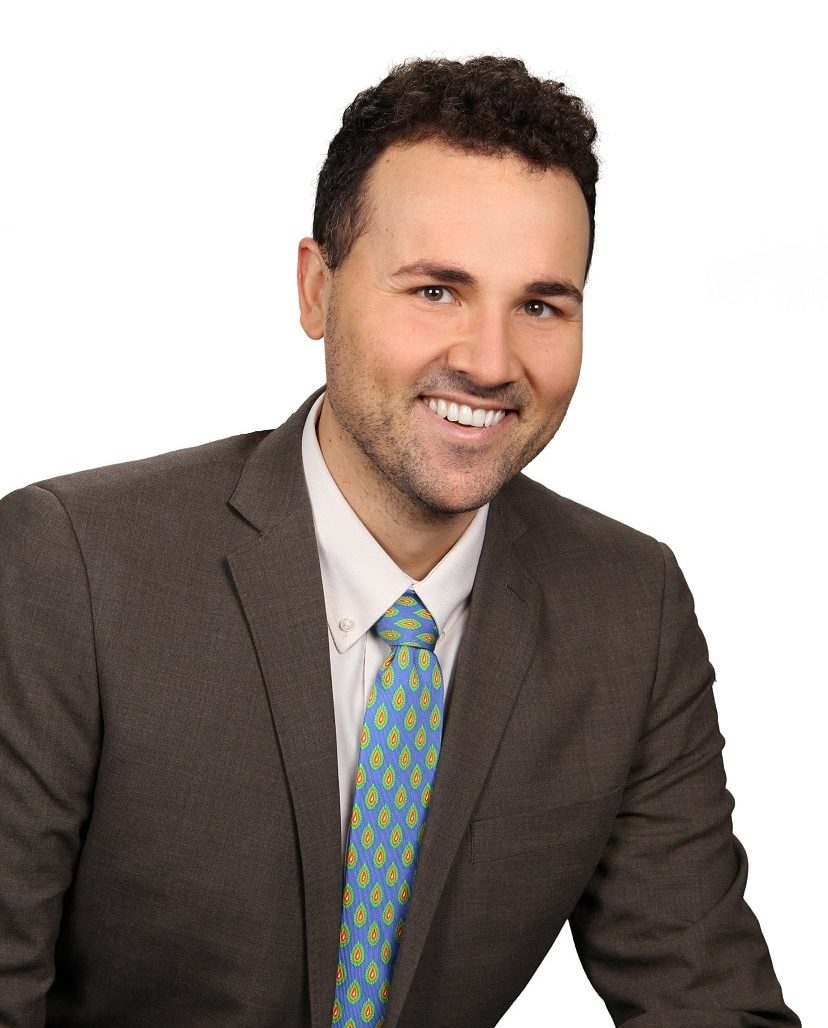
Jesse Cramer is a relationship manager at Cobblestone Capital Advisors, an RIA in Rochester, NY. He writes a weekly newsletter to 5,000+ subscribers from his personal investing website, The Best Interest. You can reach Jesse at [email protected].
 Advisor Perspectives welcomes guest contributions. The views presented here do not necessarily represent those of Advisor Perspectives.












