Advisor Perspectives welcomes guest contributions. The views presented here do not necessarily represent those of Advisor Perspectives.
Market sentiment has mostly been on the positive side this year despite Wall Street coming face to face with a series of tumultuous challenges. At the beginning of the year, most U.S. stock indices had posted strong gains, with the S&P 500 stretching its New Year rally well into February.
Investors were pleased with the turnaround; however, “higher for longer” interest rates and higher-than-expected inflation data had many no longer pricing in a fed fund rate cut for the summer months, putting the possibility of a rate cut off until later in the year.
The questions around the timing of rate cuts persisted throughout the spring and summer, as did concerns about an impending recession. In the latter half of summer, analysts began noticing that the Fed’s “higher for longer” strategy was starting to take a toll on the economy.
In early August, the U.S. stock market saw its biggest daily losses since 2022, but it quickly rebounded with an eight-day winning streak. The long-anticipated rate cut finally became reality during the September Fed meeting, with 50 bps slashed from the fed funds rate.
Now, investors are holding out to see how they can navigate the remaining months of the year, where they should be placing their bets, and what they can do to avoid any unsuspecting pitfalls.
The Good
Investors continue to lock horns with the reality of market volatility, though despite the swaying conditions, several positive signs have already unfolded:
- The Federal Reserve commenced cutting federal fund rates with a jumbo rate cut in September, the first in nearly four years.
- 64 percent of futures traders had previously predicted a 50 bps cut.
- Around 36 percent of traders had anticipated a smaller rate cut, coming in at 5.00 percent to 5.25 percent.
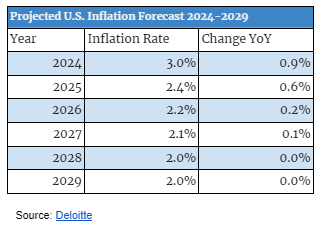
- Inflation continues to trend downward toward the Fed’s 2 percent target rate registering 2.5 percent for August.
We also could still see the following:
- A boost for bond coupons on the back of lower interest rates.
- Productivity delivery continuing to rise, largely powered by AI.
The Bad
Though looking at the good things might seem pleasant, factoring in the other side of the coin might bring a more negative sentiment to the market.
- Despite its downward trajectory, inflation remains in a sticky position – and above the Fed target.
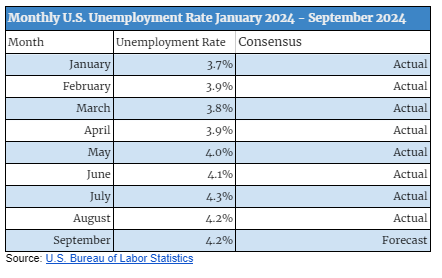
- The labor market continues to register a slowdown.
- Unemployment remains elevated, registering 4.1 percent in October.
- The Fed could decide to keep rates unchanged following September’s jumbo cut.
- Continued long-term high interest rates places further pressure on the real estate market.
- Investment in residential real estate could continue to fall.
The Ugly
What’s the worst-case scenario that could happen this year?
- Overheated AI equities could push the market into an extended bubble as concerns abound that they may be overvalued after a two-year rally.
- Economic output could slow, increasing credit stress.
- Strong demand following rate cuts could push housing inflation to even higher levels.
- Unemployment has the potential to remain a thorn in the side for the Fed as inflation recovery remains inconsistent.
- Global economic recovery following the pandemic could remain subdued, with economic delivery for 2020-2024 registering the weakest start to the decade since 1990.
Concluding thoughts
Looking at what we could still see in the remaining months of the year paints a vivid picture of how quickly things can turn sour. Though it’s nearly impossible to predict the direction of the market, considering the various moving parts investors need to account for, having a blended approach could help them overcome the smaller challenges while gaining on the bigger wins.
However, as economic activity continues to soften, investors will have to make crucial decisions that would help to cushion their fall should the economy head for a hard landing. Navigating the current market has never been more challenging, and investors will need to consider how diversification and locking in buoyant equities could be a potential saving grace.
Fluctuations are imminent, and the market will continue to see strong gains and hard falls. However, investors should take an approach that provides them with the safety net they need to successfully navigate these pitfalls while understanding how broader economic conditions are pulling the strings on the market. Having an escape plan should be a priority, but taking advantage of the current market can help bolster near-term growth and provide much-needed liquidity.
Thomas Young is an economist who builds models, researches the economy, advises on public policy, speaks at conferences, and enjoys thought leadership.
A message from Advisor Perspectives and VettaFi: To learn more about this and other topics, check out some of our webcasts.
Read more articles by Thomas Young
 Advisor Perspectives welcomes guest contributions. The views presented here do not necessarily represent those of Advisor Perspectives.