A Culture of Care: My Experience as a Caregiver & Financial Advisor at Edward Jones
Membership required
Membership is now required to use this feature. To learn more:
View Membership Benefits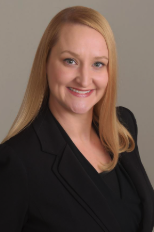 Advisor Perspectives welcomes guest contributions. The views presented here do not necessarily represent those of Advisor Perspectives.
As financial advisors, we all seek to find common ground with our clients. Shared experiences deepen our relationships and empathy. Many of our clients today are facing the challenges of caregiving, which is an experience I understand all too well.
My husband, James Stewart, is a disabled veteran with combat PTSD. Along with a busy practice in Newton, Kansas, I am James’ primary caregiver. We also have two children at home. And just like it is for my clients, it’s often a challenge for me to balance the demands of work and home. Those additional tasks can range from arranging backup care when I travel for work to managing James’ PTSD symptoms like night terrors.
My experience, while difficult, has given me a valuable perspective on how financial advisors can best serve clients who are caregivers — and ensure they are taking care of their own needs if they’re caregivers themselves. Here's what I've learned along the way:
Caring for Your Caregiver Clients Requires Deep Empathy
Research from Edward Jones shows most financial advisors (85%) have clients who are caregivers — and at some time during their career, many financial advisors will become caregivers themselves.
With an aging population and the rise of multigenerational caregiving, the number of U.S. caregivers — already over 53 million according to AARP — is projected to grow significantly in the coming years.
So how can you, as their financial advisor, make sure you’re connecting deeply with your caregiver clients so you can provide them with the best service and guidance? It may sound overly simple, but start by taking the time to ask questions and listen closely to their answers. Serving caregivers is a mixture of head and heart. Yes, we’re offering advice and creating investment strategies. But many of our clients are struggling and need connection and empathy. I have caregivers come to my office for their reviews; that hour away is a much-needed break for them — but it’s also time that may have taken a lot of extra planning and back-up care in some cases.
Appointments are an opportunity to show your caregiver clients that they have your full attention and that you care about their well-being as a whole person. I often ask, “How are you holding up? Have you asked for help so you can take a break?” I try to let them know that it’s okay to take care of themselves too, and to schedule time for self-care.
Don't Underestimate Financial Impact
Second, I also recognize that many caregiver clients are in a tight financial situation. I wasn’t surprised to see in Edward Jones’ recent survey that virtually all financial advisors (94%) said caregiving means significant financial sacrifices for their clients. But there’s a lot of love there, too. More than 90% of financial advisors in our survey say their caregiving clients are willing to reduce their own financial security to support their loved ones.
In my practice, some of my clients care for adult children who are sick or disabled. They face difficult choices all the time, including whether or not to pull money from retirement and savings accounts. It’s my job to advocate for their interests, but how that takes shape is not always straightforward. They’re home with their disabled family member, and that’s their focus. It's not my place to say what they can or can’t do with their money, but I can explain the ramifications so they make an informed decision.
Being James’ caregiver, I understand all too well how life and financial choices can play out. He’s 12 years older than me, and his disability impacts the eventual timing of my own retirement. I don’t want to put myself in a situation where I retire, and then lose him in two years. Financially, I would be in a tough position. Reflections like this make me empathetic to what my clients are going through, particularly if they’re responsible for someone who will become sicker and more disabled over time.
Evolving Resources to Help Clients
Third, with clients in tough situations, it’s necessary to use all the tools at your disposal. At Edward Jones, for example, we have a lot of new tools, such as expanded options to document clients’ unique goals and how to reach them. We can also help set up safeguards and contingency plans. For example, we might set aside a larger-than-usual emergency fund to accommodate medical or other costs that could be higher than expected.
It's imperative that financial advisors continually build their EQ around caregiving. One question I’m asked a lot is how financial advisors without caregiving experience can better understand their clients. There are so many ways to get that knowledge, especially if you are proactive. You can volunteer, you can sit down and listen to a story, you can read a book on the subject. You may consider talking to your own family members or friends, as chances are, someone has had the experience of caring for a grandparent or another loved one. My experience has been that caregivers are often eager to talk about their challenges. Sometimes it just takes asking the right questions.
You Must Care for Yourself as a Caregiver
But what if you’re the caregiver and you’re managing a practice? In my experience, where you work makes a huge difference. Over the years, Edward Jones has supported me in so many ways. I have a lot of flexibility in how I structure my day, how I see clients and how I work with my branch team. If I need to be available, I can adjust my schedule. This level of control over my time management helps me be much more present and engaged with my clients.
Also, be sure to check out what firm-provided resources may be available to you. Employee Assistance Programs often offer mental health support for associates and their families.
You may find that generous colleagues will also step up. At Edward Jones, we often have meetings or get-togethers that include spouses. James isn’t comfortable being in public places, so those events can be hard for him. What makes him feel better is being able to sit at the edge of the room, facing the door. This is common for many veterans. I shared this with one of my associates, and now she makes sure he is always seated on the perimeter. Not having to worry about that all night is an incredible demonstration of our caring culture.
Finding community at work lifts some of the burden and the isolation. One resource that’s been invaluable to me is the firm's business resource group for military/veterans and their families. There’s a level of awareness and empathy I don’t find anywhere else — anything I say, they understand. Having support and understanding like that is huge.
Self-care for the Long Haul
I try to follow the advice I give — it’s okay to step back sometimes and take the time you need to relax and recharge. Many caregivers are in it for the long haul, and burnout and depression are common. I’m reminded about the instructions we get on planes: If there’s an emergency, put on your own mask first. I’ve learned over the years that self-care has to come first. You can’t give what you don’t have, and if you’re depleted all the time, that’s not good for anyone.
Throughout my journey, Edward Jones has been supportive and flexible, and that makes all the difference. This support allows me to balance being a knowledgeable and attentive financial advisor — along with the backbone of my family.
Together, We Must Advocate for Systemic Change
While it’s understandable to want to focus on day-to-day responsibilities since there’s always so much to do, I believe all of us as financial advisors need to work for larger, structural changes, particularly at the federal level. Some of the initiatives we support at Edward Jones have the potential to benefit caregivers in significant ways. We support legislation allowing caregivers who have scaled back their careers or left the workforce to make additional “catch-up” contributions to retirement accounts. In Edward Jones' research, more than 90% of financial advisors say they support the measure.
We’re also working to promote policies that enhance retirement preparedness and long-term financial wellbeing for our clients, colleagues, communities and society.
Being Helpful, Being Human
Nothing about caregiving is easy, whether you’re a caregiver or you’re advising clients who are caregivers. Every situation is unique, but there’s one thing I’ve found to be universally true: It’s okay to show that you’re human and that you also struggle. Being open in this way encourages others to confide in you so you can identify their needs and how to help them.
When I joined Edward Jones in 2007, I didn’t know how my life would unfold. I didn’t realize when I got married that caring for James and the rest of my family and giving 100% at work would be an ongoing struggle.
I’m still learning every day, but I’m getting better at finding peace for myself, taking care of James and providing my clients with exceptional service and advice. More and more, I’m reminded to give everyone — including myself — some grace.
Emily Stewart is a financial advisor with Edward Jones and located in Newton, KS.
A message from Advisor Perspectives and VettaFi: Discover something new! Click here to register for our upcoming webcasts.
Membership required
Membership is now required to use this feature. To learn more:
View Membership BenefitsSponsored Content
Upcoming Virtual Events View All













