 Advisor Perspectives welcomes guest contributions. The views presented here do not necessarily represent those of Advisor Perspectives.
Part of the text in this article was originally generated using artificial intelligence based on ideas and information provided by the author. The underlying data, financial arguments, and strategic insights were authenticated by the author, who retains full accountability for the accuracy of the content.
The buyer's journey for financial advisory services has fundamentally shifted. In 2026, prospects are making significant decisions and judgments before they ever speak to an advisor. The first meeting is no longer the first impression; it is increasingly a validation point on a journey of trust building that the client and advisor have already started. Advisors who fail to recognize this shift are missing the most critical window in the entire client acquisition process.
What's Driving the Change?
Today's financial advisory prospect has unprecedented access to information. Before ever scheduling a call, they have typically reviewed an advisor’s LinkedIn profile, scrolled through the firm's website, watched their videos on YouTube, listened to a podcast episode they were featured on, etc.
From client testimonials to an advisor’s published articles and AI summaries of all of this, investors have a plethora of details available to them. All of this makes those advisors who have a sit-down or other prospect encounter the fortunate few. That’s why they must ensure they help shape the narrative that is being written about them, rather than letting Google or AI dictate it.
To market effectively, advisors need to understand the five distinct phases through which every modern prospect moves: trigger event, research, validation, conversation, and selection.
Advisors can strategically insert themselves at every single stage of this journey. Ahead of the trigger event, advisors can build their relationship capital, laying the trust groundwork by creating consistent content, building referral relationships, and having a presence in their community. This enables advisors to be visible before a divorce, inheritance, or other event occurs, so prospects can identify someone in their mental Rolodex who seems knowledgeable.
At the research phase, search visibility and educational content do the heavy lifting. A well-optimized website, active LinkedIn presence, and published articles that answer the specific questions your ideal client is Googling become table stakes. Let’s be honest — if you aren’t findable, you aren’t in the consideration set.
When it comes to the validation stage, social proof can convert attention into confidence. Client testimonials, Google and Yelp reviews, third-party recognition, media mentions, and consistent thought leadership all speak when advisors aren’t there to speak for themselves.
Finally, in the conversation and selection phases, advisors who have done the work of building credibility will find that first meetings are warmer and close rates improve significantly. When it comes to the selection stage, a clear-cut onboarding process that communicates what will happen next and how the partnership will work can help push teetering clients over the selection edge.
In the Trust Equation: Clarity Equals Credibility
There is a principle that applies across every stage of the modern buyer's journey: The easiest to understand equals the easiest to trust.
Advisors who try to be everything to everyone are not only ineffective marketers but also confusing for prospects. Can this person really help me? Will I just be a number to them? That confusion is the enemy of trust.
Niche positioning is not about limiting an advisor; it communicates that they’re undeniably the correct fit for certain people. To build trust, investors need to feel seen. The problem? Advisors can’t see everyone clearly; therefore, they must focus on a market that resonates with them.
The First Meeting Is No Longer the First Impression
The advisors who will win in 2026 are those who understand that the competition is not in the conference room. Instead, it’s happening right now, online, in the quiet moments when a prospect is researching their options. The advisors who show up in searches, who post with purpose on LinkedIn, who are mentioned in articles and referred by trusted partners, who have testimonials that speak to the specific transformation their clients have experienced — those are the advisors who will enter every first meeting already trusted. And in a business built largely on trust, that is everything.
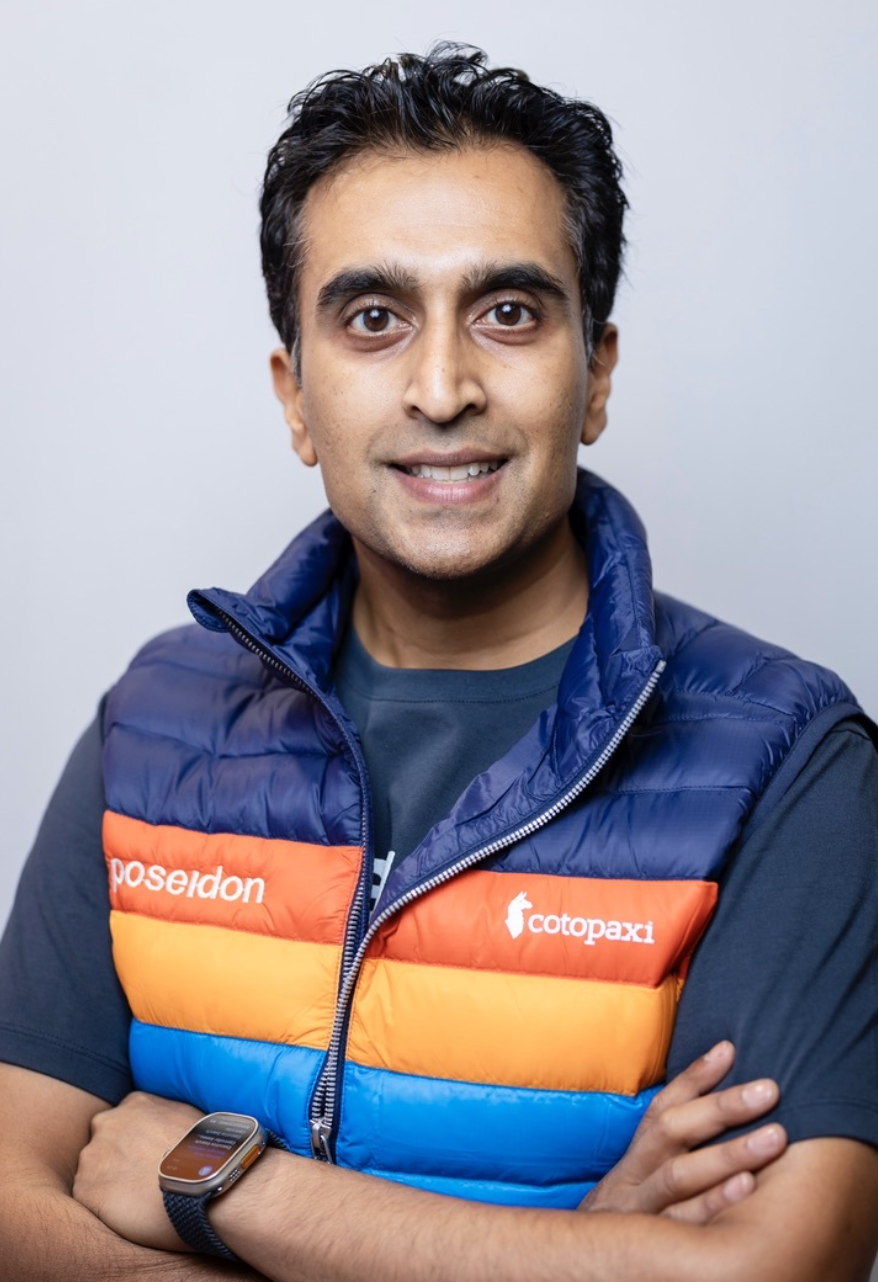
Ash Bhoopathy is the chief executive officer of Poseidon.
A message from Advisor Perspectives and VettaFi: Discover something new! Click here to register for our upcoming webcasts.
More Global Markets Topics >
 Advisor Perspectives welcomes guest contributions. The views presented here do not necessarily represent those of Advisor Perspectives.