The first data releases since Federal Reserve Chairman Kevin Warsh took office suggest that inflation has subsided, making his job a little easier. As yet there’s no case for a cut in interest rates, because the labor market is firm and year-over-year inflation is still running well above the Fed’s 2% target. For the moment, though, the case for higher rates is looking less persuasive.
This helps the new chairman: If the current policy rate of 3.5%-3.75% strikes investors as about right, he has less explaining to do. During his testimony to Congress last week, he wisely refrained from declaring victory and said the Fed shouldn’t read too much into a single month’s figures. Unfortunately, the job is likely to get harder from here.
Consumer prices actually fell in June for the first time in six years, thanks mainly to lower energy costs. Inflation in the year to June was 3.5%, down from 4.2% in the year to May. Fluctuating oil prices will keep on driving the headline figure, so if the fight with Iran escalates further, progress will stall again. Meantime, core consumer-price inflation, excluding energy and food, stands at a less alarming 2.6%.
Other measures of underlying inflation have also moved in the right direction. The Fed’s preferred gauge is the price index for personal consumption expenditures. The figure for June, to be released July 30, can be estimated from components already available. The headline measure is likely to fall to 3.7% in the year to June (down from 4.1% in the year to May); excluding energy and food, PCE inflation should decline to 3.3% (from 3.4%). Given faster progress in the most recent months, these year-on-year numbers are likely to fall further. In addition, the effects of tariffs appear to have mostly passed through and, at the moment, services prices are essentially flat.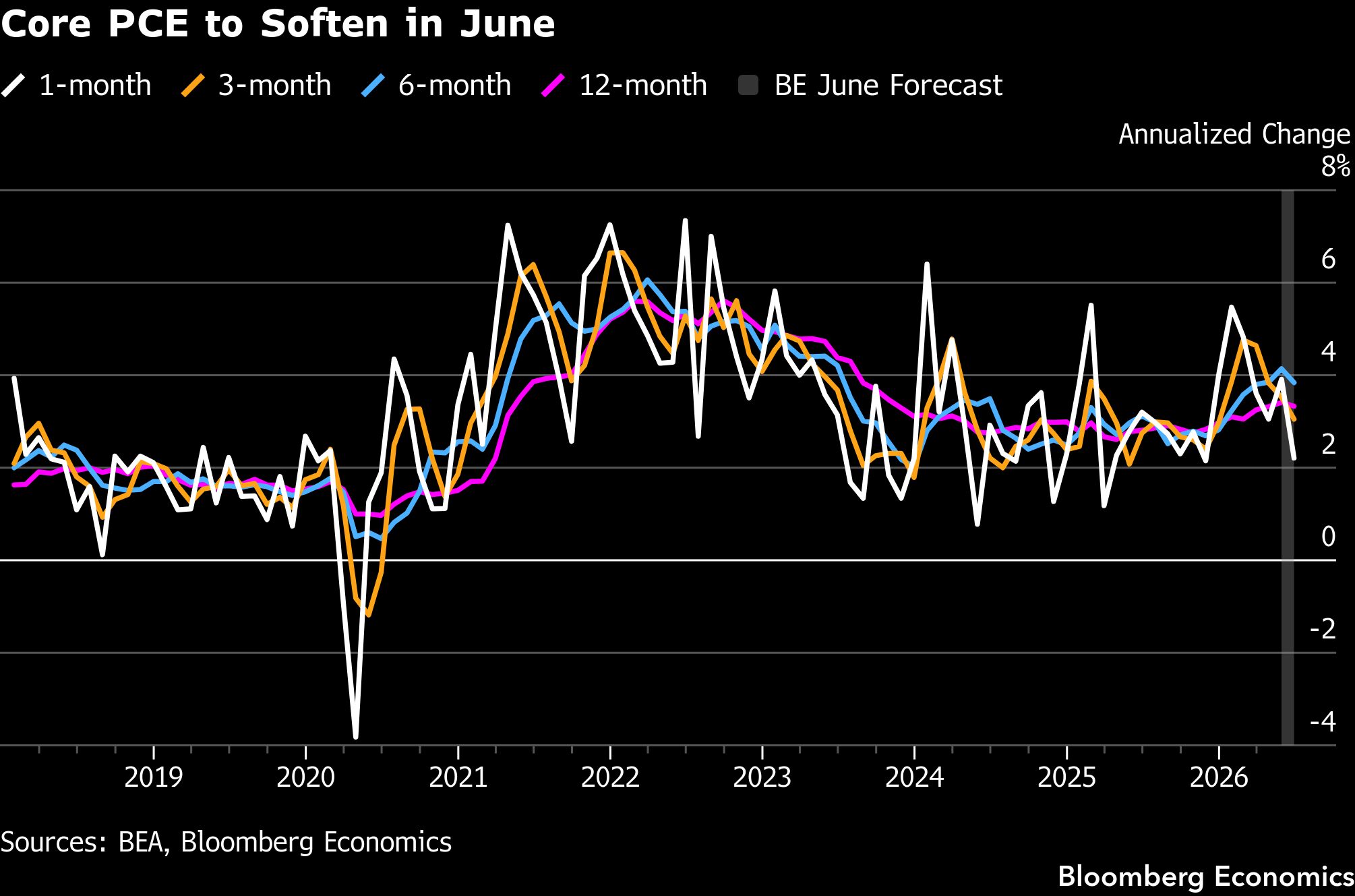
In other words, the current policy rate appears to be working as intended – gently restricting demand and slowly pushing inflation lower. Granted, a higher rate would drive inflation down faster, but only at the risk of unsettling the labor market and raising unemployment.
