Federal Reserve Chairman Kevin Warsh used his keynote speech in Jackson Hole, Wyoming, last week to map out some of the key data points he leans on to read the US economy, offering new insight into his approach to policy making.
The list wasn’t presented as comprehensive or conclusive, and Warsh has promised a rethink of how the central bank is analyzing economic data. Yet the remarks offered the clearest indication since he took the Fed’s helm in May of the economic signposts that shape his views.
Below is a breakdown of some of the data points listed in Warsh’s speech. Most of the indicators cited in Warsh’s speech show encouraging signs in the economy. Here’s a breakdown:
Investment Boom
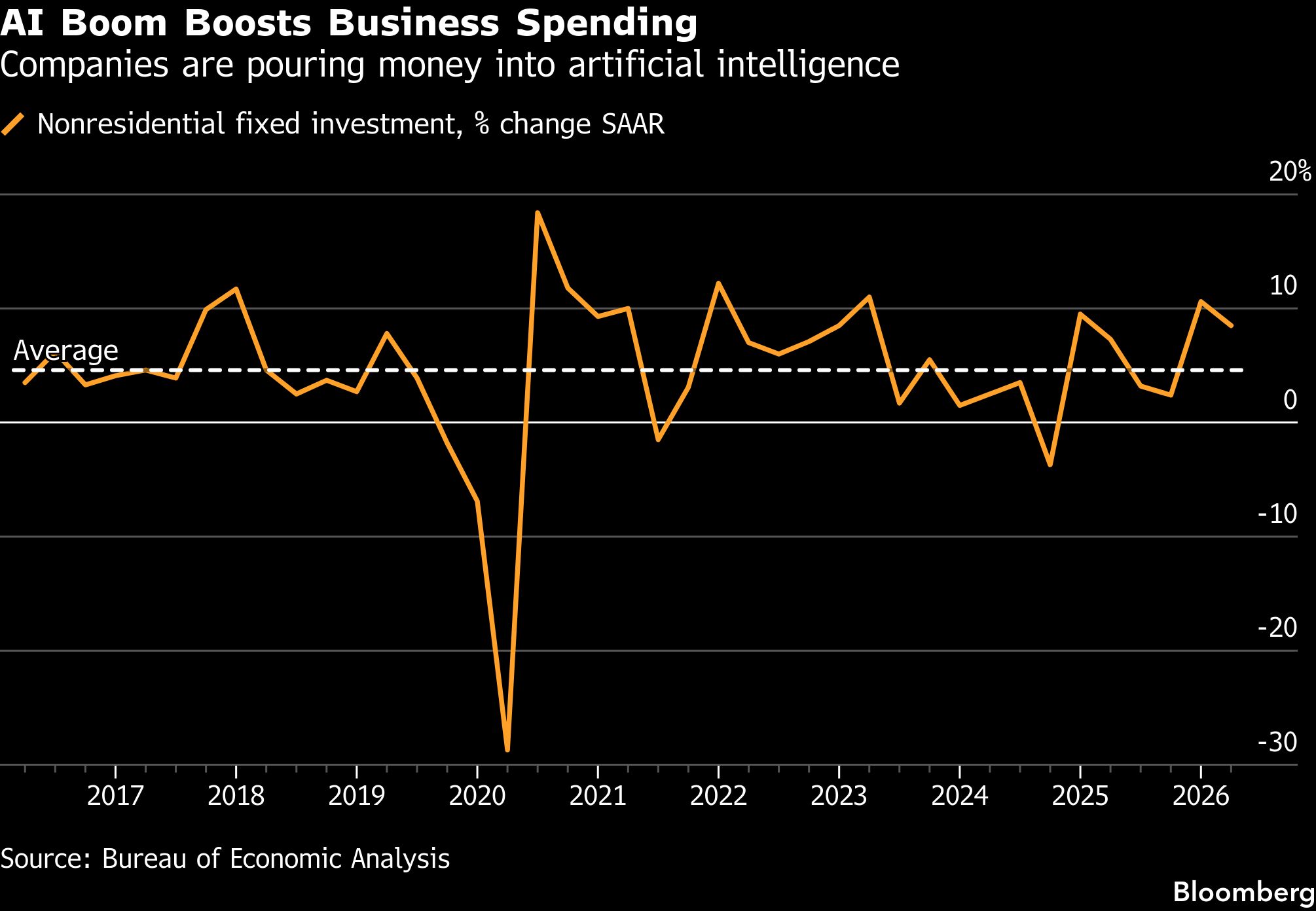
Warsh described capital expenditures by companies as “the seed corn of future economic growth.”
Technology companies are pouring hundreds of billions of dollars into the equipment and infrastructure required for the artificial intelligence boom. Nonresidential fixed investment, or capex, climbed at an 8.5% pace in the second quarter.
What Warsh said:
“The four-quarter change in investment in equipment and intangibles has been around 9%, its highest growth rate since 2021. More than half of the capex growth this year can likely be ascribed to the build-out related to AI.”
Corporate Earnings
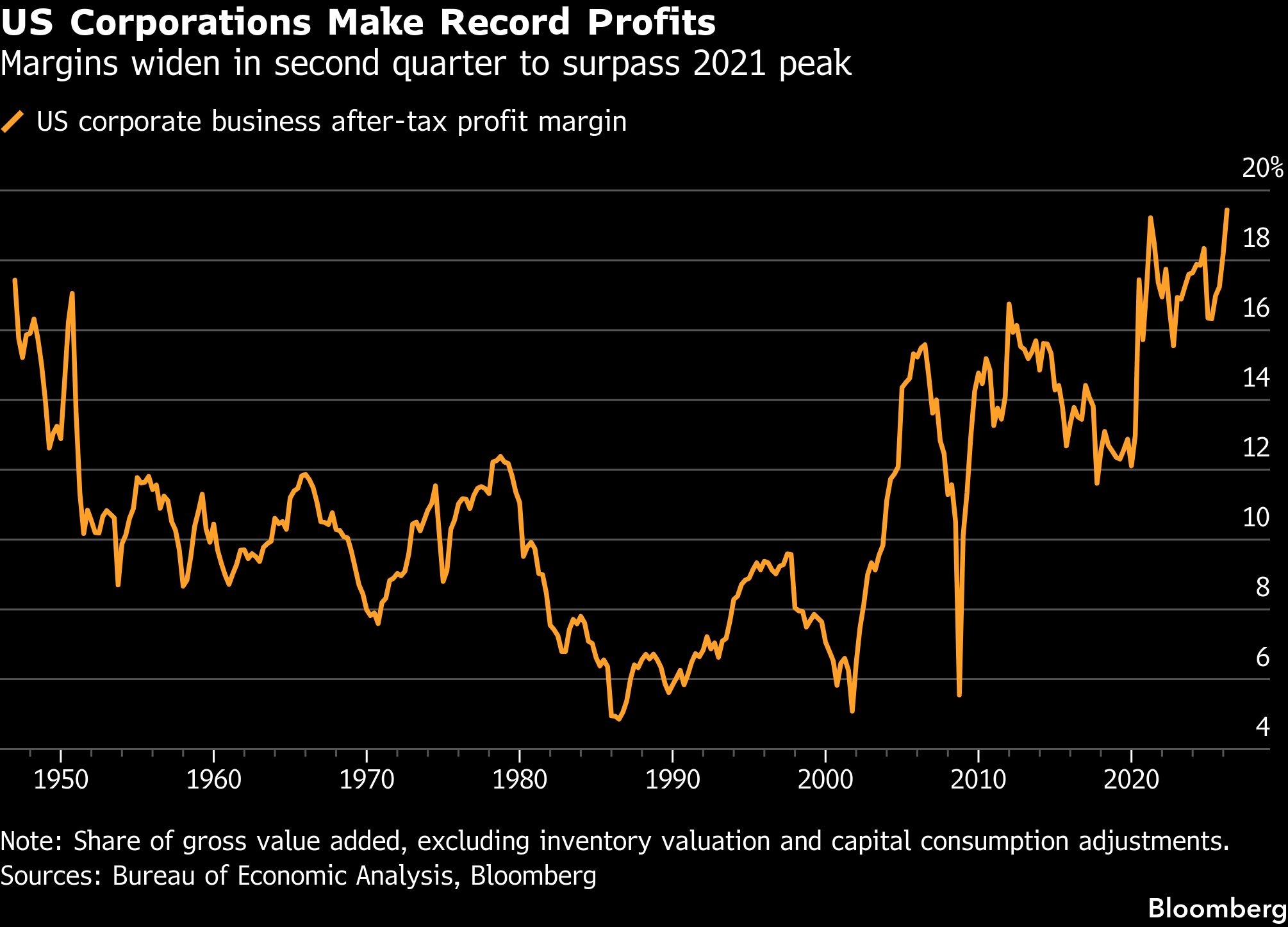
Corporate profits continue to hold up. One measure of US corporate profit margins widened to the highest on record over the second quarter, driven by healthy consumer spending and price hikes.
A measure of after-tax profits as a share of gross value added — a proxy for margins — climbed to 19.4% from 18.2%, according to Bureau of Economic Analysis data out last week. That was the highest in data back to the 1940s.
What Warsh said:
“For firms in the S&P 500, profits have grown by more than 20% over the past year. Profit margins are quite elevated, relative to history. Overall equity market volatility is low. We’re staying keenly focused on market internals, watching performance across sectors.”
Credit
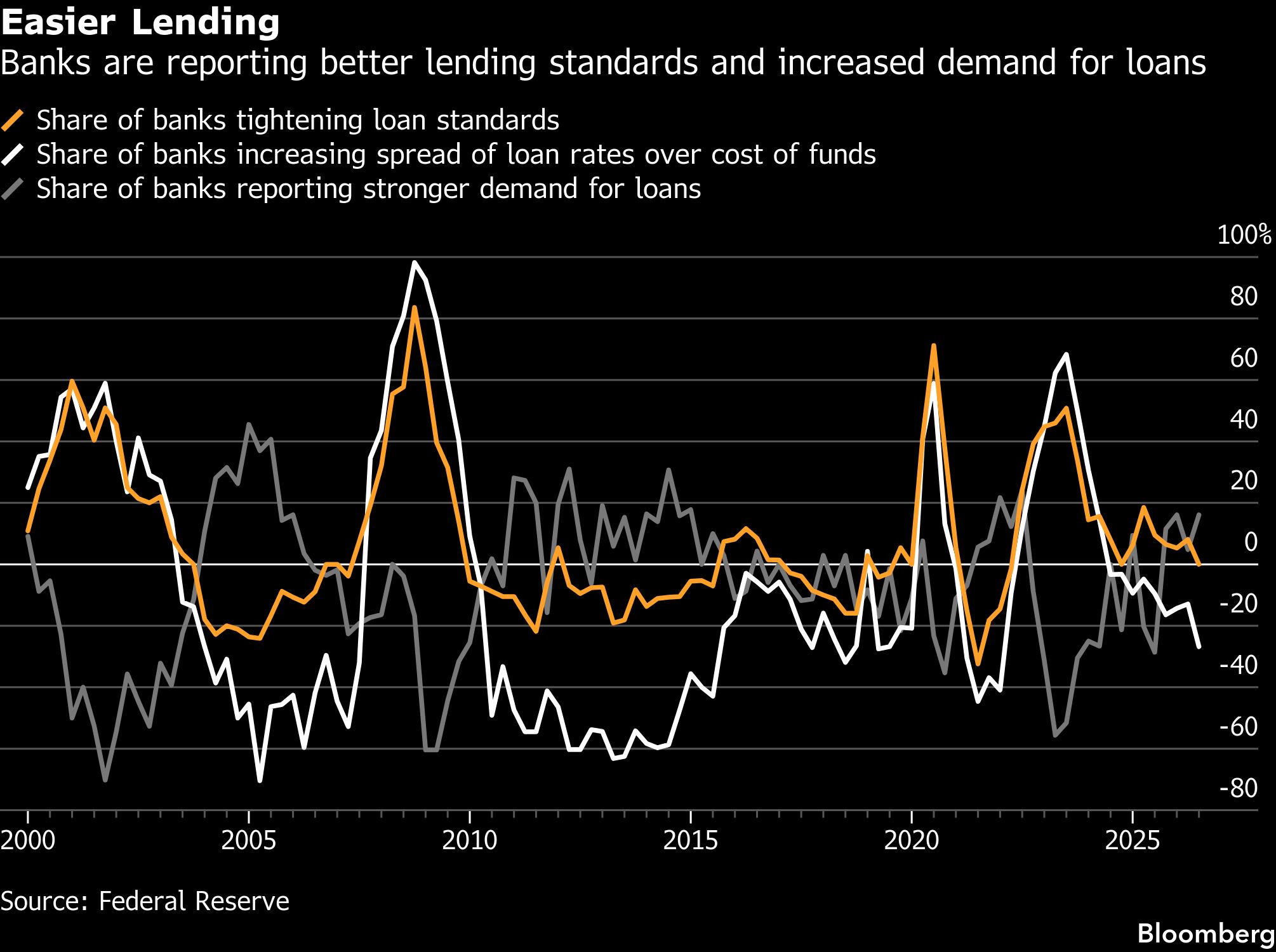
Warsh noted that credit spreads on corporate bonds and leveraged loans are near the low end of their historical ranges, data that suggests a high level of confidence among investors. The Fed chairman also highlighted the Senior Loan Officer Opinion Survey on Bank Lending Practices, or SLOOS, which he said is currently indicating that standards for commercial and industrial loans are on the easier end of their historical range.
What Warsh said:
“That helps explain the growth we’ve seen this year in those loans. Credit and loan markets are showing few signs of policy restraint.”
Consumer Spending
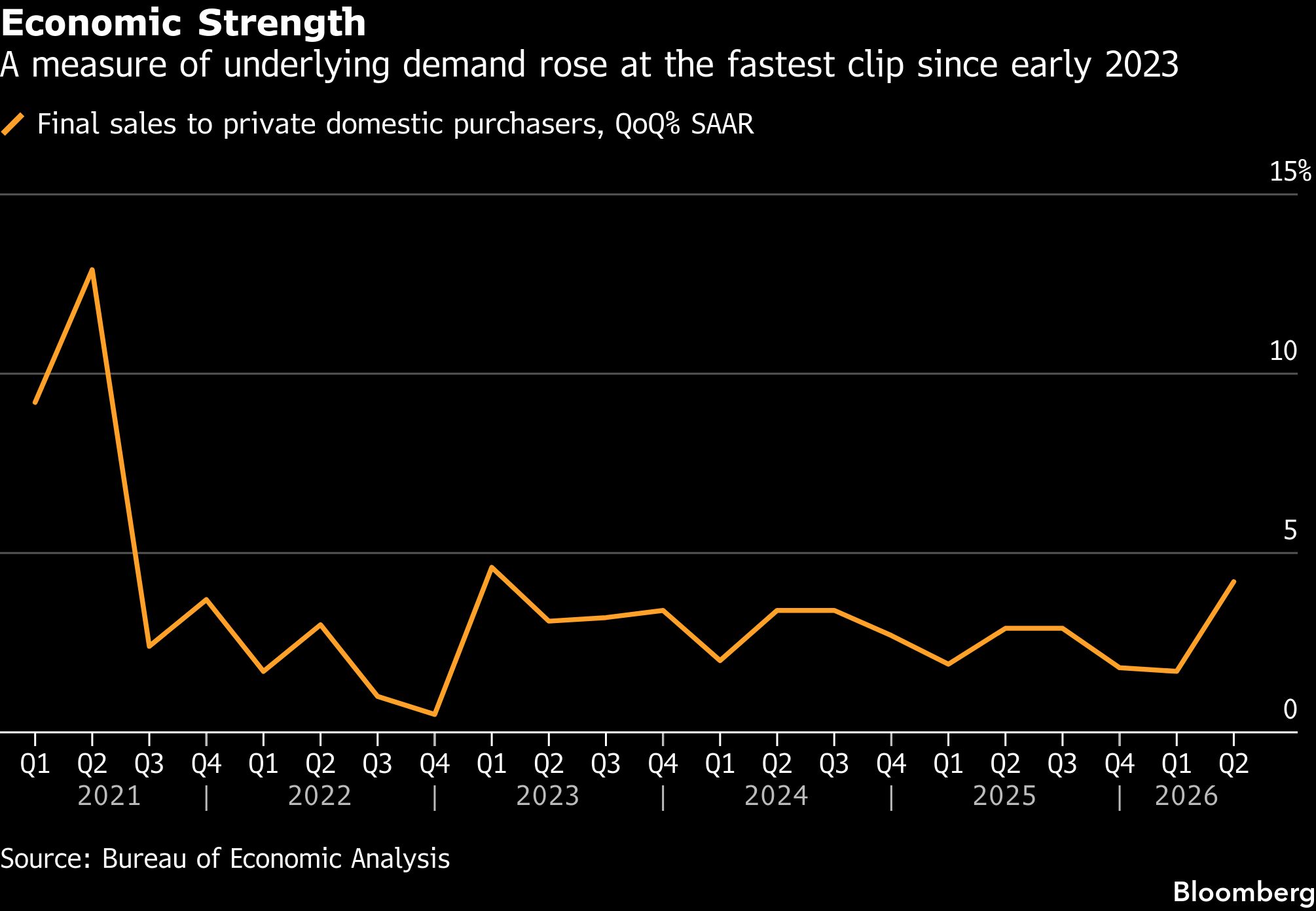
Strength in consumer spending has continued to surprise many economists who had expected persistent inflation to slow demand. While consumers appeared to take a breather in July, inflation-adjusted spending was strong across the second quarter.
In his speech, Warsh highlighted private domestic final purchases — a measure of demand that excludes government spending, inventories and net exports — and noted it had risen by almost 3% this year.
What Warsh said:
“That’s a measure that typically carries more signal than gross domestic product, and the trend here too is positive.”
Jobs
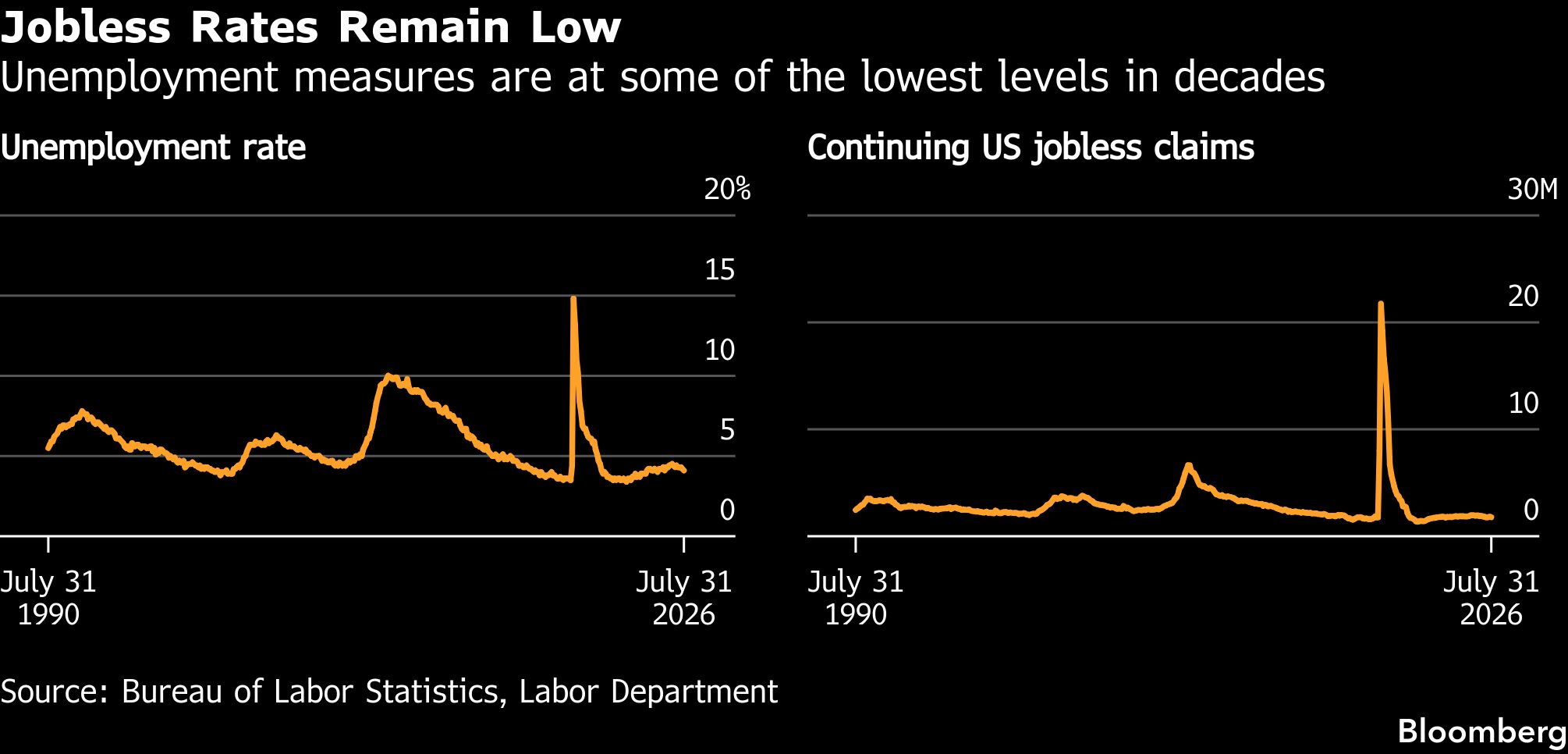
Warsh pronounced the labor market as stable. He acknowledged low turnover in jobs, but chalked that up to the frantic rematching between employers and employees that happened in the years after the pandemic. He also said the slow growth rate of labor supply would naturally keep a lid on jobs gains.
And while there are pockets of weakness, he said, “People who want to work, by and large, are holding or finding jobs. They may well be concerned about possible future labor disruptions, but as of now, I believe the labor markets are consistent with full employment.”
Inflation
While inflation remains well above the Fed’s 2% target, recent readings have hinted at a cooling. The so-called core personal consumption expenditures price index, which excludes food and energy items, rose 0.2% in July from a month earlier, and 3.3% from a year earlier. Some analysts said that, accompanied by a stalling in consumer spending in July, has provided room for the Fed to hold policy steady.
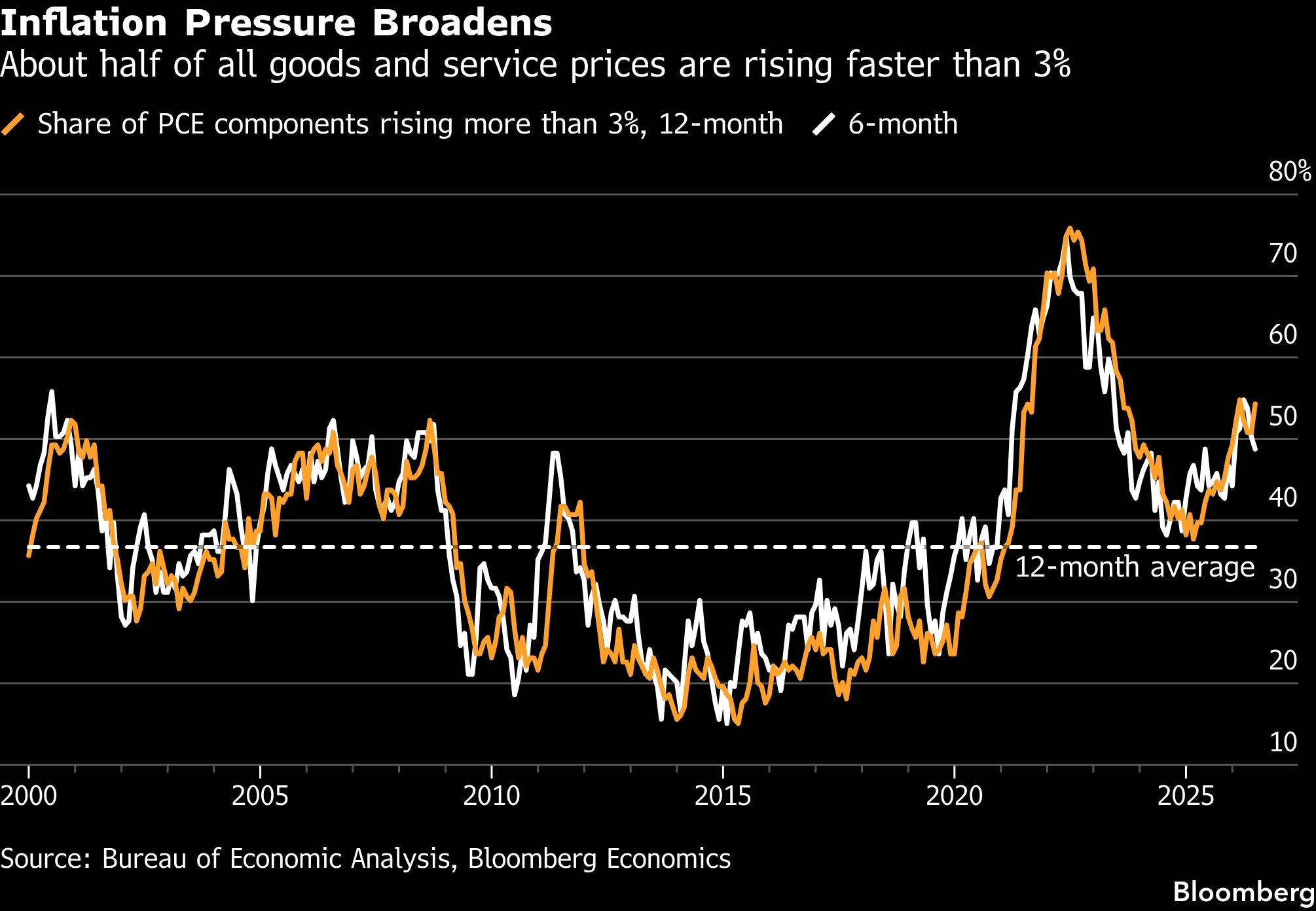
To get a better picture of underlying inflation, Warsh said he likes to break out the 199 individual components within the PCE price measure.
What Warsh said:
“Over the past 12 months, 54% of goods and services in the PCE basket showed price increases above 3%. This is well below the post-pandemic highs of about 77%, but it remains well above the level of 32% in the two decades that preceded the pandemic.”
Inflation Expectations
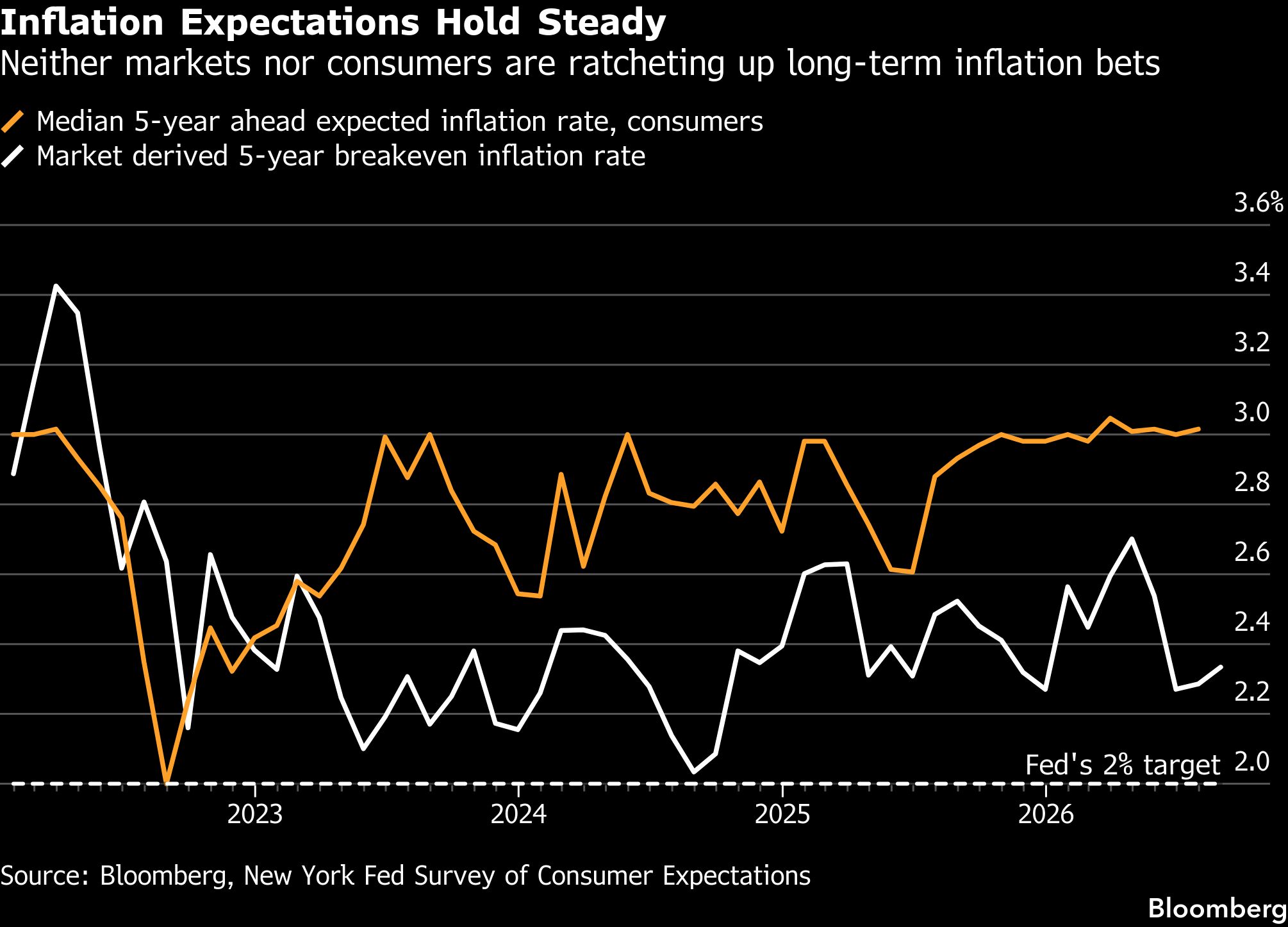
The chairman also made clear he’s keeping his eye on inflation expectations, which act as a gauge of the Fed’s credibility on delivering long-run price stability. He took it as highly encouraging that after five years of inflation exceeding the Fed’s target, expectations appear contained, though he added a note of caution.
What Warsh said:
“The thing about market measures of inflation expectations in economic history is that they tend to look strong and durable until they don’t. Those expectations are not pushed around easily, and right now they are well anchored. But they must be closely minded.”