A message from Advisor Perspectives and VettaFi: Discover something new! Click here to register for our upcoming webcasts.
Oil Drops as Saudi Arabia Ramps Up Flows Through Key Pipeline
Oil fell as top exporter Saudi Arabia boosted flows through a key pipeline, overshadowing concerns over a US-Iran stalemate.
Brent futures slid near $103 a barrel. The kingdom was said to have restored about half the capacity of its East-West pipeline, a crucial route bypassing the Strait of Hormuz that provided a lifeline to global markets as the world’s most important energy chokepoint was disrupted by the Middle East conflict.
A steady flow of crude also appears to be eking out of the Persian Gulf through Hormuz on vessels transiting covertly, despite ongoing risks to shipping. The flows are helping ease concerns that a deal to reopen the waterway remains elusive.
See more: Potential Diesel Export Curbs Manageable for Midstream
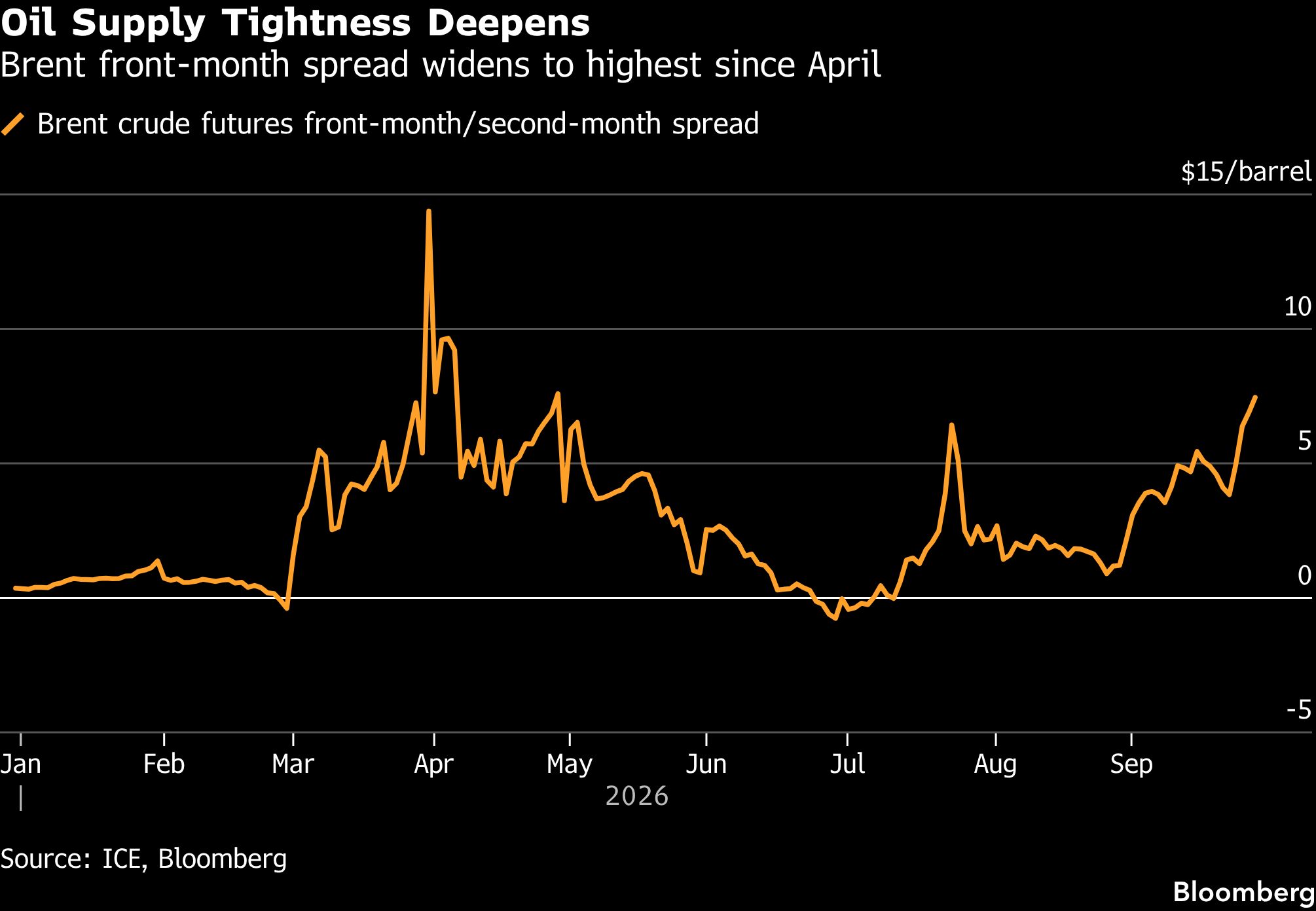
While the nearest Brent contract remains in the triple digits, it’s just a day away from expiry on Wednesday, and the more active December futures traded near $96. West Texas Intermediate crude slid toward $90. The retreat follows a month when markets for real-world barrels were rocked into upheaval, with key gauges signaling a clamor for immediate delivery as freight costs soared, while fuel prices surged as global refinery capacity remains hobbled.
“Geopolitical risks remain unresolved but crude is flowing through the strait and through Saudi’s western port,” said Ole Hansen, head of commodity strategy at Saxo Bank. “With that in mind, it’s difficult to hold onto longs as it would require an escalation to be justified.”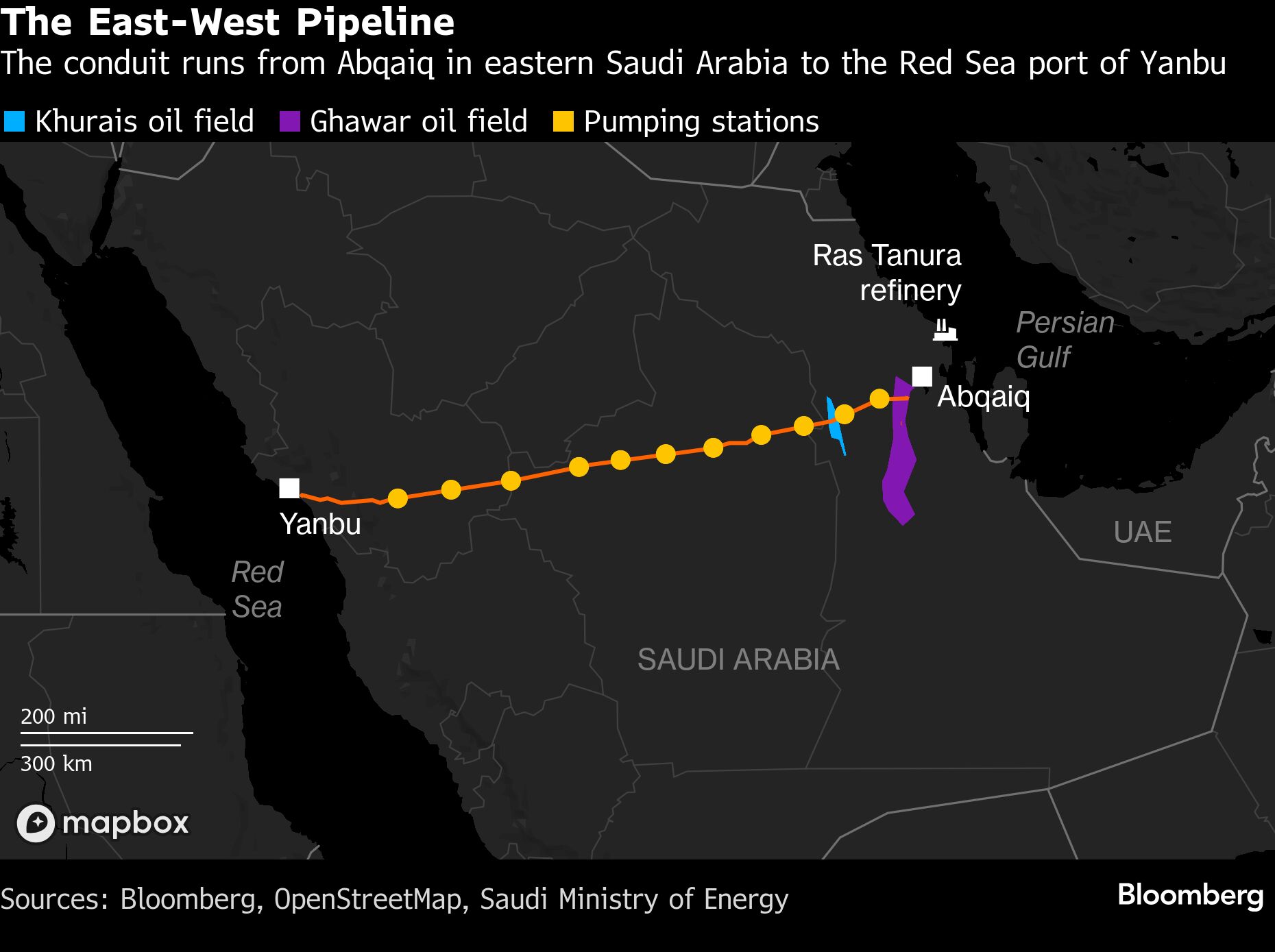
Crude is headed for a third monthly gain following US-Iran tensions, disruptions to the Saudi bypass route and potential diesel export curbs by Washington, with the global benchmark up about 70% this year.
While the market for physical barrels has been tight, the energy crisis would have to become “much bigger” and more protracted for the International Energy Agency to put a fresh release of oil stockpiles at the top of its agenda, Executive Director Fatih Birol said.