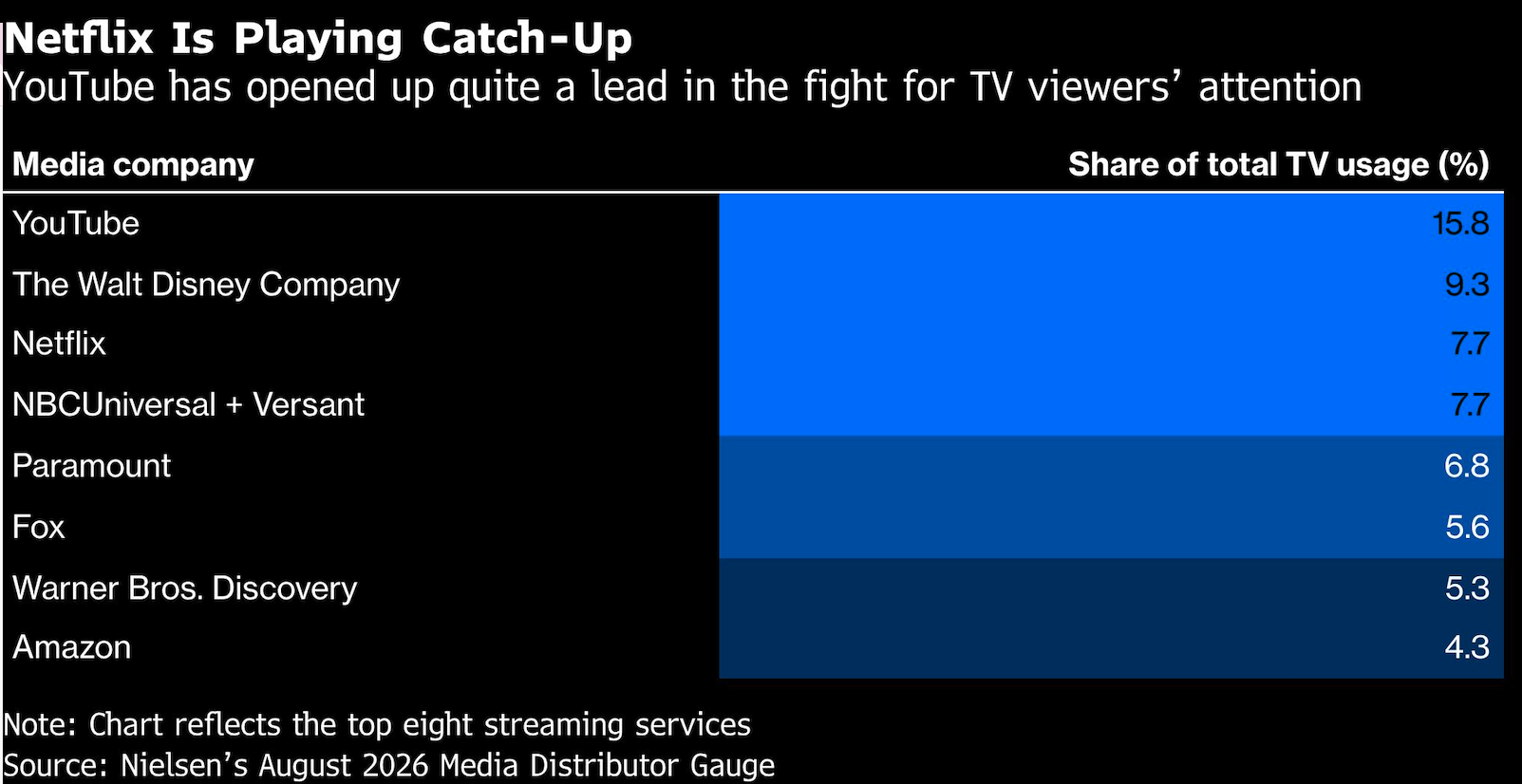
Netflix has found itself in the news lately for all the wrong reasons.
The streamer laid off around 1,000 employees — its largest staff cuts since 2022 — and underwent an executive overhaul that led to the exits of chief content officer Bela Bajaria and film division chairman Dan Lin. While the changes have arrived at a time when Netflix is dealing with slowing viewership and subscriber growth and its stock hitting a two-year low, co-CEO Ted Sarandos stressed there is “no need for a fundamental shift in the strategy” during the company’s third-quarter earnings call last week.
Layoffs, executive shuffles and subscriber churn aren’t exactly unique to Netflix. Other streaming services have dealt with their fair share of hiccups as they encounter more competition for the attention of viewers from platforms such as YouTube and Instagram. But for Netflix, which built its reputation on upending Hollywood’s conventions, its woes amount to an identity crisis of its own making.
Sarandos can insist that everything will remain business as usual, but that approach could be shortsighted. Netflix’s binge-release model and resistance to theatrical distribution helped the company gain a foothold in the streaming wars. Now that it has gone from Hollywood outsider to part of the establishment, though, it’s fair to question whether the streamer is protecting a successful business model or clinging to an outdated ethos that no longer serves every project.
Finding an answer is becoming more urgent. As Bloomberg News recently reported, Netflix’s average subscriber is spending less time watching titles on the platform.

Righting that ship should start by embracing a more flexible framework for deciding which shows merit weekly episodes or a binge drop. With a handful of exceptions, Netflix has made the binge-release model intrinsic to its identity. But that one-size-fits-all approach, particularly with scripted series, means that the streamer hasn’t fully explored the benefits of the weekly release strategy.
See more: Why Securitized Assets Deserve a Larger Role in Advisor Portfolios
In a 2024 study by the fan communities platform Fandom cited by the Los Angeles Times, series that were released weekly generated 33% more engagement than binge drops and sustained engagement almost 50% longer. Additionally, a 2025 study co-authored by researchers from Carnegie Mellon University, Universidade Católica Portuguesa, and the University of Texas found that releasing shows piecemeal made participants 48% more likely to continue using a streaming platform compared to binge drops.
The fact that weekly releases can stay in the cultural conversation for longer is meaningful in its own right. Stretching a release from a single weekend to the span of weeks — if not months — can also potentially help a show carry momentum across the gap between seasons, which has become a major source of contention for audiences. This could be particularly relevant for Netflix: Many of its shows have endured a sophomore-season slump with viewership.
Of course, the binge model is still valuable to Netflix. It gives subscribers the instant gratification of watching an entire season at their convenience, and for major releases like Stranger Things, creates a highly concentrated cultural event. But the fact that Netflix started embracing staggered releases for some of its biggest hits — Stranger Things included — suggests it already recognizes the merits of a longer rollout.
Does that mean Netflix should suddenly reverse course and embrace weekly releases for most of its shows? Not quite. Rather, the company shouldn’t trade one rigid doctrine for another. After all, Netflix once resisted advertising on its platform before introducing an ad-supported tier in 2022, following its first quarterly subscriber loss in over a decade. It didn’t replace its existing ad-free plans; it gave subscribers a cost-effective alternative that proved popular.
Likewise, the company has gone from digging its heels in against theatrical releases — upsetting high-profile creatives, potentially making it harder to achieve an elusive Best Picture win, and willingly leaving money on the table — to embracing what Sarandos is touting as a “bespoke release pattern” for movies it sends to theaters. That helps explain its decision to give its latest Oscars hopeful, La Bola Negra, the longest exclusive theatrical window in the company’s history in addition to starting the practice of reporting box office earnings. The strategy extends to forthcoming mainstream titles, including Greta Gerwig’s Chronicles of Narnia adaptation, David Fincher’s Once Upon a Time in Hollywood spinoff film, and the Charlie vs. the Chocolate Factory animated film.
These shifts in theatrical and ad strategies show that Netflix is willing to evolve, so there’s no reason its approach to releasing shows should be the exception. If, to borrow Sarandos’ phrase, the company’s bespoke release pattern for certain films means considering the audience, the filmmaker, and the film itself, every title deserves that kind of attention.
Netflix doesn’t have to throw out the entire playbook that made it an entertainment giant. But after its latest setbacks, the company does need to understand the difference between sticking to its guns and dying on every hill.
A message from Advisor Perspectives and VettaFi: Discover something new! Click here to register for our upcoming webcasts.
Bloomberg News provided this article. For more articles like this please visit
bloomberg.com.
Read more articles by Miles Surrey