Brent oil spiked to $105 a barrel as rising tensions in the Middle East heightened concerns over global supplies.
Oil held onto its recent run of losses, with traders looking for clues on flows through the Strait of Hormuz as barrels continue to return to the market after months of disruption.
Oil headed for the biggest quarterly decline since the pandemic as flows through the Strait of Hormuz accelerated following progress on a peace deal, with Morgan Stanley warning of a potential glut ahead.
A growing stream of stranded oil is making its way out of the Strait of Hormuz while empty Iranian vessels rush in, as the US-Iran interim peace deal sparks one of the biggest days of activity since the conflict began.
Brent oil fell below $80 a barrel for the first time in more than three months as the US-Iran deal to reopen the Strait of Hormuz boosted expectations for a revival in supply, with leading Wall Street banks reducing their price forecasts and regional benchmarks collapsing.
Oil rose after US President Donald Trump rejected Iran’s response to his latest peace proposal, prolonging the effective closure of the crucial Strait of Hormu
Ship traffic through the Strait of Hormuz remained blocked Thursday, even as a handful of Chinese vessels lined up to escape, with a very fragile ceasefire between the US and Iran yet to improve traffic flows in the region.
Oil briefly rose above $65 a barrel for the first time since November after the US escalated pressure on Iran, while tankers were attacked near a vital terminal for Kazakh crude on Russia’s Black Sea coast.
Oil held near its lowest close in almost two months, as concerns about an oversupply offset bullishness in wider financial markets.
The US crude benchmark outpaced gains in other oil markets after President Donald Trump announced tariffs that threaten flows from two of America’s biggest foreign suppliers.
Commodities broadly declined on prospects that a stronger dollar and potential trade disputes under a Donald Trump presidency will weaken the appeal of raw materials in global markets.
Oil futures posted their largest gain in more than a year last week. And the frenzy was even bigger in the options market.
When oil jumped above $90 a barrel just days ago, military tensions between Israel and Iran were the immediate trigger. But the rally’s foundations went deeper — to global supply shocks that are intensifying fears of a commodity-driven inflation resurgence.
Investors are finally showing signs of losing their antipathy toward commodities.
Oil exchange-traded funds posted their largest week of outflows for more than a year, led by a record withdrawal from the crude market’s biggest ETF.
Oil rose in a session marked by waning liquidity ahead of the holiday season, strengthened by a softer dollar and a potential boost in energy demand after China abandoned its Covid Zero policy.
After months of planning and negotiations, the biggest tranche of sanctions on Russian oil to date are about to take effect -- how big their impact will remain uncertain.
The US crude market’s structure is signaling oversupply for the first time in almost a year, the latest indicator of the scale of the dramatic slump in the nearest section of the oil futures market.
Brent oil has dropped more than 30% from this year’s high, but you wouldn’t know it if you live in Paris, Mumbai or Accra.
Oil edged higher after a volatile week of trading as concerns over a global economic slowdown continued to dun the market.
Commodity markets are struggling to shake their months-long liquidity crisis that’s brought an era of erratic swings in the value of the world’s raw materials.
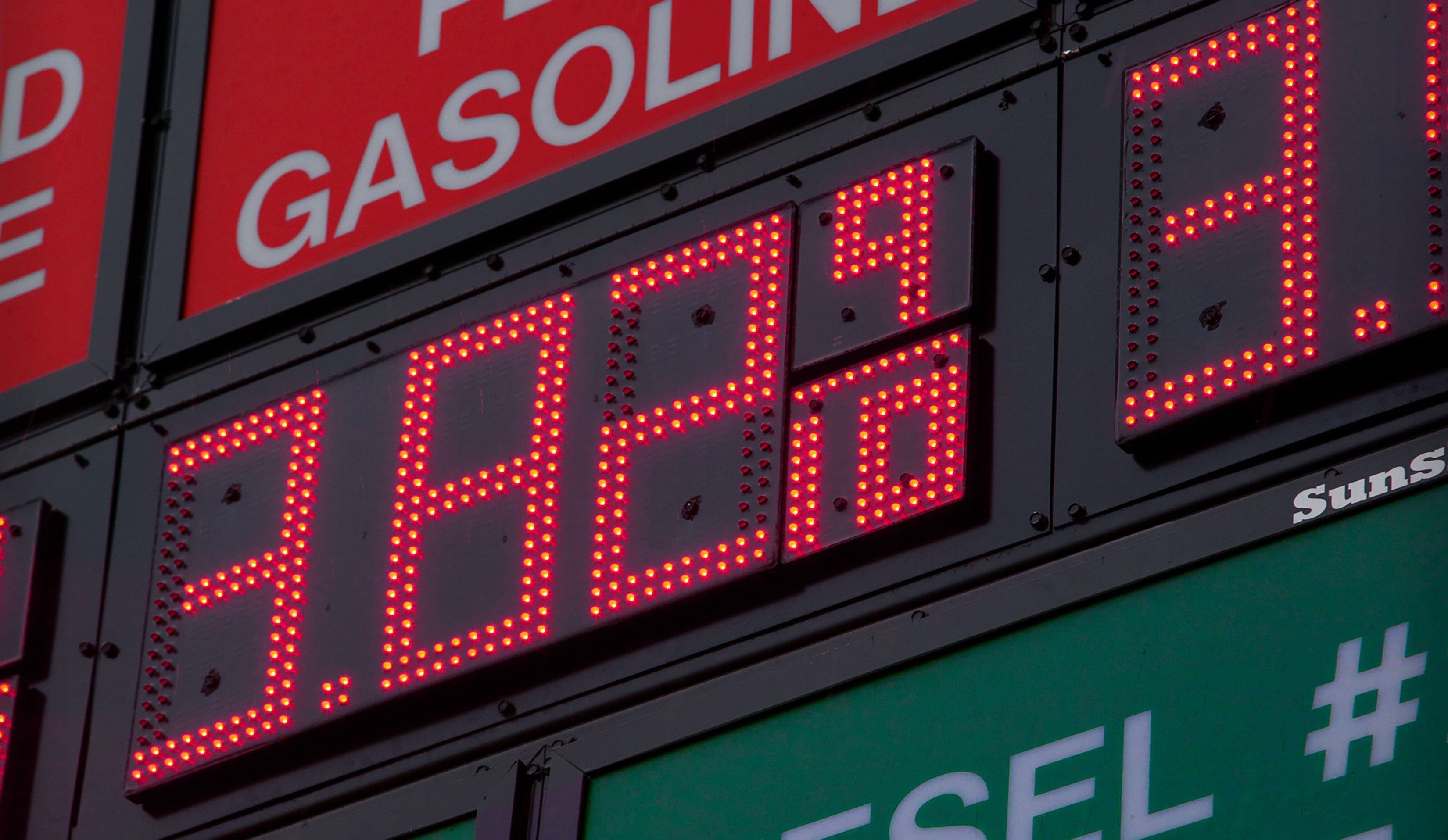
US average retail gasoline prices fell below $4 a gallon to the lowest since early March, according to data from AAA.
Oil resumed trading above $100 after the Saudis declined to make any promises regarding future output increases
Oil is set for a weekly loss after choppy trading in which concerns over a demand-sapping slump clashed with signals of tight supply.
Oil plunged for the second time in a few days on concerns that a global economic slowdown will ultimately hobble demand.
Oil extended losses for a third session as the prospect of further monetary tightening to combat surging US inflation sent global markets spiraling lower.
Oil had its biggest daily swing ever, surging to near $140 before pulling back sharply, on the prospect of even tighter supplies after the U.S. said it was considering a ban on Russian crude imports.
Global commodity markets surged to multiyear highs on Wednesday after traders backed away from Russia, sparking anxiety that supply will fall short in everything from wheat to natural gas.
Oil retreated as traders wait to see whether OPEC+ can deliver on its latest promised increase in supply, while stock markets fell.
Oil prices rose on Tuesday following the biggest one-day tumble this year, with traders refocusing on the outlook for energy demand and shaking off broader weakness in financial markets.
Futures are now at the lowest level in almost two decades after Saudi Arabia signaled it’s doubling down on a price war with Russia just as demand evaporates