It’s been an expensive summer with the cost of travel, and just about everything else, going through the roof. Now consumers are cutting back on their flights.
Some of the largest US landlords have pulled back on purchases of single-family rental homes, as rising financing costs and high home prices push property funds to ease away from the shifting housing market.
Oil resumed trading above $100 after the Saudis declined to make any promises regarding future output increases
US economic productivity during the pandemic was driven entirely by firms with remote work capacity, according to a new study co-authored by Robert Gordon of Northwestern University.
FINRA interprets “financial advisor” as being usable (on business cards and elsewhere) by any financial professional who holds an RIA affiliation, whether or not the relationship with the client is in fact an advisory one.
None of us can control markets, but it’s critical that our clients know how they have performed relative to appropriate benchmarks.
New research measures of how market participants perceive a company’s exposures to climate change, based on earnings calls.
To be an uncomparable financial advisor, you need a marketing message that is simple, clear, and repeated often. Here’s a framework for creating your message.
Wall Street and European investment banks have an acute sense of buyer’s remorse.
A vicious six-month repricing has rattled investor nerves but has done little to make the US stock market cheap.
If everyone feels so miserable, why do they seem to be out having a good time?
US retail sales were stronger than expected in June, but after several economists adjusted the data for inflation, they still point to a leveling off in spending.
Advisors have been conditioned to believe that their prospects must like them before they’re willing to become a paying client.
Inflation will prove annoyingly persistent at levels far above the desired 2%.
Federal Reserve policy makers like to claim they are “data dependent” when it comes to monetary policy decisions, but this month they have run out of consequential economic releases on the calendar to change their minds.
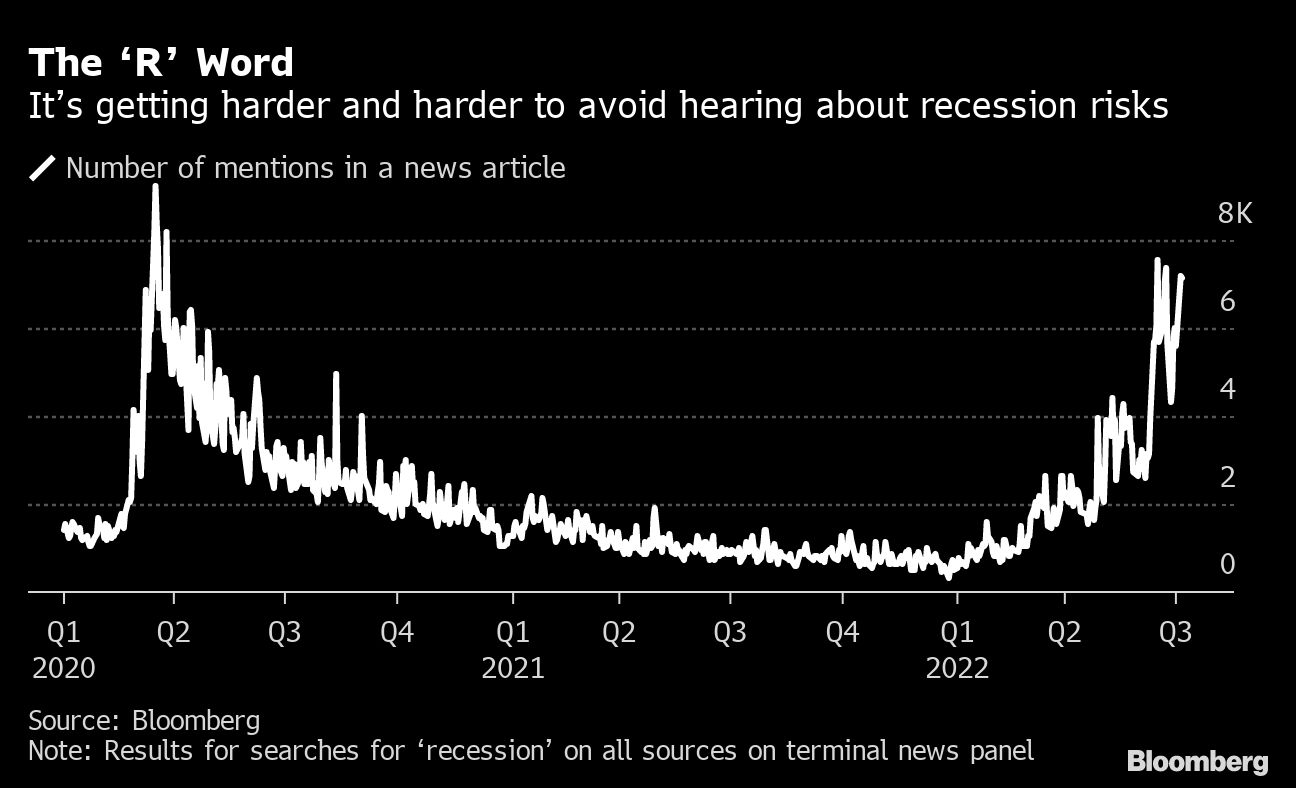
Recession fears spike as inflation soars. Fair enough. But it’s not actually clear what people are afraid of.
Gold is heading for its fifth weekly loss, the longest streak of such declines in almost four years, with haven credentials sidelined by investors becoming super-bullish on the US dollar.
The US is exporting diesel at the fastest ever rate as the global market’s thirst for fuel remains insatiable.
As you may have heard, the US inflation rate is 9.1%. That is, the consumer price index for all items as estimated for June by the Bureau of Labor Statistics was 9.1% higher than it was a year earlier.
China’s economy narrowly avoided contraction in the second quarter, prompting analysts to call for more fiscal and monetary stimulus to spur growth in the face of rising global recession fears.
Industrial production is one of the dirtiest corners of the corporate world. A startup from former Google engineers thinks it can clean it up with artificial intelligence.
Imagine: Elon Musk, known for his delight in defying authority, is ordered to move ahead with his $44 billion purchase of Twitter Inc. -- and refuses.
As if another inflation shock and earnings drama at big banks weren’t enough for stock investors, Friday brings a critical moment where many option traders must decide their next move on hedging.
For all the volatility whipsawing the US bond market, traders are showing increasing confidence that the alarm bells warning of a recession will only get louder.
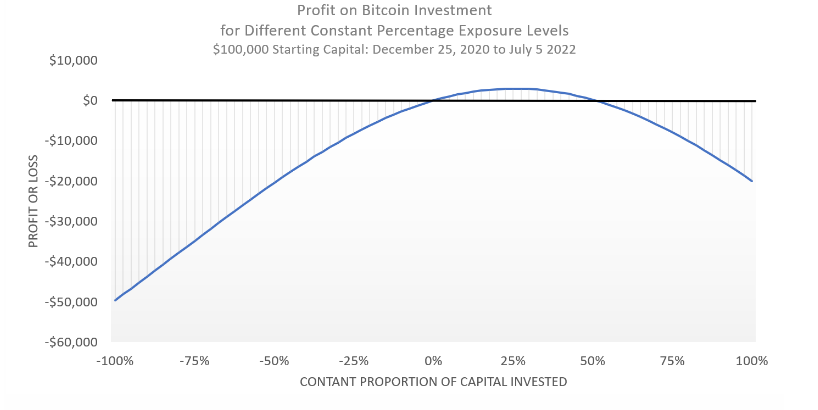
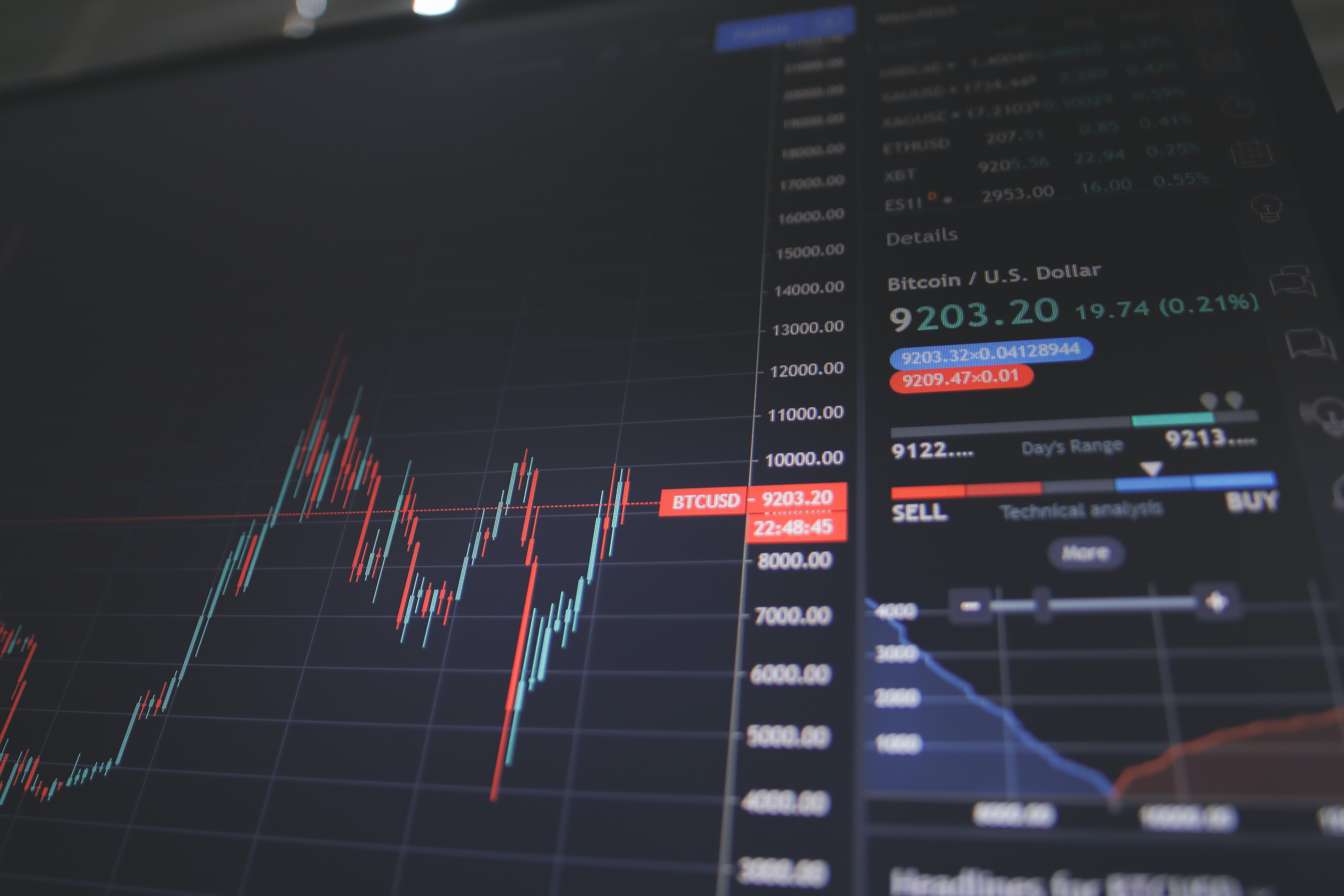
If you put $100,000 of your savings into Bitcoin at the end of 2020 and are still holding those coins today, you’d be down 20% on your investment. But, if you'd used that $100,000 to short Bitcoin, you’d have suffered a loss too. How is this possible?
The summer of 2022 has not been a stable season for global energy.
Trading apps such as Robinhood Markets Inc. introduced millions of investors to the stock market during the pandemic, and many of them are experiencing a bear market for the first time.
The dollar rally has room to run and those who stand in its way risk getting bowled over by its unstoppable strength.
Gold dropped back toward an 11-month low as investors again turned to the dollar as a haven asset amid expectations for more aggressive US monetary tightening.
Decades of underbuilding led to soaring prices and the biggest deficit of homes in the US.
The labor market is turning out to be a new source for optimism in the Federal Reserve's fight against inflation.
America’s first leveraged single-stock ETFs will debut Thursday, launching into a miserable year for US equities and accompanied by a barrage of regulator warnings over their potential risks.
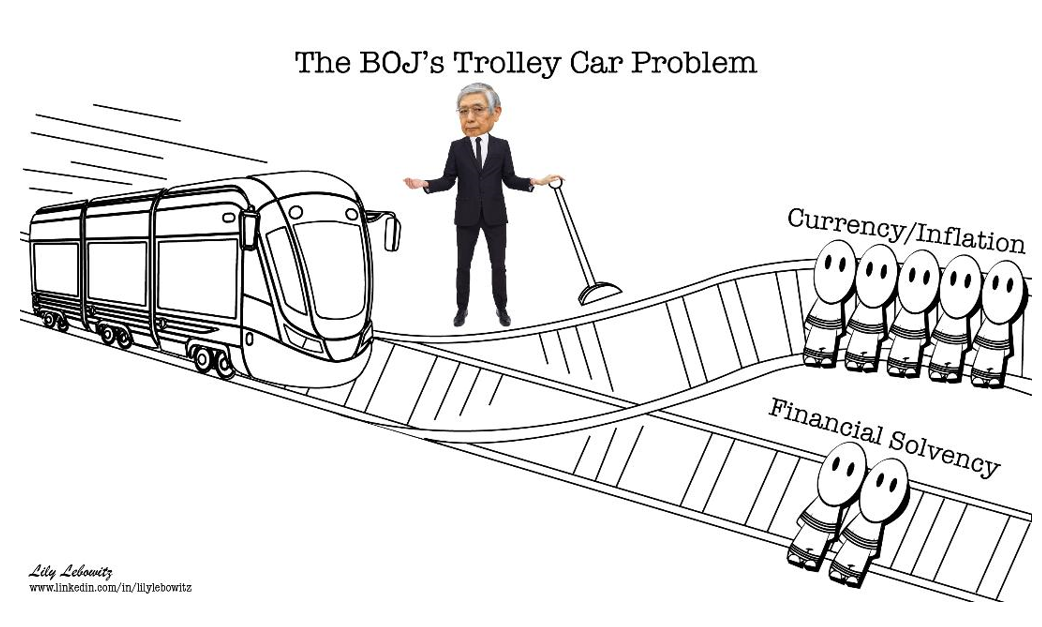
While the situations in the U.S., Europe, and Japan are different, all three are paying the price for years of fiscal and monetary tomfoolery. Using monetary policy to ensure low-interest rates encouraged unproductive debt growth. As liabilities grew faster than GDP, their ability to service debt became harder without continually having to administer lower interest rates and more QE.
Stocks tumbled on Wednesday after inflation accelerated in June more than expected, putting pressure on the Federal Reserve to remain aggressive in its fight against price increases.
Law firm partners, family business owners and other high-earning individuals who have stakes in companies are at the center of a last-minute lobbying battle over President Joe Biden’s slimmed-down economic plan.
Money has taken different forms throughout history. However, one basic rule remains constant through technological and economic change.
The above phrase is a respectful way to uncover the truth of any resistance that they may be holding back from sharing with you.
Many RIAs fall short of the obligations of a fiduciary, particularly with respect to how their fees are paid. A day of reckoning (lawsuits) is only a matter of time.
Commodities can make for great trades, but they are often lousy investments.
US inflation accelerated in June by more than forecast, underscoring relentless price pressures that will keep the Federal Reserve on track for another big interest-rate hike later this month.
Twitter Inc. sued Elon Musk over his abandoned $44 billion takeover bid, accusing the billionaire of having buyer’s remorse after his fortune declined.
Nearly five months after Russia’s invasion of Ukraine sparked a global energy crisis, Italy is pulling ahead in reducing its dependency on Moscow.
I have a vision of a profession where the most straightforward advisors, not the coolest ones with the best spiel, rise to the top. To achieve that ideal, here are 17 ways that acting more honestly than the competition will win more clients.
We have a terrible time with internal meetings. They don’t happen. They happen but there is no agenda.
Wall Street and Washington are loudly debating whether the US economy can escape a recession -- but that monumental judgment will be made by eight eminent economists meeting quietly and far from public view.
The US housing market saw a rise in the percentage of deals cancelled in June as rising mortgage rates made homes more expensive, pushing some buyers to walk away from deals.
If your digital currency is sitting on an exchange, is it really yours?
Copper has lost one of its most influential cheerleaders, after Goldman Sachs Group Inc. chopped its near-term price forecasts in anticipation of a sharp slump in consumer spending and industrial activity as Europe’s energy crisis deepens.
One of the US bond market’s most widely watched indicators of potential recession risk has reached levels last seen in 2007.
Inflation continued to heat up in June, hitting a fresh pandemic peak that keeps the Federal Reserve geared for another big interest-rate hike later this month, economists project.