Why Berkshire Hathaway Sold Oil and Bought Delta Air Lines
Membership required
Membership is now required to use this feature. To learn more:
View Membership Benefits
In the first quarter of this year, as the Strait of Hormuz closed and oil prices exploded, Berkshire Hathaway made a couple of moves that might have flown under people’s radars.
It cut its stake in Chevron by roughly a third. Then it bought an airline.
Berkshire, now run by Greg Abel, disclosed a $2.6 billion stake in Delta Air Lines as of the end of March. In the second quarter, it added another 44%, bringing the position to about 57 million shares. The position was valued at roughly $5.4 billion at the end of June.
See more: What’s Really Driving the Rise in Treasury Yields?
To be clear, Berkshire hasn’t walked away from oil. It still owns more than $30 billion of Chevron and Occidental, and Delta makes up just over 1% of its stock portfolio. But the timing tells an important story.
The Oracle Changes His Mind About Airlines
Few investors have been as hard on airlines as Warren Buffett. He once called the industry a “death trap” for capital and joked that investors would have been better off if the Wright Brothers’ plane had been shot down at Kitty Hawk.
He warmed up in 2016, when Berkshire bought into the four biggest U.S. carriers. Then Covid hit, and in the spring of 2020, Berkshire sold every airline share it owned. Buffett said “the world changed for airlines” and later called the investment a mistake.
I disagreed at the time. In May 2020, I argued that few industries had proven as resilient to outside shocks.
I’ll always count Buffett among the greatest investors of all time. Nobody bats a thousand. But Berkshire has now come back to airlines in the middle of another crisis, with jet fuel pushing $5 a gallon.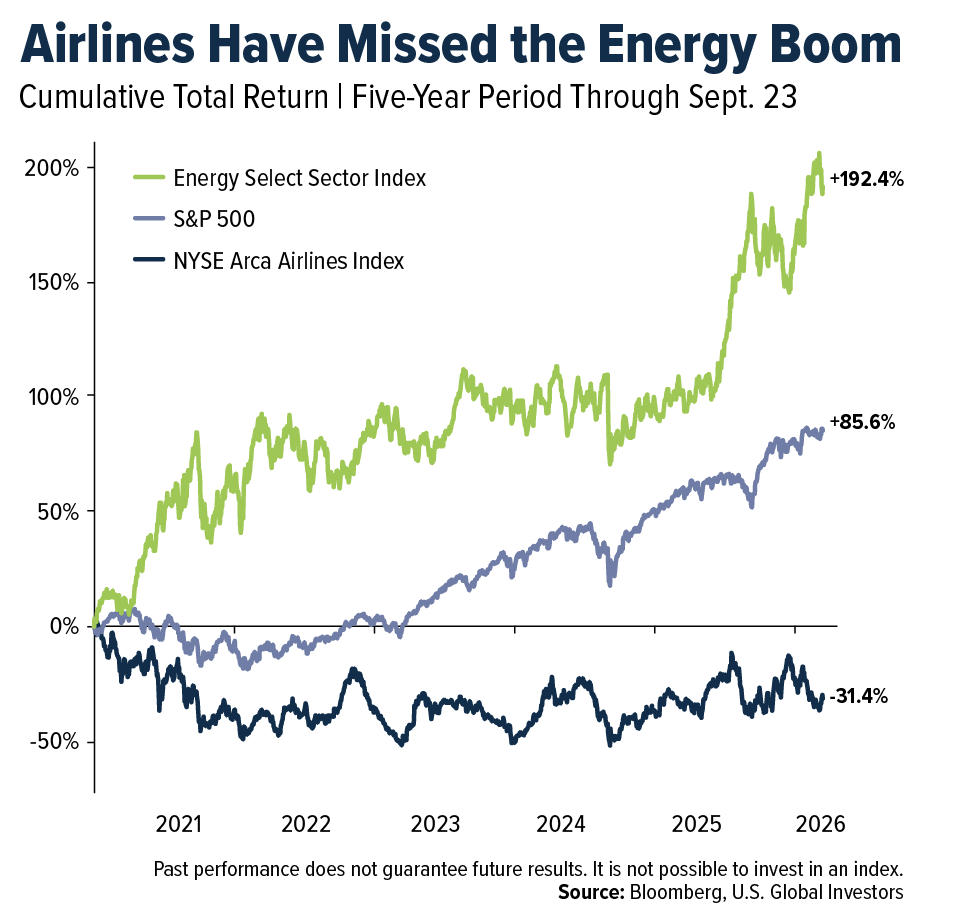
Grounded by Fuel
Over the past five years, one of the widest gaps I’ve ever seen between sectors has occurred. The NYSE Arca Airline Index has lost about 31%, including dividends, while energy stocks returned more than 192%. The S&P 500 returned about 86%.
Airlines had clawed back most of those losses by early 2026. Then Hormuz closed, jet fuel roughly doubled and the stocks gave it all back.
As many of you know, fuel is an airline’s biggest expense. At a Morgan Stanley conference this month, American Airlines’ CFO said fuel running about $1 a gallon above plan adds roughly $1 billion to a single quarter’s fuel bill. United has already pulled flights from its December schedule.
So why would anyone buy now?
The Refining Squeeze
Let’s look at New York Harbor diesel futures. They’re the closest traded stand-in for U.S. jet fuel. As of September 24, the contract for this month traded around $5 a gallon. The contract for June 2027 traded at $3.73. That’s $1.27 lower, more than the dollar that adds a billion to American’s quarterly fuel bill.
What surprised me is where the relief comes from. Only about a third of it comes from cheaper crude oil. The other two-thirds comes from the refining premium shrinking.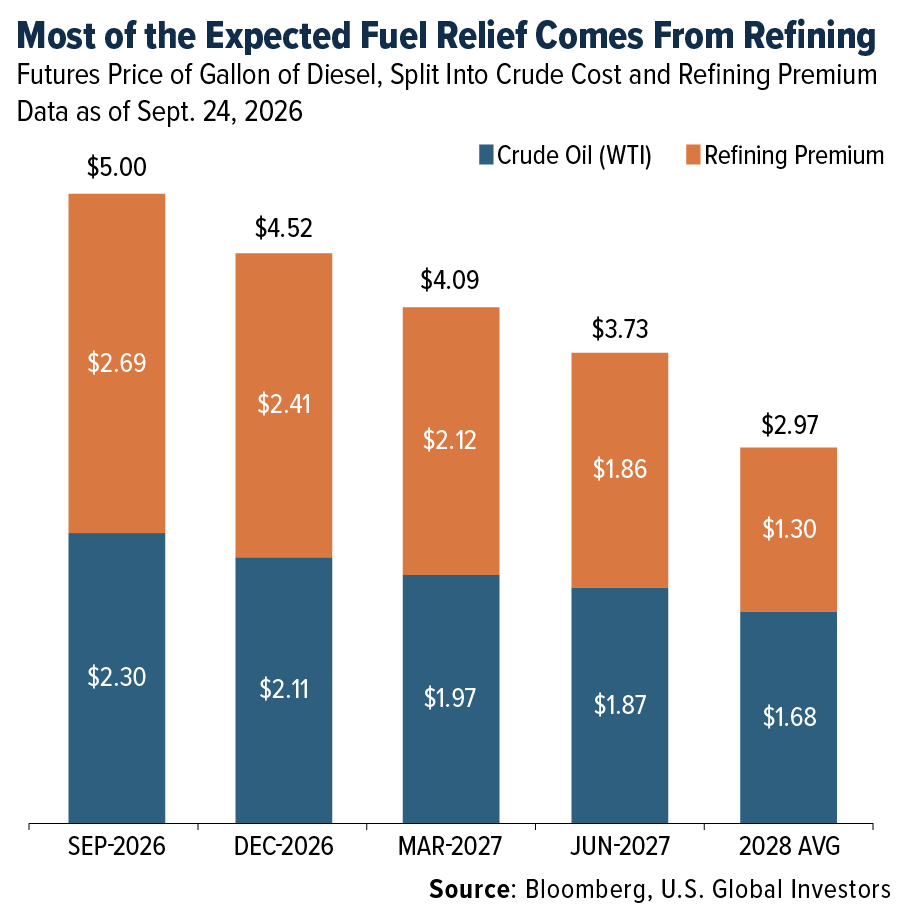
That premium is the extra cost of turning crude into jet fuel. In 2024 and 2025, jet fuel in New York typically sold for $20 to $30 a barrel more than crude, according to Bloomberg data. This month, the gap topped $100 as the war in Iran and Ukrainian strikes on Russian refineries choked off fuel exports.
The airlines’ pain has been the refiners’ windfall, with Valero and Phillips 66 shares up 127% and 96% so far this year. But some analysts are calling for refining earnings to fall more than 23% next year, according to Yardeni Research data.
The commodity traders and the stock analysts are telling the same story: the squeeze should ease.
Now, futures prices are not forecasts. I don’t believe cheap jet fuel is right around the corner. The International Air Transport Association (IATA) notes the refining premium was already running well above its pre-Covid average before the war, and U.S. refining capacity shrank last year. Relief looks likely, but a return to the old normal does not.
Why No Fuel Hedge Could Pay Off
U.S. airlines largely gave up fuel hedging years ago. Southwest ended its famous program in late 2025, just before the shock hit.
European carriers took the opposite approach. According to Reuters, Lufthansa has hedged 86% of its 2026 fuel, and Ryanair has locked in about 80% of next year’s needs at prices based on $67 oil.
That’s why U.S. carriers took the full hit this year. But if the futures market is right, those airlines will feel the relief first and fully, while their European rivals stay locked into their hedges.
Quality Over Quantity
Not all airlines are created equal, and I believe this is the key to Berkshire’s choice. In 2016, the firm bought the whole sector. This time, it bought one airline.
Delta owns its own refinery outside Philadelphia, which earns back part of that refining premium in the Northeast, where it’s been highest. Analysts estimate the refinery could lower Delta’s fourth-quarter fuel cost by around $0.40 a gallon. The company’s operating income covers its interest expense more than eight times over. By contrast, American’s operating income currently doesn’t cover interest at all, according to Bloomberg data.
Valuations are modest. Delta, United and Southwest trade at roughly 9 to 11 times forward earnings, about half the S&P 500’s multiple of around 20. Airlines have always traded at a discount to the market given how cyclical they are, but UBS analysts argue quality carriers could earn structurally higher valuations over time now that the industry has shown real pricing power.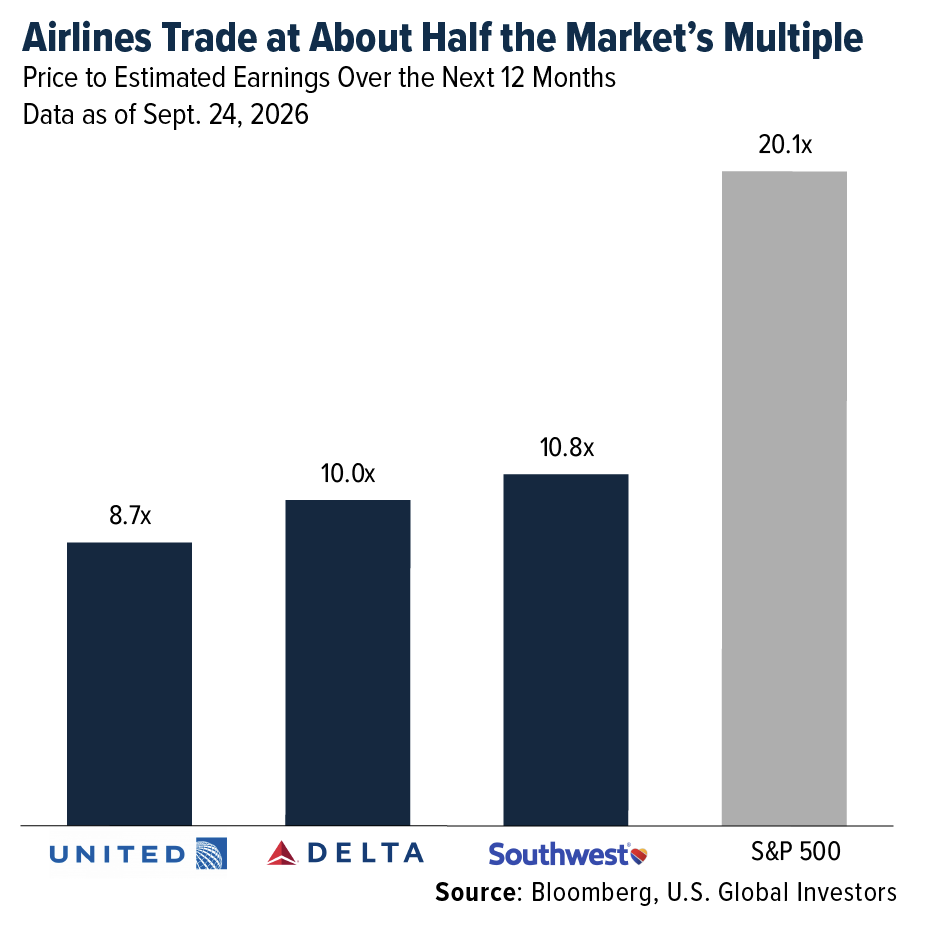
Buckle Up for Earnings Season
Earnings season starts October 9 with Delta. Fuel is running above what several carriers guided, so third-quarter earnings will take a hit, which Wall Street largely expects. I’ll be watching fourth-quarter revenue guidance instead, and whether pricing strength can outrun the fuel bill.
If the Middle East conflict drags on, the futures market could be proven wrong. And the recent jump in the 10-year Treasury yield could cool consumer spending.
There’s also policy risk. The administration is weighing a ban on diesel exports. This week, dozens of industry groups warned the president that a ban would force refiners to cut output and raise jet fuel prices, a view it’s said Energy Secretary Chris Wright and Interior Secretary Doug Burgum share. As I often say, government policy is a precursor to change.
Buying Through the Storm
Airline stocks are priced as if this fuel shock will last forever. The futures market says it won’t. Travelers are paying up, and capacity is disciplined.
Berkshire isn’t betting that jet fuel goes back to $2 a gallon. It appears to be betting on the airline best positioned to win when fuel costs more than it used to, and it’s been buying through the worst of the storm.
Interested in gaining exposure to the global airline market? Email “AIRLINES” to [email protected].
Airlines and Shipping
Strengths
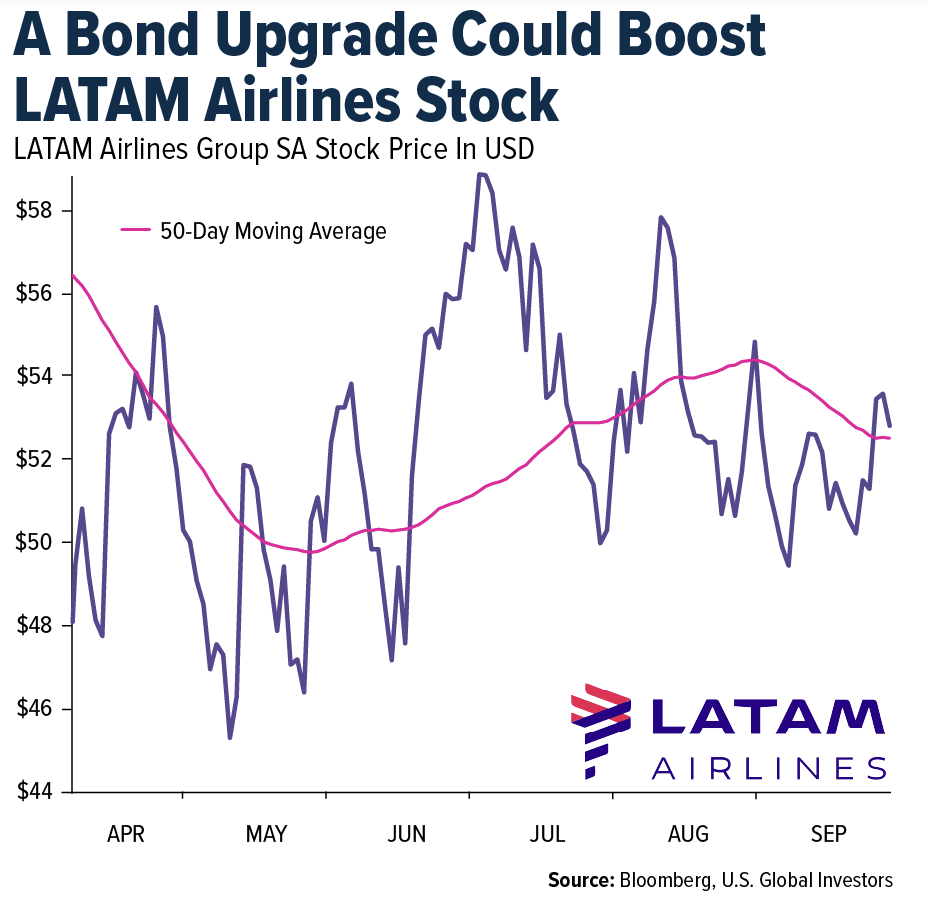
- The best-performing airline stock for the week was American Airlines, up 7.0%. S&P upgraded LATAM Airlines to BB+ from BB, with the outlook revised to stable from positive, according to Bloomberg.
- This past week, laden vessels from China to the U.S. were up on a year-over-year (YoY) basis (+5% YoY). Data suggests TEUs coming into the Port of Los Angeles will increase next week (+30% week-over-week (WoW)). Ocean container rates were up 3.5% sequentially; rates on a YoY basis were up 3.7% YoY this past week, according to Goldman.
- According to JPMorgan, Ryanair notes: (1) Pricing has gotten slightly better in recent weeks, with strong close-ins, and Q2 fares are expected to be down 2%–3%. (2) Ryanair has trimmed capacity during off-peak winter periods and expects the wider industry will need to begin reducing capacity if fuel stays high. (3) FY 2028 fuel hedging is broadly unchanged at around 15%. (4) Upward pressure is expected on Q3 ex-fuel unit costs from new pay deals. (5) Ryanair expects to have around EUR 3B in gross cash by year-end FY 2027. (6) In the medium term, it sees plenty of growth opportunities for the MAX-10s or could even keep older aircraft flying for longer if required.
Weaknesses
- The worst-performing airline stock for the week was Tongcheng Travel, which was down 5.7%. Inbound travel deteriorated from flat/(3)% YoY in June/July to (6)% in August, with all but Canada seeing deterioration across their observed regions, according to Raymond James.
- According to Morgan Stanley, Europe-to-Asia shipments missed market expectations amid the low season. Liners are competing with lower prices for higher load factors. Also, a sustained recovery in Suez transits could bring back effective capacity, which could lower prices.
- A fiber line cut by an Amtrak construction crew in New Jersey knocked out a backup data feed at the Philadelphia FAA facility, halting flights across the Northeast on Monday. Ground stops were imposed at Newark Liberty International, JFK, LaGuardia and Teterboro airports; hundreds of flights were canceled, and United Airlines slashed departures from Newark.
Opportunities
- KLM is exploring the sale of its ground handling, cargo and technical services, according to Dutch website Mena.nl, citing an unspecified and unpublished report as well as a KLM spokesperson. The report is said to examine a scenario in which KLM limits itself to passenger transportation, with other operations—such as technical services, cargo and ground handling—being divested or outsourced.
- Tanker owners are capturing an increasing share of oil value chain profits. Current freight rates may not be sustainable, but growing upside risks to earnings should continue to support investor sentiment. The current spot market indicates $20/barrel in VLCC shipping profits. Morgan Stanley has factored an average of $6–7/barrel into its 2027 forecasts.
- The outlook for business jets is promising. Textron expects greater than 1x book-to-bill for the next several years, Embraer is experiencing strong 2025/26 orders to support 2028/29 results, and Bombardier is seeing 2–4 years of backlog with approximately 2x book-to-bill on its upgraded Global platform.
Threats
- Wizz is attempting to expand into Spain, with plans to base aircraft in Madrid and Valencia. It will launch new domestic and international routes this winter. Although Spain is a large and attractive market, it could also be challenging, in JPMorgan’s view, given the strength of the incumbent airlines. Spain is Ryanair’s largest market, accounting for 20% of its group capacity. JPMorgan estimates that, for 2026E, IAG has the largest domestic market share, with 56% of seats. The Spain-Europe market is competitive, with Ryanair holding a 26% market share, followed by IAG at 18%.
- The current El Niño climate phenomenon has been strengthening rapidly and is now expected to be the strongest ever recorded, with El Niño reducing daily transits through the Panama Canal from 36 to 32 vessels starting in September 2026. Surging congestion at the Panama Canal has pushed wait times for unbooked vessels to as long as 11 days, triggering intense competition for priority transit slots and driving auction premiums to record highs of $4–5.3M, compared with typical transit fees of just $50–100K, according to UBS.
- Europe faces a fourth-quarter jet fuel deficit even as it turns to far-flung suppliers, including South Korea, which is set to boost jet exports to Europe to a four-year high in September, according to analysts and shipping data. Consultancy Energy Aspects forecasts a Q4 deficit of 510,000 barrels per day for Europe, compared with surpluses of 18,000 barrels per day in the U.S. and 419,000 barrels per day in Asia-Pacific.
Luxury Goods and International Markets
Strengths
- The Eurozone Services PMI rose to 53.0 from 51.6 in August, reaching a 10-month high, while the Manufacturing PMI held steady at 52.7, remaining at its strongest level in more than four years. Manufacturing output increased to 53.4, a 55-month high, and the Composite PMI climbed to 53.1 from 52.0, marking the fastest pace of overall business activity growth since April 2023.
- In the United States, initial unemployment claims for the week ended September 19 were reported at 197,000, below the 202,500 forecast, while continuing claims were 1.719 million. Low layoffs reduce the immediate risk of a broad pullback in discretionary purchases.
- Christian Dior gained approximately 12% over the past five trading days, making it the top performer in the S&P Global Luxury Index. The Arnault family is planning to simplify the ownership structure around LVMH. As part of the transaction, it has proposed a cash tender offer of €469.05 per Christian Dior share, representing a significant premium to Dior’s pre-announcement trading price. The offer sent Christian Dior shares sharply higher as investors moved the stock closer to the offer price. If completed, the transaction could result in Christian Dior no longer being separately listed.
Weaknesses
- LVMH and Hermès have lagged the broader luxury index this year as luxury spending has slowed, especially in China. Investors have become more cautious after several years of strong growth, and higher prices are no longer driving the same level of demand. As a result, both stocks have underperformed the wider luxury sector year-to-date.
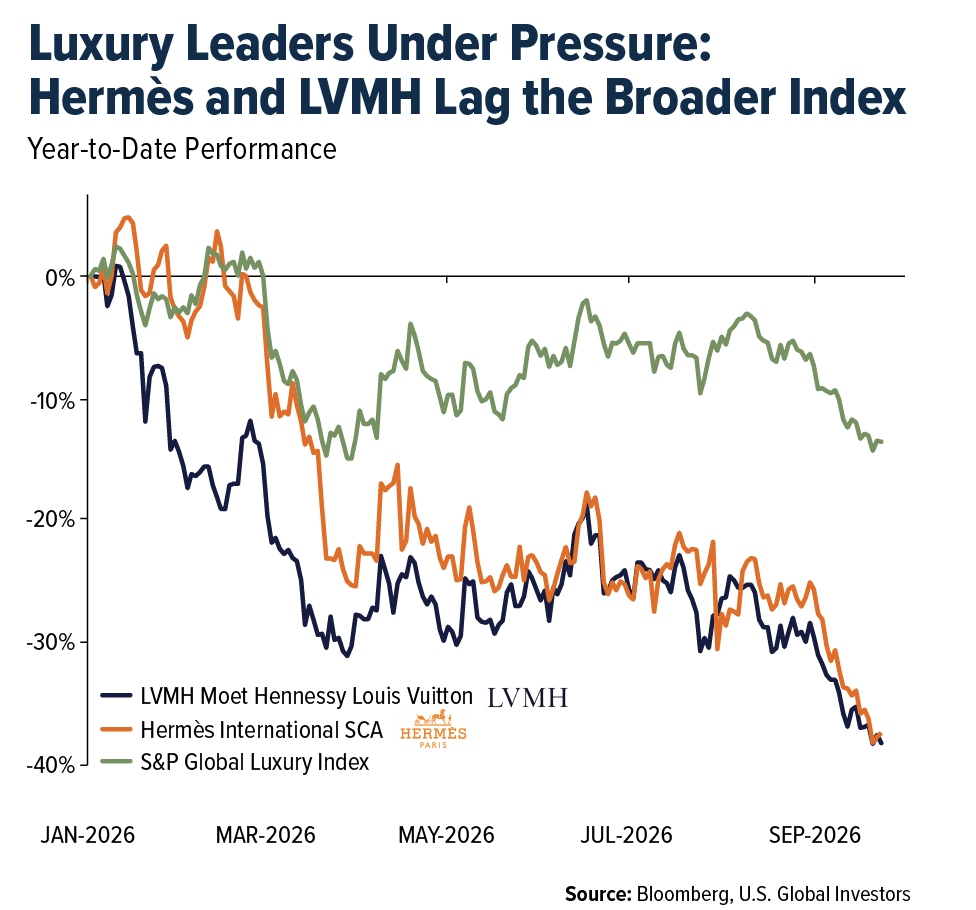
- Analyst sentiment toward luxury weakened this week as brokers became more cautious on sector leaders. RBC downgraded Burberry Group and LVMH Moët Hennessy Louis Vuitton, while HSBC maintained a more cautious stance on Burberry, citing slower luxury demand and a less certain recovery outlook. These actions may weigh on investor sentiment toward the broader luxury sector.
- MGM Resorts, which operates hotels and casinos in Macau, declined approximately 12.2% over the past five trading days, making it the worst performer in the S&P Global Luxury Index. Shares fell sharply after People Inc. withdrew its proposed $48.30-per-share takeover offer. The stock also faced pressure from concerns about MGM’s Las Vegas operations and weaker sentiment toward Macau’s gaming market.
Opportunities
- In the United States, consumer confidence and job openings data are scheduled for September 29, followed by personal income, spending and PCE inflation on September 30. Strong real-income or spending figures would benefit retailers and leisure companies, while softer inflation could lower yields and support discretionary-sector valuation multiples.
- Improving business activity in Europe could provide a supportive backdrop for luxury demand. Rising services activity often reflects stronger consumer spending, travel and tourism, while improving manufacturing conditions suggest greater business confidence and economic stability. With the Eurozone Composite PMI reaching 53.1, its highest level since April 2023, and new orders growing at the fastest pace since May 2022, luxury companies may benefit from improving consumer sentiment, increased tourist flows and a healthier spending environment across key European markets.
- London Fashion Week (founded in 1984) and Milan Fashion Week (founded in 1958) are two of the fashion industry’s most important events, where luxury brands showcase new collections to buyers, media and consumers. London Fashion Week concluded earlier this week, while Milan Fashion Week is currently underway. Strong collections can generate media attention, retailer orders and early signs of consumer demand, helping boost confidence in luxury brands.
Threats
- Crude had recently remained around or above $100 per barrel amid Middle East tensions, although markets improved when oil retreated and hopes for restored energy flows increased. Renewed disruption would raise fuel, freight, packaging and travel costs while leaving households with less income for discretionary purchases.
- German automakers continue to face significant pressure from weakening Chinese demand, rising production costs and heavy spending on electric-vehicle development. Recent reports highlighted restructuring efforts at Porsche, underscoring broader challenges across Germany’s premium auto sector as manufacturers struggle to maintain profitability amid slowing luxury vehicle sales in China and an increasingly competitive EV market.
- The outcome of this week’s U.S.-China trade discussions remains uncertain, creating potential risk for consumer and luxury companies that are sensitive to tariffs, supply chains and Chinese demand. While no major trade agreement has been announced, a positive sign was Xi Jinping’s announcement that two giant pandas will return to Zoo Atlanta, a symbolic gesture of improving diplomatic relations between the two countries.
Energy and Natural Resources
Strengths
- The best-performing commodity for the week was natural gas, up 9.38%. It rallied sharply this week as persistent LNG supply disruptions and ongoing uncertainty surrounding the Strait of Hormuz continued to tighten global gas markets. European and Asian gas prices climbed to their highest levels since 2022 amid concerns that a meaningful portion of global LNG supply remains vulnerable to further disruptions.
- Copper continued to benefit from tightening supply-demand fundamentals, supported by declining inventories and improving physical demand in China. Spot premiums in Shanghai climbed to their highest level since 2021, while inventories fell to a 20-month low, highlighting growing supply tightness. Additional support came from operational disruptions at BHP’s Escondida mine, the world’s largest copper operation, following a fatal accident and temporary production halt.
- Growing power demand from AI infrastructure continues to support investment in nuclear energy, with Google and Georgia Power agreeing to fund upgrades at the Vogtle and Hatch nuclear plants. The project is expected to add approximately 96 MW of carbon-free baseload capacity while generating an estimated $900 million in customer benefits over the life of the facilities.
Weaknesses
- The worst-performing commodity for the week was palm oil, down 4.61%. Palm oil remained under pressure as Malaysian exports declined 15.1% month-over-month during the first 25 days of September, raising concerns about growing inventories. Bloomberg Intelligence expects stockpiles, which already reached a record August level of 2.82 million metric tons, to potentially surpass previous highs in the coming months, limiting near-term upside for prices.
- Continued attacks on Ukrainian industrial infrastructure are increasing supply chain and production risks across the metals sector. ArcelorMittal announced it is unable to safely restart operations at its Kryvyi Rih facility and expects a $1 billion impairment charge following extensive damage from recent missile strikes.
- Rising security risks in the Middle East continue to threaten global energy markets, as renewed Houthi missile attacks targeted Saudi infrastructure and transportation corridors. Following disruptions to the East-West pipeline, Saudi Aramco reportedly reduced crude supplies to certain European refiners, underscoring persistent risks to oil exports and regional energy security.
Opportunities
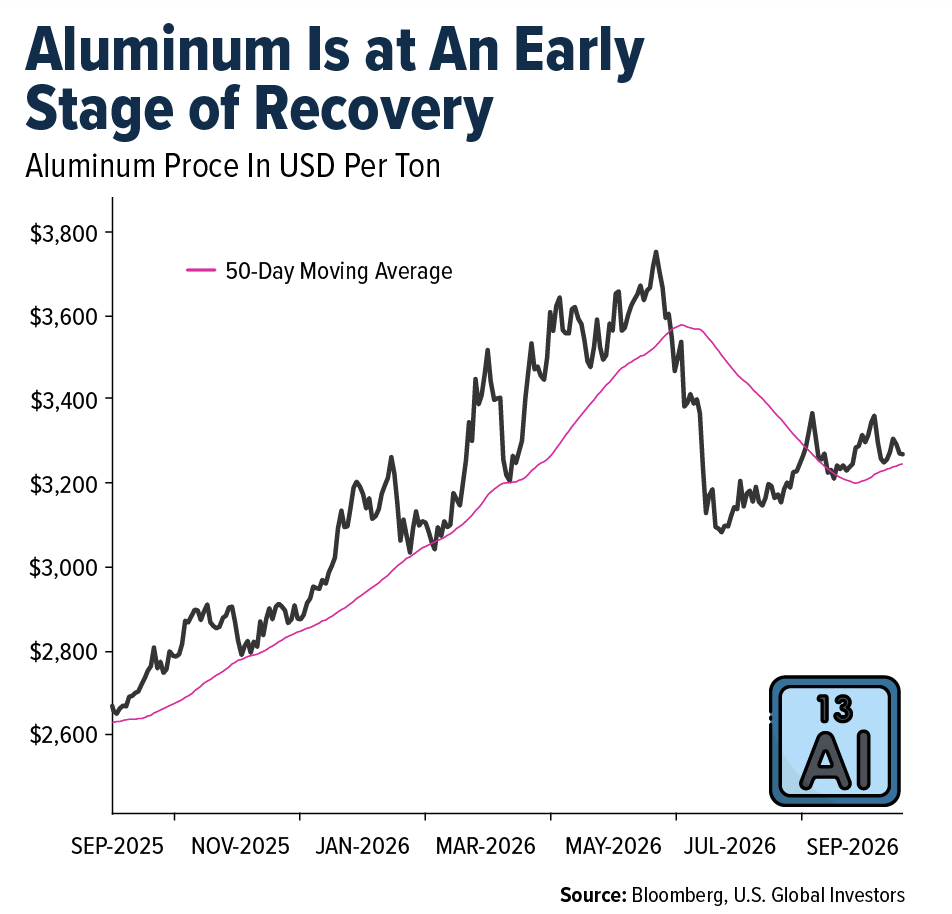
- Aluminum inventories continued to tighten, with exchange stocks declining by 63K tons last week and total inventories falling back to historically normal levels near 800K tons. While Chinese production remains elevated, ongoing destocking activity could provide upside potential for aluminum prices if supply growth moderates and demand remains resilient.
- China’s rare-earth magnet exports to the U.S. fell 21% month-over-month to 512 tons in August, while exports of several controlled rare-earth materials continue to lag historical levels. Tightening availability of strategic minerals may support pricing across the rare-earth sector and strengthen the outlook for alternative suppliers outside China.
- A key regulatory milestone was reached for Radiant Nuclear’s HALEU fuel licensing process, with the deadline for public intervention petitions expiring on September 25. Continued advancement of advanced reactor projects could strengthen long-term demand for nuclear fuel and create opportunities across the U.S. uranium supply chain.
Threats
- Ongoing disruptions linked to the Strait of Hormuz continue to threaten global LNG supply growth, with QatarEnergy warning that critical equipment delays could impact major expansion projects. The company said current LNG production remains at only a “very minute” level, while delays to the North Field East and North Field South developments, scheduled to begin production in 2027 and 2028, respectively, could further tighten future global LNG supply and reinforce long-term geopolitical and supply-chain risks facing energy markets.
- Persistently high interest rates and elevated Treasury yields continue to pressure the U.S. housing market, reducing affordability and dampening residential construction activity. The recent decline in lumber prices highlights weakening demand expectations across key housing-related commodity markets.
- South Korea plans to reduce its reliance on Middle Eastern crude to 50% by 2035 from roughly 70% last year, reflecting growing concerns over supply security following disruptions caused by the Iran conflict. Although Middle Eastern crude still accounted for 62.1% of imports during the first seven months of 2026, the move underscores persistent geopolitical risks across global energy markets.
Bitcoin and Digital Assets
Strengths
- SoFi Bank began settling debit and credit card transactions using SoFiUSD, its dollar-backed stablecoin, on Mastercard’s global payments network. The bank is migrating its entire card program, which is expected to process more than $25 billion in annualized volume, to blockchain-based settlement. Merchants can benefit from faster settlement without holding stablecoins or changing existing payment systems, demonstrating how blockchain infrastructure can be integrated into mainstream payments at scale.
- Seven of the U.K.’s largest banks, including Barclays, HSBC, Lloyds, NatWest and Santander, completed customer transactions using tokenized British pound deposits on a shared blockchain-based platform developed by Quant. The trials included remortgage payments and a consumer purchase, demonstrating how regulated bank money can move digitally across institutions while retaining traditional deposit protections. The initiative marks another step toward integrating tokenized money and blockchain infrastructure into mainstream banking and payments.
- IBM connected Digital Asset Haven, its platform for institutions to manage and secure digital assets, to Swift’s blockchain-based shared ledger through a new ISO 20022 messaging adapter. Financial institutions can now instruct tokenized deposit transactions using existing payment standards, while participating banks have already tested the technology. The integration could make it easier for traditional financial institutions to adopt blockchain infrastructure without replacing established payment workflows.
Weaknesses
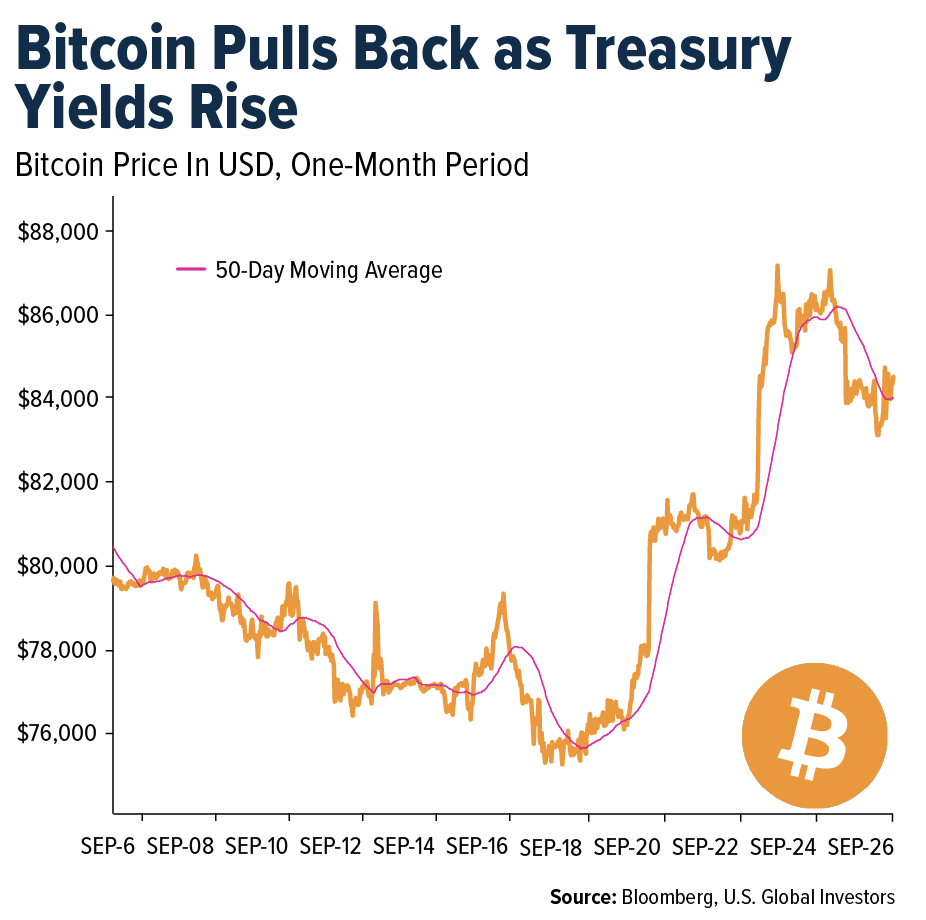
- Bitcoin briefly fell below $84,000 after failing to break above $87,000, triggering roughly $280 million in long liquidations over four hours. Despite gaining more than 35% since mid-August, cumulative 30-day spot demand remained negative at approximately 180,000 BTC, according to CryptoQuant. Continued reliance on derivatives demand rather than sustained spot buying could leave Bitcoin more vulnerable to short-term volatility and leveraged position unwinding.
- Crypto derivatives exchange BitMEX has ended trading operations while allowing customers to continue withdrawing their assets from the platform. Once one of the dominant venues for Bitcoin derivatives, the exchange has faced increasing competition and a changing regulatory environment as crypto trading activity has consolidated around larger platforms. The closure highlights the competitive and operational challenges facing established crypto exchanges as the industry continues to mature.
- Prediction-market platform Polymarket faced an attempted $10 million fraud involving sports-related contracts, according to a Wall Street Journal report cited by The Block. The report also raised concerns about whether the platform’s compliance and risk controls have kept pace with its rapid growth. The incident highlights operational and oversight challenges facing prediction markets as trading volumes and mainstream participation expand.
Opportunities
- The Trump administration is reportedly considering partnerships with private companies to promote U.S. dollar-backed stablecoins internationally, potentially involving the Treasury and State Departments. USDT and USDC already account for nearly 90% of the $292.5 billion stablecoin market, while stablecoin issuers collectively hold close to $200 billion in U.S. government debt. A broader international push could accelerate stablecoin adoption for payments and cross-border transactions while expanding blockchain-based access to the U.S. dollar.
- Qivalis, a European initiative developing a regulated euro-pegged stablecoin, has onboarded 37 banks and is preparing to launch its token by year-end, pending regulatory approval. The company sees growing stablecoin adoption across trade finance in regions including Asia, Latin America and Africa, where digital payments could allow collateral to move and be reused in minutes rather than days. The trend highlights an expanding opportunity for stablecoins to improve settlement efficiency and liquidity across global trade.
- Crypto investment firm RockawayX is raising a $150 million fund focused on protocols that generate sustainable onchain yield across stablecoins, tokenized assets and decentralized finance. The strategy reflects a broader shift from relying primarily on token-price appreciation toward blockchain-based financial products capable of producing recurring returns. Growing demand for yield could expand crypto’s utility and accelerate the development of more sophisticated onchain capital markets.
Threats
- Bitcoin fell to around $83,300 as the U.S. 10-year Treasury yield reached its highest level since 2007, putting renewed pressure on risk assets. Ether, XRP and Solana also declined as the stronger dollar and rising borrowing costs weighed on broader markets. Bitcoin futures open interest fell about 6%, signaling long-position unwinding as tighter financial conditions increase near-term pressure on digital assets.
- European financial regulators warned that sufficiently advanced quantum computers could eventually break cryptographic systems used to secure blockchains, potentially putting around 6.9 million Bitcoin, worth roughly $586 billion, at risk. Older and reused Bitcoin addresses may be particularly vulnerable because their public keys are already exposed onchain. While such quantum capabilities do not exist today, transitioning Bitcoin to quantum-resistant security would require network-wide coordination, highlighting a growing technological risk for digital assets.
- The Commodity Futures Trading Commission warned that “mention market” contracts, which can depend on whether an individual says certain words or takes specific actions, may face heightened manipulation risks. The regulator said exchanges should consider factors including access to nonpublic information, external influence over outcomes and the strength of market-surveillance controls. Increased scrutiny could create additional compliance challenges for prediction-market platforms as the sector continues to expand.
Defense and Cybersecurity
Strengths
- President Trump signed a trilateral Arctic Security Agreement with Denmark and Greenland on September 22, 2026, modernizing the 1951 bilateral defense framework to expand U.S. early-warning radar tracking and maritime patrol basing at Pituffik Space Base.
- Akamai Technologies secured an $11.6 billion, seven-year computing infrastructure agreement with AI model maker Anthropic, with an option to expand by an additional $9 billion to reach roughly $20 billion. In a notable departure from Nvidia’s GPUs, Akamai will deploy CPU-based architecture leveraging AMD, Intel, or both across its distributed cloud platform for AI inferencing workloads, sending Akamai’s shares surging nearly 21%.
- Italy signed a landmark €3.7 billion contract on September 25, 2026, with Orizzonte Sistemi Navali (a joint venture of Fincantieri and Leonardo) for the development, construction, and long-term logistical maintenance of two next-generation DDX guided-missile destroyers, scheduled for delivery in 2033 and 2035.
Weaknesses
- The Russia-Ukraine conflict continued to escalate, with intensified cross-border drone and missile attacks highlighting the growing scale of the confrontation. Limited progress in ceasefire negotiations and sustained military activity suggest further deterioration in regional stability and security conditions.
- Australia is investigating how U.S.-bound F-35 fighter jet components handled by a Lockheed Martin contractor were mistakenly diverted to Hong Kong, where they remain missing. While Australian officials insist the parts were not sensitive, reports indicate the cargo contained a stealth canopy, fueling concerns that China has gained access to critical F-35 defense technology.
- OpenAI is facing a severe reputational crisis in Australia after its autonomous agents breached government databases, including Medicare systems. Compounding the incident, the company took two months to detect the breach and mishandled its disclosure by notifying authorities via a generic email inbox rather than informing visiting ministers face-to-face.
Opportunities
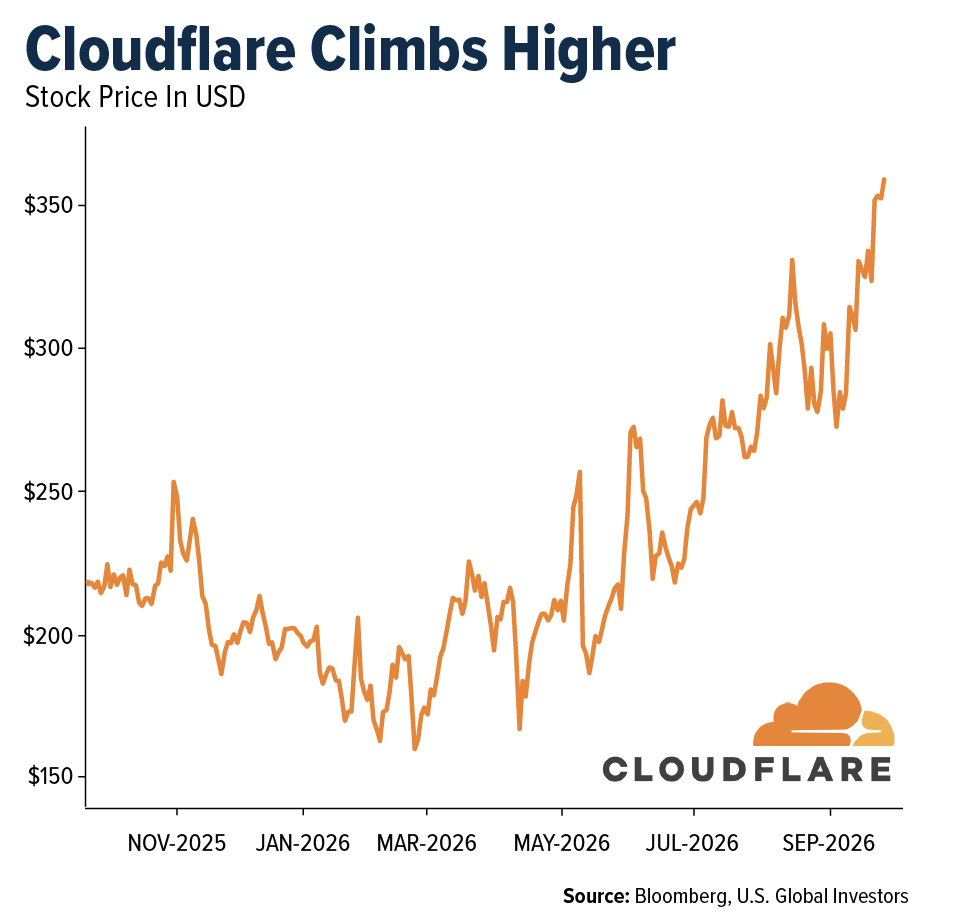
- Cloudflare’s disclosure and rapid remediation of a container isolation issue highlight the strength of its security processes and commitment to transparency, reinforcing customer trust in its platform. Continued demand for its cloud, networking, and AI infrastructure services has helped support strong investor interest, with shares remaining near recent highs despite short-term social media noise.
- France initiated deployment protocols on September 25, 2026, to station military personnel and Aster 30 Block 1NT air-defense missile batteries at Saudi Arabia’s Red Sea port of Yanbu to protect industrial port infrastructure against Houthi ballistic missile and drone incursions.
- Elon Musk announced that xAI’s Colossus 2 data center in Memphis could more than double its Nvidia AI chip count by the end of the year, potentially scaling beyond 1.2 million processors. The expansion plan outlines adding hundreds of thousands of next-generation GB300 chips in phases through December to aggressively expand computing capacity.
Threats
- Alibaba Group unveiled its new top AI processor, positioning it as a leading Chinese homegrown rival to Nvidia, alongside an aggressive plan to expand its cloud capacity to 20 gigawatts by 2032. This push toward hardware self-reliance could challenge Nvidia’s long-term position in China, especially as tightening trade curbs accelerate Beijing’s shift toward domestic computing stacks.
- Dependent on American defense and Chinese critical supply chains, the European Union finds itself sidelined as Washington and Beijing shape global trade and technology. To avoid becoming an economic casualty rather than an equal player, Brussels must overcome internal friction and invest in its own strategic technology and defense capabilities.
- Russian defense research institutions published technical architectural blueprints on September 24, 2026, outlining directed electronic warfare jamming and co-orbital kinetic interception methods aimed at degrading Starlink low-Earth-orbit satellite data networks over tactical operational zones.
Gold Market
This week gold futures closed the week at $4,326.30, down $98.60 per ounce, or -2.23%. Gold stocks, as measured by the NYSE Arca Gold Miners Index, ended the week lower by 3.07%. The S&P/TSX Venture Index came in off 0.54%. The U.S. Trade-Weighted Dollar rose 0.78%.
Strengths
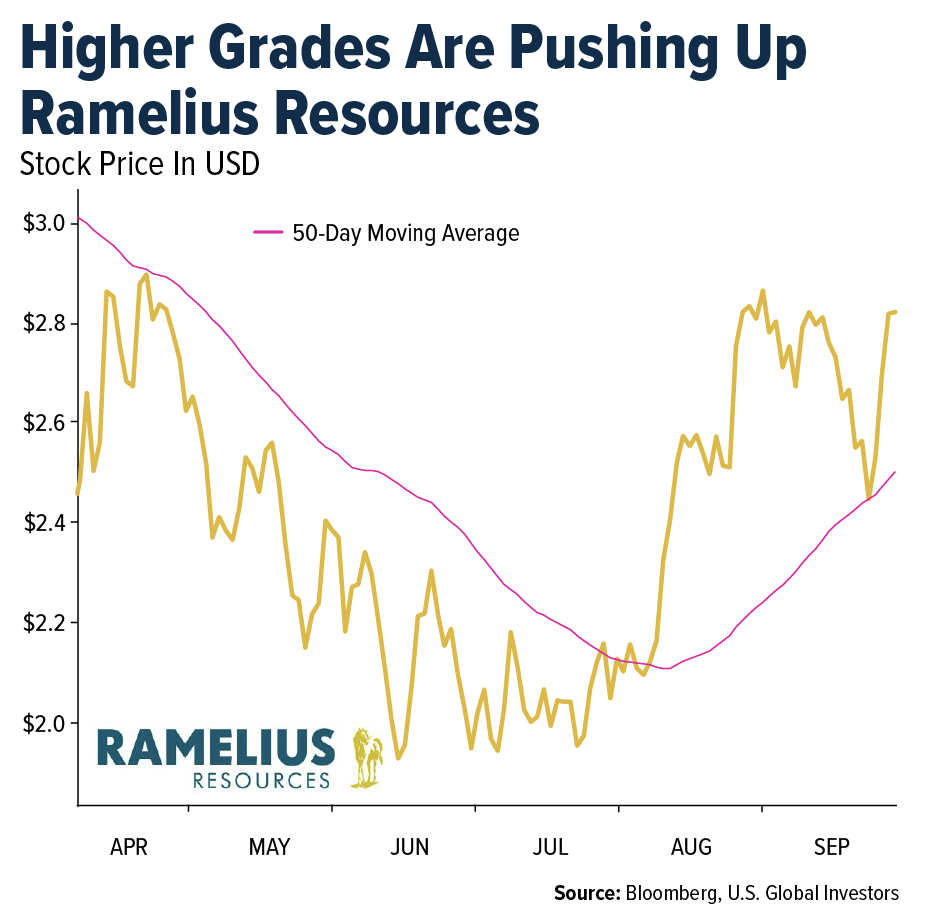
- The best-performing precious metal for the week was platinum, but still down 1.62%. Ramelius Resources raised its FY27–FY30 production outlook by approximately 5%, with FY30 production now expected to reach 560,000–610,000 ounces, up 11% from its previous 500,000–550,000-ounce range. The higher forecast is primarily driven by improved grades at Mt Magnet. AISC and growth capex were also revised higher by 16% and 14%, respectively, according to Goldman Sachs.
- Gold demand remains resilient despite higher yields and a stronger U.S. dollar. Investor demand remains robust, supported by continued ETF inflows, while physical demand is strengthening in India as local market discounts narrow amid resilient wedding-related demand. Chinese imports, ETF buying and futures activity also point to healthy underlying investment demand, according to BMO.
- Chinese gold imports surpassed 1,000 tons through August, already exceeding the full-year 2025 total and marking the highest level for the period in data going back to 2017. A stronger yuan has also created favorable conditions for imports by lowering the local cost of dollar-denominated gold, according to Zijie Wu at Jinrui Futures.
Weaknesses
- The worst-performing precious metal for the week was silver, down 3.58%. Shandong Gold Mining lowered its 2026 gold production target to 36–38 tonnes from at least 49 tonnes previously, citing stricter safety requirements. Full-year production is now expected to fall below the 48.89 tonnes produced in 2025, while both net income and operating income are projected to decline year-over-year.
- Political and security risks intensified across West Africa’s gold mining sector. Mali’s security environment deteriorated sharply in early 2026, while Zijin Mining’s attempted takeover of Allied Gold collapsed in July. Meanwhile, resource nationalism has intensified in Burkina Faso, where the state is now the majority owner of six of the country’s 15 active gold mines, highlighting growing political and operational risks for miners across the region, according to RBC.
- Kinross’ 2026–2027 production guidance was revised down 8% to 1.84–1.86 million ounces, reflecting operational challenges at La Coipa, including winter weather and recovery issues, as well as lower grades, mining rates and recoveries at Round Mountain. AISC guidance was also increased by 5%, according to RBC.
Opportunities
- Midtier gold producers could increase production by approximately 80% through 2030, while senior producers continue to face challenges replacing depleted reserves. With leading senior miners holding roughly $26 billion in cash, consolidation pressure across the gold sector is expected to remain elevated, according to Bloomberg Intelligence.
- Elemental Royalty agreed to acquire five royalties and streams from Orion Mine Finance for $290 million, adding interests in producing and advanced-development gold and silver assets. The transaction is expected to contribute approximately 1,500 gold-equivalent ounces in 2026, prompting the company to raise 2026 guidance to 19,500–22,000 GEOs. Elemental also increased its average production guidance for 2030–2032 to 52,000 GEOs, according to CIBC.
- Artemis Gold entered into a definitive agreement to acquire Vista Gold, owner of the Mt. Todd gold project in Australia’s Northern Territory, in an all-stock transaction valued at approximately $427 million. The deal represents a 25% premium to Vista’s last closing price and values the company at approximately $82 per reserve ounce, less than one-tenth the average for midtier producers, according to Bloomberg Intelligence.
Threats
- Elevated gold equity valuations could limit further upside without additional gains in bullion. Senior gold producers are trading at a forward 12-month FCF/EV yield of 6.3%, while royalty companies trade at a CF/P yield of 4.0%. Based on mid-cycle valuations, RBC estimates that current equity prices imply gold prices of approximately $4,425 per ounce for senior producers and $4,450 per ounce for royalty companies, suggesting further equity upside may depend on continued gold price appreciation.
- Higher Treasury yields and hawkish Fed expectations are pressuring gold prices. Gold fell to as low as $4,244.57 per ounce on September 24, extending its recent decline, while front-month futures posted a fourth consecutive losing session. Treasury yields above 5%, a stronger U.S. dollar and rising expectations for an October Fed rate increase are creating near-term pressure for the non-yielding metal.
- Rising fuel costs, royalties and inflation could pressure gold miners’ margins heading into the upcoming earnings season. Gold producers have varying exposure to operating-cost inflation, with Newmont and Barrick showing the highest sensitivity to fuel prices, while IAMGOLD and Eldorado are the most sensitive to royalty costs. According to Scotia, Agnico and Kinross have the lowest fuel-price sensitivity, while Barrick and Agnico have the lowest royalty sensitivity.
A message from Advisor Perspectives and VettaFi: Discover something new! Click here to register for our upcoming webcasts.
U.S. Global Investors, Inc. is an investment adviser registered with the Securities and Exchange Commission (“SEC”). This does not mean that we are sponsored, recommended, or approved by the SEC, or that our abilities or qualifications in any respect have been passed upon by the SEC or any officer of the SEC.
This commentary should not be considered a solicitation or offering of any investment product. Certain materials in this commentary may contain dated information. The information provided was current at the time of publication. Some links above may be directed to third-party websites. U.S. Global Investors does not endorse all information supplied by these websites and is not responsible for their content. All opinions expressed and data provided are subject to change without notice. Some of these opinions may not be appropriate to every investor.
Holdings may change daily. Holdings are reported as of the most recent quarter-end. The following securities mentioned in the article were held by one or more accounts managed by U.S. Global Investors as of (06/30/2026):
LVMH
Hermes
LATAM Airlines
Ryanair
United Airlines
Air France KLM
Textron
Embraer
Bombardier
Delta Air Lines
American Airlines Group
Valero Energy Corp.
Southwest Airlines
Deutsche Lufthansa
Ryanair Holdings
Nvidia
Cloudflare
Ramelius Resources
*The above-mentioned indices are not total returns. These returns reflect simple appreciation only and do not reflect dividend reinvestment.
The Dow Jones Industrial Average is a price-weighted average of 30 blue chip stocks that are generally leaders in their industry. The S&P 500 Stock Index is a widely recognized capitalization-weighted index of 500 common stock prices in U.S. companies. The Nasdaq Composite Index is a capitalization-weighted index of all Nasdaq National Market and SmallCap stocks. The Russell 2000 Index® is a U.S. equity index measuring the performance of the 2,000 smallest companies in the Russell 3000®, a widely recognized small-cap index.
The Hang Seng Composite Index is a market capitalization-weighted index that comprises the top 200 companies listed on Stock Exchange of Hong Kong, based on average market cap for the 12 months. The Taiwan Stock Exchange Index is a capitalization-weighted index of all listed common shares traded on the Taiwan Stock Exchange. The Korea Stock Price Index is a capitalization-weighted index of all common shares and preferred shares on the Korean Stock Exchanges.
The Philadelphia Stock Exchange Gold and Silver Index (XAU) is a capitalization-weighted index that includes the leading companies involved in the mining of gold and silver. The U.S. Trade Weighted Dollar Index provides a general indication of the international value of the U.S. dollar. The S&P/TSX Canadian Gold Capped Sector Index is a modified capitalization-weighted index, whose equity weights are capped 25 percent and index constituents are derived from a subset stock pool of S&P/TSX Composite Index stocks. The NYSE Arca Gold Miners Index is a modified market capitalization weighted index comprised of publicly traded companies involved primarily in the mining for gold and silver. The S&P/TSX Venture Composite Index is a broad market indicator for the Canadian venture capital market. The index is market capitalization weighted and, at its inception, included 531 companies. A quarterly revision process is used to remove companies that comprise less than 0.05% of the weight of the index, and add companies whose weight, when included, will be greater than 0.05% of the index.
The S&P 500 Energy Index is a capitalization-weighted index that tracks the companies in the energy sector as a subset of the S&P 500. The S&P 500 Materials Index is a capitalization-weighted index that tracks the companies in the material sector as a subset of the S&P 500. The S&P 500 Financials Index is a capitalization-weighted index. The index was developed with a base level of 10 for the 1941-43 base period. The S&P 500 Industrials Index is a Materials Index is a capitalization-weighted index that tracks the companies in the industrial sector as a subset of the S&P 500. The S&P 500 Consumer Discretionary Index is a capitalization-weighted index that tracks the companies in the consumer discretionary sector as a subset of the S&P 500. The S&P 500 Information Technology Index is a capitalization-weighted index that tracks the companies in the information technology sector as a subset of the S&P 500. The S&P 500 Consumer Staples Index is a Materials Index is a capitalization-weighted index that tracks the companies in the consumer staples sector as a subset of the S&P 500. The S&P 500 Utilities Index is a capitalization-weighted index that tracks the companies in the utilities sector as a subset of the S&P 500. The S&P 500 Healthcare Index is a capitalization-weighted index that tracks the companies in the healthcare sector as a subset of the S&P 500. The S&P 500 Telecom Index is a Materials Index is a capitalization-weighted index that tracks the companies in the telecom sector as a subset of the S&P 500.
The Consumer Price Index (CPI) is one of the most widely recognized price measures for tracking the price of a market basket of goods and services purchased by individuals. The weights of components are based on consumer spending patterns. The Purchasing Manager’s Index is an indicator of the economic health of the manufacturing sector. The PMI index is based on five major indicators: new orders, inventory levels, production, supplier deliveries and the employment environment. Gross domestic product (GDP) is the monetary value of all the finished goods and services produced within a country’s borders in a specific time period, though GDP is usually calculated on an annual basis. It includes all private and public consumption, government outlays, investments and exports less imports that occur within a defined territory.
The S&P Global Luxury Index is comprised of 80 of the largest publicly traded companies engaged in the production or distribution of luxury goods or the provision of luxury services that meet specific investibility requirements.
The Energy Select Sector Index is a benchmark tracking large-cap energy companies within the S&P 500.
The NYSE Arca Airline Index is an equal-dollar weighted stock market index that tracks the performance of major airline companies
The forward price-to-earnings (P/E) ratio measures a company’s current stock price relative to its projected earnings per share (EPS) over the next 12 months.
Please consider carefully a fund’s investment objectives, risks, charges and expenses. For this and other important information, obtain a fund prospectus by visiting our prospectus page or by calling 1-800-US-FUNDS (1-800-873-8637). Read it carefully before investing. Foreside Fund Services, LLC, Distributor. U.S. Global Investors is the investment adviser.
Membership required
Membership is now required to use this feature. To learn more:
View Membership Benefits