Artificial intelligence (AI) is doing some amazing things. One that I came across recently was a moderated discussion with the economist John Maynard Keynes, who died eighty years ago. The Keynes AI avatar speaks as if he is still with us.
Keynes’ influence is still very much alive. As one point of evidence, Robert Hall of Stanford University and Michael Woodford of Columbia University, champions of what is now known as “The New Keynesian Theory,” were recognized with this year’s Nobel Prize in Economics.
Keynes’ seminal work, “The General Theory of Employment, Interest and Money,” was published in the wake of the Great Depression. It attributed failures in the business cycle to gaps in aggregate demand. Keynes’ prescription for those situations was substantial government spending to get the private sector rolling again.
In the decades after the Second World War, Keynes’ theories and policy prescriptions were challenged. Excessive government spending can lead to inflation, and might necessitate higher taxes. If economic actors anticipate these developments (in a system described by rational expectations), their response to government stimulus will be muted and recessions will persist.
The New Keynesians began to chip away at models of the economy built on rational expectations. Consumers and businesses do form expectations, but they aren’t perfectly prescient. And rigidities within the economy can dampen adjustments in behavior. In this system, countercyclical policy (fiscal and monetary) can be used effectively to steer the business cycle.
See more: What a Less Dominant America Might Mean for Your Money
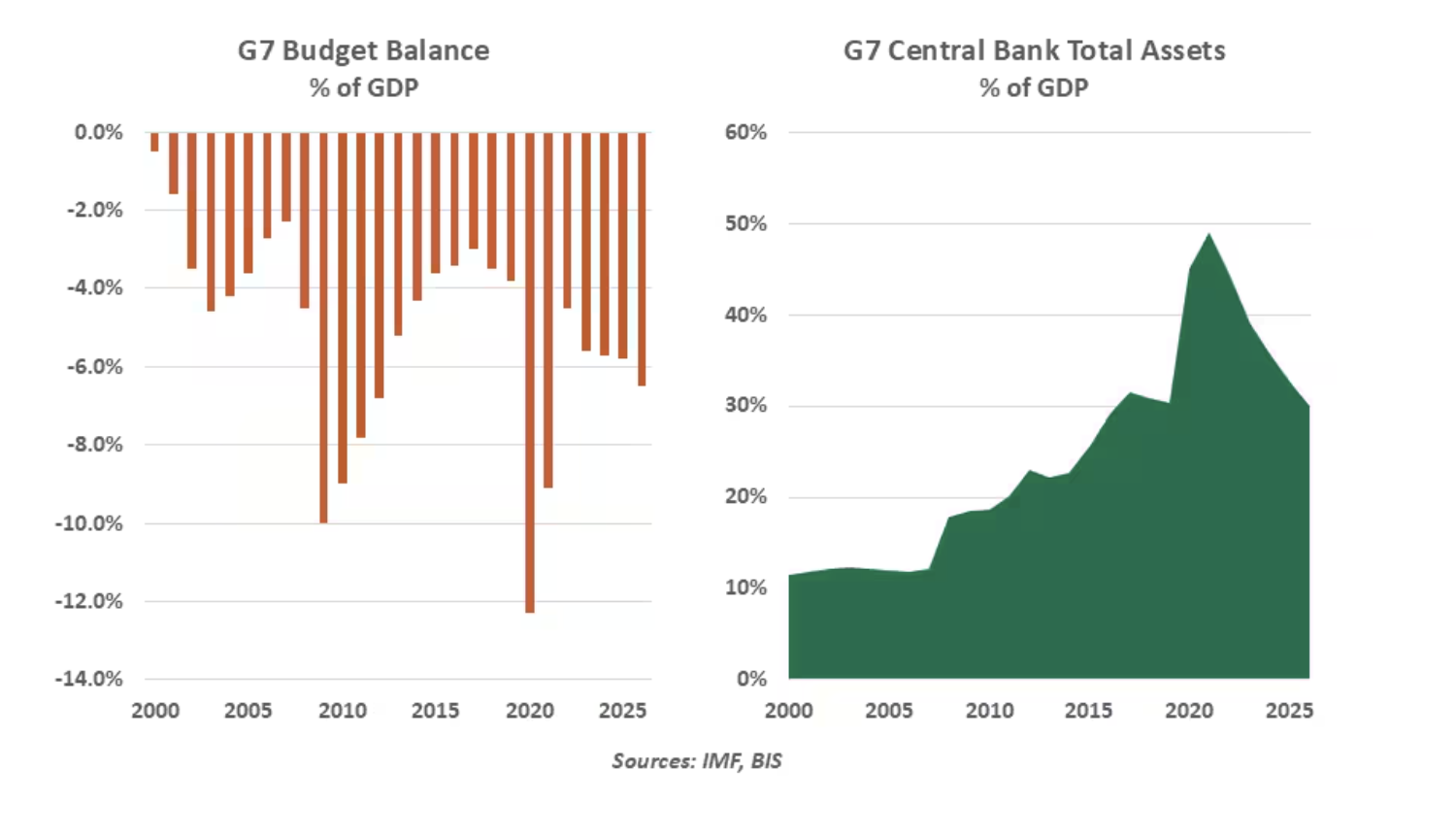
The research of Hall and Woodford has informed fiscal and monetary responses for more than 30 years. Its recommendations helped to stabilize conditions in 2008 and 2020. But the application of New Keynesian thinking has its critics. Governments and central banks around the world have struggled to normalize policy in the years after those episodes, leaving a legacy that may limit responses to future financial crises.
I suspect that Keynes would be very proud of what Hall and Woodford have accomplished. I have no doubt that his avatar could be programmed to say so.
Carl Tannenbaum is the Chief Economist for Northern Trust.
Information is not intended to be and should not be construed as an offer, solicitation or recommendation with respect to any transaction and should not be treated as legal advice, investment advice or tax advice. Under no circumstances should you rely upon this information as a substitute for obtaining specific legal or tax advice from your own professional legal or tax advisors. Information is subject to change based on market or other conditions and is not intended to influence your investment decisions.
© 2026 Northern Trust Corporation. Head Office: 50 South La Salle Street, Chicago, Illinois 60603 U.S.A. Incorporated with limited liability in the U.S. Products and services provided by subsidiaries of Northern Trust Corporation may vary in different markets and are offered in accordance with local regulation. For legal and regulatory information about individual market offices, visit northerntrust.com/terms-and-conditions.
A message from Advisor Perspectives and VettaFi: Discover something new! Click here to register for our upcoming webcasts.
© Northern Trust
Read more commentaries by Northern Trust