
I like to de-stress at day’s end by watching videos that relax me. Puppies and painters are among my favorite subjects. During election seasons, however, sharp-edged political ads precede the feature presentations, raising my anxiety. So I am very happy that the 2026 midterms are over.
Here are a few thoughts on the results, and what they will mean for the economy.
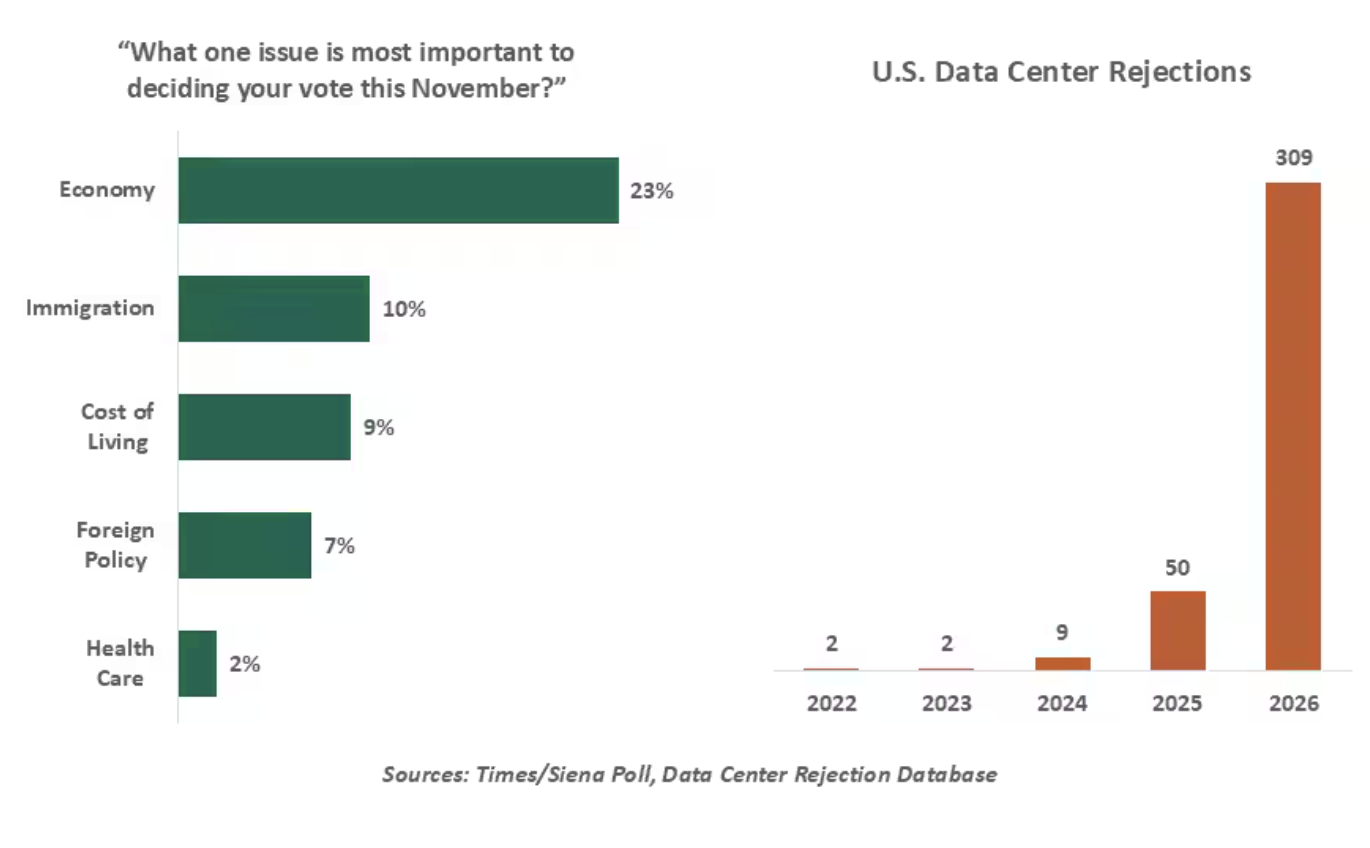
- Rising costs of living and the absence of broad-based prosperity were once again foremost on the minds of voters. The war in Iran, which has raised prices and drawn policy focus away from domestic issues, has disappointed the American electorate.
Inflation was one of the main issues that helped Republicans to victory in 2024. Unfortunately, there isn’t a great deal that the new Congress can do to contain inflation. Expect this to remain a central issue as the 2028 presidential campaign gets underway. - A key topic early in the next session will be the debt ceiling, which will be reached early next year. The new Congress may force the White House to accept the restoration of Medicare and SNAP spending and Affordable Care Act (ACA) subsidies as the price for approving new defense spending and raising the borrowing limit.

See more: After the Election: What Matters for Your Clients’ Portfolios
- Data centers were points of concern in some local races, with winning candidates calling for a moratorium on construction. The AI buildout is likely to proceed, but with more conditions to protect consumers from higher utility bills.
- The new Congress may not have much to say on trade: Democrats are not exactly anti tariff. But the tone within North America may improve, as poor trade relations with Canada are harming U.S. firms and raising U.S. inflation.
- The independence of the Federal Reserve should be more secure, as the incoming Senate will not approve nominees who are seen as overly close to the White House. The election does not change the outlook for higher interest rates, which are a function of inflation.
As we suggested prior to the election, divided government will prevent much policy change. Economic and market performance have typically been good under these conditions. But the United States has some hard policy choices to make, and they cannot be forever deferred.
Carl Tannenbaum is the Chief Economist for Northern Trust.
Information is not intended to be and should not be construed as an offer, solicitation or recommendation with respect to any transaction and should not be treated as legal advice, investment advice or tax advice. Under no circumstances should you rely upon this information as a substitute for obtaining specific legal or tax advice from your own professional legal or tax advisors. Information is subject to change based on market or other conditions and is not intended to influence your investment decisions.
© 2026 Northern Trust Corporation. Head Office: 50 South La Salle Street, Chicago, Illinois 60603 U.S.A. Incorporated with limited liability in the U.S. Products and services provided by subsidiaries of Northern Trust Corporation may vary in different markets and are offered in accordance with local regulation. For legal and regulatory information about individual market offices, visit northerntrust.com/terms-and-conditions.
