Skeptics of the artificial investment boom are doubling down. Billionaire Ray Dalio warned last week that the bubble was near its bursting point, while Michael Burry of the Big Short fame brought forward the timeline for his bearish thesis. SoftBank Group Corp. founder Masayoshi Son’s attempt to set up another $100 billion AI-focused venture capital fund will only give the doubters more ammunition.
Global bond yields have climbed to the highest levels in almost two decades, pushing up mortgage repayments and corporate financing costs. But one corner has remained unusually resilient: emerging markets.
Investors love an oligopoly. Imagine an industry dominated by a few large, long-standing players. They can earn outsized profits in boom times and avoid crashes thanks to rational capital spending. The existential questions, though, are whether these firms might turn on each other, and is the industry’s entry barrier high enough.
Meme mania swept through Wall Street in 2021. Retail investors gathered on social media and coordinated trading strategies to short squeeze high-profile hedge funds.
At first glance, the retreat of foreign asset managers is ominous. Signs of a domestic retail frenzy are everywhere. Cash deposits in local brokerage accounts have reached 137 trillion won ($91 billion), a two-third jump from six months ago.
The nothing-burger that came out of the Xi-Trump summit drove home a new reality for global investors. The NACHO trade, which stands for “not a chance Hormuz opens,” is on. Prospects of prolonged inflation have risen, sending global bond yields higher and the US dollar stronger.
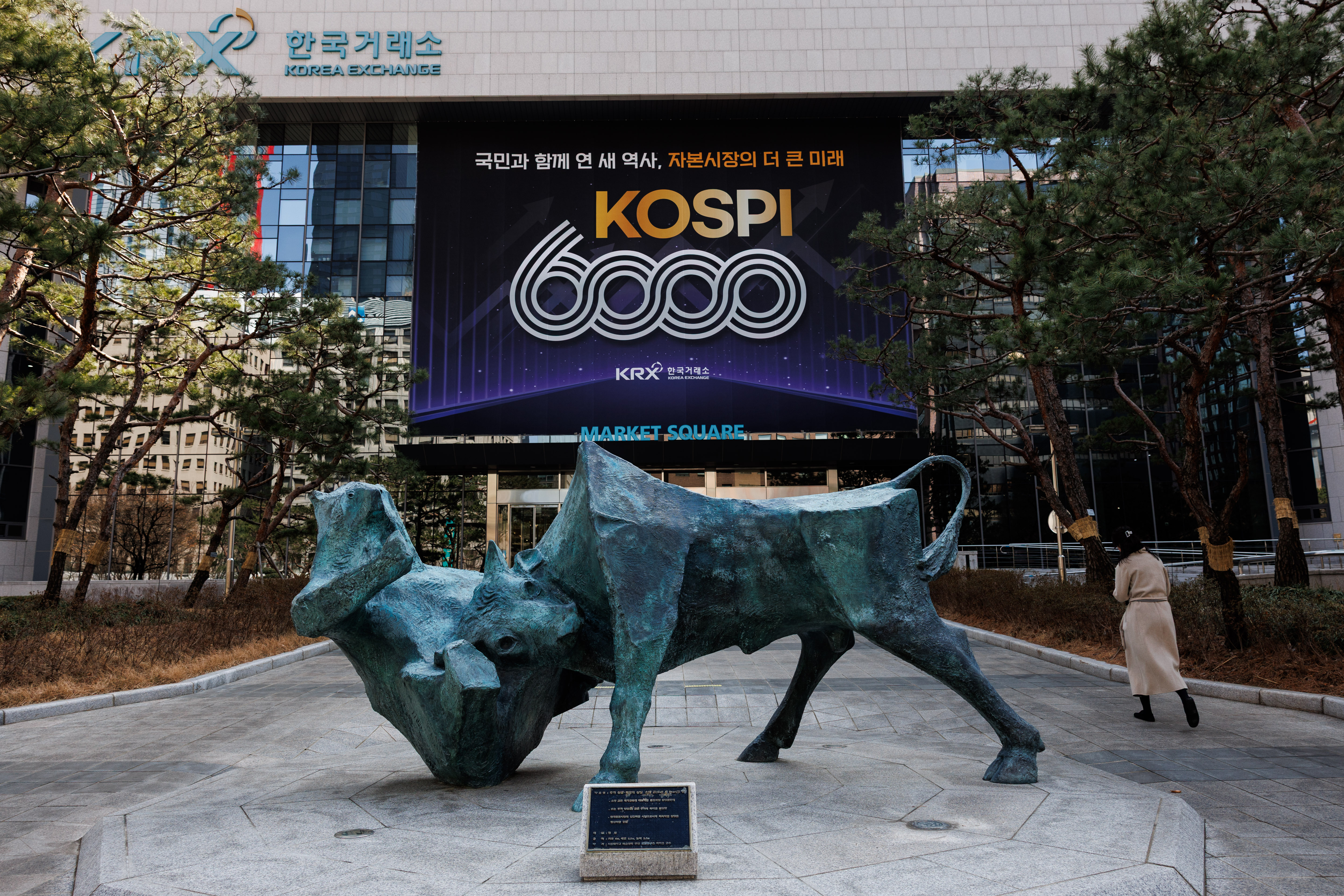
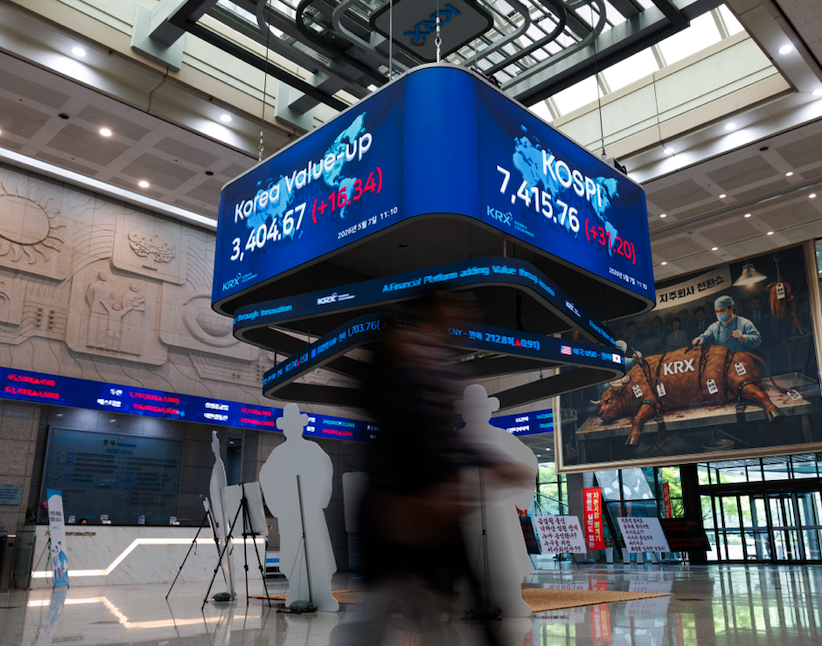
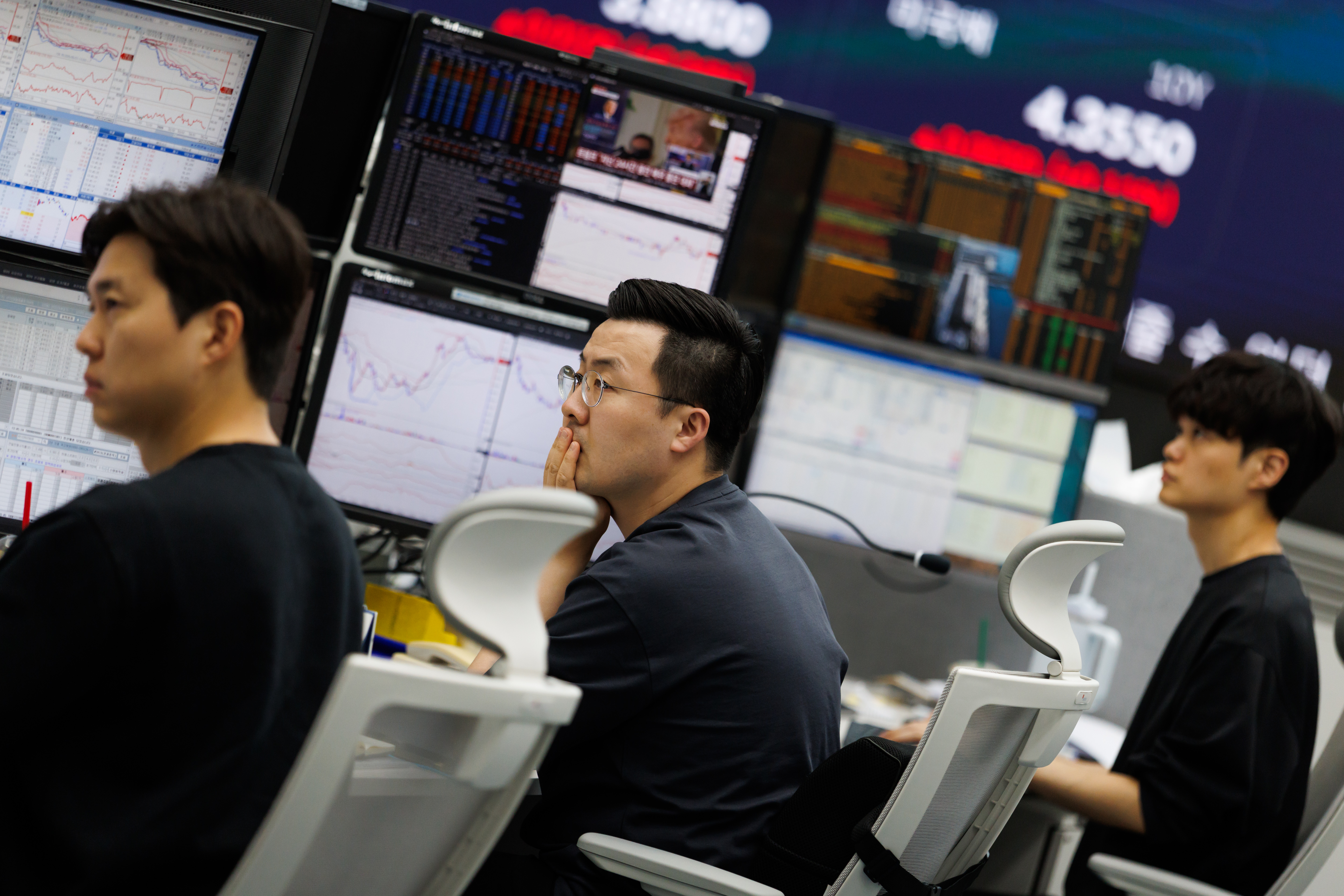
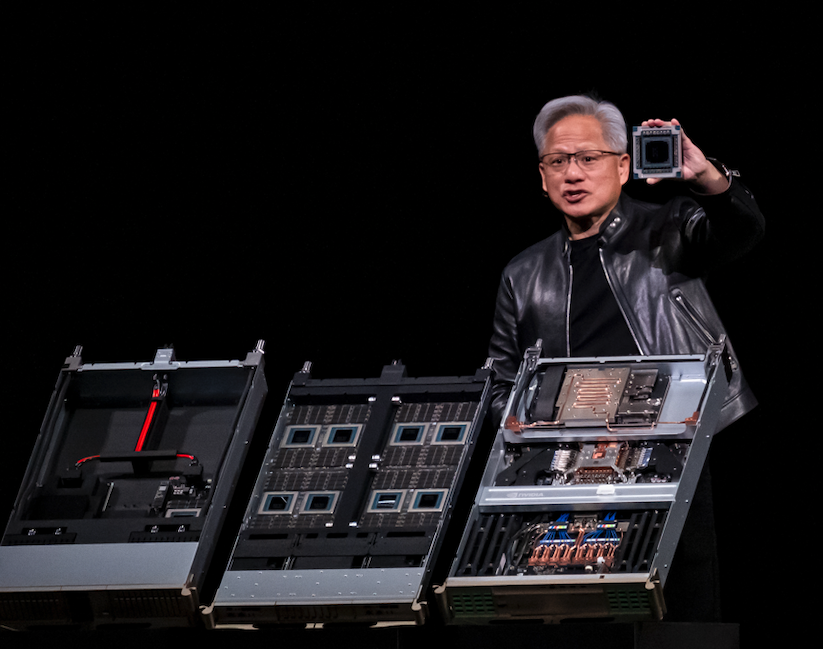
The chip industry seems to be the only game in town lately. The Philadelphia Semiconductor Index, known as the SOX, has risen 48% this year. Bourses in Taiwan, South Korea and Japan are riding the wave and hitting record highs, brushing away potential energy shocks from the military conflict over Iran.
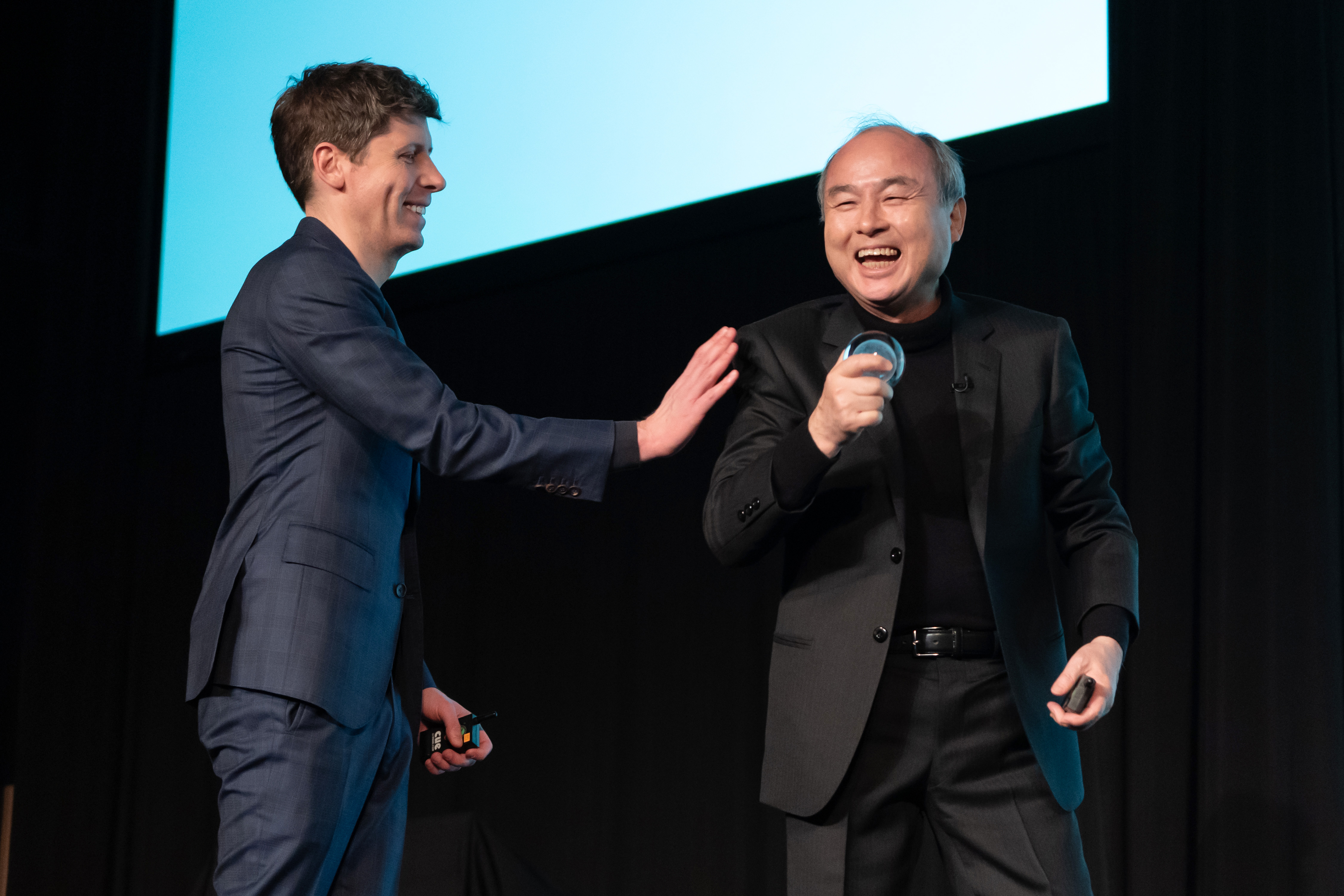
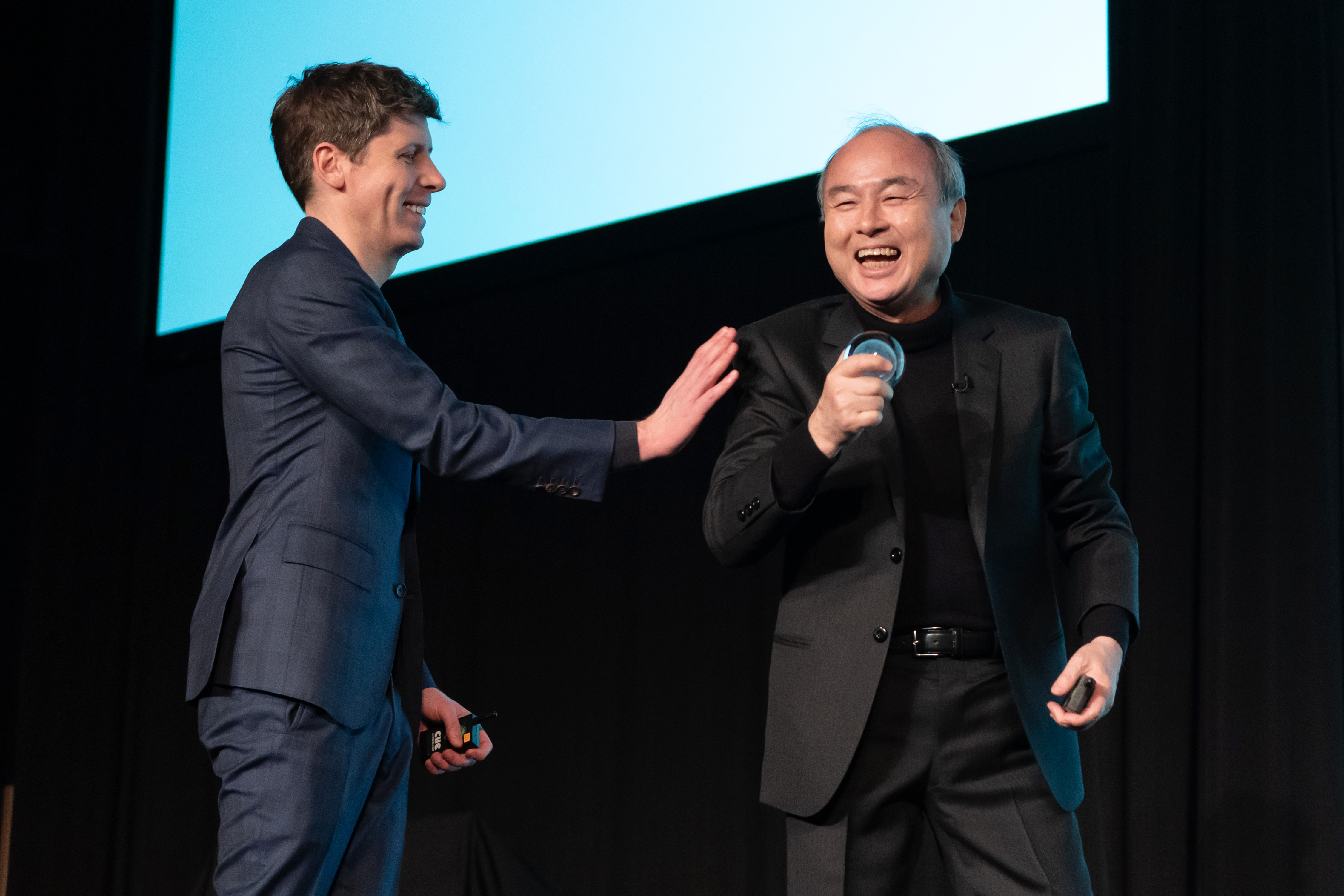
Would you buy OpenAI’s shares even though the transaction might expose you to a liquidity crunch? SoftBank Group Corp.’s founder Masayoshi Son did just that.
The Iran war has created a reshuffle in investing. High-flying tech companies are out while unloved old economy names are getting a second look.
The Iran war is challenging Japan’s safe-haven assets, once again forcing domestic investors to seek better returns abroad.
For more than a decade, emerging markets have been a heartbreak for those who place their faith in developing countries. Since 2010, the benchmark MSCI Emerging Markets Index has not outperformed its US counterpart for two consecutive years.
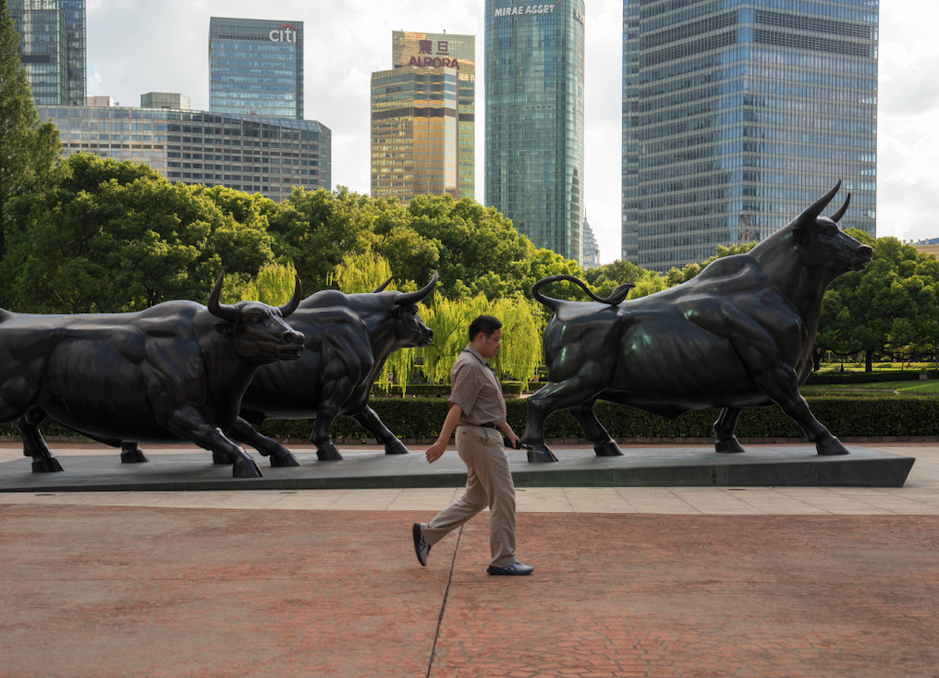
It turns out, the biggest financial victim of President Donald Trump’s decision to strike Iran is not the S&P 500, but equity markets across North Asia.
As investors digest the potential impact of artificial intelligence and debate whether this new technology will help or destroy existing businesses, a sharp divergence is occurring in global equities.
The $5 trillion hedge fund industry posted its best returns since the Global Financial Crisis last year, a welcoming reprieve for an asset class that has been overshadowed by the rise of private alternatives. Before declaring the worst is over however, boutique funds have one more myth to bust.
It’s been eight years since Venezuela stopped paying its debt. But traders are making a wager that the ouster of Nicolas Maduro will deliver windfalls to holders of the country’s $59 billion of bonds.
From an AI-fueled stock rally to China shaking off US tariff threats and earning a record trade surplus, 2025 was full of economic marvels. Don’t expect debates over innovation and economic disruptions to disappear in 2026.
As investors start to take sides in the AI race, Sam Altman’s buddies are getting burned.
With corporate bond spreads widening and Oracle Corp.’s credit default swap spiking to a multi-year high, Wall Street is getting worried that a flood of debt sales from Big Tech is overwhelming buyers and could blow up credit markets.
The article examines how tech giants like Meta are using massive, off-balance-sheet special-purpose vehicles to finance multi-billion dollar data centers. Despite these complex structures, large investors are treating the debt as a direct obligation of the tech company, leading to a subsequent sell-off of Meta’s publicly traded corporate bonds.
Famed investor Michael Burry, popularized by The Big Short, is sparking new conversations after his firm decided to return outside capital. Recently bearish on the AI investment boom, Burry's Scion Asset Management purchased put options against major AI players like Nvidia and Palantir in the third quarter.
As a debt-fueled AI investment boom takes off, especially in cloud and data centers, many are worried that a tech bubble is forming in the global economy.
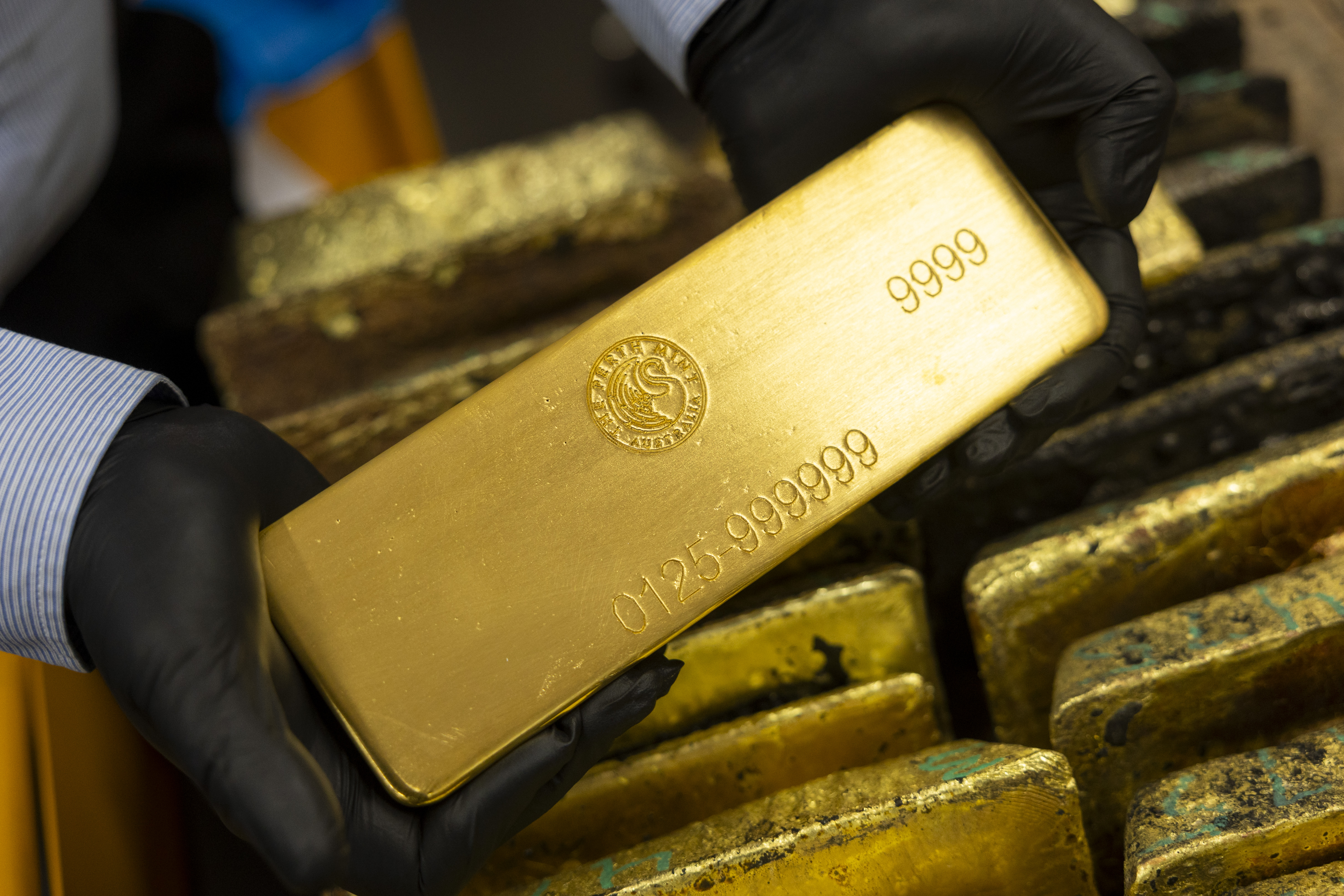
Wall Street has finally capitulated to gold’s record-breaking run.
How AI will reshape our lives is clouded with uncertainty. Researchers are debating what it means to achieve artificial general intelligence, or AGI, or whether the neural-network systems that drive chatbots like ChatGPT can lead us to that big prize.
Private credit managers have proven their prowess in fundraising, but are falling short on dealmaking. With mountains of cash waiting to be deployed, they are latching onto the artificial intelligence data center boom, hoping to stay relevant as banks reclaim their dominant position in corporate lending.
Unlike Donald Trump, Chinese President Xi Jinping is not known for caring about stock-market returns.
In the post-pandemic era, one of the ABCs of investing has been “anywhere but China.”
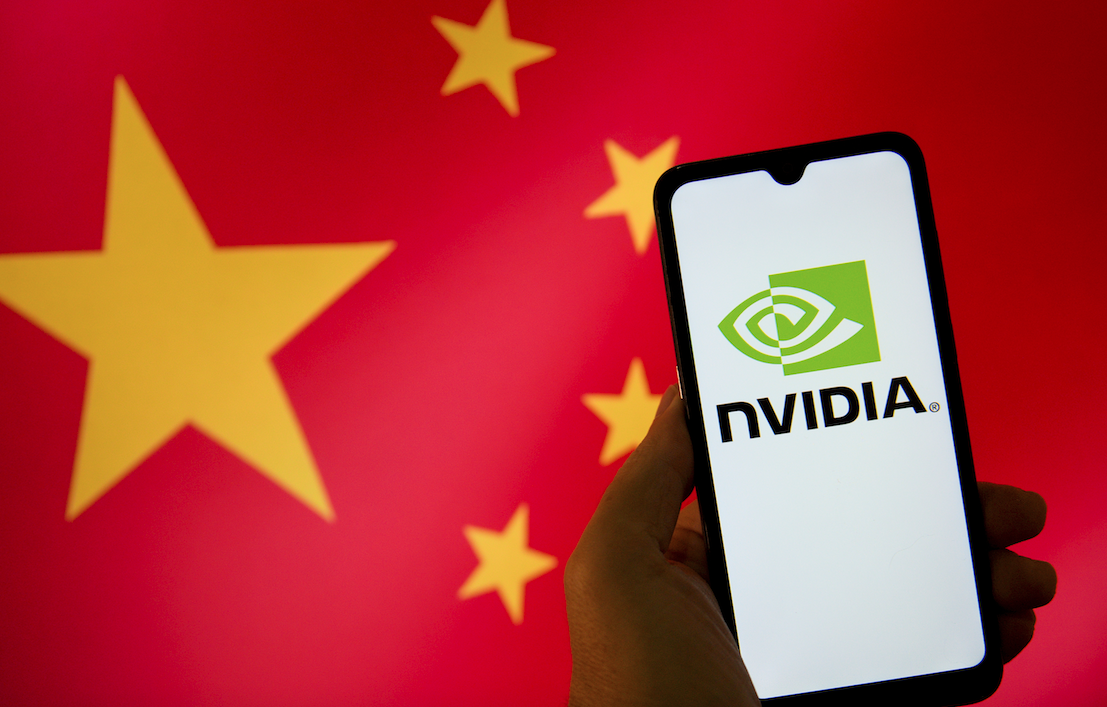
A new China-buys-China narrative is taking shape as Beijing steps up its tech rivalry with the US. The world’s second-largest economy not only wants to build generative AI models, but power them with its own hardware, redrawing a supply chain dominated by Nvidia Corp.
China is in the midst a stock boom. The blue-chip CSI 300 Index is up 9% so far this month, while the tech-heavy ChiNext Index has soared 18%, leaving the S&P 500 in the dust.
Wall Street banks are starting to cover firms that are not publicly traded. JPMorgan Chase & Co. kicked off the trend with a report on OpenAI Inc. Citigroup Inc. followed suit a week later with a list of roughly 100 large private companies it will focus on, predominantly in the tech sector.
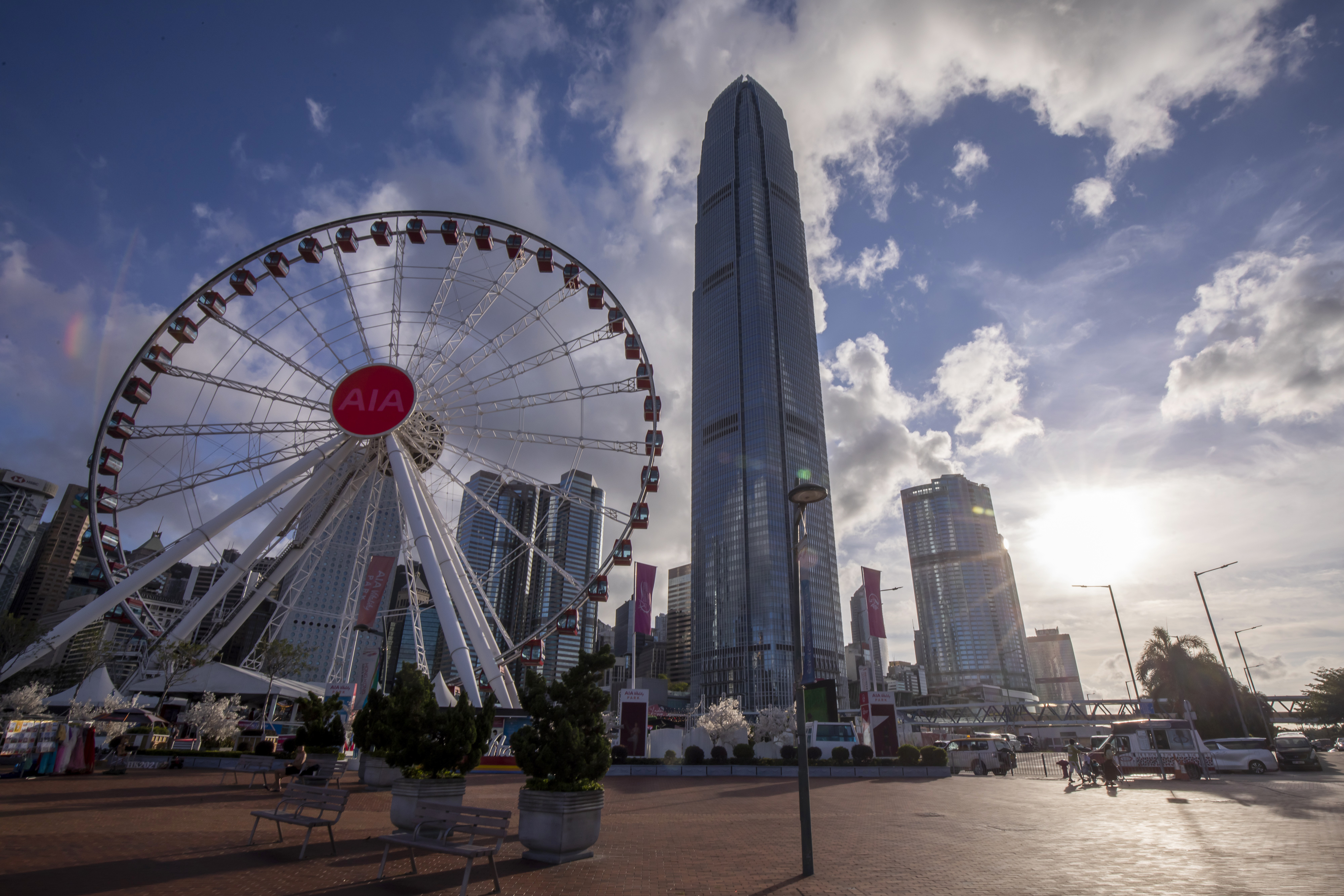
Hong Kong is confronted with two gravity-defying puzzles this year. Investors are asking why the city’s interest rates are so low, and yet the housing market is so bad.
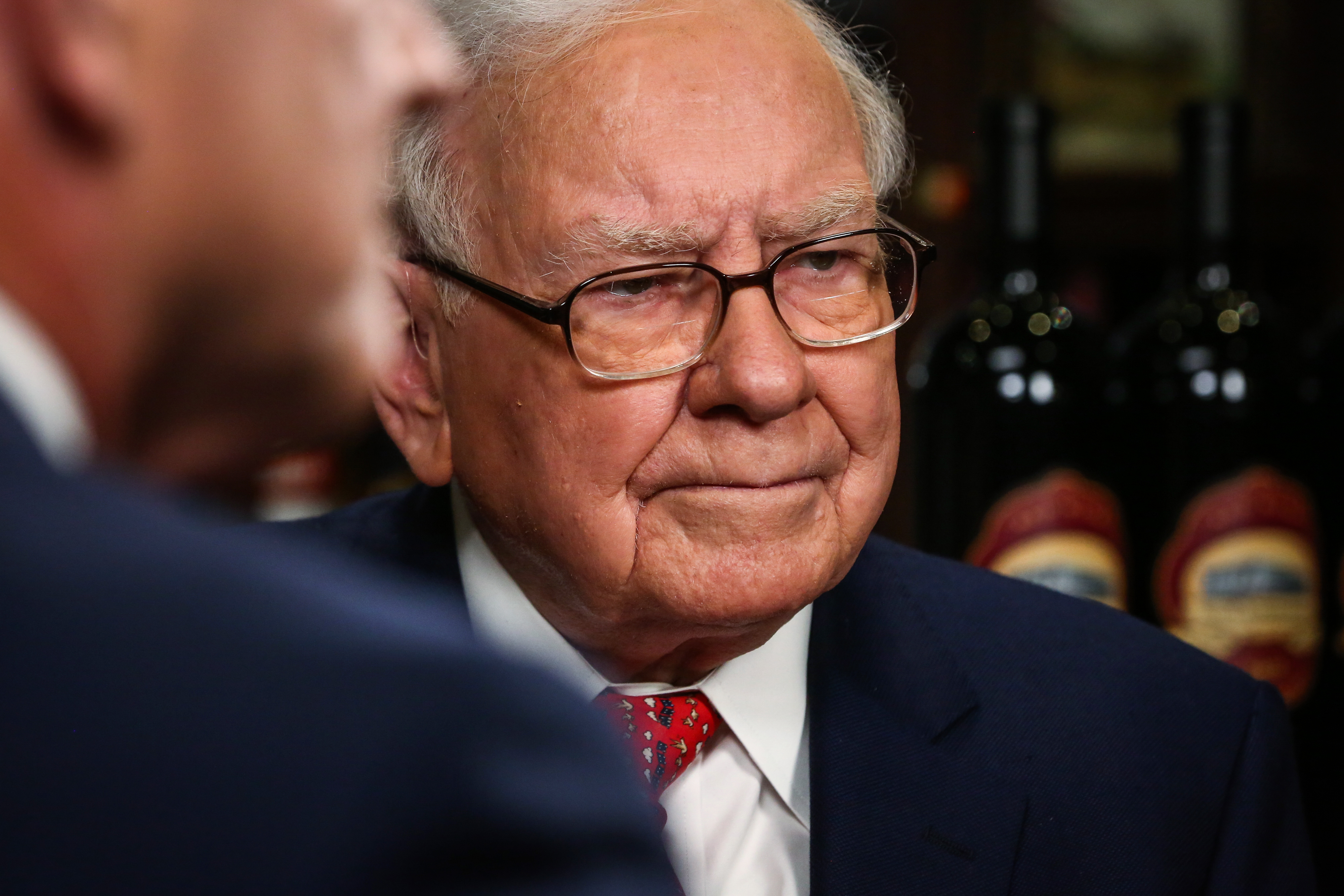
One is known as the Oracle of Omaha, the other as Superman. Warren Buffett and Li Ka-shing are the two most revered investors in the West and East.
A strong conviction trade is being shaken. As international stocks are outperforming this year, global investors are asking if their faith in US exceptionalism has gone too far.
The Hang Seng Tech Index has soared 23% this year, far outpacing the Nasdaq 100’s 5.3% gain. Alibaba Group Holding Ltd. and Tencent Holdings Ltd.’s shares are back to their 2022 levels, while EV makers BYD Co. and Xiaomi Corp. hit new record highs.
Billionaire investor David Tepper has certainly made up his mind. He doubled down on his bet on Chinese stocks last quarter, adding positions in e-commerce platforms Alibaba Group Holding Ltd. and JD.com Inc., as well as index funds that track some of the country’s biggest companies.
The dollar and US stocks have benefitted tremendously from recent global portfolio inflows. As of June 2023, the latest data available, foreigners owned a record 17% of US equities.
Ironically, China’s President Xi Jinping has been cornered into the same uncomfortable spot reserved for high-profile chief executives like JPMorgan Chase & Co.’s Jamie Dimon: Impatient stock investors are brushing aside the intricacies of running complex businesses and demanding simplistic numbers to justify their euphoria.
When two popular trades, such as buying US big tech stocks and selling the Japanese yen, are unraveling at the same time, investors naturally think they are somehow related.
Global investors are gobbling up bonds that can be turned into stocks, feeling good about the prospects and return potentials of smaller companies.
Cathie Wood seems to have the worst timing on artificial intelligence stocks. She offloaded Nvidia Corp.’s shares in early 2023, failing to grasp the popularity and disruptive power of ChatGPT.
Just as private credit is becoming an asset class of its own and private equity houses are finding a new revenue stream away from their bread-and-butter buyout businesses, this burgeoning part of leveraged finance is losing steam.
Two major events are shaking up the asset-management world. Blackstone Inc. raised $1.3 billion for its first retail private equity fund, targeting those who have at least $5 million to invest.
Private credit is an asset class that has blossomed alongside the Federal Reserve’s rate hikes. From sovereign funds to family offices, many people want to put their money in. Asset managers are more than happy to latch onto this enthusiasm.
When asked about how tighter regulations affect banks’ business models, JPMorgan Chase & Co.’s Chief Executive Officer Jamie Dimon commented that it was great news for hedge funds and private equity firms.
When we talk about shadow banking, we think of China, one of the world’s most indebted nations. Lending by companies that do not own a banking license has reached 50 trillion yuan ($7.3 trillion), or about 42% of gross domestic product, according to Moody’s Investors Service.
Macro hedge funds, which look at economic trends and take advantage of dislocations across asset classes, had a banner year in 2022.
As banks get burned from financing billion-dollar buyouts and pension funds grow impatient with private equity’s endless thirst for capital, skepticism is growing louder over the industry’s performance — and whether some of their daredevil deals could result in disastrous losses for their financiers.
Call it a taper tantrum, times 10. Developing nations are reeling from the double whammy of Federal Reserve interest-rate hikes and China’s economic slowdown.
When the liquidity tide recedes, investors from sovereign wealth to billionaire family offices are getting even more impatient with hedge funds. They are discovering that a lot of these expensive money managers don’t really hedge, and the pivot toward private equity was the right decision after all.
When it comes to collecting debt from distressed companies, a wait-and-see attitude will only end up with investors losing everything. That’s especially true with China’s real estate developers.
After a record fundraising year, there are worries that private equity’s golden era is over.