Tesla Inc. shares are trading at their cheapest-ever level, as the electric-car maker’s stock slumps more than 50% this year.
Federal Reserve officials are set to increase their 2023 unemployment projections for a third straight time amid warnings that their inflation-fighting campaign increasingly risks tipping the US economy into a recession.
The chorus of buy calls on government bonds is growing louder but BlackRock Inc. begs to differ.
President Joe Biden’s administration outlined a new rule in October whereby the Department of Energy could buy oil for future delivery — most likely 2024 — at fixed prices to refill the Strategic Petroleum Reserve.
Here is a structure for the first meeting to make prospects feel understood.
All states and Washington, D.C. sponsor at least one 529 college savings plan. Some states provide additional tax benefits by letting you make tax-deductible contributions up to certain limits.
How do we decide who is genuinely in need? How do we know when our giving is helpful and when it might merely foster dependence or even be a scam?
By any measure, America is failing at that task. For the sake of the economy, society and even the environment, it must do better.
As the US economy veered toward the biggest inflation shock in four decades, investors flocked to the one corner of Wall Street that seemed a sure-fire refuge: Treasuries that provide extra compensation to keep up with rising consumer prices.
The path of US inflation in 2023 may have more surprises in store after a year in which consumers suffered the biggest cost-of-living hit in 40 years, spurring steep interest-rate hikes by the Federal Reserve and spooking investors.
Asset managers are trying to digest new regulatory proposals that have the potential to upend Europe’s biggest ESG fund category.
Ahead of this week’s Federal Reserve meeting — and in a year when many didn’t make the right calls — professional investors and do-it-yourselfers are sharply divided over the best way to position ahead of the central bank’s rate decision on Dec. 14.
Rather than feudalism, we are headed toward hyper-capitalism, where each person is an entrepreneur constantly selling his or her services to the highest bidder.
“Verb sales” in retirement income, or in liability minimization, needs regulatory support immediately. By “verbs,” I mean selling services – such as financial planning – rather than “nouns” – such as investment products like annuities.
We’ve broken down nine of the best 529 plans.
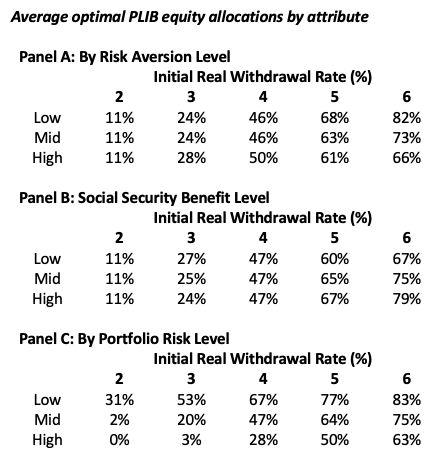
More balanced risk strategies in PLIBs are likely to be optimal (e.g., 40-50% equities), although the ability to personalize the risk level is important based on the household situation and preferences.
When I heard that the investment management firm GMO had created a retirement planning tool to mitigate “sequence of returns” risk I looked forward to learning about it. After setting aside a stumbling block or two in its white papers, I found it to be the best platform for financial advisors I have ever seen.
Federal Reserve Chair Jerome Powell has history on his side as he and colleagues split with Wall Street over how long interest rates will stay high in 2023.
It has been my tradition to informally rate the investment-related books I read in the past year.
For a long time, one acronym reigned supreme on Wall Street — TINA, or “there is no alternative,” which was used to talk about the allure of stocks in a low interest-rate environment. But now, BARB — or “bonds are back” — is the new queen.
A near-total ban on imports of Russian crude into the European Union is finally hitting Russia’s oil revenue. Concerns that it would provide the Kremlin with a windfall to fund its war in Ukraine have been confounded — for now.
For some investors, this year’s rout in high-flying technology stocks is more than a bear market: It’s the end of an era for a handful of giant companies such as Facebook parent Meta Platforms Inc. and Amazon.com Inc.
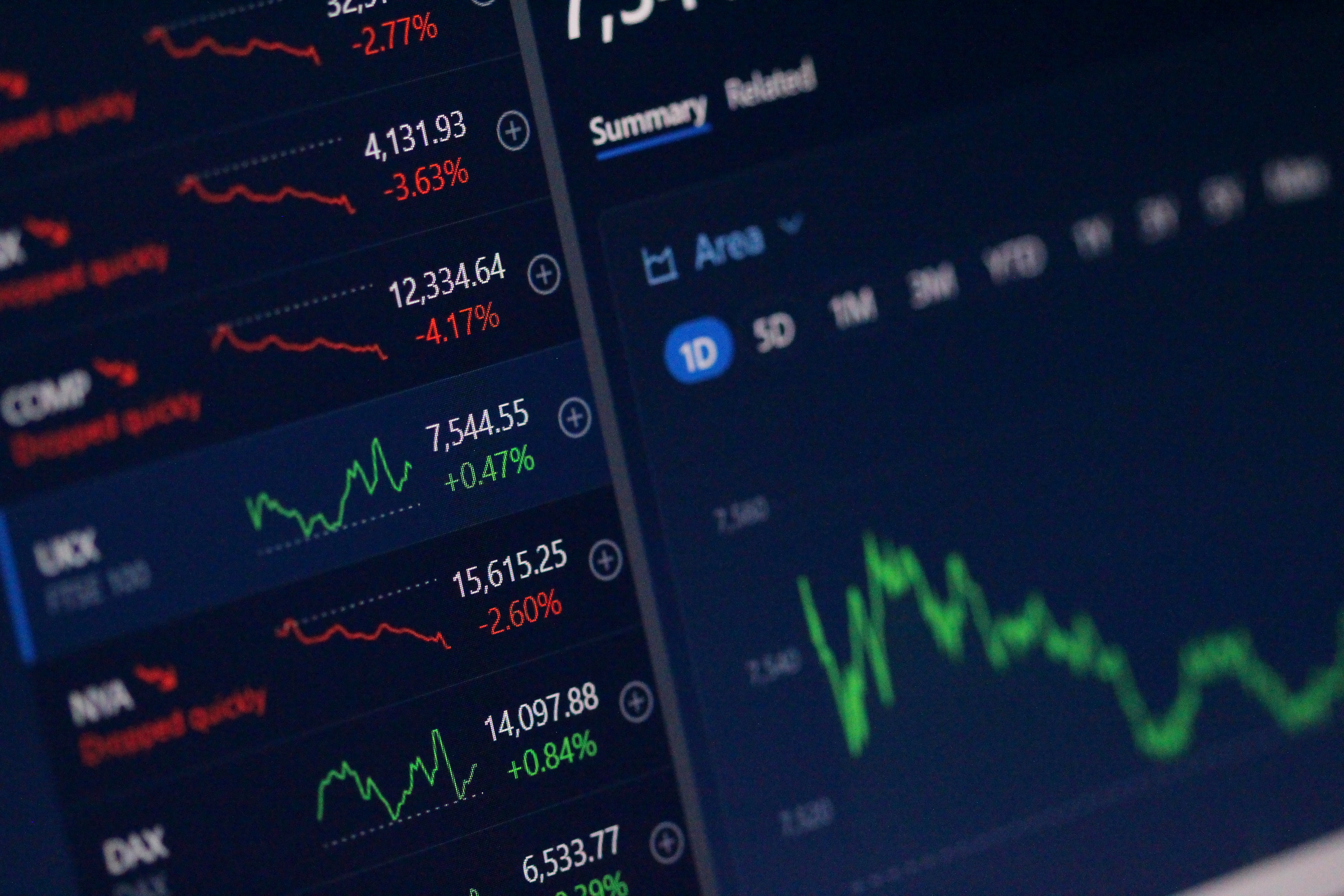
The steady drumbeat of warnings that the American economy is careening toward a recession finally struck a nerve on Wall Street.
That question is likely top of mind for anyone who has seen or played around with ChatGPT, the AI-powered chat tool from OpenAI, the $20 billion AI research organization.
The pay negotiation season is looking increasingly fraught this year as workers fret about 8% inflation — and their job security.
Mixed news on US inflation reinforced the precariousness of the bond market’s recent gains ahead of next week’s consumer prices gauge and the Federal Reserve’s last rate decision of the year.
As the debate heats up over ESG investing, fixed-income professionals say they need more data than what’s currently out there.
The Federal Reserve is set to disappoint Wall Street as it keeps rates at their peak throughout 2023, dashing hopes markets have priced in for rate cuts in the second half and making a recession very likely.
Investment portfolios belonging to retail traders suffered a $350 billion blow this year as big bets on risky stocks and former high-fliers like Tesla Inc. backfired for the mom-and-pop set.
A rush of regulation and investor pressure is forcing companies to do a better job of tallying up the environmental impact of their operations and the products they sell. That’s stirring demand for software that helps businesses measure carbon emissions.
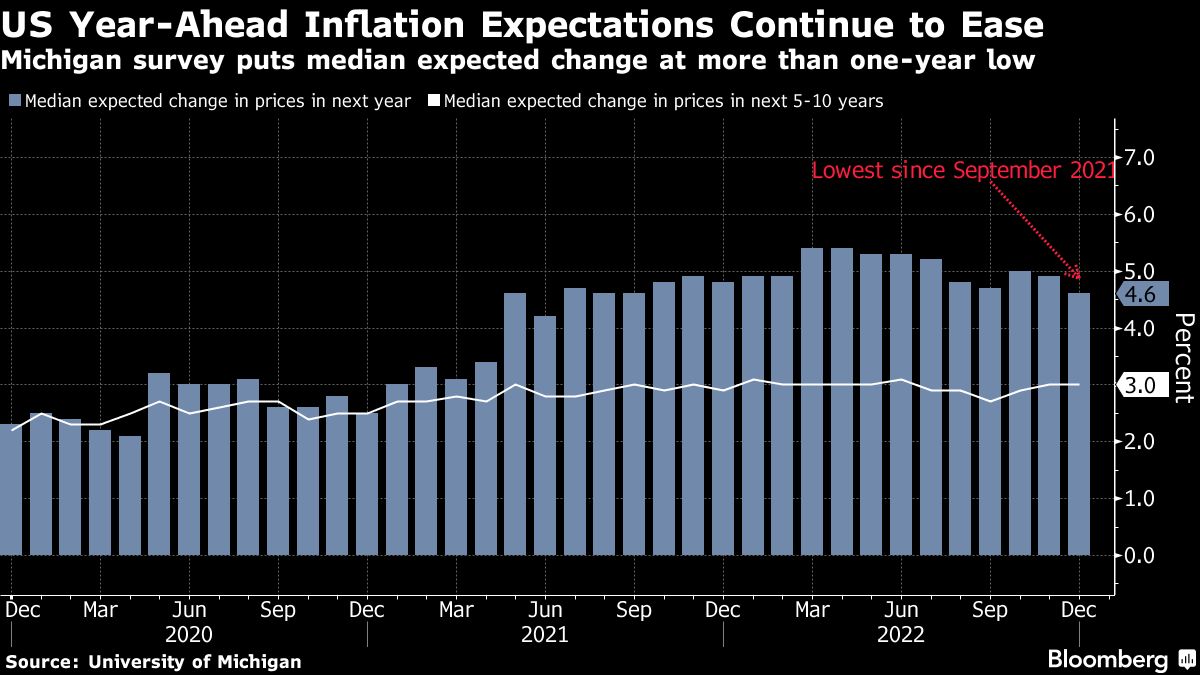
US short-term inflation expectations unexpectedly declined to the lowest level in more than a year and consumer sentiment picked up, helped by falling gasoline prices.
From homeowners renting out spare rooms to publicly traded real estate investment trusts, landlords in colder areas of the US are bracing for their heating costs to soar this winter.
Some of the world's biggest investors predict that stocks will see low double-digit gains next year, which would bring relief after global equities suffered their worst loss since 2008.
Here are four questions independent financial advisors should ask before choosing a TAMP.
Stop being reactionary, waiting to get inbound opportunities, rather than systematically and proactively putting in place a system to target specific ideal clients (i.e., higher net worth) that you want to engage.
Staying invested over the long term and deploying more capital when consumer sentiment is pessimistic can lead to better outcomes over full market cycles.
The Federal Reserve hasn’t had much success so far in wrestling down sky-high inflation, but its monetary tightening campaign is having a major impact in deflating asset bubbles that swelled during the pandemic.
At a time when virtually all of Wall Street is on guard against a recession, Jim Paulsen of The Leuthold Group said stocks are about to rally at least 25% in the next year.
Ever since Elon Musk launched his takeover of Twitter Inc., fans of Tesla Inc. have worried about the genius getting distracted. And during the new Twitter’s first six weeks — has it only been that long? — Musk has certainly come across a bit distracted. Addled, even.
It’s been a spectacular year for the US dollar. Using the popular broad dollar index, it managed to rise to its highest level since 2002 by the end of September. Since then, the greenback has endured a peak-to-trough fall of more than 9% and continues to trend downward.
At Microsoft’s annual meeting on Dec. 13, shareholders will vote for the first time on whether to support an analysis of the climate risk posed by the company’s 401(k) retirement options.
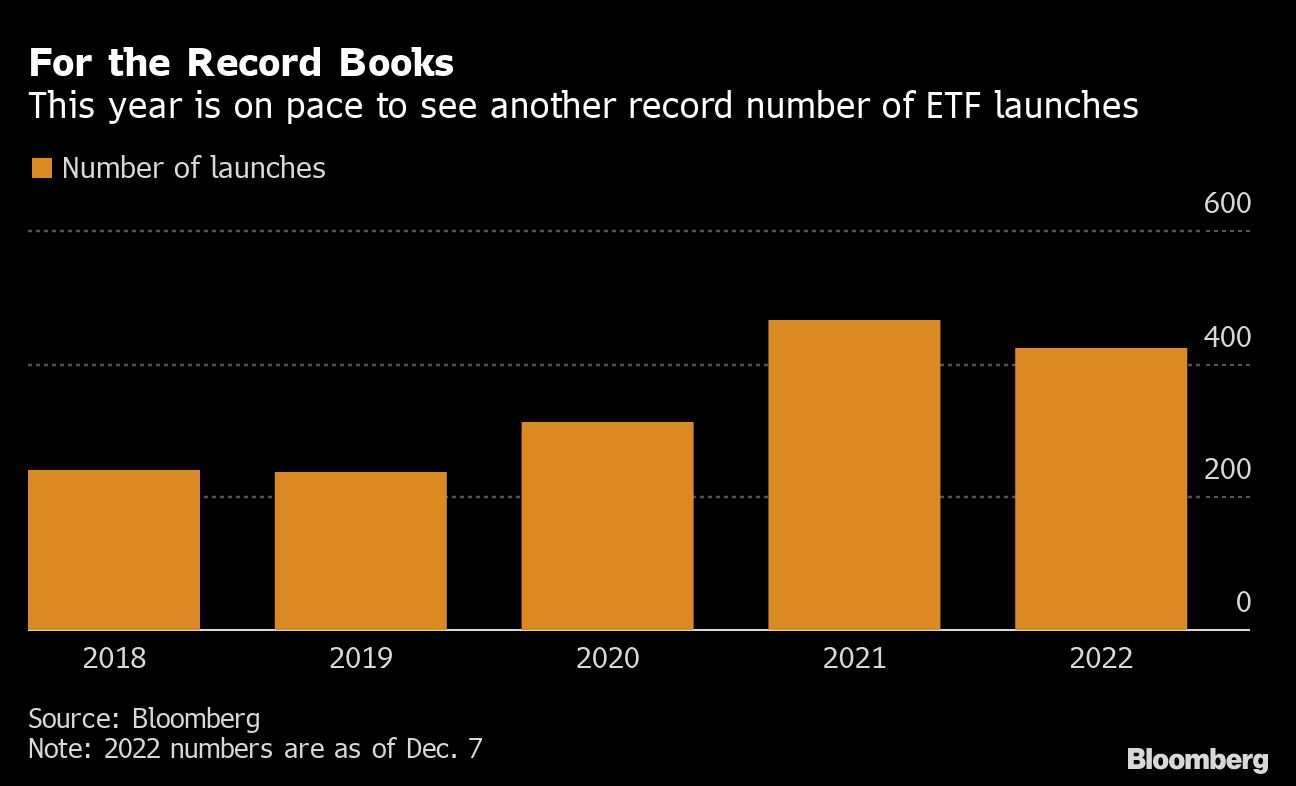
If a crushing bear market, inflation-fueled volatility and slump in inflows was meant to cool the booming US exchange-traded fund industry, issuers never got the message.
We have someone we have been carrying for quite some time and we need to ask him to leave.
I’ve uncovered these false assumptions that may cause you to waste your marketing budget.
“Expect a recession by the middle of next year,” Jeffrey Gundlach warned investors. The Fed’s monetary tightening will not be as aggressive as expected, he said, but high rates will dampen housing, consumer spending and other sectors, and will force the economy to contract.
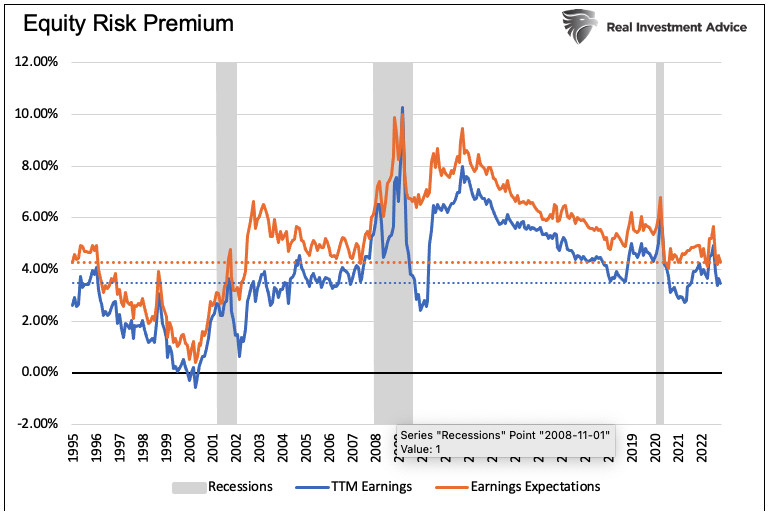
Equity investors are not being adequately compensated for the economic, geopolitical and financial risks they are bearing. The equity risk premium is too small.
It may indeed be the case that TSMC’s $40 billion spending bill is the largest foreign direct investment, but that’s still not enough to ensure the US builds itself a self-sufficient semiconductor industry.
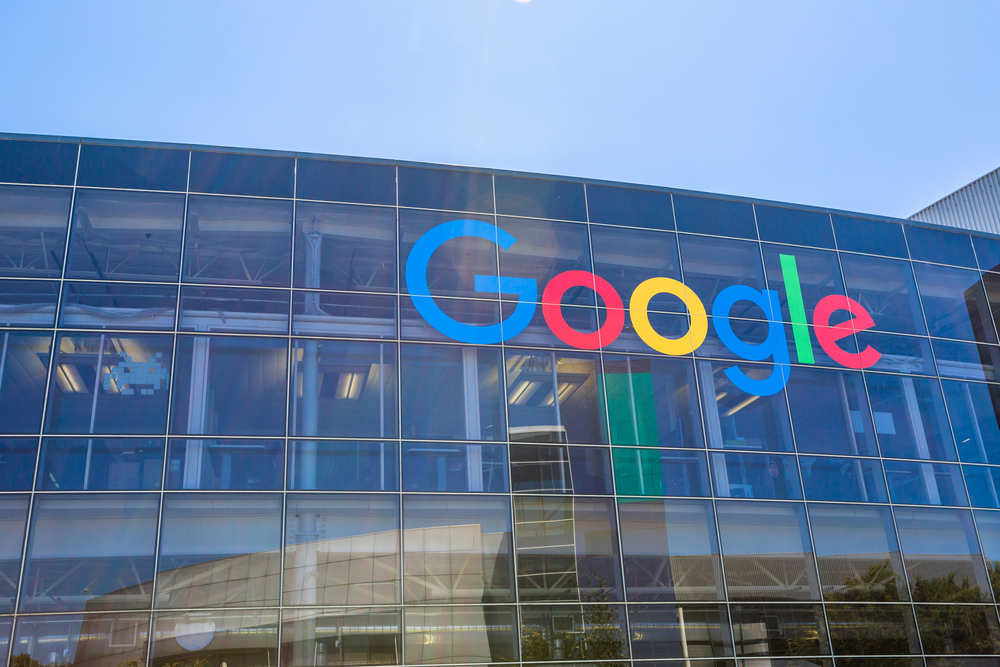
OpenAI isn’t publicly speculating about its future applications, but if its new chatbot starts sharing links to other websites, particularly those that sell things, that could spell real danger for Google.
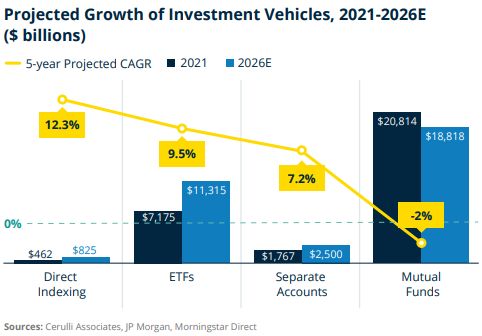
An index strategy that’s all about customization is expected to grow faster than other investment vehicles over the next four years as investors’ desire for personalization intensifies.
Slowly but surely, bond haters are vanishing across Wall Street — even as fresh market havoc remains a distinct possibility next year if still-raging inflation forces the Federal Reserve to ramp up policy tightening anew.