So many businesses are stuck in this endless cycle of chasing leads, hoping that persistence will eventually pay off. Here’s the truth: chasing leads is not only ineffective, it’s damaging your business.
They have been called “the four most costly words in the annals of investing,” and surely that’s true: This time is different. Still — hear me out! — there are reasons to entertain the possibility that, well, this time really is different.
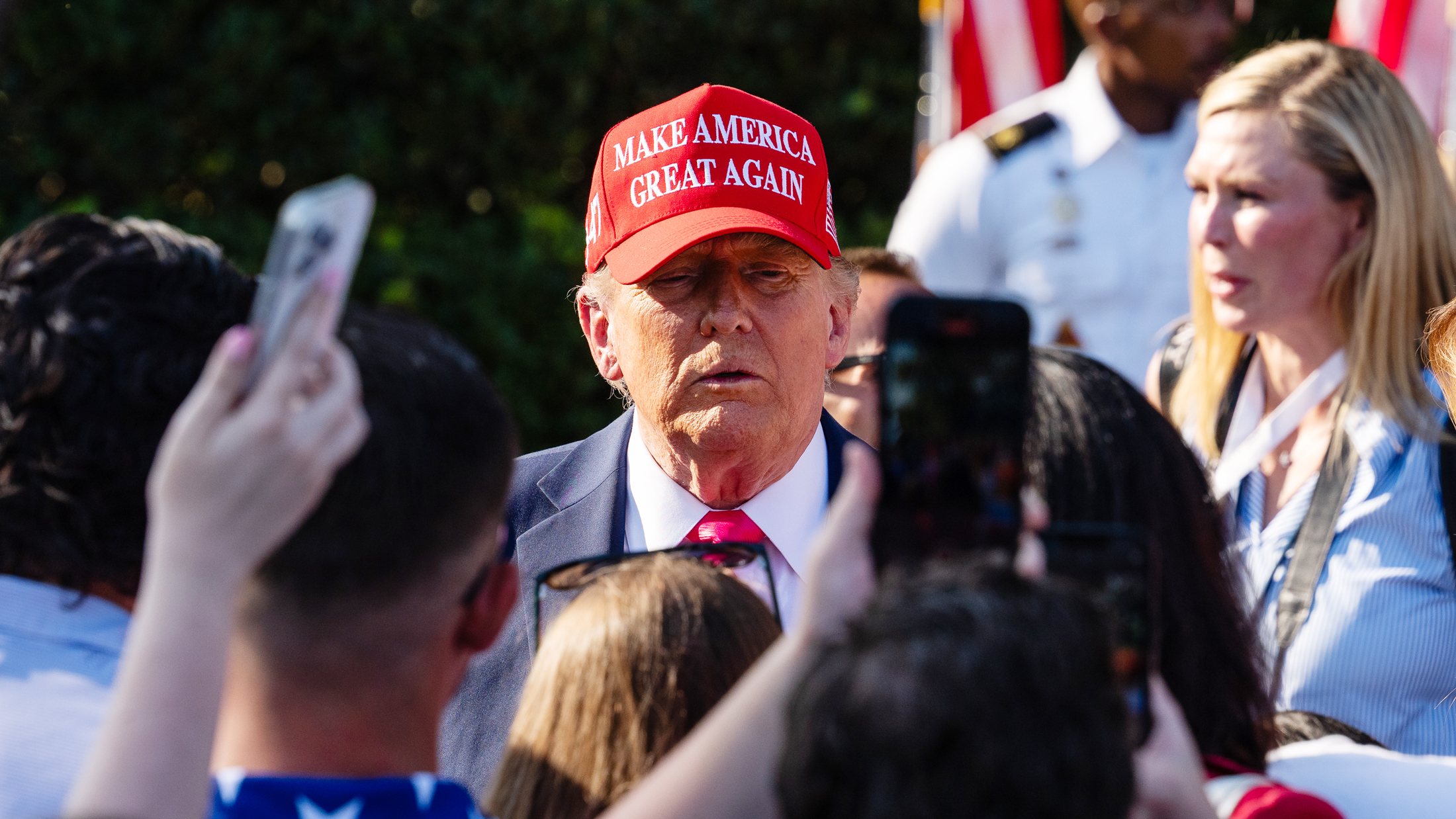
Asian countries including Japan and South Korea said they’ll keep pushing for a better deal for their exports to the US after President Donald Trump shifted his tariff deadline to Aug. 1 and tweaked the rates he’s set for many economies.
HSBC is turning cautious on three of the biggest US bank stocks following a record rally that’s brought the group within shouting distance of an all-time high.
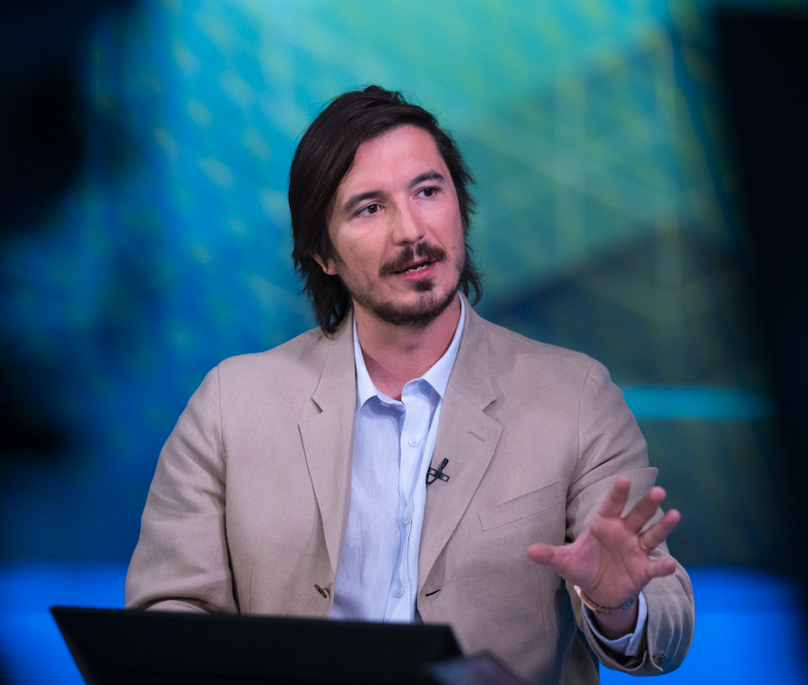
Robinhood Markets Inc. Chief Executive Officer Vlad Tenev said the firm is in talks with regulators over its offering of tokenized equities in Europe, after the launch drew rebuke from companies including OpenAI.
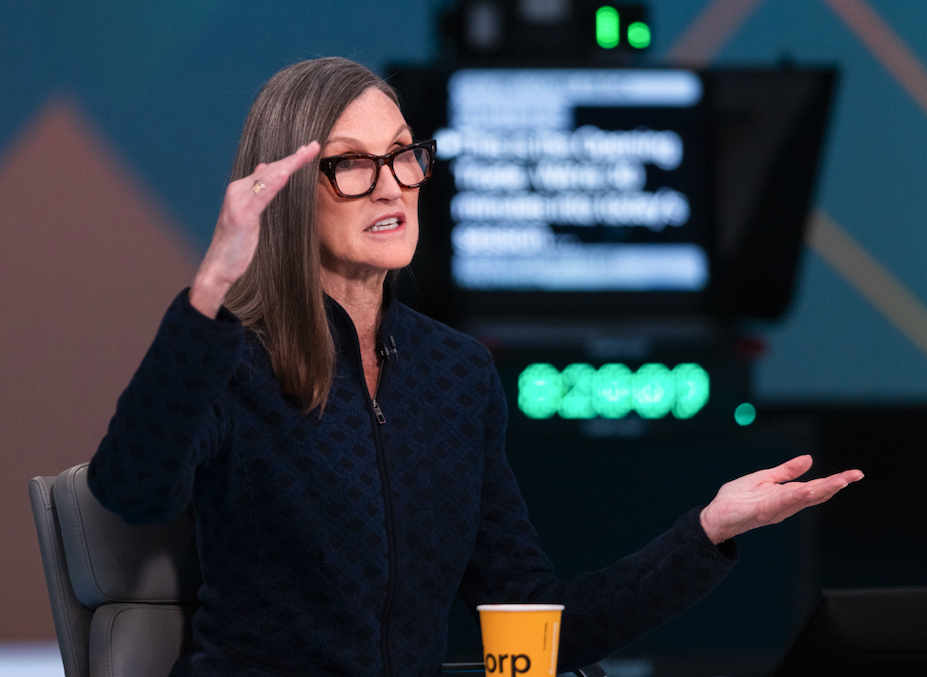
Cathie Wood, a longtime backer of Elon Musk, is standing by the Tesla Inc. chief executive after a turbulent start to the week that saw shares in the electric vehicle-maker plunge after the billionaire businessman announced he’s forming a new political party.
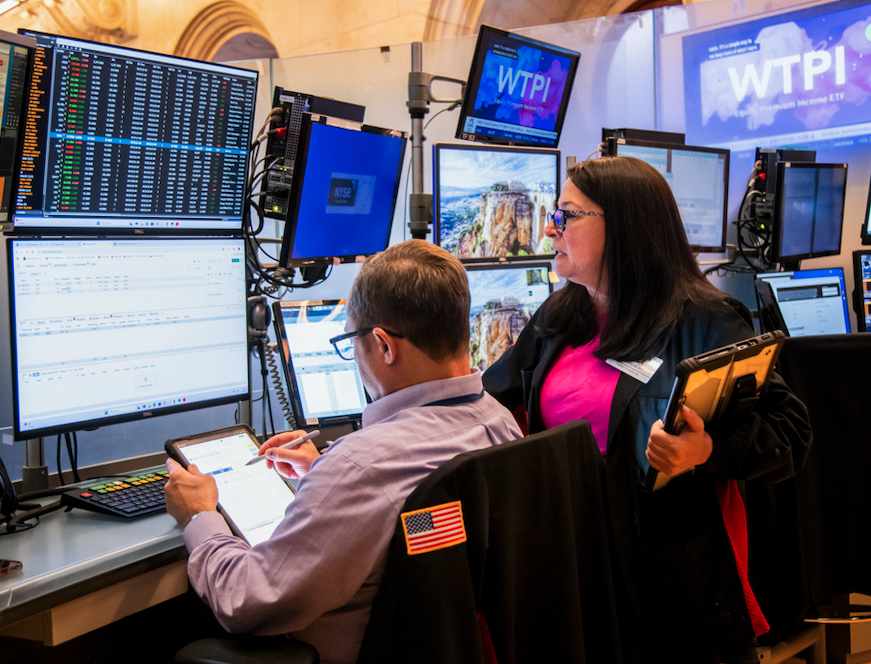
US equities were steady at the open on Tuesday as President Donald Trump’s latest tariff warnings left room for hope that he was still open to negotiations.
For those breaking into the financial industry, it’s an exciting time. The opportunity to achieve success and make an impact on an industry that could help people for years to come .
Private equity has officially conquered the registered investment advisor (RIA) landscape. It is now responsible for a significant portion of RIA-linked M&A activity.
U.S. stocks are no longer the best-performing asset class this year. Gold and foreign stocks are the best performers.
In part 2 of this series, this article looks past the data center operators and focuses on the natural gas pipelines and the manufacturers of natural gas power plant equipment.
As leaders of the China-led group of emerging-market economies known as the BRICS descend on Rio de Janeiro for their summit starting Sunday, expect the usual coterie of talking heads offering prepared remarks to the media with the city’s iconic Sugarloaf mountain serving as a picturesque backdrop.
A pre-summer frenzy in junk loans is seeing the market start to overheat, prompting investors to get a bit more picky about deals after spreads reached the tightest levels in years.
Traders are swarming to equity-focused, exchange-traded funds listed in Taiwan, with demand from retail investors and a strong local currency driving up flows.
President Donald Trump plans to announce trade deals and deliver tariff warnings on Monday, as countries negotiated through the weekend to avoid the highest punitive measures on their exports to the US before a Wednesday deadline.
Goldman Sachs Group Inc. is leading a potential transaction for Gray Media Inc. to help the company refinance some of its existing debt, according to people with knowledge of the matter.
AstraZeneca Plc is discussing a partnership deal with Summit Therapeutics Inc. in which it could pay as much as $15 billion over time to license a lung-cancer drug, according to people familiar with the matter.
BlackRock Inc. is considering a sale of its stake in the leasing rights to Saudi Aramco’s natural-gas pipeline network back to the energy giant, according to people familiar with the matter.
Value investing has long been out of favor in US stocks and last quarter was no different, as an index of beaten-down shares badly trailed the broader market’s furious rally.
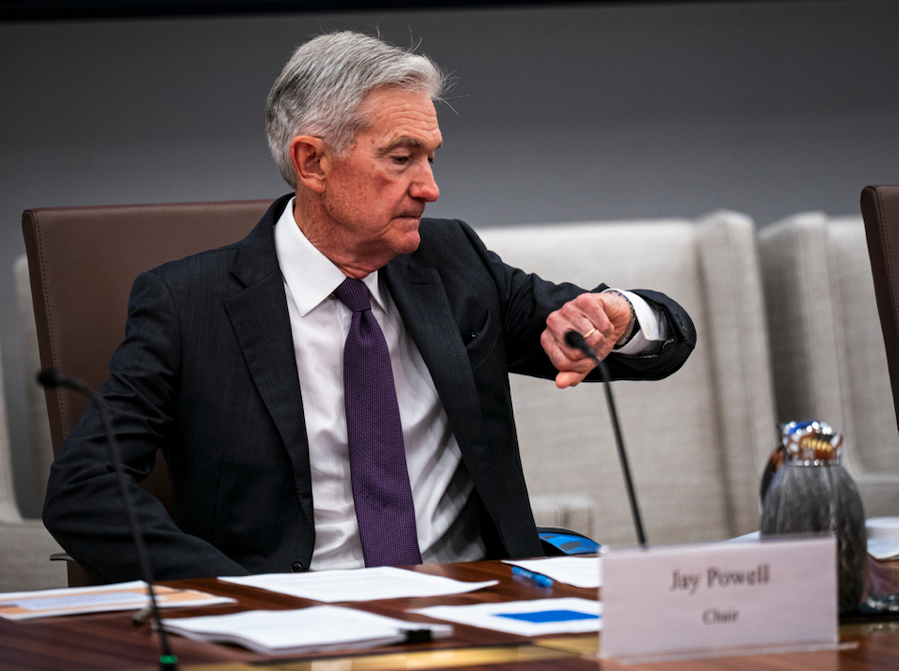
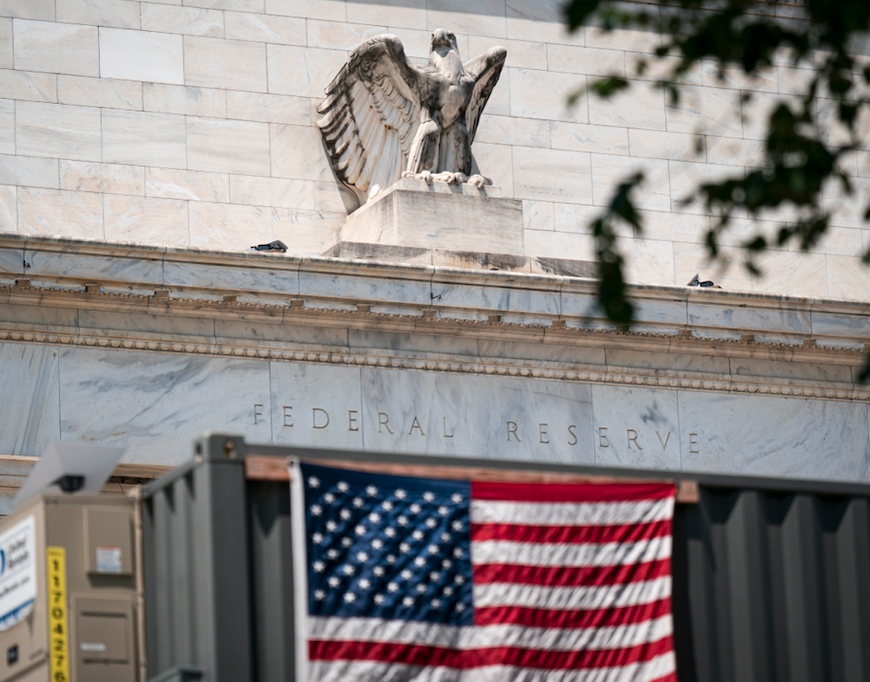
As President Donald Trump and his advisers begin weighing replacements for Federal Reserve Chair Jerome Powell, they’re running into one significant complication: It’s not clear that Powell will leave the US central bank next year.
Wells Fargo & Co. is ramping up buying top-rated collateralized loan obligations, after largely staying away from the $1.3 trillion market following interest rate hikes in 2022, according to people with knowledge of the matter.
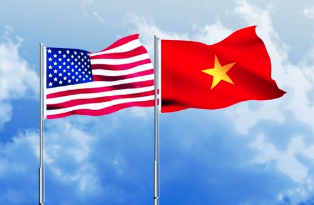
Vietnam’s trade deal with the US is a wake-up call for Asian governments grappling with the reality that higher tariffs are here to stay.
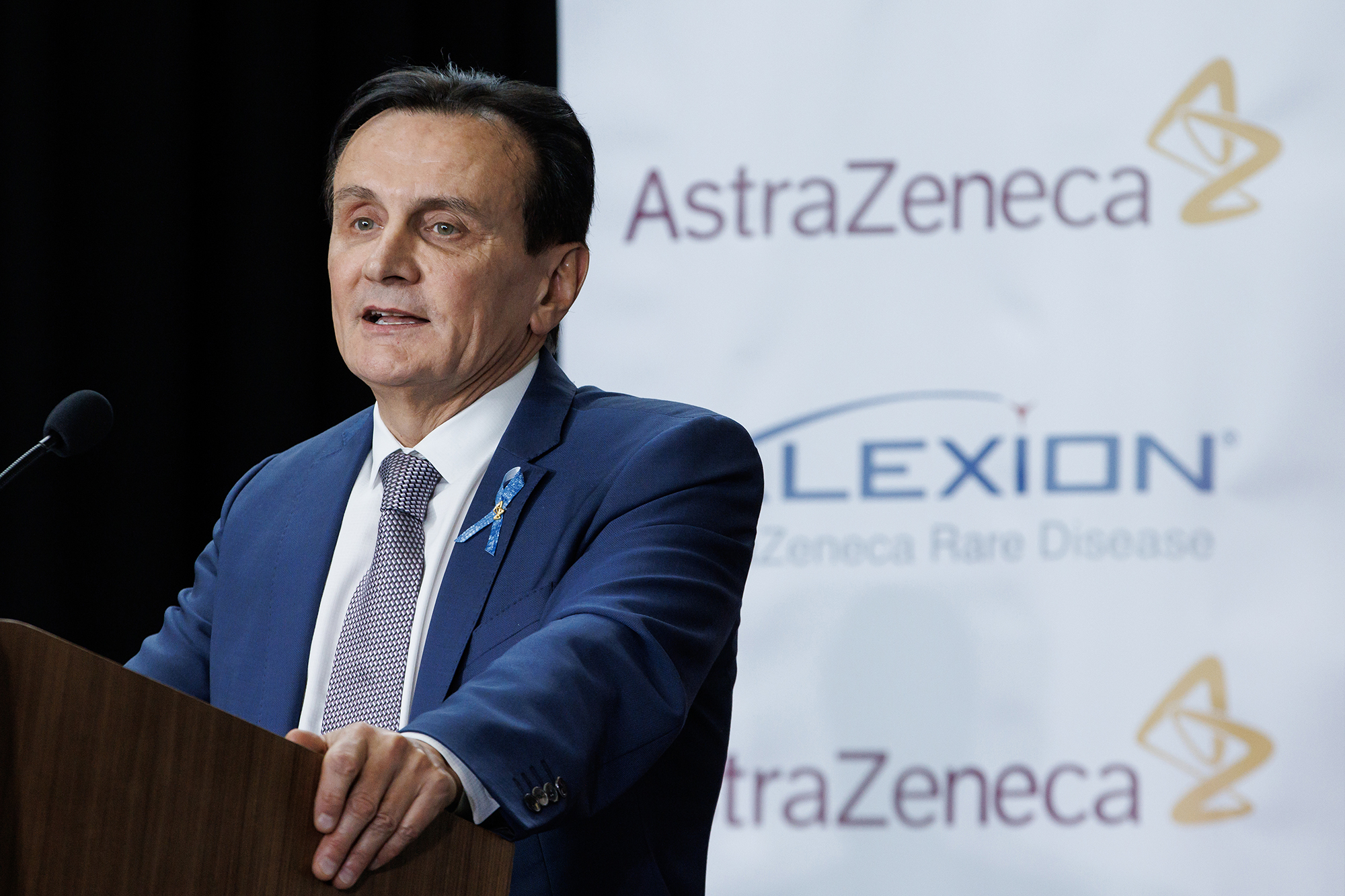
AstraZeneca Plc’s Chief Executive Officer Pascal Soriot wants to move the drugmaker’s stock listing to the US, the Times reported, in what would be another sign of the UK’s waning status as a magnet for global capital.
Treasuries tumbled after a stronger-than-expected jobs report for June prompted traders to exit bets on an interest-rate cut by the Federal Reserve this month.
If the Trump administration’s tariff policies result in higher overall inflation, a scenario that will play out in the coming weeks, the question is who will pay for it.
With mortgage rates still near 7%, even relatively wealthy households are choosing to rent rather than buy, and it’s easy to understand why.
Forget Tesla for a moment. Just imagine an anonymous company with the following characteristics.
Financial advice is going to be in more demand than ever in 10 years. Is your firm ready for the challenge?
Your firm's culture should reflect your values and your mission.
Investors may be tempted to imagine how much higher the S&P 500 Index would be if three of its most influential stocks weren’t lagging behind.
JPMorgan Chase & Co. is developing a new service to tokenize carbon credits and is partnering with a trio of carbon companies for an initial trial.
Treasuries are set for a second daily drop heading into a double whammy of labor data, following an unexpected jump in US job opening numbers.
Netflix Inc. investors face a dilemma: Continue to bet on a stock that has delivered best-in-class returns over the past year or reconsider shares that increasingly look like they’re priced for perfection.
The European Union is willing to accept a trade arrangement with the US that includes a 10% universal tariff on many of the bloc’s exports, but wants the US to commit to lower rates than that on key sectors such as pharmaceuticals, alcohol, semiconductors and commercial aircraft.
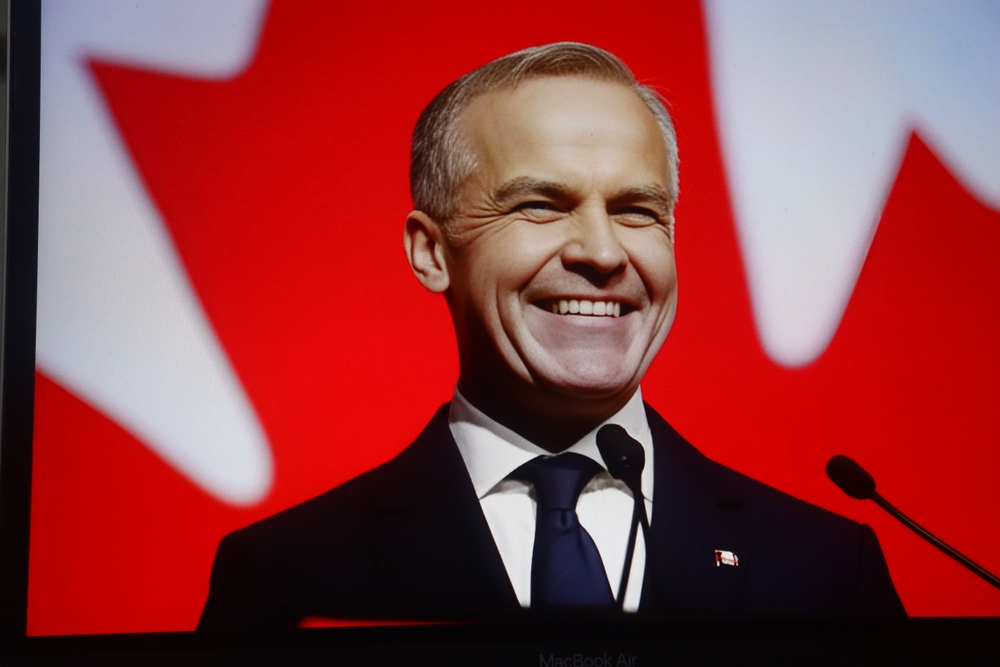
Canadian Prime Minister Mark Carney handed US President Donald Trump a win in the hope of making bigger gains in trade negotiations.
There are a number of considerations to put in place before you start any change effort, transition or project. These can help save endless hours of wasted time trying to undo things that didn’t work or going back to fix it again.
The words you use are not just tools for communication; they’re signals. Signals that tell your prospects whether you’re someone they can trust or someone they should avoid.
Margin loan recommendations are often presented by brokers as tax-savvy strategies that allow clients to access “tax-free” cash while keeping their portfolios intact. In many cases, however, the math benefits the advisor more than the investor.
True fiduciary duty isn’t fulfilled by following the crowd. It’s fulfilled by doing the harder thing: making the right call even when it’s the unpopular one. The world doesn’t need more advisors playing not to lose. It needs more who are willing to lead — even if they walk alone.
US job openings unexpectedly rose in May to the highest level since November, largely fueled by leisure and hospitality, and layoffs declined, pointing to a stable labor market despite economic uncertainty.
US lenders are on a tear and hedge funds are snapping up shares at a furious pace, underscoring Wall Street’s increasing conviction that their record-breaking rally has more room to run.
A turf war is breaking out in the vast world of digital payments — and the incumbents are suddenly on defense.
UniCredit SpA will offer its professional clients a structured product tied to BlackRock Inc.’s iShares Bitcoin Trust ETF that features full protection against losses, as European banks seek new ways to tap into appetite for digital assets.
Almost everything said about Tesla Inc. these days ranges from bad to worse.
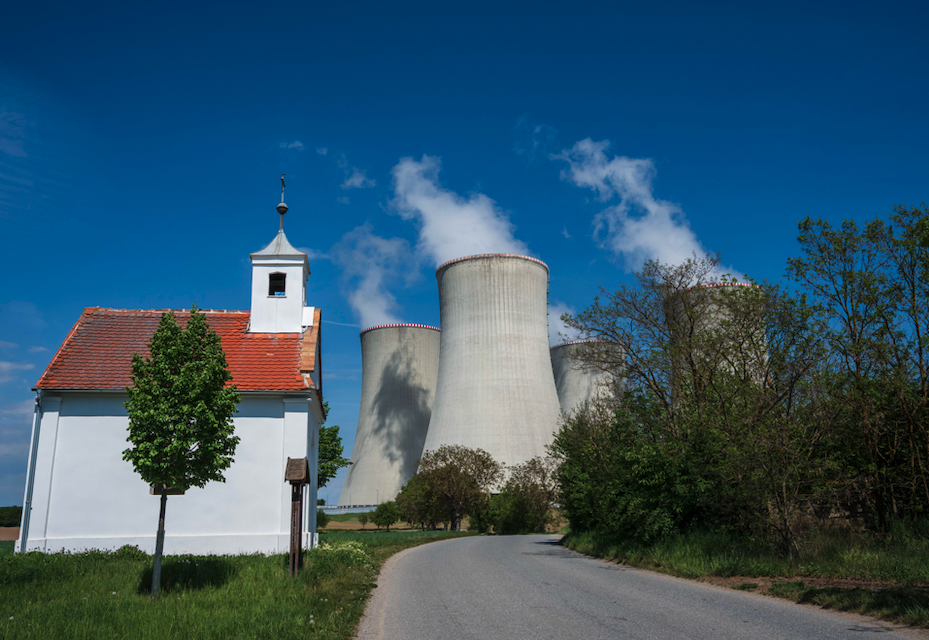
Just a few decades ago, Europe led the world in adopting nuclear. It relied on the technology for more than 30% of its electricity and accounted for more than 40% of global production.
Stocks are wrapping up a stellar quarter at all-time highs amid signs of progress in US trade talks while hopes the Federal Reserve will resume its rate cuts drove Treasuries toward their biggest first-half stretch in five years. The dollar eyed its longest monthly slide since 2017.
Despite concerns regarding the electrical power grid, there are solutions to meet the surge in AI-driven energy demand. For example, nuclear energy is making a comeback.
One of the enduring challenges of portfolio management is the inability to follow all news flow relevant to portfolio positions. AI and cloud-based workflows are helping us overcome this problem.One of the enduring challenges of portfolio management is the inability to follow all news flow relevant to portfolio positions. AI and cloud-based workflows are helping us overcome this problem.%MCEPASTEBIN%
It’s a widely held belief among economists that President Donald Trump’s tariffs will boost inflation notably over the next few months. But muted price increases so far have called that assumption into question, emboldening the White House and opening up divisions at the Federal Reserve.
Are we experiencing an energy transition? According to geologist and fund manager Jane Woodward, we are — and it’s proceeding more quickly than almost anyone expected.