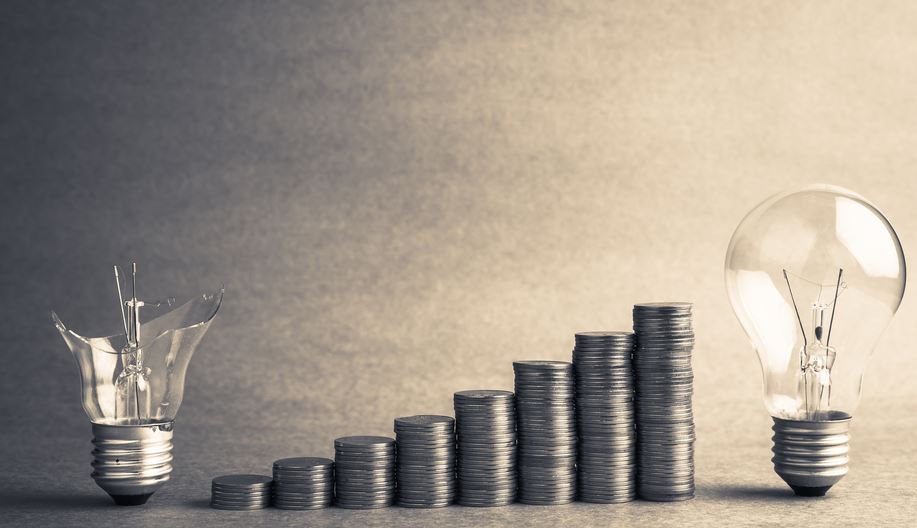
When you think about money behaviors that don’t serve you well, I suggest tuning in to your financial boardroom. Start with a little curiosity. What emotions surface? Which voices are the loudest?
I’m devoting this column to reminders around change management and what to think about for the human element in the midst of change.
Spray-and-pray marketing is a good model for selling T-shirts but not so good for getting advisory clients.
Stock market stoicism isn’t just philosophy – it’s a practical approach to investing where we focus on what we can control (research quality, disciplined decisions, and our reactions) while accepting what we can’t (market whims and short-term sentiment shifts).
Apple Inc. received a pair of analyst downgrades, in the latest sign that soft iPhone sales are becoming an increasing concern for investors, as artificial intelligence fails to act as a hoped-for growth catalyst.
There’s a lot of chatter on Wall Street about artificial intelligence replacing analysts — the folks at banks and brokerages who tell investors which stocks to buy, hold or sell. The bots should be able to make those recommendations just as well as humans.
Since the start of the new year, the bond market has been urging Congress to come to terms with America’s spiraling budget problems. Soon it might be demanding immediate action.
US government bond yields approached their lowest levels of the year after President Donald Trump refrained from immediately implementing tariffs and oil prices declined, easing inflation concerns.
President Donald Trump launched a sweeping overhaul of US energy policy hours after taking office Monday, putting the weight of the federal government behind fossil-fuel production and pulling back from the fight against climate change.
Donald Trump opened his second term as US president with a market-jolting recalibration of his tariff policies, in a sign of turbulence ahead for investors and corporate executives.
2024 was characterized by megacap dominance, with the S&P 500 reaching new all-time highs and gaining roughly 25%. Megacap leadership resulted in the largest companies growing their share of the index. As of this writing, the top seven stocks in the S&P 500 make up 34% of the S&P 500.
New Yorkers bowing their heads into a cutting wind is typically a bullish sign for natural gas prices, and this January is no exception.
The Tax Cuts and Jobs Act that President Donald Trump signed into law in December 2017 imposed a $10,000 limit on the amount of state and local taxes that can be deducted on a federal income tax return.
The latest US sanctions on oil tankers hauling Russian petroleum look set to cause severe disruption across the nation’s export machine, with some of Moscow’s flows at risk of a near wipeout if history is any guide.
Donald Trump’s return to the White House will likely protect US stocks from a big selloff, according to Bank of America Corp. strategists, as investors focus on his protectionist agenda and proposals for lower corporate taxes.
The Federal Reserve faces a reckoning: Sometime soon, it’ll probably have to subject its stress tests to public scrutiny, highlighting serious flaws in what has become its primary tool for ensuring the resilience of the banking system.
Surging long-term interest rates and stubborn inflation are inflaming divisions among congressional Republicans over paying for the sweeping tax cuts Donald Trump promised, complicating the path to passage with the party’s already tenuous majority.
Advisers to President-elect Donald Trump are crafting a wide-ranging sanctions strategy to facilitate a Russia-Ukraine diplomatic accord in the coming months while at the same time squeezing Iran and Venezuela, people familiar with the matter said.
BlackRock Inc. is tapping into a fast-growing corner of the options-powered ETF world with an offering aimed at Wall Street investors bracing for the S&P 500 to tread water.
MicroStrategy Inc.’s Michael Saylor may soon have almost as many common shares at his disposal to help fund the company’s Bitcoin buying spree as market behemoths Amazon.com Inc. and Alphabet Inc. have outstanding.
First came the raid on a Mexico City shopping center known for selling Chinese-made clothing, toys and electronics
Microsoft Corp. has plowed tens of billions of dollars into artificial intelligence. With its stock struggling, the key question is how quickly those investments can prove to be successful.
Canada’s stock market — where returns have lagged the US for two straight years — might offer investors protection against a downturn in US stocks, a Toronto-based asset manager says.
Technical analysis is one of many tools we use to manage clients' wealth. While inconsistent, as with every forecasting model, it is the best means for quantifying investors' collective behaviors. Simply put, historical price and volume data provide a critical context for price levels likely to motivate buyers and sellers.
In response to the 2008 stock market and real estate crash, the Federal Reserve stimulated the economy by reducing interest rates to (almost) zero under its zero interest-rate policy (ZIRP). It “printed money” that amazingly did not bring serious inflation, yet.
There will be more humanoid robots than people by 2040, Elon Musk recently bragged.
Whether you’re speaking with Europe’s largest money manager, Australia’s giant pension funds, or a cash-rich insurer in Japan, there’s a resounding message you’ll hear when it comes to US Treasuries: They are still hard to beat.
For all of Wall Street’s excitement about Donald Trump’s growth agenda, the biggest banks are ending the Biden years on a high note.
Wall Street breathed a sigh of relief after a surprise slowdown in inflation spurred a stock rally and a plunge in bond yields, reinforcing bets the Federal Reserve is on track to keep cutting rates this year.
The latest updates on the labor market and consumer prices show President-elect Donald Trump inherits an economy where inflation is poised to return to the Federal Reserve’s target later this year.
BlackRock Inc. attracted an annual record of $641 billion in client cash, underlining the firm’s global reach across public and, increasingly, private assets as it integrates multibillion-dollar acquisitions and reshapes its leadership.
Advisors who refine their tech stacks and focus on actionable solutions will thrive. Likewise, wealthtech companies that prioritize delivering meaningful outcomes will rise to meet the industry’s new standards.
I wrote this from Las Vegas, where my son Jonah and I were at CES (the Consumer Electronics Show). In investing and life, it’s very easy to get tunnel vision – doing what works and staying in your comfort zone. I wanted to attend CES to shake myself out of this pattern.
Goldman Sachs Group Inc. cruised past estimates as its equity traders delivered their best year on record.
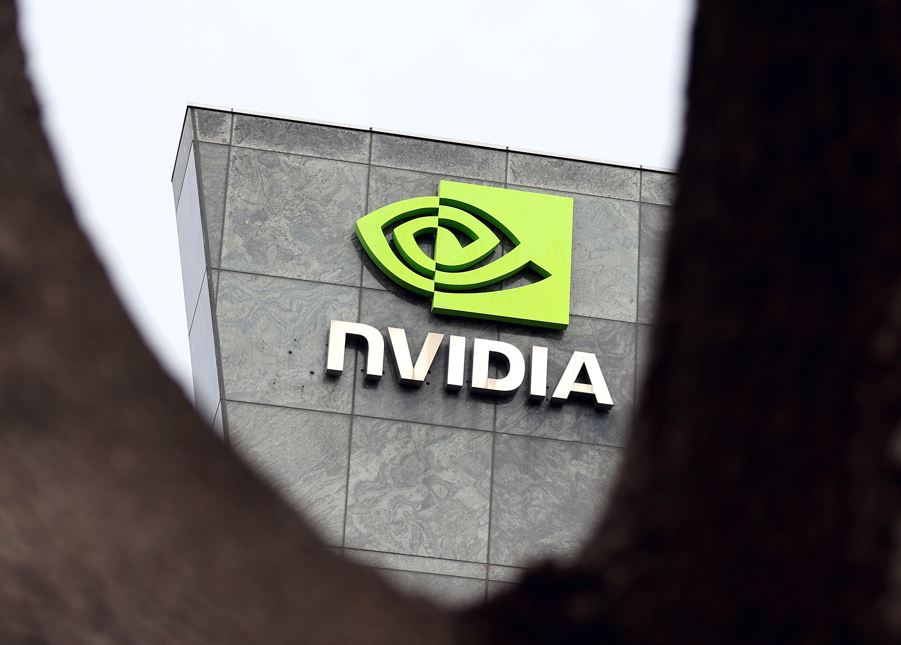
Nvidia Corp.’s $3 trillion run-up in market value in the two years since ChatGPT helped trigger an AI frenzy is bigger than any stock rally in history in such a short time span.
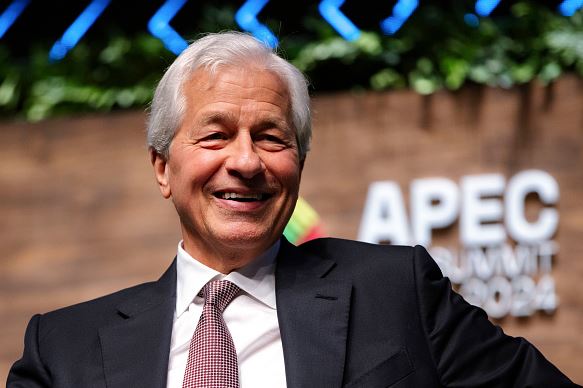
Jamie Dimon, who turns 69 in March, will one day retire as chief executive officer of JPMorgan Chase & Co. The candidates to succeed him have been well advertised.
One of the longest, most technical and, as it turns out, most inconsequential public-policy debates of the 21st century was about net neutrality.
On top of the human tragedy they’re still inflicting, the Los Angeles wildfires are exposing a gap between what people thought their homes were worth and what they’ll actually get from insurance companies when those houses have been reduced to ash. Potentially thousands of homeowners are learning it won’t be nearly enough.
US government bonds surged as benign inflation data prompted traders to resume their bets on additional Federal Reserve interest rate cuts by July.
Wall Street was set for a higher open on Tuesday, though a renewed rise in Treasury yields damped the sentiment boost offered earlier by the prospect of gradually imposed US trade tariffs.
Chinese officials are evaluating a potential option that involves Elon Musk acquiring the US operations of TikTok if the company fails to fend off a controversial ban on the short-video app, according to people familiar with the matter.
What happens when you simply don’t like a colleague but you need to work side-by-side with them every single day?
“Risk,” according to London Business School’s Elroy Dimson, “means that more things can happen than will happen.” Serhii Plokhy’s Chernobyl Roulette provides the reader with a compelling demonstration of that dictum.
We need to face the reality that we’ve chosen a system that prioritizes lower taxes over centralized health care.
For firms chasing digital empowerment it’s especially important to pay attention to the first 60 days of onboarding with a new technology and tech provider.
In today’s economy, leading with qualification creates a huge blind spot and prevents your business from growing. While you think you’re qualifying them, in their mind, they’re being interrogated by you.
Traders are bracing for one of the most volatile earnings periods in stock market history.
Over the past few months, I’ve had occasion to speak at a number of conferences concerned with the impact of artificial intelligence on financial jobs.
Private equity wants access to Americans’ retirement accounts, and is lobbying President-elect Donald Trump’s administration to get it.
The Roaring 2020s have been very good so far, but not exceptional when examined in isolation. That said, when viewed in the context of the past 16 years, this record-breaking bull market is spectacular.