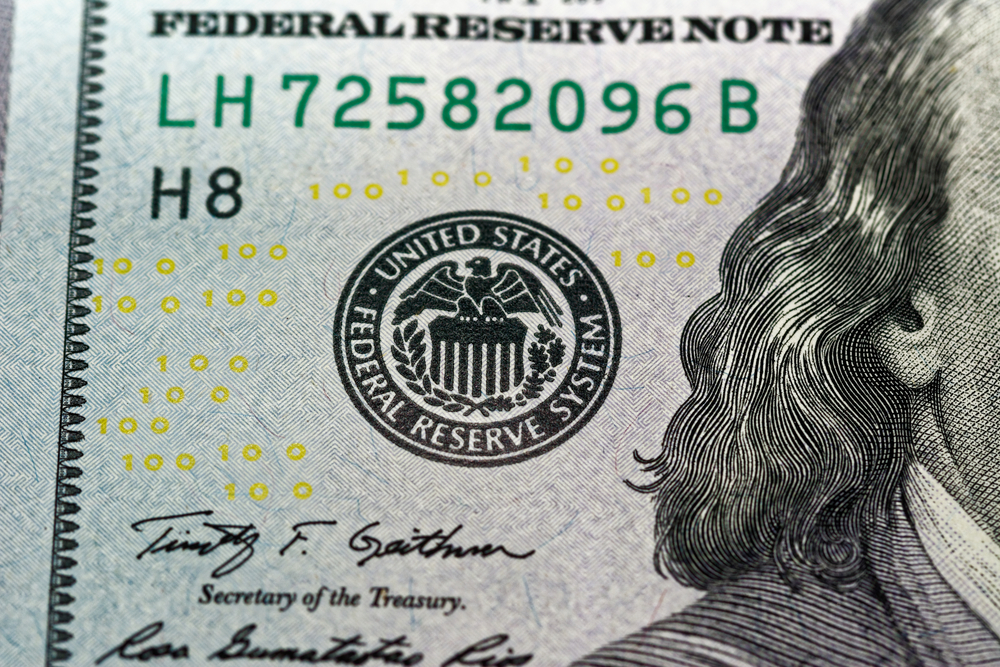
Federal Reserve Chair Jerome Powell is justifiably proud of the central bank’s independence — and refreshingly candid about its boundaries.
There are several ways to look at Tesla’s deep price cuts in the US and Europe, which came on the heels of two rounds of reductions in the span of 10 weeks in China.
Behind the five-decade low US unemployment rate of 3.5% lies a 2.6 million-person mystery.
Some of the biggest investors in US commercial real estate are looking to cash in before property values slide further.
It is a challenge to design a website that addresses the needs and questions of multiple client types.
There are many reasons advisors should avoid social media marketing.
I learned a lot in 2022. Here were my biggest epiphanies.
I have been in this profession for 25 years and I’ve never seen anything like the young people we are hiring today – lazy, unmotivated, but still thinking they deserve the trophy.
For the past few years, regardless of price, there's been a buyer for every RIA seller. But that won’t continue.
Southwest Airlines cancelled 16,000 holiday flights. It will cost the airline dearly in reputational rage and lawsuits. Will massive Reg BI compliance failures cost BDs?
Meta Platforms Inc.’s market-beating rally of the past few months is failing to convince some skeptics, given how much money the owner of Facebook and Instagram continues to pour into building its version of the metaverse.
Vanguard Group, which quit the world’s biggest climate-finance alliance in December, was the only major ETF provider to post an increase in European assets last year thanks to its lower exposure to environmental, social and governance strategies, according to Morningstar Inc.
Wall Street bond dealers are moving rapidly to the sidelines of US Treasury auctions — the very activity that defines their status at the heart of the world’s biggest bond market.
Higher expenses and a plunge in deal-making hobbled quarterly results for two of Wall Street’s premier investment banks, with shares of Goldman Sachs Group Inc. sinking amid concern that the situation won’t improve anytime soon.
One of the main questions for the US economy in 2023 is how the trajectory of inflation will unfold.
A bad earnings season just might be good for stocks.
Here are my six best tips for creating high-quality video content using your smartphone.
Advisors must redesign their entire approach, starting from the client's point of view.
As a financial coach whose mission is to talk fee-only advisors “off the fence” of procrastination, I frequently answer two questions.
Let me share a story of an RIA who will be forced to mount a legal defense because of a lawsuit that is likely to be filed by two of his retired clients.
One syndrome is surprisingly common among the children of high-net worth parents: “failure to launch.”
So-called greenwashing by asset managers misleads investors by labeling products with false claims of ESG benefits. But the SEC’s initiative to restrain this malpractice falls short because it does not distinguish between risk- and ethics-driven ESG products.
Morningstar’s latest research showed higher safe spending rates across all asset allocations over all time horizons. I don’t agree with those results.
Markets provided investors with a dozen lessons in 2022 (and a bonus one in the postscript).
The inflation story took a turn for the better on Thursday when the government reported that the consumer price index fell 0.1% from a month earlier.
The omnibus spending bill puts our retirement system on an even less sustainable basis.
The process by which advisors select a TAMP is the latest illustration of fiduciary failure, and the SEC has responded with ominous rulemaking that will have questionable value to our profession.
Former Treasury Secretary Lawrence Summers said that the US economy is still facing a recession this year, despite encouraging news in recent weeks.
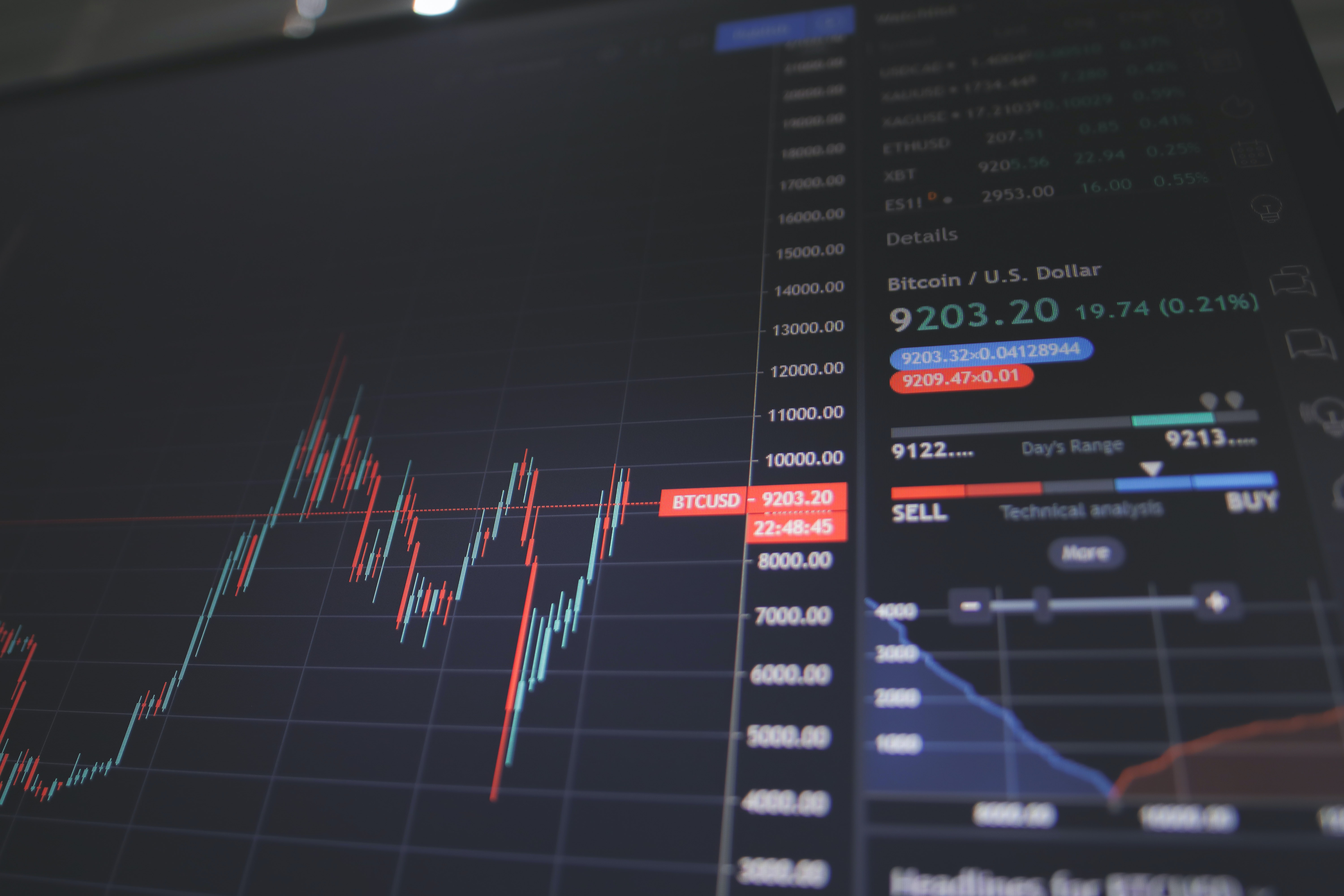
There may be a lot of bad stuff going on in the world of crypto right now, but Bitcoin true believers don’t seem to care.
The US tax filing season will begin Jan. 23 and run through through April 18 with, perhaps, less frustration for both taxpayers and the Internal Revenue Service than in recent years.
One of the most lucrative money-making machines in the world of finance is all clogged up, threatening a year of pain for Wall Street banks and private-equity barons as a decade-long deal boom goes bust.
A Nevada lithium mine that would be only the second in the US is getting backing from the Biden administration as it seeks to boost the domestic supply of the critical mineral needed to make electric vehicle batteries.
US inflation slowed again in December — with luck, bringing forward the point at which the Federal Reserve can safely stop raising interest rates.
Welcome to tax season, TikTok edition.
Big global banks are eying some of the world’s most fragile countries for a new experiment in financial engineering: debt relief in exchange for environmental protections.
Each year presents its own challenges, and 2023 is no exception, with economic uncertainty riding high, geopolitical tensions rising and the policy landscape shifting.
Chinese government entities are set to take so-called “golden shares” in units of Alibaba Group Holding Ltd. and Tencent Holdings Ltd., suggesting Beijing is moving to ensure greater control over key players in the world’s largest internet arena.
The 68-year-old retired landscaper first started investing in Tesla Inc. in 2012 after hearing about Elon Musk, who wasn’t nearly as famous at the time.
You read that right. The Fed wants lower stock prices.
US inflation continued to slow in December, adding to evidence price pressures have peaked and putting the Federal Reserve on track to again slow the pace of interest-rate hikes.
Tesla investors begin the new year trying to escape the shadow of 2022, when more than $670 billion of value was wiped out.
Since we gave up on the idea that high inflation would be transitory, the hope has been that we would manage a soft landing: Inflation would melt back to 2% without doing too much harm to the labor market or economic growth.
Bed Bath & Beyond Inc. soared Wednesday, more than wiping out a 46% drop last week and sparking a rally in other so-called meme stocks.
The six biggest Wall Street banks are expected to slash their corporate bond issuance in 2023 for a second year in a row, offering a bright spot for investors nursing record losses from the debt last year.
Demand for Europe’s debt sales has topped half a trillion euros already this year as investors seek to put money to work in bonds offering some of the highest yields in years.
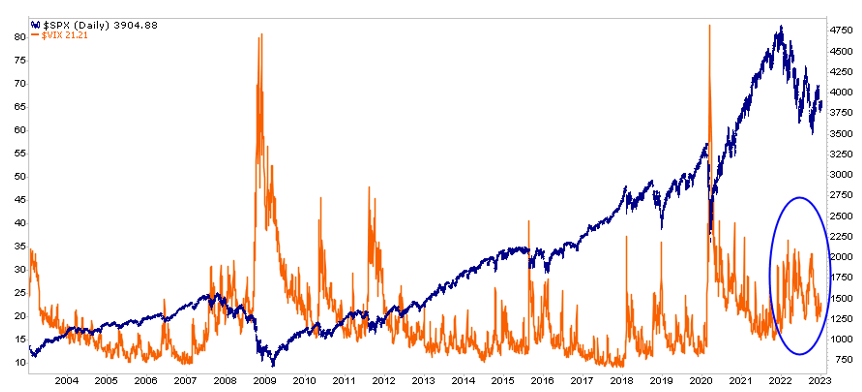
A disaster for bulls, the yearlong tumble in American stocks has in some respects been almost as rough for the other side of the trade.
Federal Reserve officials are making a full-court-press effort to convince investors they won’t be slashing their benchmark interest rate before year’s end.
Emerging-market stocks extended their lead over US shares in the early days of the new year, with the equity benchmark rising to a six-month high against the S&P 500 Index.
I've put together four steps to grow your client base – this month.
The market volatility and interest-rate hikes that gave US banks their biggest windfall last year may prove to be their biggest headache in 2023.