Oil climbed as traders weighed supply risks and executive warnings of further energy crunches against central bank pledges to raise interest rates further.
Global bonds sold off as investors responded to central bankers signaling they will increase interest rates as much as necessary to bring down inflation.
Wall Street says the meme stock is here to stay.
Asset managers that just reclassified hundreds of ESG funds should expect to have to explain themselves to their regulators and investors, according to lawyers advising the industry.
If there’s anything fans and foes of President Joe Biden’s student loan-forgiveness initiative can agree on, it’s that it doesn’t do anything to address the real issue: the ever-rising cost of college and attendant accumulation of debt.
The dog days of summer are firmly over as global investors absorb Federal Reserve Chair Jerome Powell’s stern message that interest rates are going higher for longer in a painful fight against inflation.
Uber has a history of not making any money.
The SpaceX chief teamed up with T-Mobile CEO Mike Sievert to unveil a new service that will utilize Musk’s Starlink satellites to offer cell coverage in every corner of the US.
Gold declined after Federal Reserve Chair Jerome Powell warned against any idea that the US central bank would start loosening monetary policy soon.
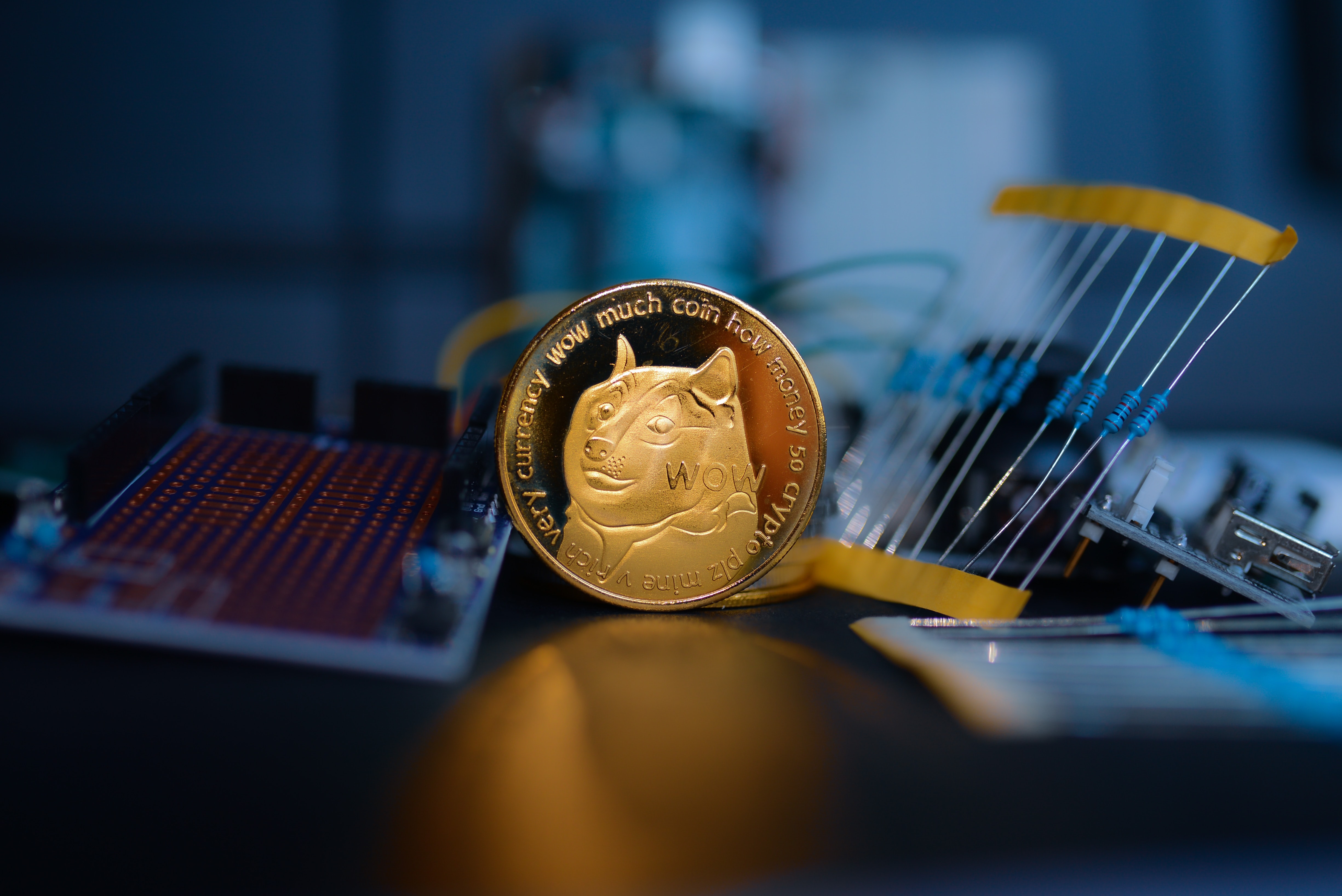
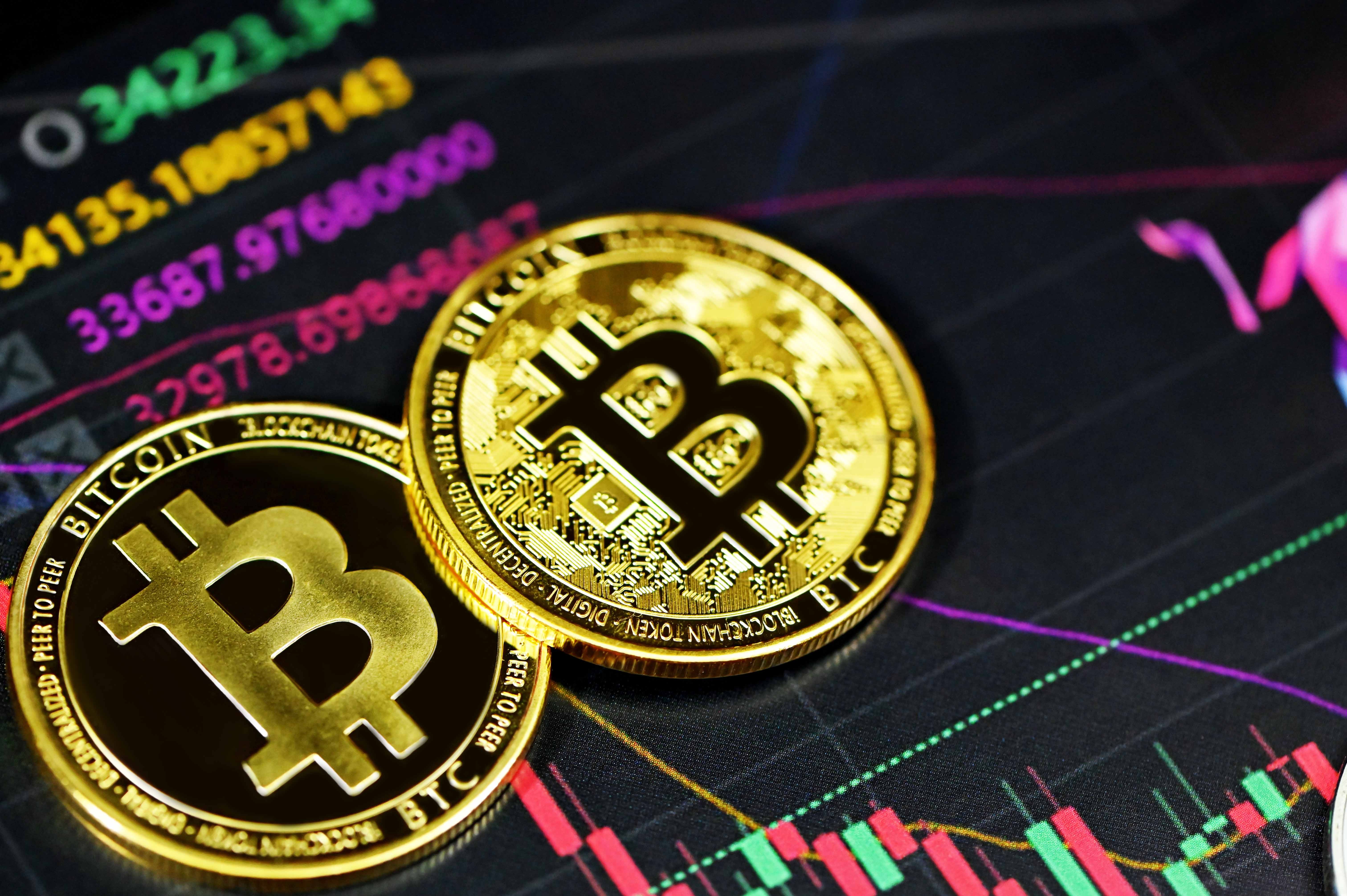
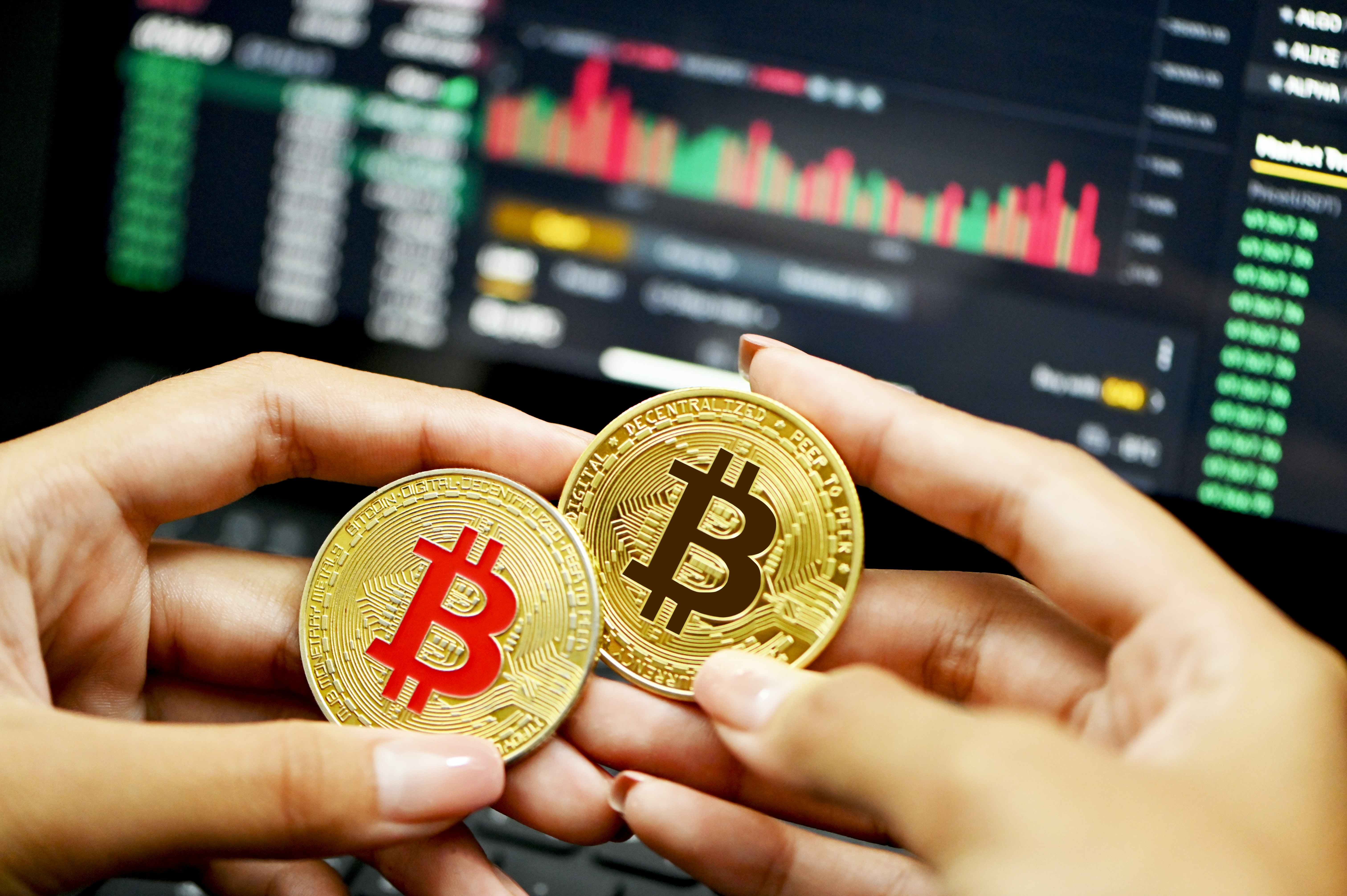
Cryptocurrencies mirrored global markets and declined after Jerome Powell warned against prematurely loosening policy, with Bitcoin settling into the lower end of the narrow range that it has traded in the past two weeks.
Two-year Treasury yields. rose as investors digested the remarks, pushed as high as 3.44% while the 2- to 10-year yield curve resumed its flattening. Equities were lower.
“We need to make these chips here in America to bring down everyday costs and create jobs,” said Biden...
Professional stock pickers are beating the market in a scale not seen in more than a decade.
President Joe Biden’s student-debt plan is bad policy in too many ways to count. But is it also bad politics?
Even elite money managers are struggling to pick winners in this year’s vicious market.
2022 may be remembered as the year when living standards in the US truly pulled away from those in Western Europe. One concrete piece of evidence is the collapse of the euro to parity with the dollar, or lower yet, but there is also a more general sense that the gap is widening.
Federal Reserve Chair Jerome Powell’s message to investors was short and blunt: The central bank will likely keep raising interest rates and leave them elevated for some time to battle inflation.
The driverless truck companies all contend their technology will make big rigs much safer for US highways.
Call it a taper tantrum, times 10. Developing nations are reeling from the double whammy of Federal Reserve interest-rate hikes and China’s economic slowdown.
It’s tough being caught in the middle, especially when it comes to inflation.
Our goal is to narrow the gap between theory and practice and take advantage of volatility. We do this through thoughtful arrogance.
We encounter plenty of obstacles as financial planners. And the biggest of all are the barriers thrown up by our clients.
Mortgage rates in the US surged to the highest since June, turning up the pressure in a housing market where demand has fallen sharply from its pandemic-era peak.
When it comes to building prospects’ trust so that they become clients, advisors need something else.
It can be daunting to get back on track once you’ve fallen behind.
Federal Reserve officials stressed the need to keep raising interest rates even as they reserved judgment on how big they should go at their meeting next month.
The government’s main measures of US growth pointed in different directions in the first half of 2022, adding to the ongoing debate on the health of the economy.
Amazon.com Inc. agreed to buy enough carbon-free hydrogen from Plug Power Inc. to run 30,000 forklifts or 800 long-haul trucks annually in a push to use less fossil fuel. Plug’s shares surged.
When Naeche Vincent’s employer told her she had to start coming to the office last year, she decided to make a TikTok video about preparing to step foot inside the Wall Street investment bank for the first time.
With Wednesday’s long-awaited announcement forgiving the debts of certain student borrowers, President Joe Biden hopes to give Democrats a boost in this fall’s midterm elections.
Does the quality of trade execution matter in the equities market?
This article considers a change in behavior that would generate a price-wage spiral.
Family offices must stay on the pulse of the latest technology to remain relevant.
The first step after winning the lottery is to assemble a team of trusted advisors.
We have a team of advisors who are the kings and queens of gossip.
One of the most popular and reliable touchstones of investment strategy is value.
When Federal Reserve Chair Jay Powell speaks in Jackson Hole later this week, he will have no shortage of critics lying in wait to vivisect his every remark.
The crypto world could be facing its own Y2K moment, when the Ethereum network undergoes a major software upgrade in September.
The phrase “$10 gas” is liable to put Americans in the hospital.
Hedge funds ramped up bets on megacap US tech stocks and whittled down overall holdings to concentrate on favored names last quarter, with conviction growing to levels last seen before the pandemic, according to Goldman Sachs Group Inc.
A whistle-blower’s complaint alleging Twitter Inc. ignored a rash of spam and bot accounts could help Elon Musk in his effort to walk away from a $44 billion buyout of the social-media platform, legal experts say.
Imagine running the restaurant you envisioned while outsourcing the non-customer-facing tasks to McDonalds.
While growth and succession can be accomplished using a DIY approach, there are benefits (professional and personal) that come with working with a strategic partner to achieve those goals.
I explain how attempts to view advisor compensation through a moral lens instead of an economics lens lead to false conclusions about the relative merits of each pricing model and hence to misguided predictions for the future of planner compensation.
A strong culture is key to inspiring the team and workplace of tomorrow.
The economy is trying to take us for a ride.
If reshoring doesn’t become a significant trend over the next decade, it never will.
When Nick Twidale reaches his desk in Bridge Street each morning, in the heart of Sydney’s financial district, he’s greeted by a seemingly endless slew of dollar buy orders.
US companies that cut carbon emissions could qualify for subsidies on even the smallest projects under new climate legislation, unleashing a potentially unprecedented wave of investment in green technologies.
Cathie Wood’s flagship ETF, Bitcoin, meme stocks, profitless tech firms. The risk assets that powered this quarter’s $7 trillion rally all took a pounding Monday.