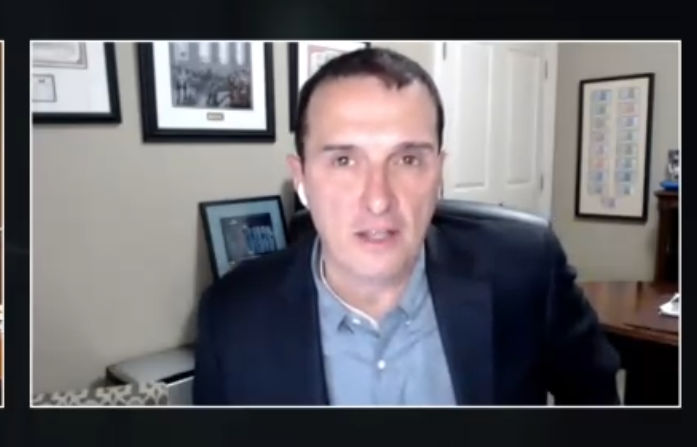
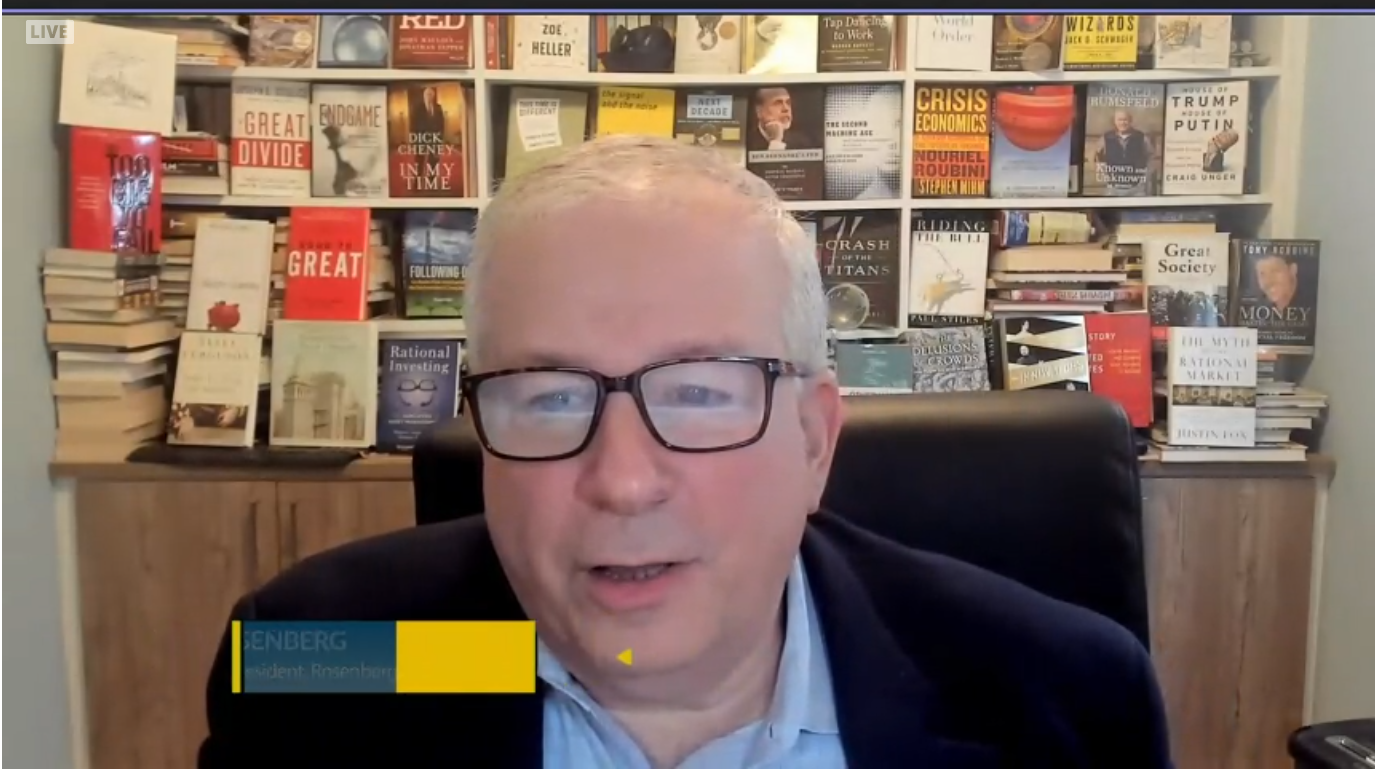
The Fed is on a single-minded mission to fight inflation, according to Jim Bianco. To do that, it will crush stock prices and home values.
LinkedIn statistics show that members who include a professional photo receive 21x more profile views and up to 36x more messages.
When you say: “Hi, I’m just ‘following-up…” it sends the message that you care about making the sale more than solving their problem.
The ocean shipping industry, among the world’s biggest polluters, is asking a key regulator to overhaul its emissions directives so that all carriers are working off the same rulebook as they make the expensive changes needed to cut output of harmful carbons.
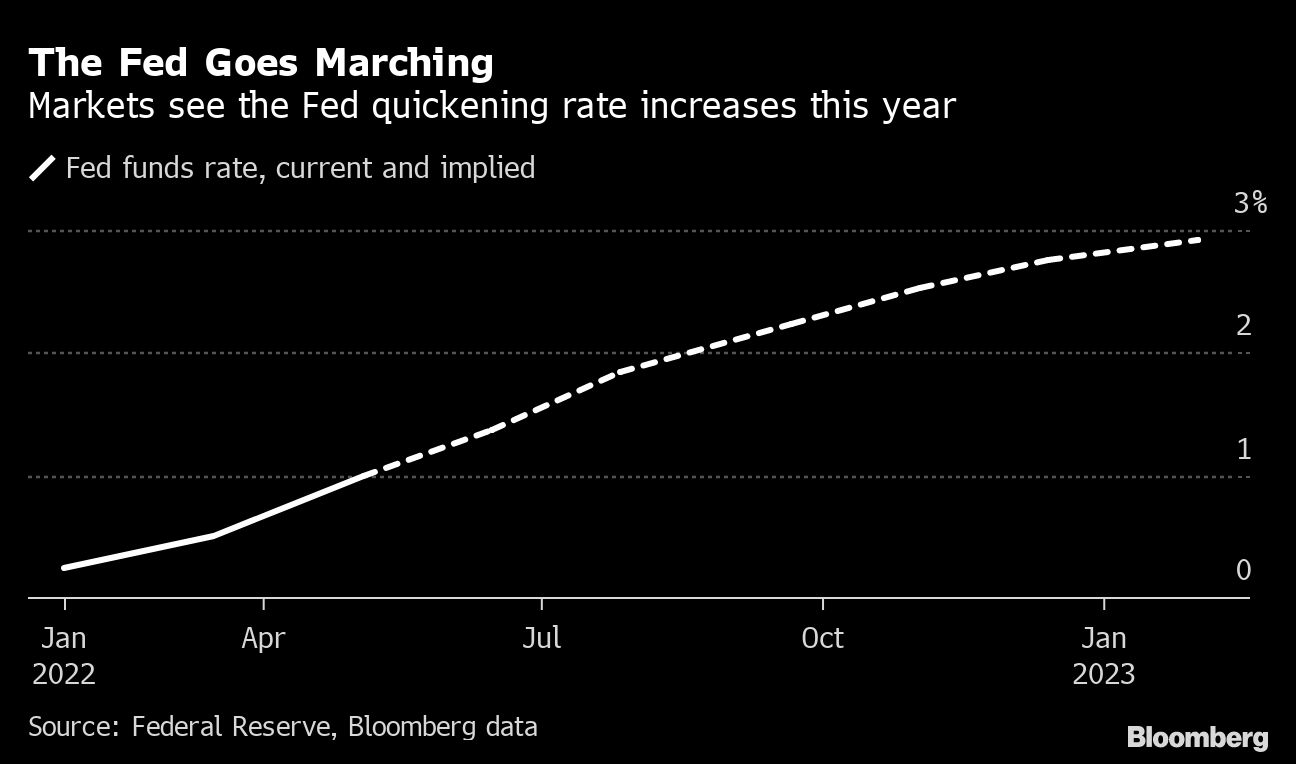
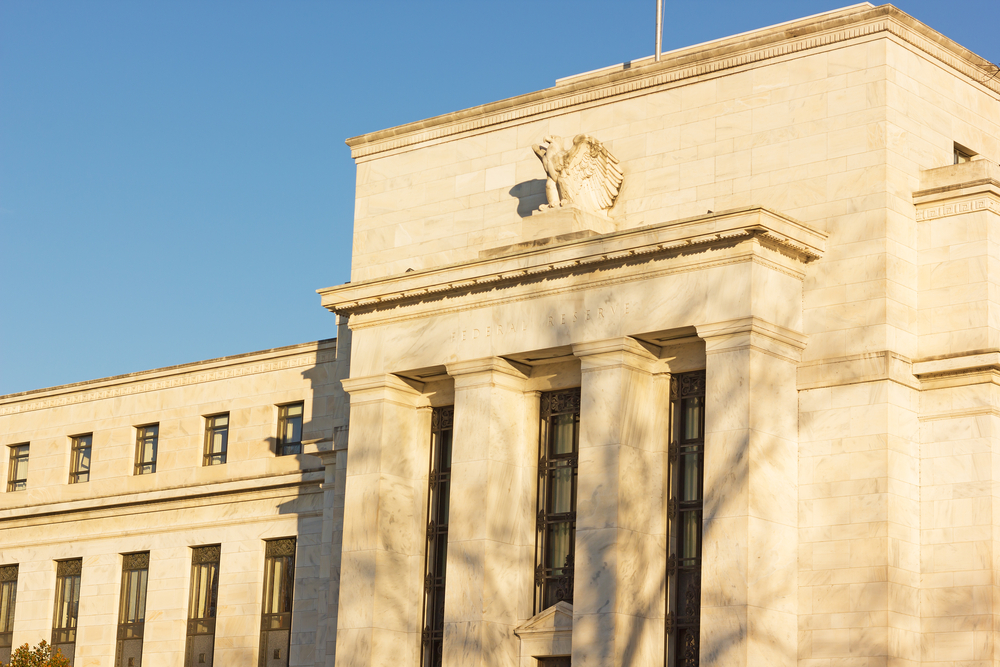
The Federal Reserve has finally started to get real. It increased the policy rate target Wednesday by 50 basis points. More rate hikes are expected as the Fed tries to bring down inflation. But will this be enough?
Consumers seem undaunted by higher prices of everything from luxury cars to beer, letting companies like Anheuser-Busch InBev NV and BMW AG boost profits despite economic threats ranging from inflation to war to China’s Covid flare-up.
Higher interest rates from the Federal Reserve's efforts to get a handle on inflation have contributed to the stock market's worst start to the year since 1939. That's bad news for investors, but the market signal being sent to corporate America is good news on the inflation front.
Economic policy seems especially susceptible to a certain dynamic. Ideas get fixed too firmly and for too long, so when they’re forced to change, the shift is violent. Narratives drive decisions, and stories shape events, rather than the other way round. The new account of inflation is an arresting example.
Federal Reserve Chair Jerome Powell assured Americans that policy makers will do what it takes to curb surging inflation, acknowledging this could cause “some pain” as the U.S. central bank deployed its most powerful policy tightening in decades.
ICYMI: In this roundup, we’re highlighting the five most popular pieces of content from the previous week.
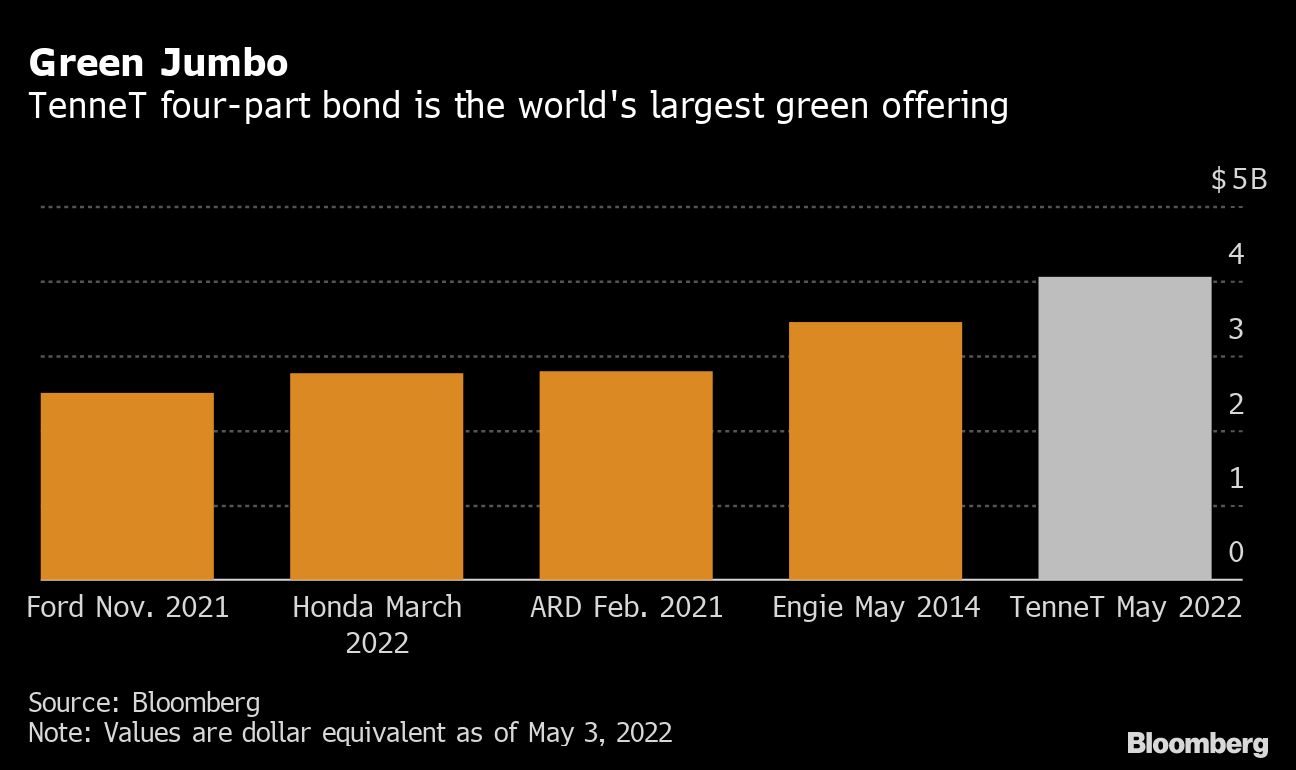
Dutch power company TenneT Holding BV sold 3.85 billion euros ($4.06 billion) of green debt across four maturities Tuesday, to fund greener electricity grids across Europe. It’s the largest deal for the environmental debt from a company, topping previous efforts from Honda Motor Co. and Engie SA, according to data compiled by Bloomberg.
The Milken Institute Global Conference continues in Beverly Hills, California, bringing together investors, dealmakers, power brokers and celebrities to discuss markets and megatrends. Academics, sports stars, entrepreneurs and politicians among the thousands coming to the Beverly Hilton for the event, which runs through Wednesday.
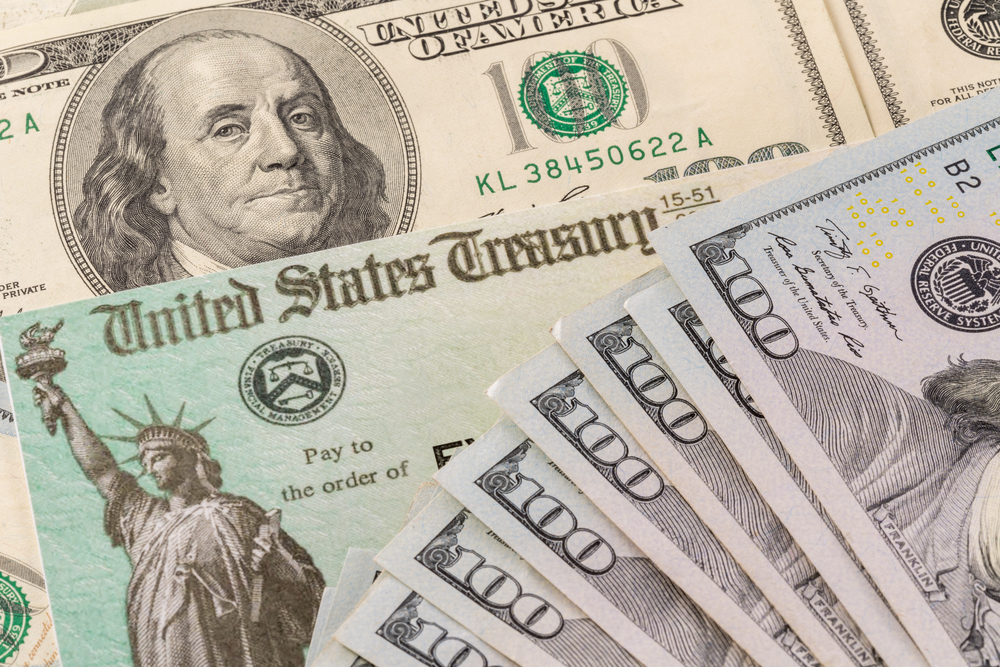
The Treasury Department said in a statement Wednesday that it will sell $103 billion of long-term securities at auctions next week -- down $7 billion from February. This marks the longest string of quarterly cuts since a 2014-2015 cycle. In a surprise for some dealers, it’s also trimming sales of two-year, three-year and five-year auctions in coming months.
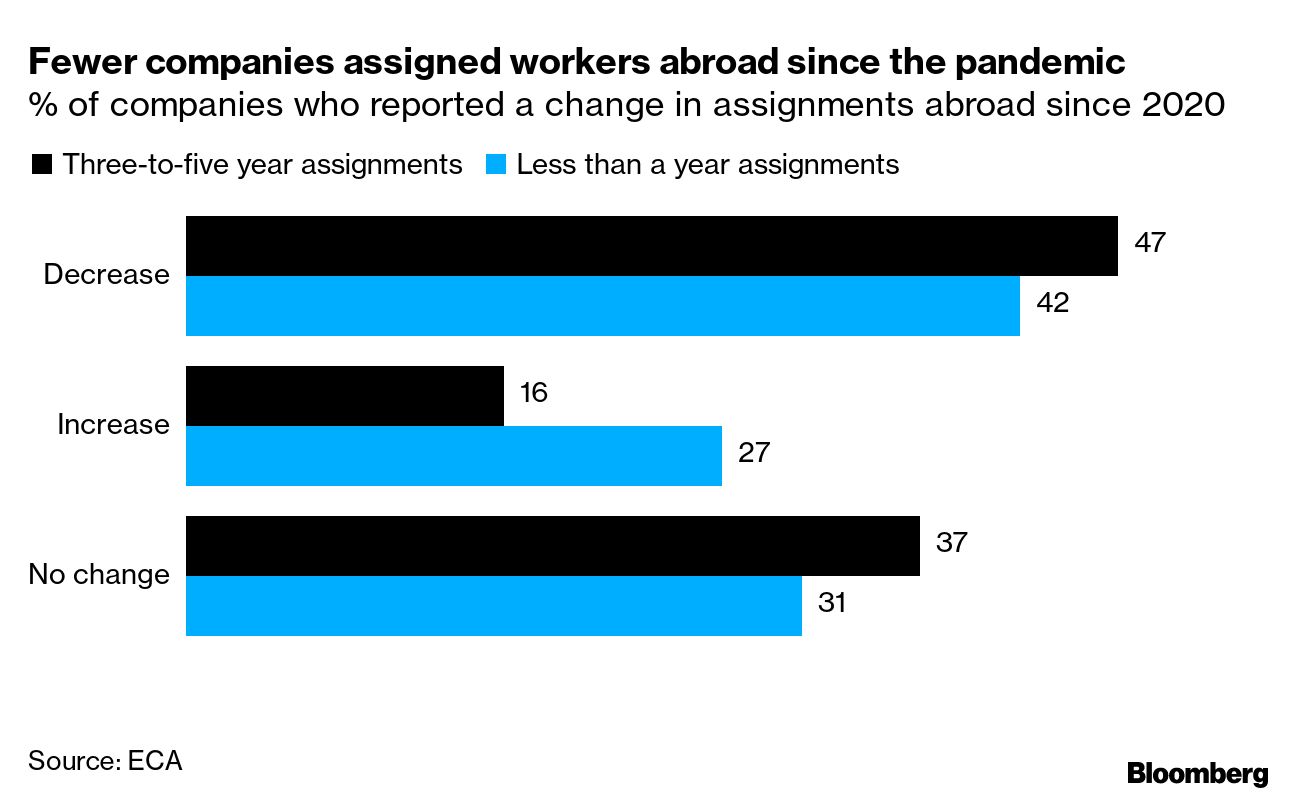
Whether it’s because of tight Covid restrictions, separation from family or the frustration of closed borders, a growing number of people living abroad have made the choice to move closer to home. In the process, they’re facing the reality of inflation and pandemic-related transportation snags, not to mention the possibility of lower-paying jobs and higher taxes in their new location.
There are no shortage of bears making similar claims these days. Between the Russia-Ukraine war, the aggressive tightening by the Federal Reserve, soaring inflation and Covid lockdowns in China, there are plenty things to worry about. The S&P 500 has already lost 12% this year, while the Nasdaq Composite cratered into a bear market after sliding more than 20% from its peak in November. Key bond benchmarks are down more than 10%.
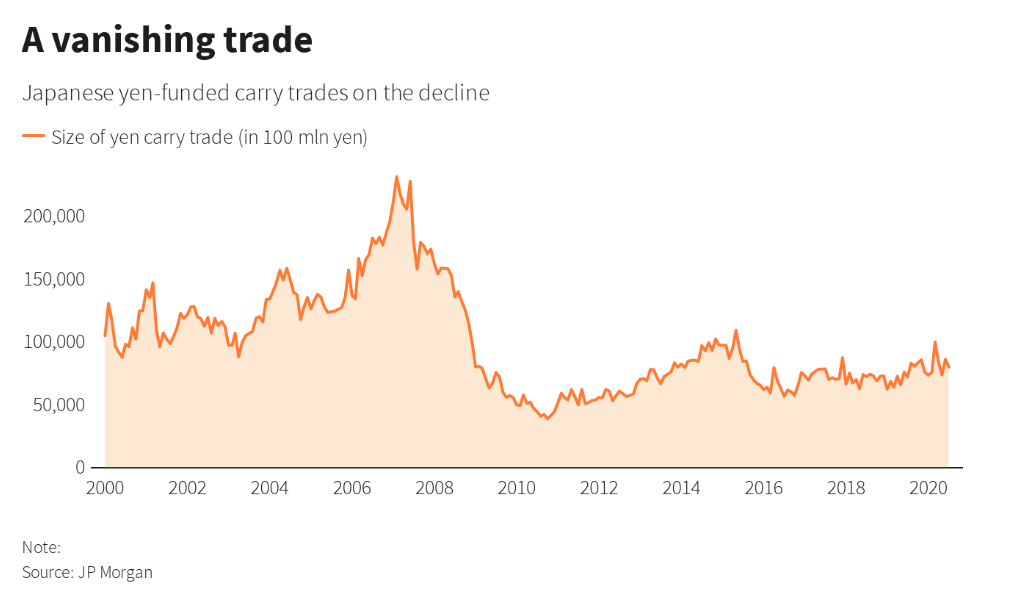
The BOJ is trapped. It is conducting unlimited QE to keep rates low and weaken the yen, which promotes inflation.
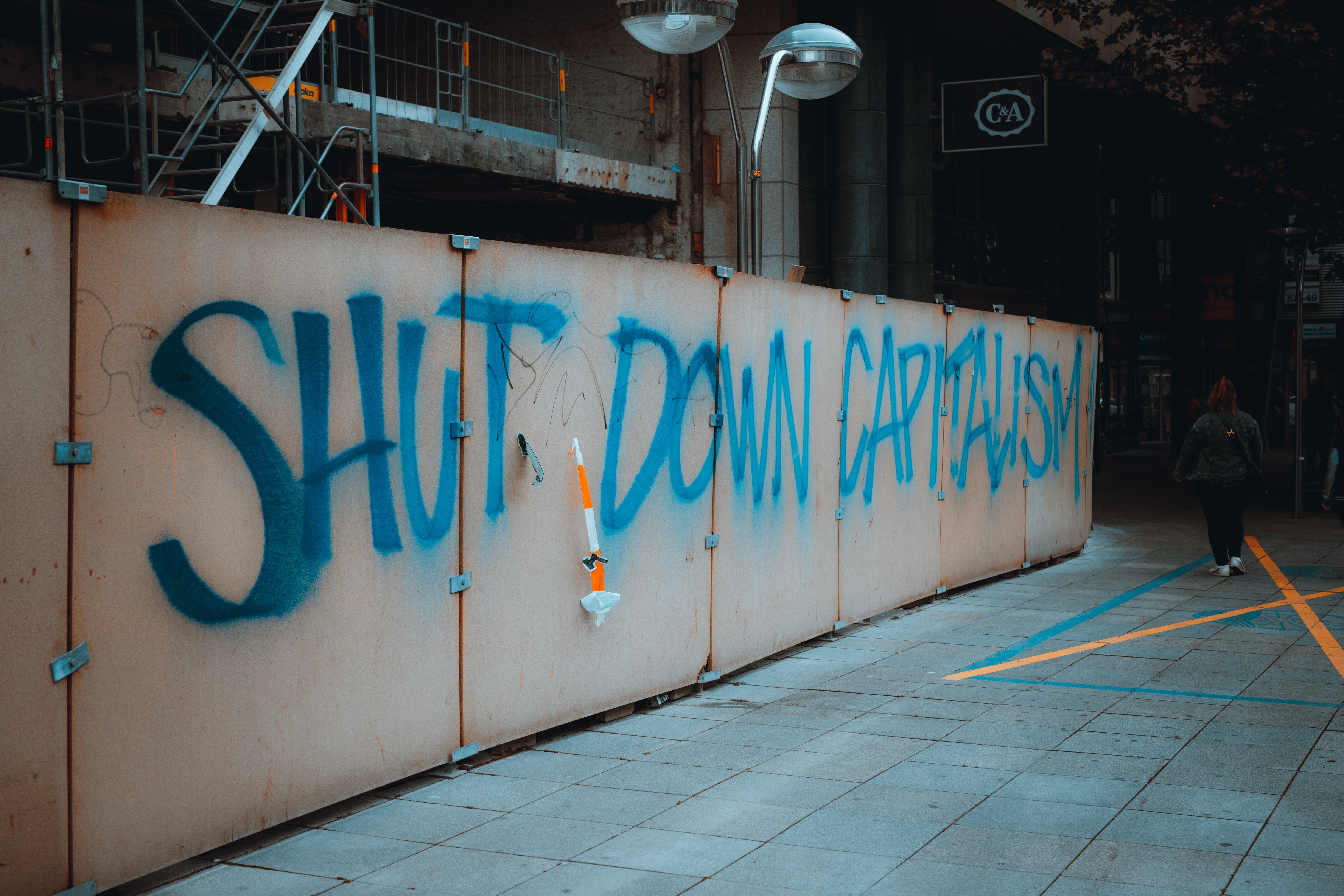
Did "capitalists" cash in on the pandemic and were they responsible for the deaths of thousands of Americans?
Being competitive with salaries, providing flexibility in the workplace with a work-life balance, providing stock and profit sharing, and giving employees the environment they desire are the traditional keys to retaining great team members. But that’s not enough.
We have a woman on our team who seems to enjoy stirring things up.
Let’s look at 10 must-haves for financial advisor websites.
“Agents are standing by” to help your clients make one of the most pivotal financial decisions of their retirement… a decision that will blindside you as their advisor and throw even the most carefully crafted retirement plan for a loss. Sometimes, a very big loss.
From organizing your closet to deep cleaning your kitchen, we're sure there's plenty for you to do. But we've got one more item to add to your list – spring clean your business plan.
I’ll explore four stages of personal performance that will improve your ability to recruit top talent.
You will wear a therapist hat on top of your wealth manager cap.
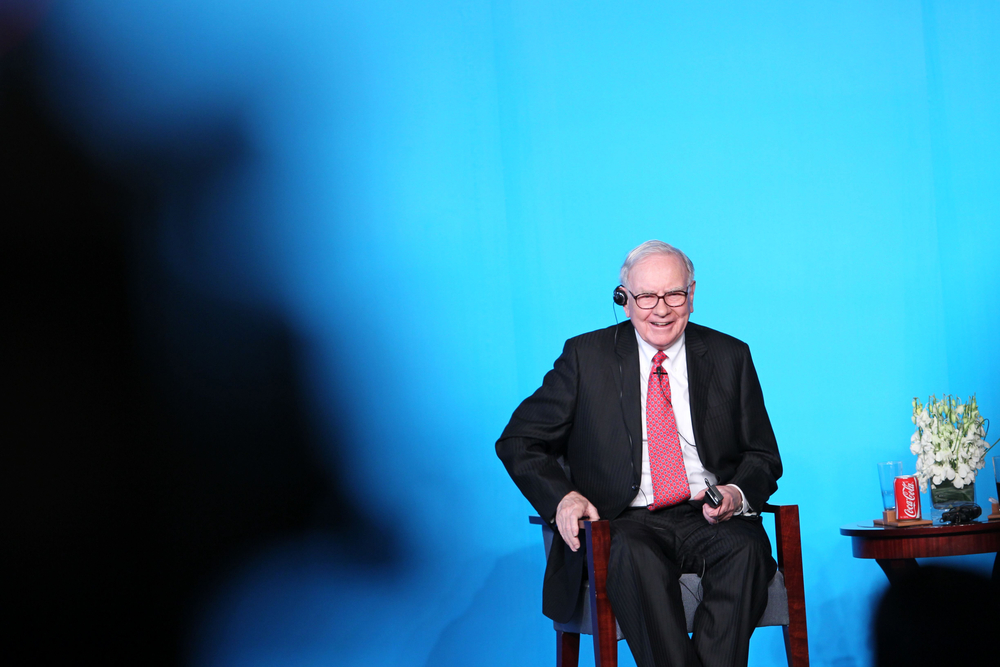
Warren Buffett has simple advice for investors as they stare down the worst inflation in decades: Invest in your own skills.
With so many analysts, not to mention market pricing, having settled on a 50-basis-point interest rate increase by the Federal Reserve this week, it would be understandable to assume that it’s a “done deal” when it comes to what the central bank will announce at the conclusion of its policy meeting on Wednesday. The situation could not be further from the truth.
If you want to blame one company for the surge in inflation over the past year, blame Amazon. When e-commerce demand leaped at the onset of the pandemic in 2020, the retailer decided to expand capacity to meet higher growth forecasts.
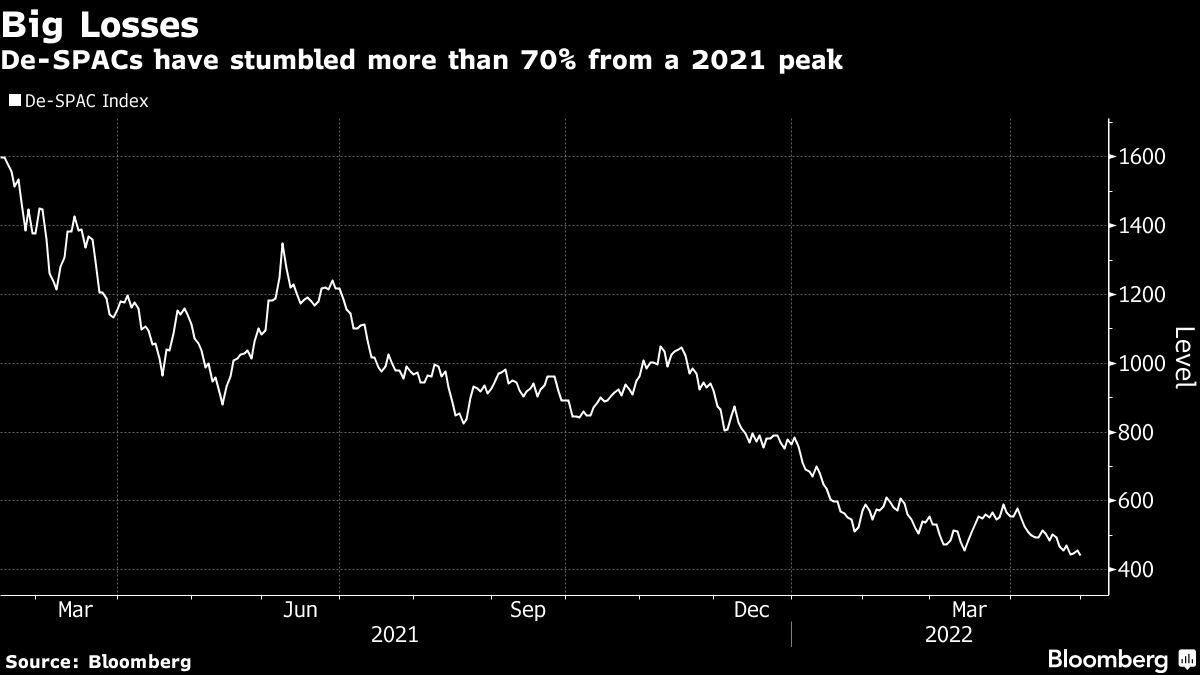
Judging by the 70% beating that former SPACs have taken since they peaked early last year, a lot of investors are leery of blank-check companies -- which is why Enrique Abeyta likes some of them.
Both the S&P 500 and the Nasdaq 100 have fallen for four consecutive weeks, and the S&P’s 8.8% drop last month marked its worst April performance since 1970. The tech-heavy Nasdaq slumped 13% for its worst month since the financial crisis in 2008.
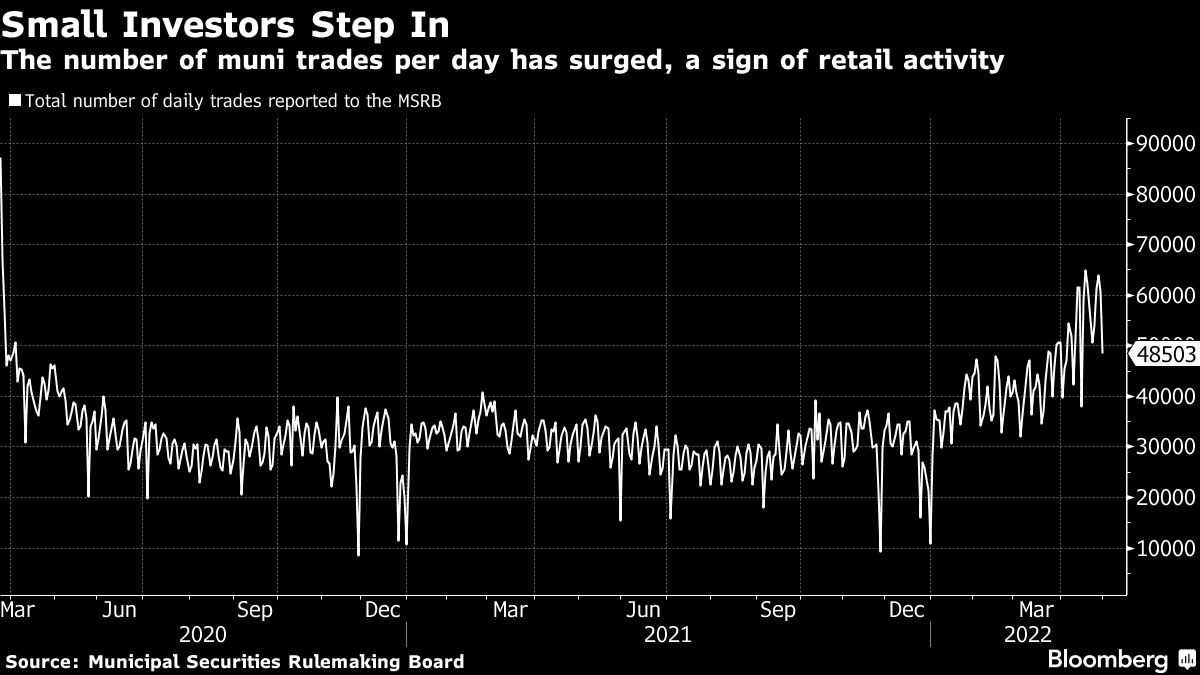
The number of daily trades surpassed 60,000 on a few days in late April, levels last seen during the 2020 pandemic-induced selloff. In March, that figure averaged around 42,600, according to trade data from the Municipal Securities Rulemaking Board.
The U.S. economy will be in recession in the second half of this year, according to David Rosenberg. Equity Investors should brace for a 30% bear market decline.
In an ambitious new book, the economist Andrew Smithers rejects core “Newtonian” principles of economics, replacing them with radical departures from conventional wisdom. But as I will explain, some of Smithers’ theories fail meet the standard of empirical verification.
Here is the just released our 2022 T3/Inside Information Software Survey. It ranks, by market share, the leading software solutions in advisory-firm tech stacks in 35 different categories.
Forward-thinking advisors have been searching for and employing analytics very carefully. This series will explore some of these metrics, along with their benefits and pitfalls. Today’s topic is capital markets assumptions.
Investors seeking higher yields and relatively low risk, and are willing to sacrifice liquidity, will find attractive opportunities in interval funds that invest in senior secured, middle-market loans, such as those offered by Cliffwater.
The U.S. stock market is very likely in a bear market that anticipates a recession will start later this year. This means the time is now to shift portfolios from risk-on mode to risk-off before the losses get even worse. But what worked in the past when hedging against a bear market may not work now, given the ever-changing economic dynamics. It’s also important not to fall for some old myths.
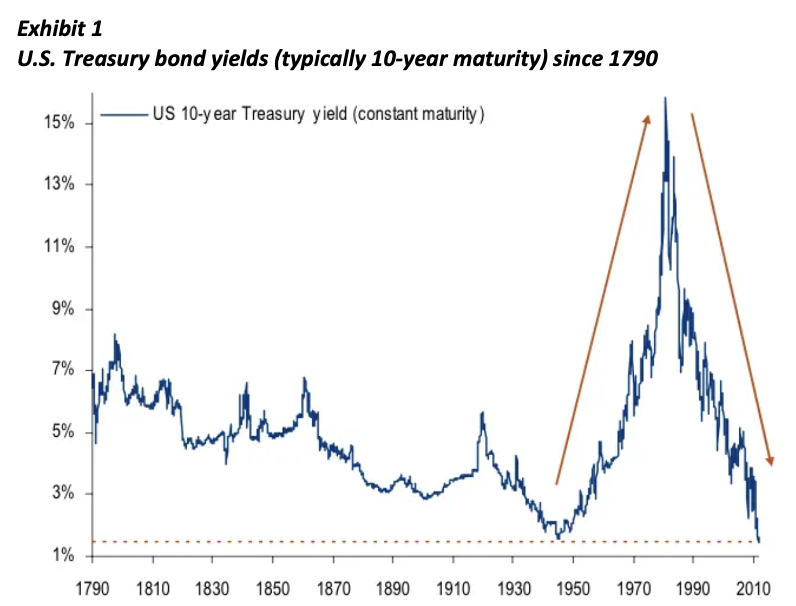
The Fed messed up. Big time. After almost 40 years of low, predictable price growth, inflation is back: 8.5% at last count and it may go higher still. Some of the inflation is related to pandemic re-opening, but some of it came from serious policy errors. Now the Federal Reserve faces some hard choices. It may even need to cause a recession to bring inflation back to manageable levels.
If you think it has been painful that the market has been down each of the past four weeks, your nest egg hasn’t seen anything yet.
Markets have already priced in a 50-basis-point hike on Wednesday, expecting the Fed will take a quicker approach in order to squash stubborn inflation. Accelerating U.S. labor costs and a resilient consumer are effectively giving the central bank the green light to raise interest rates by a half-point next week to tamp down price pressures.
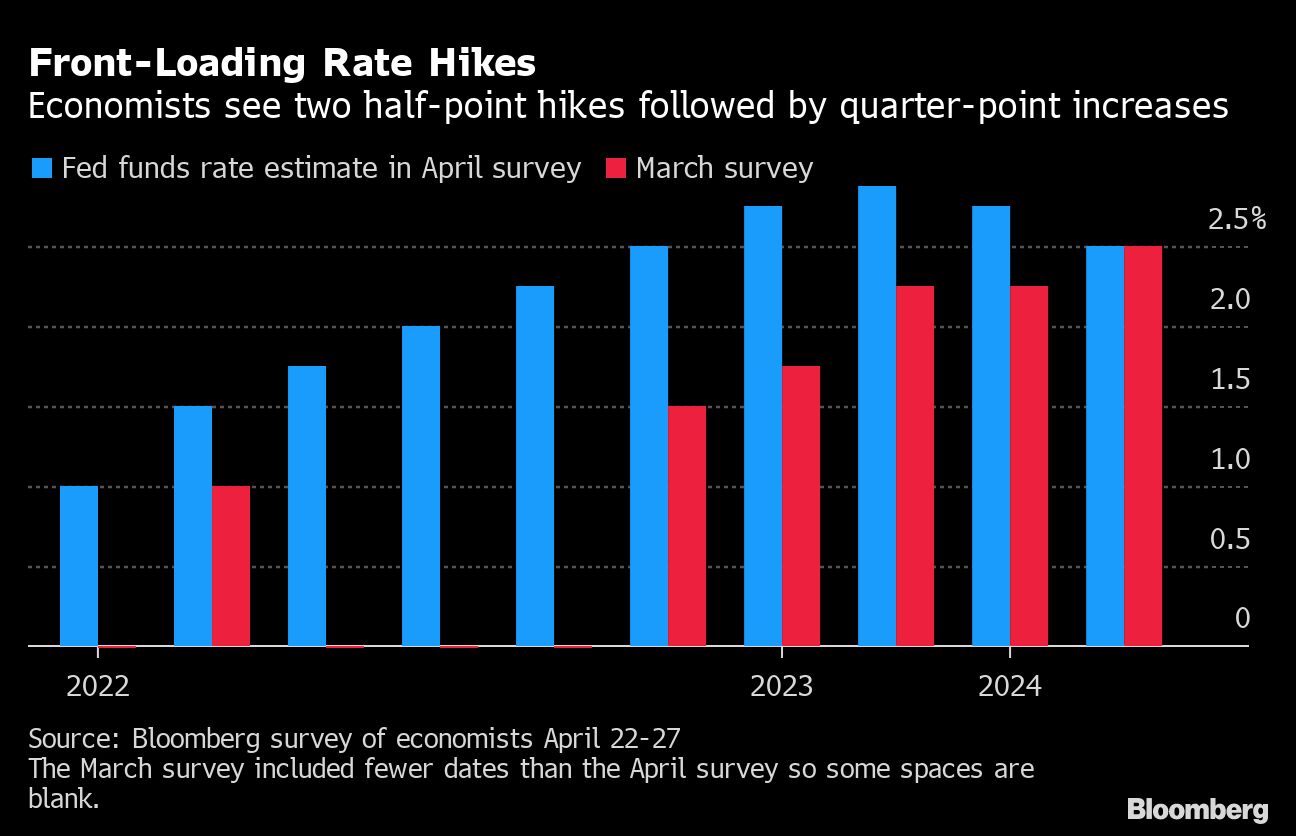
Federal Reserve Chair Jerome Powell is likely to slow the pace of interest-rate increases after front-loading policy with half-point hikes next week and in June, economists surveyed by Bloomberg say.
The environmental group that authored a key proposal against fossil-fuel financing said pushback from the banks it targeted helped ensure the resolution failed.
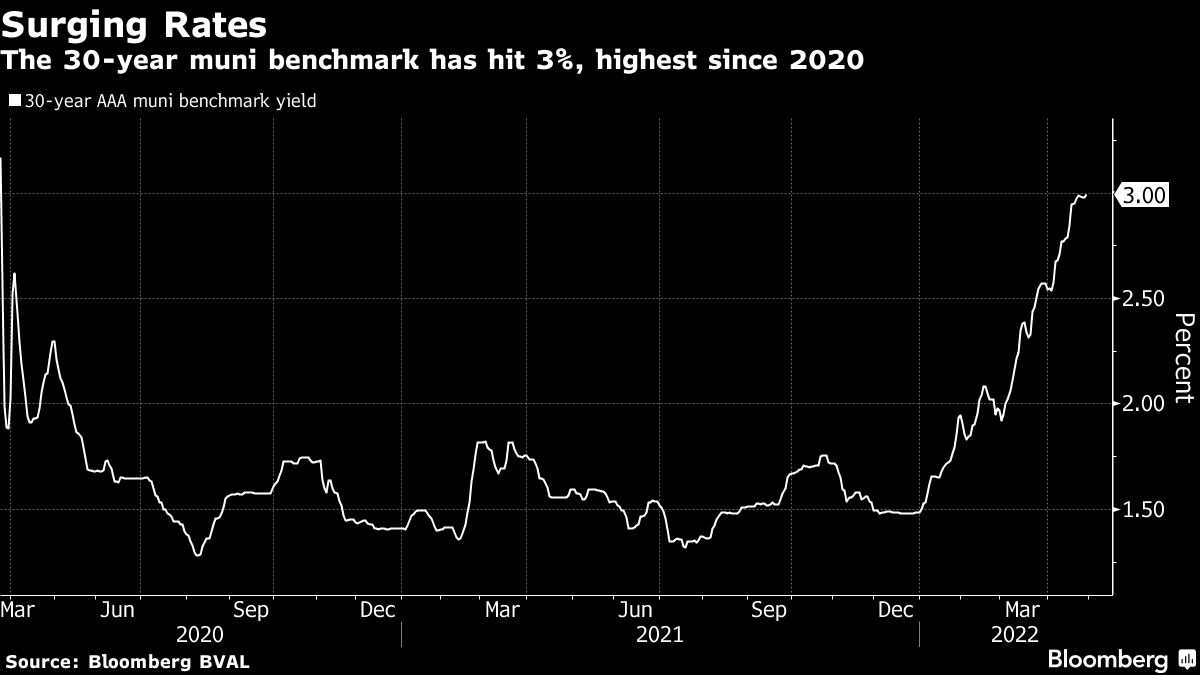
Municipal bonds are heading for their worst start to a year on record, and fund managers say nailing the direction of the $4 trillion market from here likely has little to do with the fiscal health of U.S. states and cities.
Imagine that you have joined some friends for a day of fishing. About two miles offshore, you sense that something is wrong. The small, single engine boat’s handling has changed. There seems to be more. Use our premium service to add your company’s logo and send this to clients.
Markets don’t have feelings or morals. They do not care what an investor needs and there is no investment or strategy that has consistently provided returns well in excess of those earned in the broad markets. Use our premium service to add your company’s logo and send this to clients.
There is a real fear about the cost of seeing a doctor and how it can impact your finances. Millions of Americans receive surprise medical bills each year. That includes insured individuals, according to research by the Peterson-KFF Health System Tracker. A new federal law, The No Surprises Act, went into effect Jan. 1, 2022, banning most unexpected medical charges.
The threat of U.S. stagflation has investors treating supermarkets and other consumer staples companies like the high-flying tech stocks of yesteryear. The shares have trounced their consumer discretionary peers by the widest margin in two decades, and the outperformance probably has room to continue.
The green energy revolution is making greater progress than expected. Solar and wind power have seen exponential cost declines, and electric vehicles seem to be a market winner. That’s all good news, but improving green energy is not the same as addressing climate change. There is good chance that even optimistic projections for green energy will come true — and carbon emissions will continue to increase.
Big Tech founders like Mark Zuckerberg and Alphabet Inc.’s Sergey Brin and Larry Page have fashioned themselves as modern-day autocrats of business, thanks to the way they have structured their initial public offerings and voting shares over the past decade.
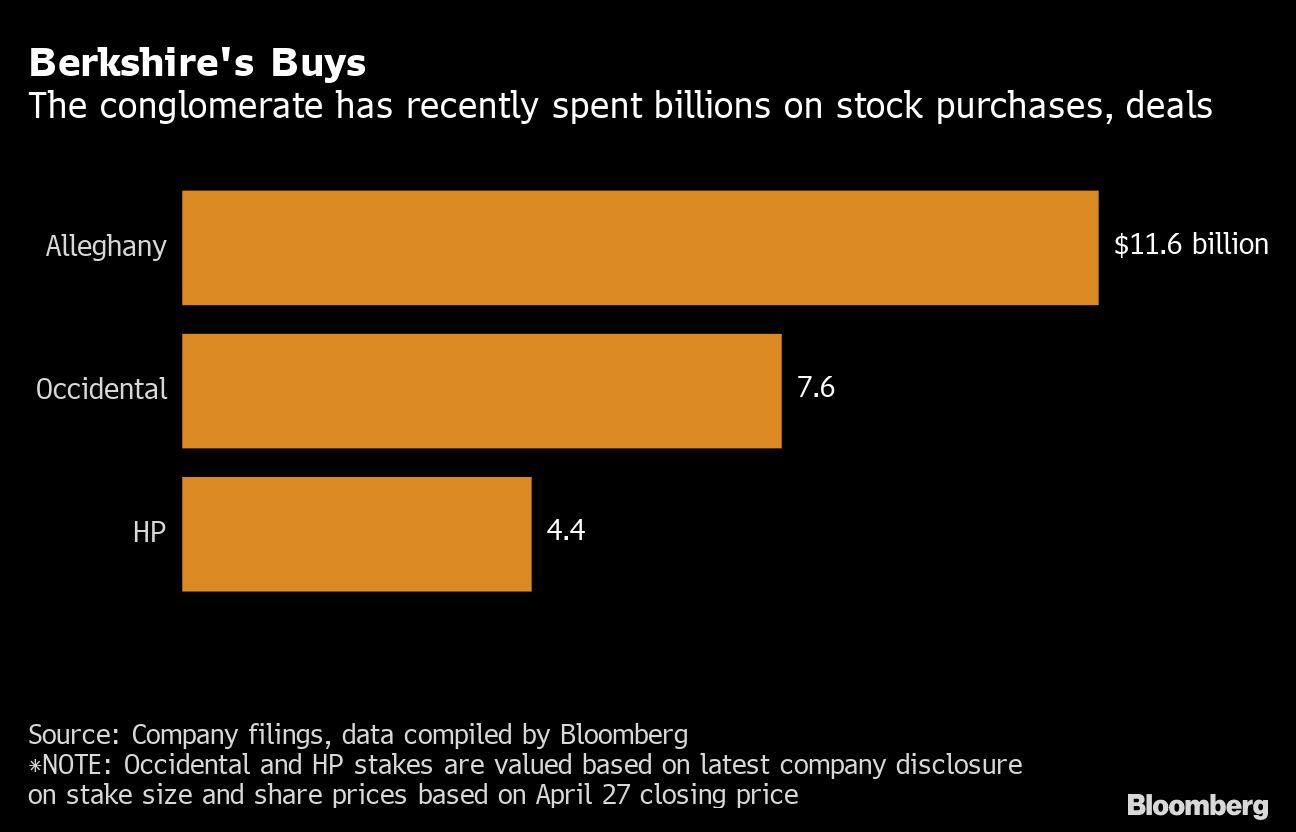
After hanging in the shadows for most of the pandemic, the billionaire investor and his deputies have been ramping up Berkshire Hathaway Inc.’s acquisition machine -- snapping up shares of Occidental Petroleum Corp. and HP Inc. and striking an $11.6 billion deal to buy Alleghany Corp. The flurry of activity comes just as investors are set to flock to Omaha, Nebraska, for the conglomerate’s first in-person shareholder meeting since 2019.
The U.S. economy unexpectedly shrank last quarter, the first contraction since 2020, as a ballooning trade deficit and softer inventory growth belied an otherwise solid consumer and business demand picture.