A new class of digital money is reshaping how Americans move and store dollars — and Wall Street is racing to get a piece of it.
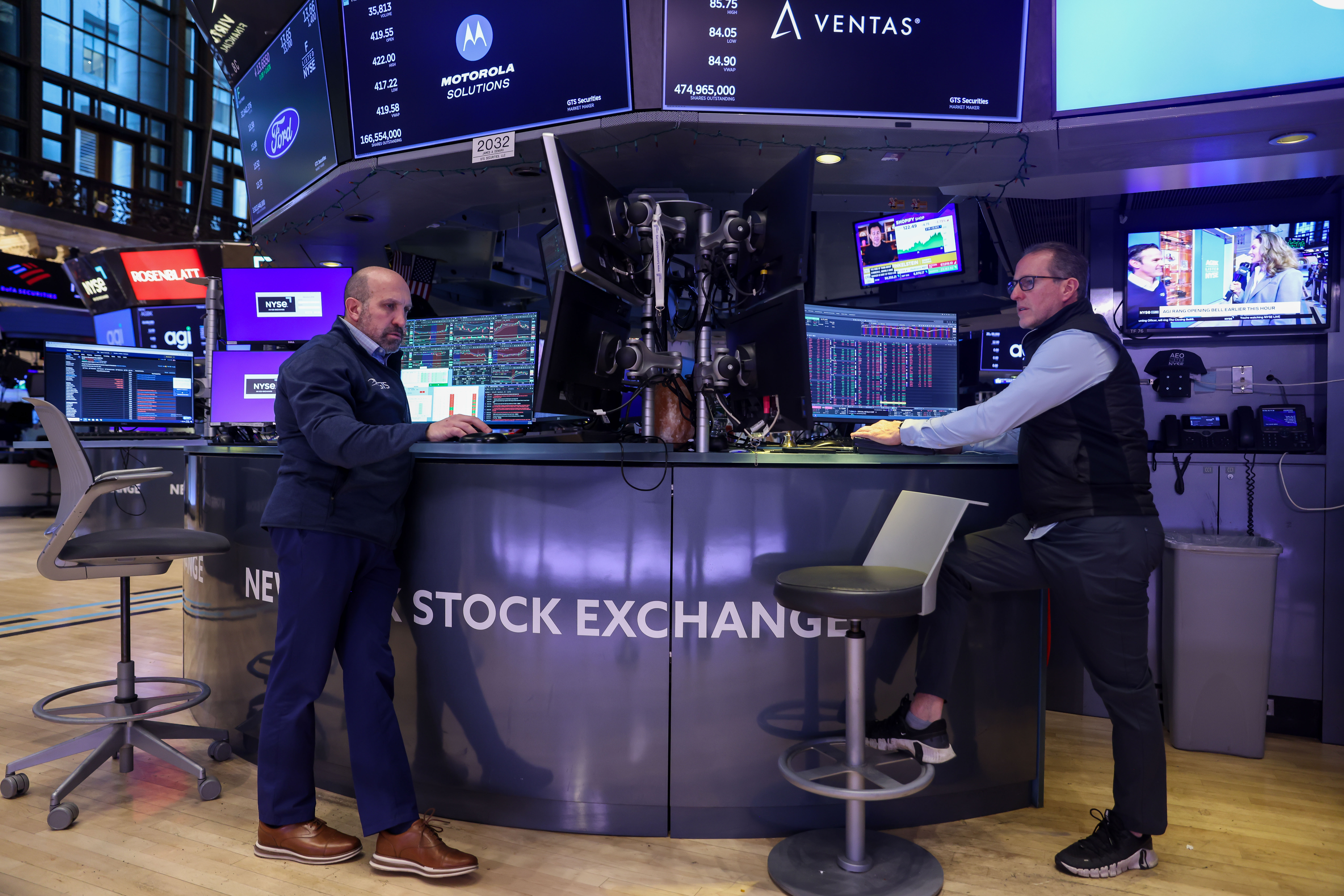
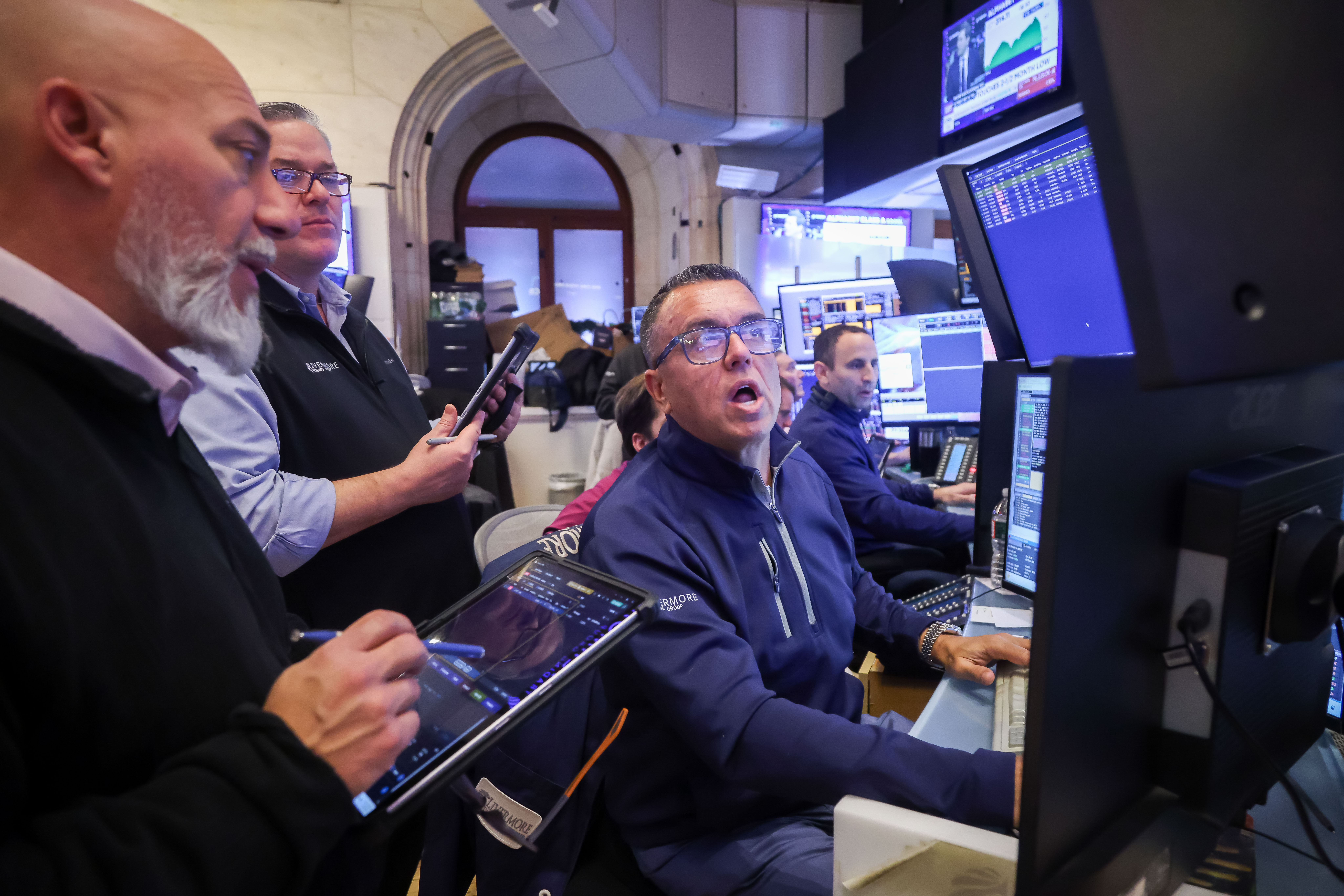
US equities rose Wednesday as a batch of reports confirming the strength of the American economy and a number of developments at the Big Tech giants reignited Wall Street’s excitement for the group.
Last week’s release of the Congressional Budget Office’s long-term budget projections prompted the merest murmur of concern. That’s America’s fiscal problem in a nutshell: It greets detailed and impeccably nonpartisan projections of looming financial catastrophe with a shrug. Tell us something we didn’t know. We’re busy right now.
It is hard to say if there is much economic benefit or cost to increased bank profits. On the one hand, it may allow banks to issue more credit to lower-income borrowers with worse credit.
If orbital space is the 21st century’s high seas, China looks to be preparing an armada. Government plans submitted late last year to the United Nations’ International Telecommunications Union, or ITU, promise a fleet of 203,000 satellites to be deployed by the mid-2030s.
Strategic succession planning executed well in advance can dramatically enhance your practice's worth while protecting both client relationships and your financial future. Let’s explore key moves for maximizing your valuation and ensuring a lasting legacy.
AI is evolving too quickly for static governance. Most firms today are still in a reactive posture. The goal is to move toward proactive management and ultimately predictive governance. The firms that learn to govern shadow AI will be the ones who turn today’s risk into tomorrow’s advantage.
As long as I have been writing this column and working in this business, I’ve learned there is still a first time for everything — and this is the first time I have ever heard this dilemma from an advisor.
It’s no surprise, then, that the majority of your marketing efforts are probably geared toward digital viewers. Here’s why print marketing is still worth your time and attention in a digital world, along with six print pieces to focus on first.
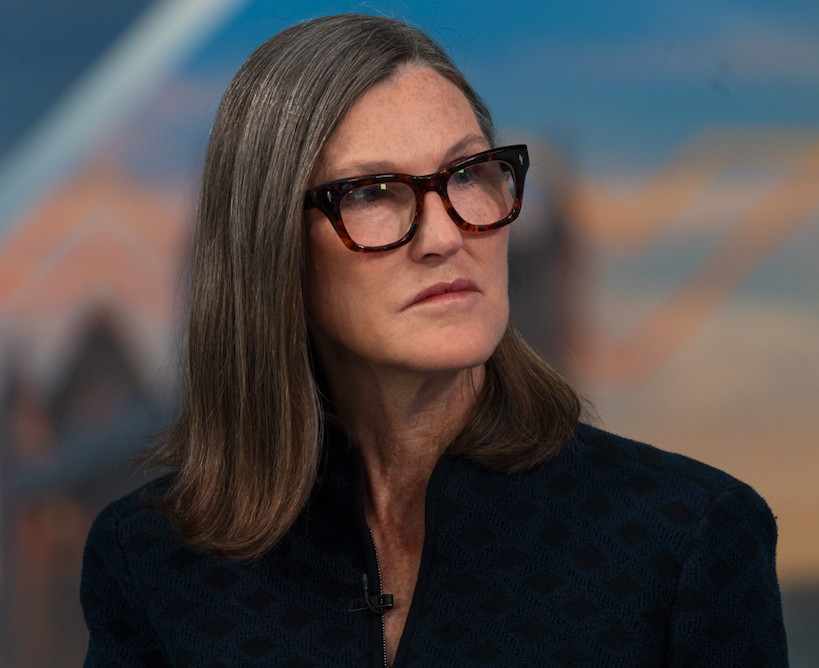
Years after Cathie Wood became the face of pandemic-era investing euphoria, her flagship fund is marking a difficult milestone.
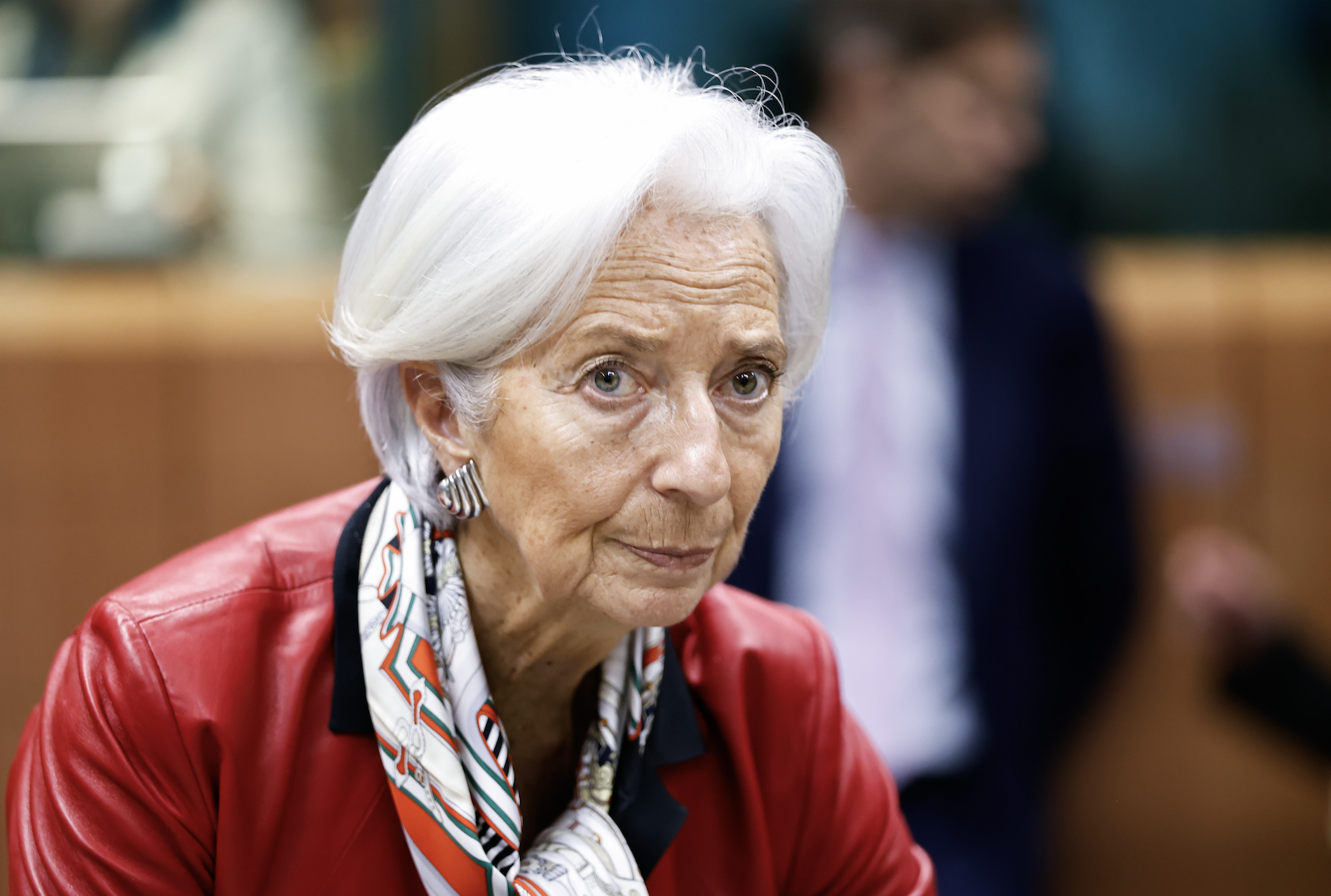
An early departure by Christine Lagarde could narrow the field of candidates vying to succeed her as European Central Bank president.
Artificial intelligence fears have ripped through stock and bond markets, but investors in loans and private credit are still playing catch-up.
If inquisitive investors wanted to measure the demand for AI with some actual numbers, one place they might look on the balance sheet is the line reading “remaining performance obligations,” known more simply as the backlog.
Artificial intelligence is a genuinely useful technology, but its impact will be uneven, gradual and impossible to predict. That’s the boring truth, however unlikely it is to go viral.
We’ve seen upper-income consumers power consumption growth over the past year even as middle-income and working-class households become more restrained. The message from the office market is starting to sound similar.
Before making a Roth conversion, always work with your advisor and consider the importance of timing and taxes to get the most out of the conversion. Just like Dr. Dre, you may need to make some charitable deductions to decrease your tax bill.
Nobody doubts the potential of machine learning. For portfolio managers, the question is not whether it works in theory; they know it does. The question is whether the expense fits their business size and goals.
Early last year, the drama around tariffs dominated news headlines, market predictions, and interactions between the U.S. and our allies. Yet for most Americans, daily life went on with little obvious impact on prices for goods. At least not right away.
Investors are avoiding beaten-down software stocks, warning that the brutal selloff triggered by fears of displacement by artificial intelligence is likely only just beginning.
Emerging-market assets were little changed on Tuesday as traders weighed the recent optimism toward the asset class against a firmer US dollar and thinner trading volumes due to holidays in major markets.
Treasuries rose on Tuesday as investors bet on the Federal Reserve cutting interest rates at least twice this year and jitters over global technology shares boosted demand for safer assets.
Adani Group plans to invest $100 billion by 2035 to develop green-powered, AI-ready data centers as billionaire Gautam Adani seeks to capitalize on India’s bid to emerge as a hub for artificial intelligence and cloud computing.
Thrive Capital, the venture capital firm founded by Josh Kushner, has raised more than $10 billion — its largest fund ever, giving the firm an expanded war chest to invest in areas ranging from artificial intelligence applications and infrastructure to space, robotics and life sciences.
Despite having little expertise when it comes to the subject of happiness, I’m fascinated by the subject of money and happiness. In this article, I discuss my own failed experience, review research on money and happiness, and offer my hypothesis on investing and happiness.
Before turning your investment perspective upside down, let’s define how most investors think about value and growth stocks. For some reason, investors often assume that growth and value are mutually exclusive. They are not, as we will explain.
To make alternative investments appear attractive, promoters often claim that their products are only weakly correlated — or even uncorrelated — with traditional investments, while still offering competitive returns.
Big Tech keeps raising its spending plans for artificial intelligence infrastructure, yet shares of Nvidia Corp., one of the biggest beneficiaries of that flood of cash, have been largely stagnant for months.
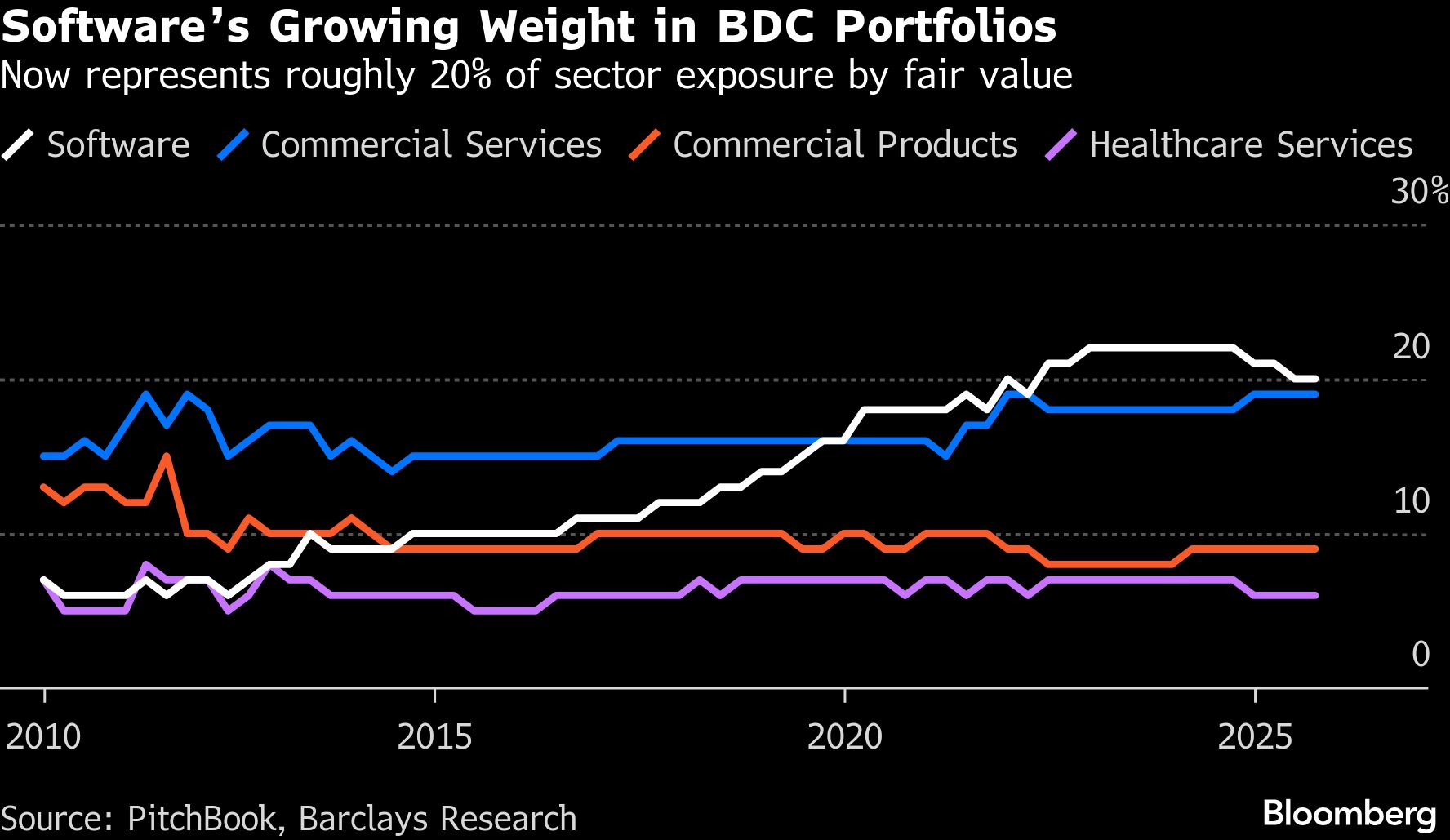
And so it goes in the world of private credit. Time and again, companies widely regarded as software firms are frequently labeled otherwise by lenders, a practice that raises fresh questions over the full extent of their exposure as the threat from artificial intelligence upends markets and rattles investors.
As Bitcoin struggles to climb out of its current funk, several indicators suggest any breach of the $60,000 level would unleash a fresh bout of extreme turbulence.
If you want to build a technology giant, a car company is a tough place from which to start. In terms of competing in AI and potentially even chips, Tesla is up against the massive budgets of several other Magnificent 7 members, who can, nonetheless, cover their spending with operating cash flow.
All but unnoticed last month, a bipartisan group of legislators introduced a resolution calling for Congress to keep budget deficits at no more than 3% of gross domestic product. Though not enough by itself to solve America’s fiscal problems, the proposal is a rare step in the right direction. It deserves strong support.
Artificial intelligence has made a lot of noise in the stock market lately, with bots from Alphabet Inc. and startups Anthropic and Altruist disrupting businesses from software to financial services.
Artificial intelligence doesn’t only threaten to put herds of software businesses out to pasture. Anthropic PBC’s schooling of its Claude models in financial modelling has also sent a cold shiver down the spines of bankers and analysts.
JPMorgan Chase & Co. and Morgan Stanley are among leading investment banks hesitating to provide a critical source of financing for US renewables projects.
The ex-Credit Suisse bankers behind Global Infrastructure Partners are best-known for building one of the world’s largest investment firms. Now they’re also forging something else: family offices.
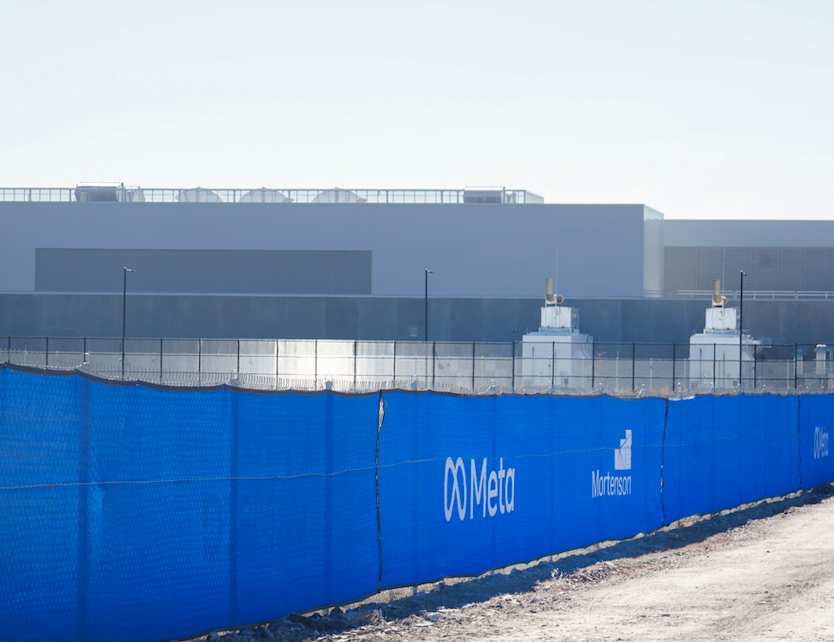
It’s hard not to marvel at how America’s capital markets have rallied to finance the artificial intelligence boom. If all goes as expected, “hyperscalers” such as Meta Platforms Inc. will invest more than $3 trillion through 2030 in data and power infrastructure.
India will need favorable terms to enter into long-term liquefied natural gas purchase deals with the US as the market is highly price sensitive, according to the chief executive officer of the country’s top LNG importer.
Silver’s conductivity makes it essential to photovoltaic modules, where thin printed contacts boost electrical output. About 196 million ounces was used by solar manufacturers last year. That’s equivalent to every gram used in jewelry, and represents about 17% of the global market.
Sell first, ask questions later. That was the stock market’s response to last week’s new artificial-intelligence tools that challenge the software, legal data and media industries. But bargain hunters seeking victims of indiscriminate selling may need patience waiting for a recovery.
I often offer this advice on dealing with difficult people. We fight hard to change them, but if they don’t want to be changed the only person getting exhausted from the fight is us. Stop resisting and find another way to deal with his behavior.
Mid-sized financial services firms carry enterprise-level communication risks without enterprise surveillance capabilities. These gaps lead to regulatory fines, operational losses, and reputational damage that can destabilize even well-established firms.
The human side of financial planning is subtle but powerful. It requires attention, presence, and curiosity. It requires valuing understanding over immediate solutions.
Bitcoin has just drawn fresh support from some of its largest holders, though the return of demand remains narrow enough to raise doubts about whether it marks a recovery or mere damage control.
Market pros increasingly think the punishment of software stocks over the past few weeks went too far, creating new bargains in shares that were beaten down in an indiscriminate selloff.
Clashes between global powers will fuel further market swings over the coming year, according to a JPMorgan Chase & Co. survey, with developments in artificial intelligence also top of traders’ minds.
As Wall Street awaits a potentially consequential US employment report, some investors are counting on bad news for the economy turning into good news for stocks.
In what is shaping up to be another blockbuster year, Asia’s markets are outpacing peers in the US and Europe, drawing global investors as extreme swings rattle assets from tech stocks to metals.
Solo RIAs face a hard truth in 2026: you can absolutely run a lifestyle practice, but standing still while client expectations and competitors scale up is increasingly risky.
A picture is worth a thousand words. What follows, instead of 7,000 words, are seven illustrated examples of what could go wrong with the U.S. stock market or the economy.
Money decisions are rooted in the emotional learning we carry out of childhood. Unhealed childhood trauma quietly drives the way people save, spend, and relate to money.