In most cases, construction loan pricing isn’t a sign of greediness. It reflects the fact that a construction loan is both riskier and far more labor-intensive than a conventional mortgage.
Starting in the aftermath of the 2008 financial crisis, a profound change to the Fed’s liquidity-providing role in the capital markets was underway.
Market focus is shifting to the Fed's 2026 outlook, as stubbornly elevated inflation and recent hawkish signals suggest the central bank may signal an "extended pause" after this cut. Consequently, traders have recently scaled back expectations for the total number of cuts next year, expecting the easing cycle to stop closer to 3.5% rather than the previously forecast 3%.
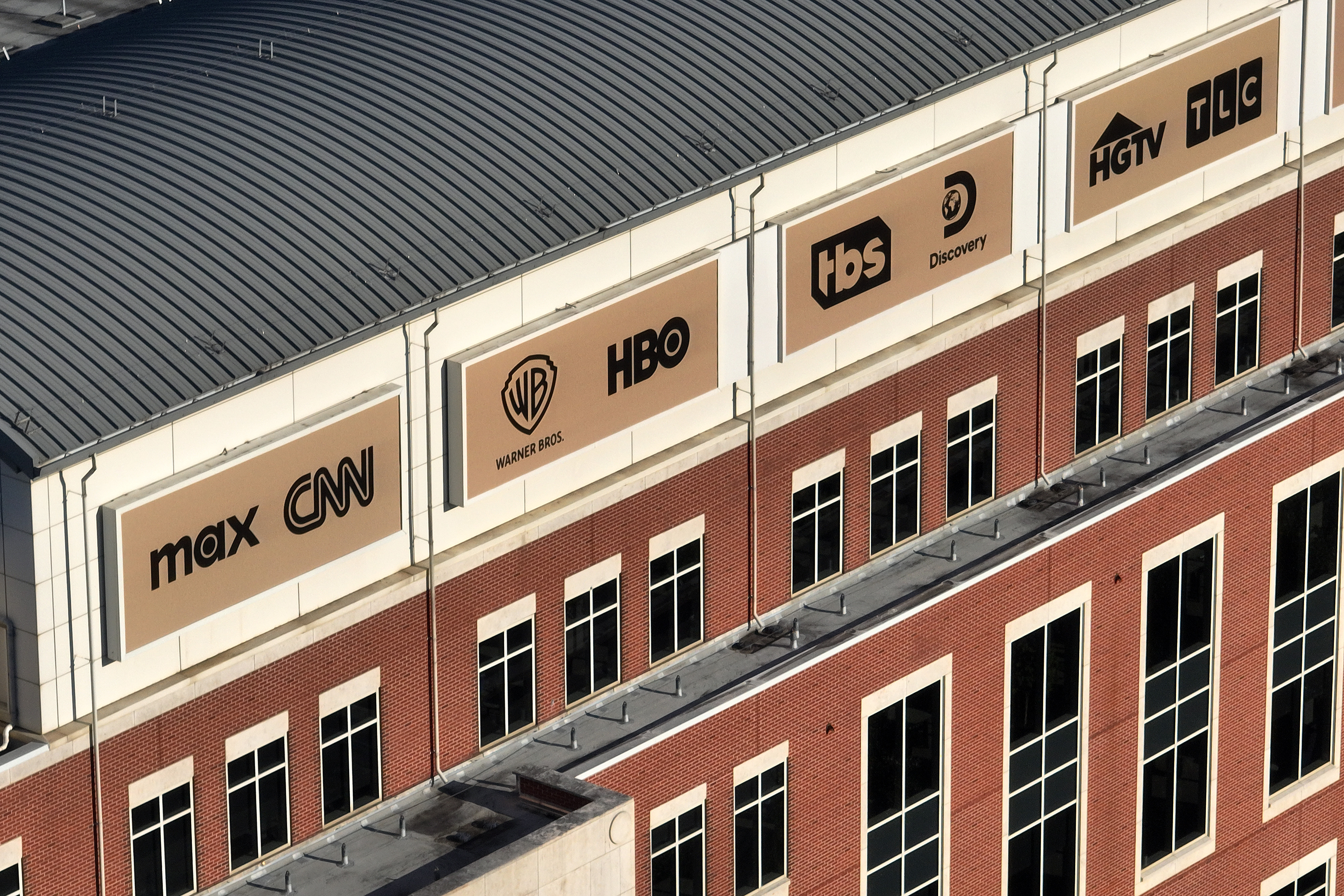
While Netflix Inc. and Paramount Skydance Corp. vie for President Donald Trump’s blessings in their competing bids for Warner Bros. Discovery Inc., investors have an irony to consider.
Regulators are finally starting to appreciate how much major government debt markets are being dominated by a handful of hedge funds. There’s a head of steam building around the issue.
NextEra Energy, once the "tech darling" of the utility sector due to its vast renewables business, is pivoting its strategy to navigate political uncertainty and the booming power demands of Artificial Intelligence (AI).
President Donald Trump has authorized Nvidia to export its H200 AI chip to China in exchange for a 25% tariff payment to the U.S. government, a decision that could potentially allow the company to regain billions in lost revenue from the Chinese market.
Shares of Apple Inc. were battered earlier this year as the iPhone maker faced repeated complaints about its lack of an artificial intelligence strategy. But as the AI trade faces increasing scrutiny, that hesitance has gone from a weakness to a strength — and it’s showing up in the stock market.
To understand where we're headed, let's look back at the late 1990s — the height of the dot-com bubble. The internet was going to change the world, and it did. That's a fact. During the bubble, internet stocks soared. Then they crashed.
Reading Yudkowsky’s and Soares’s book won’t convince you that AI will kill us all, unless you are a whale of a lot more credulous than I am. The book is supremely silly, reading like a badly written science fiction novel for adolescents. To explain how AI could kill us all the authors cook up scenarios written as absurdly implausible fantasy stories.
Advisors should avoid centering long-term investment strategies on predicting the Federal Reserve's next interest rate move, as tactical bets based on the Fed's near-term calls often cause investors to miss out on returns.
I’ve been reading a lot lately that the stock market is priced just right because earnings growth is expected to be high, growing at double digits. But earnings growth is not the sole determinant of stock price.
Alphabet Inc.'s Google Cloud and NextEra Energy Inc. have deepened their partnership by agreeing to develop new data centers specifically paired with electric power plants.
I’ve been a retirement economist for my entire adult life, and yet I am continually amazed at how America continues to get retirement saving so wrong. Now, finally, the world’s largest issuer of mutual funds is showing signs that it recognizes a major flaw in the system.
Bitcoin options traders are currently betting that the largest cryptocurrency will remain range-bound in the near term, a sentiment reflected by higher open interest in short-dated contracts due to the selling of volatility.
Apple, long viewed as a model of stability, is currently undergoing one of the most tumultuous personnel shake-ups of CEO Tim Cook's tenure, with a sudden wave of exits from senior executives and key engineers reporting directly to him.
While some corners of energy markets have looked pretty frothy of late, one segment has Wall Street betting it won’t get trapped in a bubble: grid tech stocks
Wall Street is gearing up to lend massive amounts of money to the biggest players in artificial intelligence — and simultaneously trying to figure out how to protect itself from any bubble that its financing may be helping to inflate.
Federal Reserve officials will vote to cut interest rates again next week to safeguard against rising risks of a sharp deterioration in the labor market, according to economists surveyed by Bloomberg.
The US is in talks to provide more than $1 billion for two critical minerals and railway projects in central Africa as it seeks to secure supplies deemed crucial for national security.
State Street Corp. is deepening its expansion in Saudi Arabia as it looks to cash in on booming demand for exchange-traded funds and growing appetite for alternative investments from clients including family offices.
Federal Reserve officials are poised to cut interest rates again next week, but any benefit to the economy is likely to take much longer to show up than normal and may be blunted by factors that monetary policy can’t control.
Gold holdings in exchange-traded funds climbed to a month-end peak, a sign that investor inflows are continuing to add fuel to bullion’s scorching rally.
Netflix Inc. agreed to buy Warner Bros. Discovery Inc. in a historic combination, joining the world’s dominant paid streaming service with one of Hollywood’s oldest and most revered studios.
Polymarket has been recruiting new staff members for an internal market making team that could face off against customers on the company’s exchange, even though a similar feature has exposed its chief rival to criticism.
How worried should the US be about private credit? Already this year, more than 1 in 10 private credit borrowers are deferring cash interest payments and at least 45 firms have been taken over by their lenders, the most in six years.
Across April and May, the bond giant’s positions in 5- to 10-year Treasuries and mortgages were getting hammered. First, after President Donald Trump’s punitive “Liberation Day” tariffs, and then amid the burst of “Sell America” calls that followed.
The passage of new US stablecoin legislation has intensified Wall Street debate over the tokens' potential to significantly boost the dollar and become a multi-trillion-dollar source of demand for short-dated Treasuries.
While volatility around holidays makes the single week's number choppy, this trend supports the view that actual job losses remain limited, allaying concerns about a rapid deterioration of the labor market. The overall low-fire, low-hire market, however, has made it difficult for out-of-work Americans to find new employment.
Vanguard, a major global asset manager, is planning to significantly expand its US offshore wealth services, primarily by tripling its team in Miami and growing in other US cities like Houston and California. This strategic move aims to cater to wealthy Latin Americans who increasingly seek to move their assets abroad, often preferring the US for its stability.
Meta Platforms Inc.’s Mark Zuckerberg is expected to meaningfully cut resources for building the so-called metaverse, an effort that he once framed as the future of the company and the reason for changing its name from Facebook Inc.
The widespread issue of "Boomerang Parenting" is posing a serious financial threat to Gen X's retirement plans, as they spend an average of $1,384 a month supporting their adult children. Caught between this generosity and their own lagging retirement savings (median balance of only $40k–$50k), Gen X is running out of time to course-correct.
The UK and Japan are responding to investor demand to boost short-term borrowing, a shift in strategy that offers governments lower interest payments but exposes them to potentially costly rates swings at the time of debt rollovers.
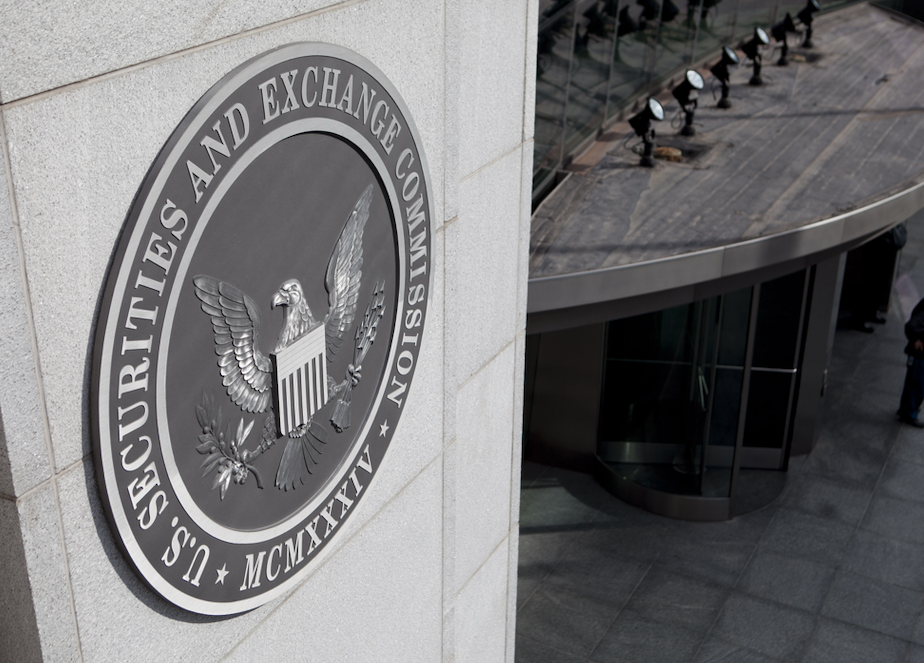
The US SEC has issued warning letters effectively blocking the launch of several high-octane ETFs designed to deliver three and five times the daily returns of stocks and cryptos. The regulator is concerned that these leveraged funds—which sought to exceed the current 2x leverage limit—have risk exposures that may violate SEC limits relative to their assets.
Goldman Sachs Group Inc. macro trader Bobby Molavi likens the setup for stocks heading into the new year to a boxing match, where the bullish drivers of AI and stimulus measures confront bearish forces including stretched valuations and credit stress.
I am always concerned when partners have disagreements and there is talk about “winning,” which infers those who do not get their way are losers. This is a set-up from the beginning that chips away at collaboration, because one person is trying to show the others that they are right.
Used well, PowerPoint can help build your message while also building your audience’s knowledge and awareness. A good slide presentation can help both parties stay comfortable and focused.
Not all merger agreements are not created equal, and when contemplating a merger, RIA owners should be aware of these differences and the options available. One of the best investments a firm can make may be acquiring the services of an “advisor’s advisor.
In Charles MacKay’s 1841 book Extraordinary Popular Delusions and the Madness of Crowds, he highlights how mass human behavior can lead to irrationality: “They go mad in herds while they only recover their senses slowly, one by one.”
Inflation is the number-one public concern in Japan. But one section of the economy is proving to be invulnerable to rising prices: pop idols, YouTubers and cartoon characters.
Let me introduce you to an approach I call the "Book of Life" methodology, a research-based strategy that transforms how new advisors build both their knowledge and their networks.
Three powerful demographic shifts — rising wealth, forward-thinking attitudes, and longer lifespans — are reshaping retirement. The emerging financial force of the future is women, and advisors who adapt now will lead tomorrow’s client relationships.
Financial wellbeing is not simply about income or net worth. Nor is it about happiness. It’s about a person’s ability to function financially with security, agency, and sustainability. Emotional enjoyment doesn’t override that, and wealth doesn’t guarantee it.
Boeing Co. expects to generate cash on an annual basis in 2026, marking a significant turnaround in the planemaker’s finances as it prepares to boost monthly production rates and pushes ahead with certification for the much-delayed 777X jetliner.
For two decades, the playbook for Big Tech was fairly simple and extremely successful: Create disruptive innovations, deliver blinding growth rates and keep a lid on spending.
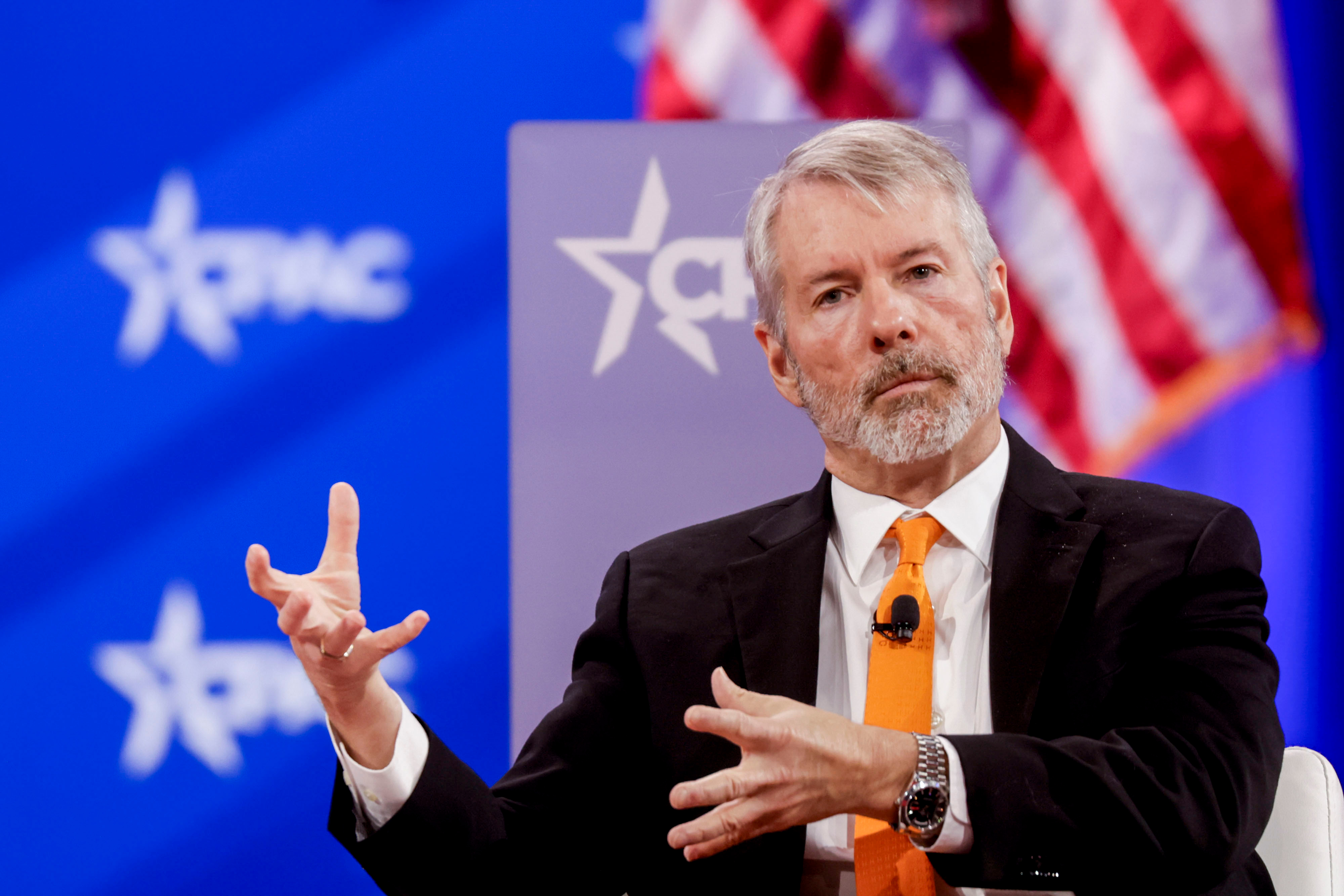
Here’s how Michael Saylor’s Bitcoin treasury company Strategy Inc. is supposed to work: The firm raises funds to buy Bitcoin; that buying drives up the price of Bitcoin; the share price of Strategy follows suit. Rinse and repeat
The decision to attend college was a no-brainer during the second half of the 20th century. It almost assured higher earnings and job security. Tuition wasn’t even very expensive. None of this is true now.
If there’s one thing Democrats and Republicans have agreed on in recent years, it’s to ignore the rapidly deteriorating finances of Social Security and keep its unsustainable benefits intact. The longer they dither, the worse the problem will get.
Yields on the bond market have incrementally adjusted to introduce a new variable: a fiscal premium. Yet, this is not a new form of risk; it represents a new form of information. Investors still believe they will get repaid; they just believe they are entitled to a higher return to facilitate it.
No matter how long you delay taking Social Security, it likely won’t cover all your living expenses. But that doesn't mean you should take it early.