More than a decade ago, hundreds of US garage entrepreneurs were working on shoestring budgets to develop drones with dreams of scaling the new technology. Then China’s DJI introduced a small, inexpensive drone with a stable built-in camera.
America remains the best country in the world to get rich. Some see this as cause for celebration, while others view it as evidence of a broken capitalist system. As an economist, I am less interested in debating whether billionaires (or trillionaires) should exist than in asking what the alternative is.
As private credit further cements its role as a primary source of corporate financing, it will be essential to balance opportunity with prudent risk management for long-term stability and sustainability.
As growth accelerates, the first question a leadership team has to answer is not how big the firm can get. It is where the frontier sits, the exact point at which scale stops generating lift and starts generating drag.
A divorce. A house fire. A serious accident or illness. The death of a family member. Caring for elderly parents. Life events like these are hard and emotionally draining. To make things worse, they also require us to deal with finances and make significant, complex money decisions.
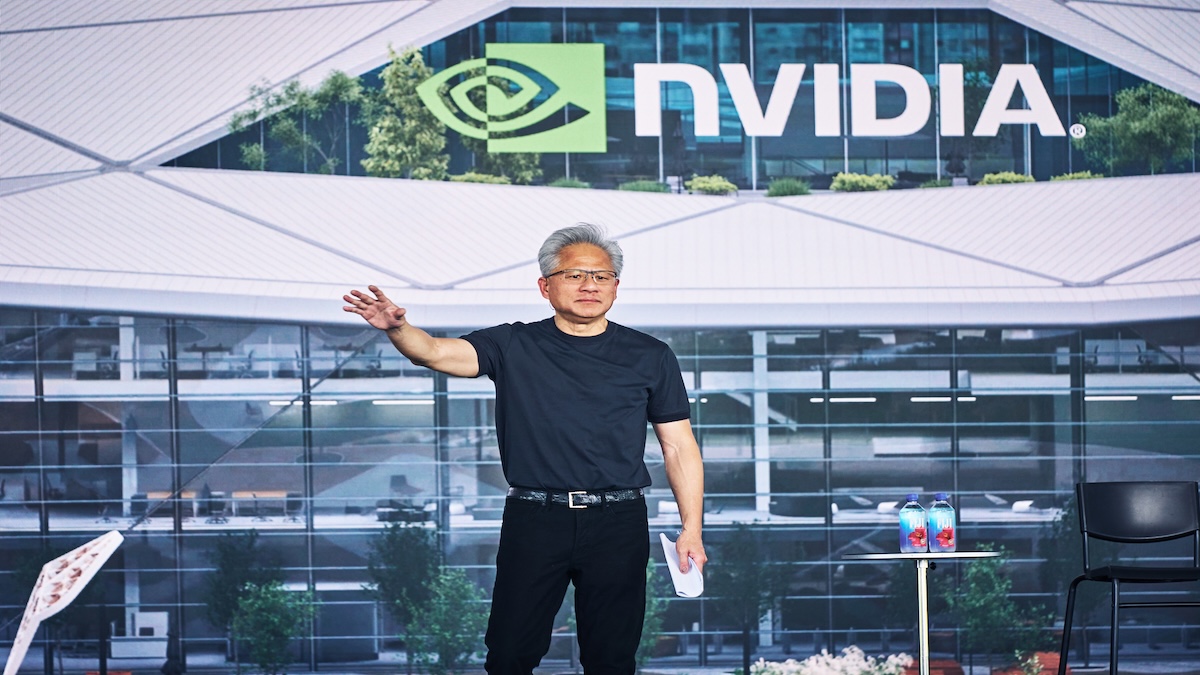
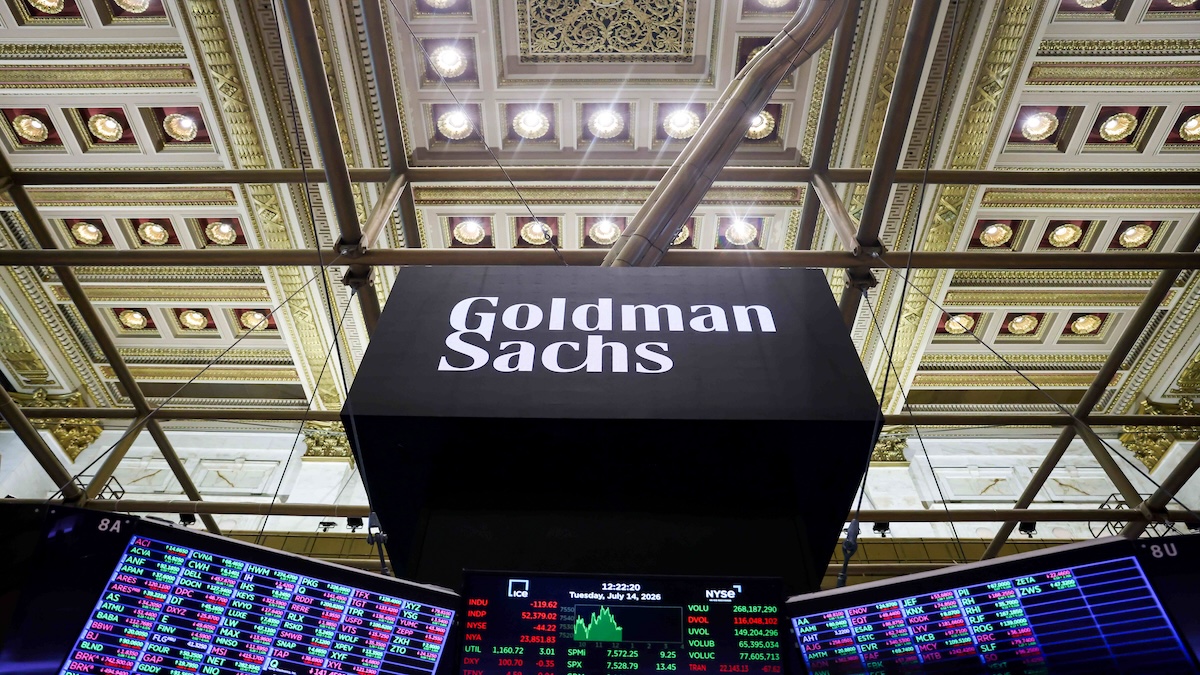
Goldman Sachs Group Inc., Blackstone Inc. and Apollo Global Management Inc. had been working tirelessly for months to draw up debt deals that would help developers of artificial intelligence systems pay for chips from Nvidia Corp.
The yield on 30-year US Treasuries hit the highest in almost two decades, reflecting investor angst over surging government spending, a flood of long-dated bond sales and inflation that’s been stuck over the Federal Reserve’s target for the past five years.
The nation’s affordable-housing shortage is fueling a fast-growing corner of the municipal bond market, as lenders securitize portfolios of multifamily mortgages to free up capital for new loans.
Wealth managers are beating a retreat from private credit and ramping up a search for alternatives, as they continue to reel from sudden exit restrictions at several major direct lending funds earlier this year.
If the bad news is that members of Generation Z can’t afford to buy a house until they are middle-aged — which isn’t really bad news, honestly, but anyway — then the good news is that at least they are investing their money in high-performing assets.
Hoisington Investment Management — managed by Hunt and Hoisington — sharply reduced its clients’ bond duration and put the proceeds in Treasury bills. That reversal of such long-held opinions deserves serious attention. I will summarize Hunt’s new views and some counterpoints to help you assess his new stance.
US existing home sales fell a little in July, according to data released last week by the National Association of Realtors. But what really stands out when one looks at the numbers is how little they’ve changed over the past three years. This July, homes were selling at an annual pace of 4.06 million. In July 2023, it was 4.08 million.
Patients need financing that is approved on the spot and fits the cost and timing of their specific procedure. This is the gap that a newer class of lenders — including CareCredit, Affirm, Sunbit, and Cherry — has been built to fill. The growth of buy now, pay later healthcare financing over the past two years reflects how quickly demand has caught up with supply.
Gone are the days of capital-light and cash-flow-rich technology businesses such as internet search, e-commerce and social media. The game now is artificial intelligence, and you had better have hard assets and deep pockets to play, the kind of money few companies have laying around.
As investors debate whether and when the Federal Reserve will raise interest rates, market expectations for further tightening are building around the world — and spelling trouble for bonds.
Reasons to be wary about stocks are quickly disappearing and a Goldilocks scenario looks increasingly likely. That’s precisely why it’s a perfect time to hedge against a market priced for perfection.
Gold extended a two-week advance as pared back expectations for further Federal Reserve rate hikes put pressure on the dollar, making bullion cheaper for most buyers.
The US will soon announce unprecedented economic measures against Iran, Treasury Secretary Scott Bessent said, intensifying the Trump administration’s effort to force Tehran’s capitulation after almost six months of war.
The Venezuelan gas deal comes at a time when prolonged hostilities between the US and Iran have hampered global energy supplies, including about a fifth of liquefied natural gas shipments that normally traverse the war-choked Strait of Hormuz.
Goldman Sachs Group Inc.’s agreement to buy Neos Investments for as much as $2.25 billion marks a new front in Wall Street’s ETF battle: paying up for specialist firms that have found growth beyond the industry’s low-fee giants.
The world’s busiest airport is coming to market with a more than $1 billion municipal bond sale, boosting issuance in the lagging airport sector.
SpaceX has completed a $60 billion acquisition of artificial intelligence coding startup Cursor, a key part of Elon Musk’s bid to gain ground on rivals Anthropic PBC and OpenAI.
As we write this, long TIPS yields once again yield 3.0% and, as in 2008, these rates may not last long. That means: You snooze, you lose. The time to buy TIPS is now. In this article, we lay out the options and make recommendations.
European stock markets are booming. But that doesn’t mean Europe is. Traditionally, a bet on European equities is actually a bet on growth everywhere else. The companies that make up the Stoxx Europe 600 — which has risen by about 12% this year — get almost half their revenues outside the continent, according to the index’s owners.
The US government is about to sell 30-year bonds at the highest interest rate in a quarter of a century, after a historic selloff that has stirred speculation the nation will tilt borrowing further toward short-dated maturities.
After years of tests with digital versions of securities, cash and trading networks, the focus has shifted to whether these technologies could work together. This time, nearly 40 firms were testing how tokenized assets could move through the institutions that keep modern markets moving.
The US military campaign against Iran has so far failed to force the regime to capitulate. The Trump administration is betting once again that suffocating economic pressure will do the job.
A robust industrial rebound is underpinning the economy, and it has powered through an energy shock from the US-Iran war; elevated inflation that’s kept interest rates high and homebuilding low; and a bout of new, perhaps more permanent tariffs.
An in-line inflation reading spurred gains in both stocks and bonds, easing concern about imminent Federal Reserve rate increases despite elevated oil prices.
After 10 years, we understand that not every conflict has a clean answer. Advisors value feeling heard and supported through difficult situations. Over time, we’ve learned that genuine engagement and thoughtful communication build more trust than rushing toward incomplete answers.
Clients' financial lives don't operate in separate silos, and their advisory team shouldn't either. Well-designed partnerships should clearly define responsibilities, compensation, compliance obligations, and client communication. Transparent agreements create better experiences for both clients and professionals.
Goldman Sachs Group Inc. will pay as much as $2.25 billion to buy Neos Investments, expanding its asset manager’s reach in the actively managed exchange-traded fund market.
I recently spent a week working with advisors and team members on a variety of things, all human-element related. The financial business is one of numbers and quantifiable results, but we all know it is much more than this. This week’s column will encapsulate my aha moments from this week.
We’ve all seen how AI tools can boost our productivity and efficiency but, like most things in life, the benefits must be weighed against potential risks. Here are five best practices to help guide fiduciaries and ensure they benefit from these tools without running afoul of regulations.
The outlook for Boeing Co. to earn copious cash flow is bright. It just turned free-cash-flow positive in the second quarter after years of losses, and the company already has its sights on cash earnings of $10 billion a year. This is driven almost entirely by a rebound of commercial aircraft production.
South Korea expects to deploy more than 1 trillion won ($707 million) of fresh capital into a new sovereign wealth fund targeting AI and other strategic industries next year, joining a global push by governments to mobilize investment and gain an edge in high-tech sectors.
Bank of America Corp. unveiled a $250 billion initiative to invest in critical infrastructure across the US over the next year, joining its peers pushing for innovation across the country.
For many high-net-worth individuals and families, access is part of everyday life. They can secure reservations at impossible-to-book restaurants, obtain tickets to sold-out events, or open doors that remain closed to most others. Healthcare often feels like it should work the same way. It doesn't.
Unlike the previous 17 years, during which U.S. stocks were the best-performing asset class, they are in the middle of the results with a 10.5% return. Consequently, diversification beyond U.S. stocks and bonds has added value this year, as evidenced in portfolio performance.
A common pattern for couples who are trying to manage their spending goes like this: The partners sit down together, look at the numbers, lay out a spending plan, and agree on what has to change. This works for a few weeks. Then either or both slip back into old behaviors, and there’s a fight about money.
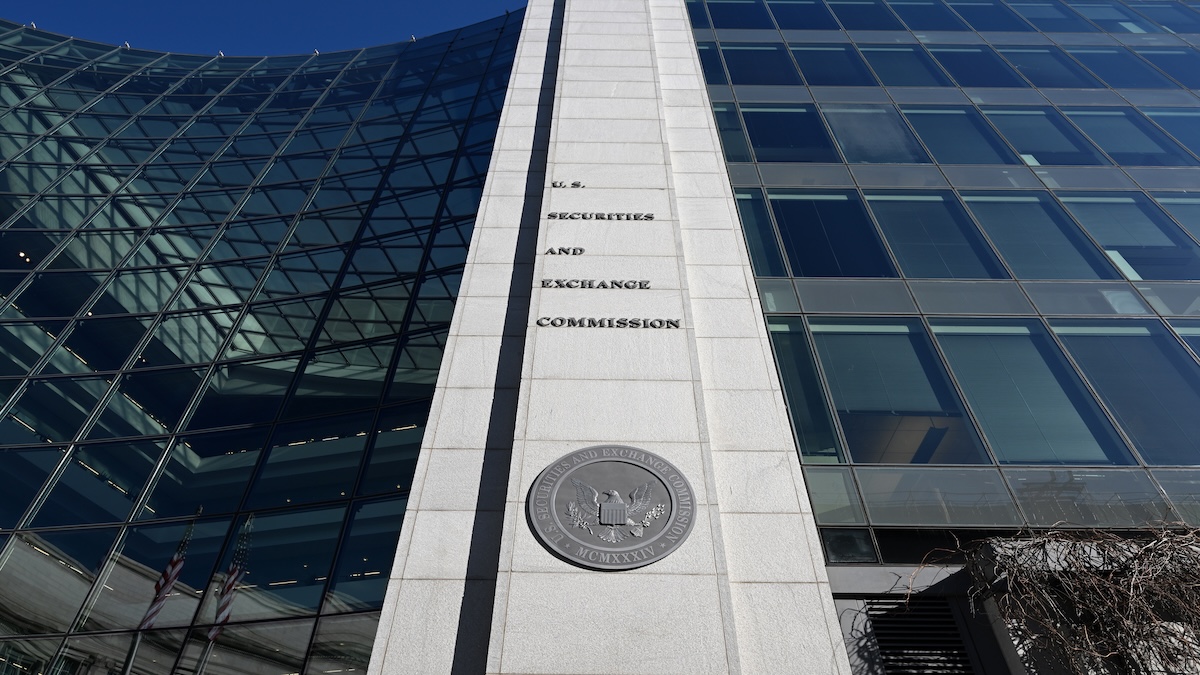
The Securities and Exchange Commission has made it easier for data center owners to sell asset-backed securities, potentially opening the door for more debt sales as tech firms scour Wall Street for ways to pay for artificial intelligence.
A few months into the second Trump administration, I found myself in a packed room alongside senior officials of the Bureau of Labor Statistics. The topic, “Ensuring the Quality of US Statistics,” would have drawn little more than a collective yawn a decade ago.
Intel Corp. raised $20 billion in an upsized share sale, a third more than it was targeting when it announced the deal Monday morning.
Nasdaq Inc. agreed to buy off-exchange stock-trading venue LeveL Markets to expand its role in the equity market, according to people familiar with the matter.
GDP — for gross domestic product, the total market value of all final goods and services produced within a county’s borders — is in many ways the ideal economic statistic, both for what it measures and what it represents. It is a single number that captures so much information, with a scope and history unmatched by almost any other measure.
What stock fund could be safer than a total U.S. stock market index fund with thousands of securities? That was my thinking for the last three decades, but things are changing.
Our thesis remains largely unchanged. Today's “exploding” CDS spreads and bond yields are pricing an Oracle problem. The question investors should be asking isn't whether Oracle is an outlier. It clearly is. The question is whether Oracle is a preview of what happens to credit markets more broadly if AI capital spending keeps outrunning AI revenue.
When data can’t give us the answer, we have to think from first principles. If your objective is to maximize the risk-adjusted return of your savings, finance theory and common sense both suggest that higher risk, all else equal, calls for cutting exposure, not adding to it.
San Juan, the economic hub of Puerto Rico, triggered a rush for its $121 million muni-bond sale this week, as investors seized a rare opportunity to get exposure to island.
The leveraged ETF boom is creating new ways to profit from sudden bursts of volatility in tech stocks.