There’s a connection between our willingness to let the debt problem fester and investors throwing their money into a wildly overvalued stock market. In both cases, we’ve grown way too comfortable with uncertainty.
Most of us are not prepared for the incredible degree of change Artificial Intelligence (AI), combined with automation, is bringing to society.
We are in a period of market greed right now, even if you haven’t noticed it.
In last week’s letter, I referenced Torsten Sløk’s excellent midyear outlook for Apollo Global Management. Today I’ll share some longer quotes which will, I hope, help you visualize where the economy is headed.
Until that US government debt-crisis moment arrives, which we will get through, things will muddle along.
Money doesn’t buy happiness. But financial security means you can devote your time and energy to things you actually want to be doing.
This week the news is about the Israel-Iran conflict. It’s terrifyingly real for those in the crossfire, while we who are safe naturally wonder what it means for us. As investors, we think about the economic and market effects. But are we seeing signal or noise?
Separating the signal from the noise may be the hardest challenge investors face. We’re all surrounded by constantly changing but mostly unimportant information. Of the small part that really is important, we must decide if it affects our investments.
Today we’ll continue our SIC highlight series featuring a relatively new face who is now indispensable, plus some new ones who were crowd favorites.
Today I’m going to highlight some speakers who added an equity market perspective to their big-picture views. Getting both right would be much easier if more investors behaved rationally. Alas, they don’t, which is why stock prices do incomprehensible things. Fortunately, you can succeed without catching every twist and turn.
My next few letters will share some initial thoughts from SIC organized around the major topics. Today we’ll start with inflation, and specifically the sharply different views of David Rosenberg and Jim Bianco, then balance them with some thoughts from other speakers.
This is the story of how we got to a moment in history defined by global and national crises. It is the story about how a radical geopolitical transition is taking place as old socio-economic and institutional cycles in the US end and new ones begin.
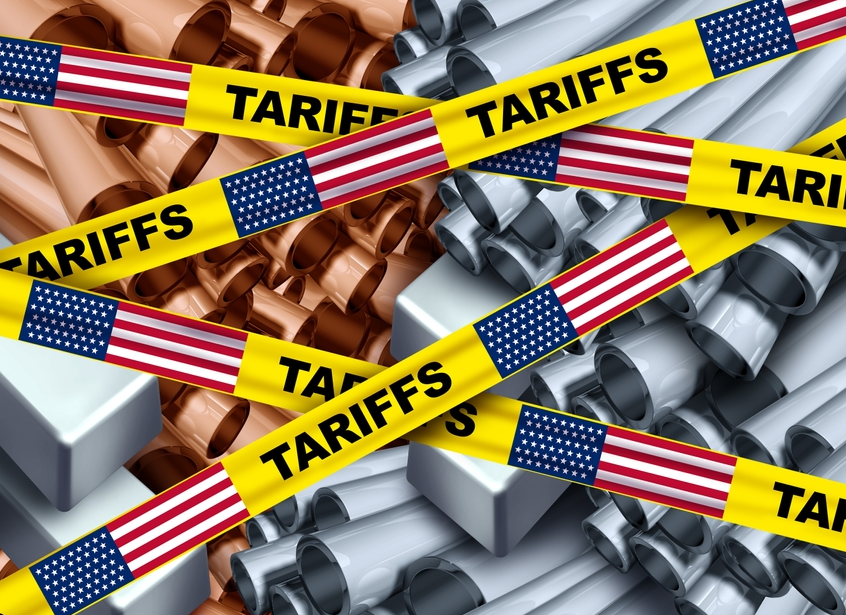
I’ve been writing about tariffs for a couple of months now, focusing mostly on the macroeconomic harm and the costs they impose on small businesses. Today I want to consider something else: the new risks they are adding to the financial system alongside the old risks.
I hate to be the one to break it to you, but the economy and the markets are not working efficiently. It’s been that way for at least all of my adult life (2008), and maybe a handful of years before that.
Economic data can be soft or hard. “Soft” data reflects attitudes, expectations, opinions, and feelings. It’s a step removed from the “hard” data reflecting actual events. Soft data is still valuable because future expectations shape the hard data that follows.
I don’t believe the current level of tariffs will be maintained. I think most of them will be walked back, and the country will adapt to, say, a 10% tariff here and there. The Chinese (and a few other countries) tariffs are different in that they will have a more significant impact.
Today we are going to look at some of the uncertainties in our world and then explore some ways to gain a little certainty.
If I had a dollar for every time I heard or read the word recession in the last week, well, I’d have enough not to be financially worried about one. Add a dollar for every mention of tariffs and I’d be comfortably flushed with cash.
You probably noticed we are having one of those “weeks when decades happen.” Notice also, however, that we are still here. Your investments and businesses may be bruised but you’re still in the game.
Good news: Tariffs will not make the world end. American businesses will do what they do best, which is adapt. While the probability of a recession has increased, we always get through it and the best businesses thrive. Unless directly affected by tariffs, don’t change your personal plans that much.
The trajectory of small businesses often goes something this: a first-generation entrepreneur starts and grows a company. It could be a software company, but also a plumbing, electrical, or HVAC business.
The absolute best time to start investing would be the day you turned 18 and could legally open a brokerage account.
Today I’ll try to cut through some of this fog and look at why the US has a trade deficit. As you’ll see, it is a built-in, necessary feature of our money. Plus, it is time to start watching for a recession. Let’s jump in.
The theme among so many writers seems to be “vibe shift.” And indeed, there is a concern the economy is slowing and may even be in a recession.
Understanding actual inflation – instead of what the media’s narrative tells you it should be – is critical to your investment planning. It is one thing for a pundit to say this or that, but it is another to look at the actual data for yourself.
It was inevitable. Certain pieces of the market roared to insane valuations last year. Investors poured money into the markets and speculated stocks would keep rising forever. But, sentiment has shifted.
I will again join forces with Ed Easterling of Crestmont Research to explore this data more deeply. Currently we have several powerful trends that have combined to create a nirvana-like market.
Today we are going to revisit that matrix updated through 2024. We will see what we got right and wrong, what further inferences we can now make and why I think it confirms my general shift in market strategy over the past few years.
None of us outside Trump’s inner circle know what the real goals are. What looks like needless chaos might lead to benefits that outweigh the costs. One potential benefit is revenue. Could the tariffs produce significant tax revenue that would help reduce the federal debt? The president seems to think so.
My friends like to make fun of me by taunting that I don’t like to commit to things. I’m constantly trying new hobbies. I don’t like to make plans too far in advance because something more exciting might pop up. I don’t even like to renew my car tags for more than one year.
Trump Confusion Syndrome, or TCS, is distinct from Trump Derangement Syndrome in which afflicted people feel outrage about everything the president says or does. TCS isn’t about agreeing or disagreeing. It’s mostly about understanding. And then when something still seems wrong, feeling free to say it out loud.
It’s mid-February and earnings season is in full swing. All I really want to know is if Mr. Market is going to be my Valentine… or not. Earnings data hits, political comments are made, and investors react. The CNN Fear & Greed Index is at dead neutral.
Today we’ll talk about Trump, tariffs, cycles, and DOGE. Jumping right in…
This is not about China. I applaud the creativity of the DeepSeek developers and especially their ability to drive down costs. I am amazed they made it truly open-source and revealed everything.
The first month of 2025 will soon be behind us. We’ve seen new inflation data and earnings season start to ramp up.
The Second Trump Era has begun. If you are confident about what it will bring (either good or bad), I would like to gently suggest you reconsider. None of us should be sure what is coming.
Last week in my 2025 forecast letter, I predicted A Partly Cloudy Year, generally mild but with occasional storms. Today we’ll talk about the second half of that sentence. What could go wrong and lead to a worse-than-expected year? In short, what are the main risks to my forecast?
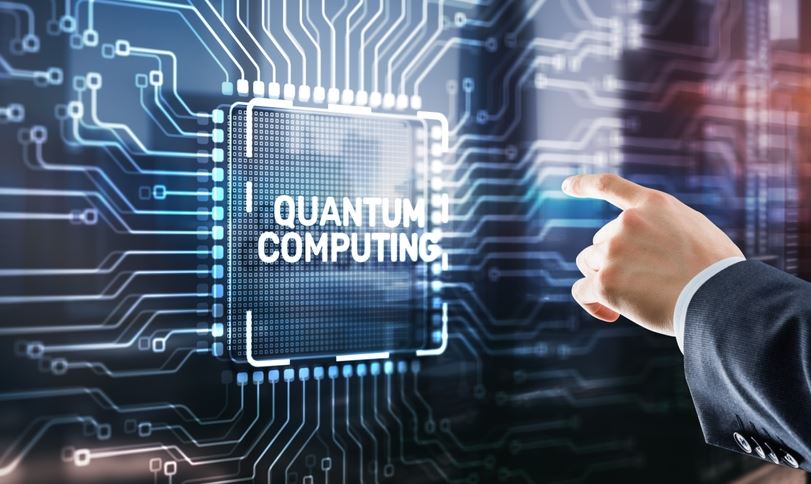
Everybody has an opinion about quantum computing lately. Last week Nvidia CEO Jensen Huang suggested we were 15–30 years away from “useful” quantum computing
Rough times are coming, yes, but I think we have at least 12 good months before the worst gets here. Let’s look at some of the reasons why things should be okay and then look at some of the potential problems.
Since dividend investing can be boiled down to a single strategy—generating income—you might assume we don’t need a toolbox full of tools. We know that’s not true.
Most people don’t pay much attention to the political process, either local or federal. This year I think it is something we should all be paying attention to as it might affect our various lives.
I expect three major innovation cycles to dramatically affect our world in the next decade, with impacts comparable to steam engines, electricity, automobiles, and even the internet. Every new invention helps us explore even further.
I must confess, I have been aware of quantum computing for quite some time, but it was one of those things that always seemed far off. It’s now getting much closer.
Taxes are on my mind. Do I factor in whether a dividend is considered qualified or ordinary when making my recommendations?
Energy is everything. Or, if Einstein was right, you and I are just energy in material form. Accelerate us to lightspeed squared and we might become something else.
Collectively, we’re spending more and more on Christmas each and every year. This happens despite concerns about the economy and politics—and the fact that US credit card delinquencies continue to climb higher. So, how does this put more money in our pockets as dividend investors?
Whether you want to buy or rent, finding an affordable, comfortable home can be extremely difficult, if not impossible.
The question on “everyone’s” mind, whether the back or the front, is where will the stock market be in two, three, six years?
Politicians and think-tank wonks of all stripes love to condemn government “waste, fraud, and abuse.” But saying it isn’t hard. Who is the opposition? No one says we need more waste, fraud, and abuse. We’re all 100% agreed all three are bad.
I’ve been looking for the best dividends in the market for over 13 years. Time after time, I keep coming back to this question.