Powering intelligence: the molecules, metals, and markets behind AI.
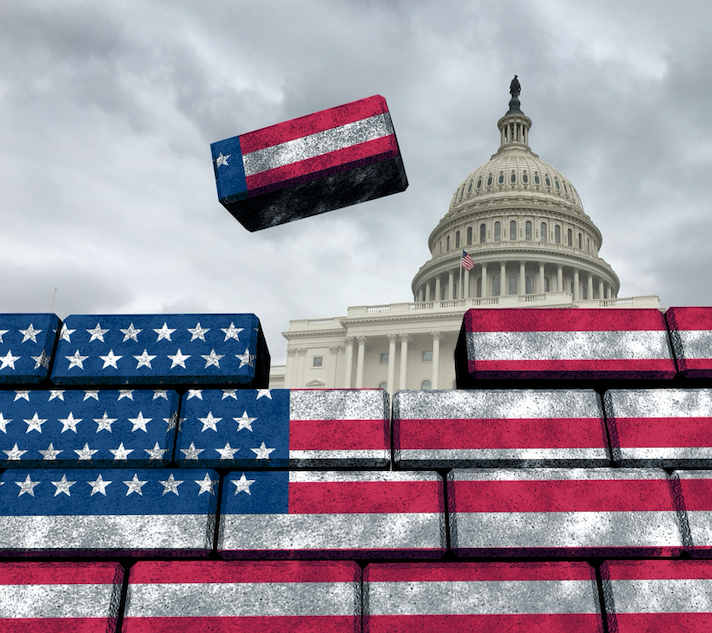
How the shutdown may impact the Federal Reserve, the economy, stocks and bond yields.
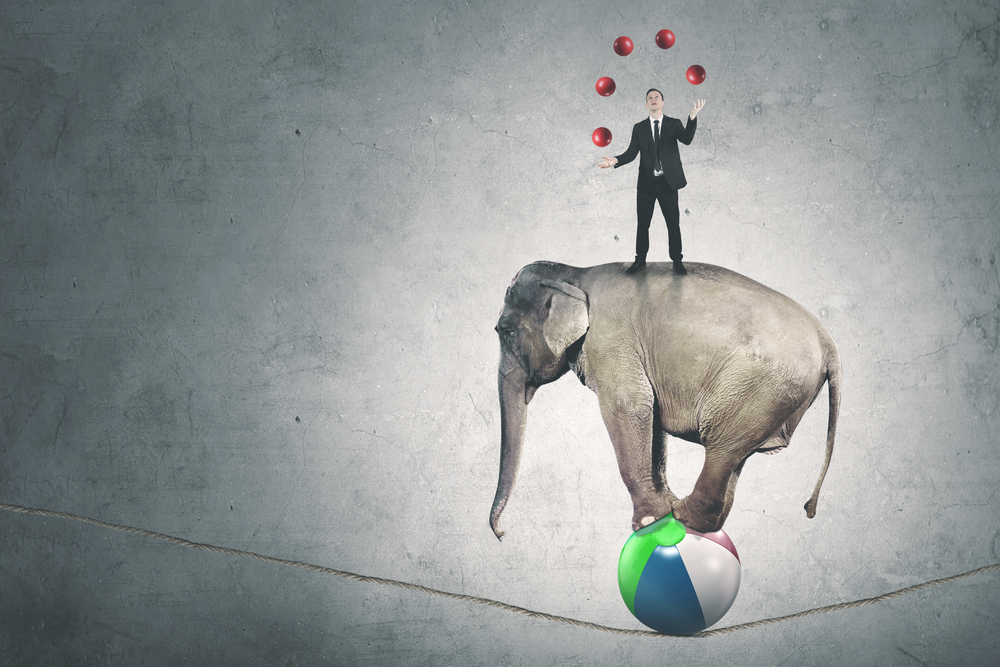
Central banks are walking a tightrope, carefully fine-tuning their next moves as they face lingering inflation and subdued growth.
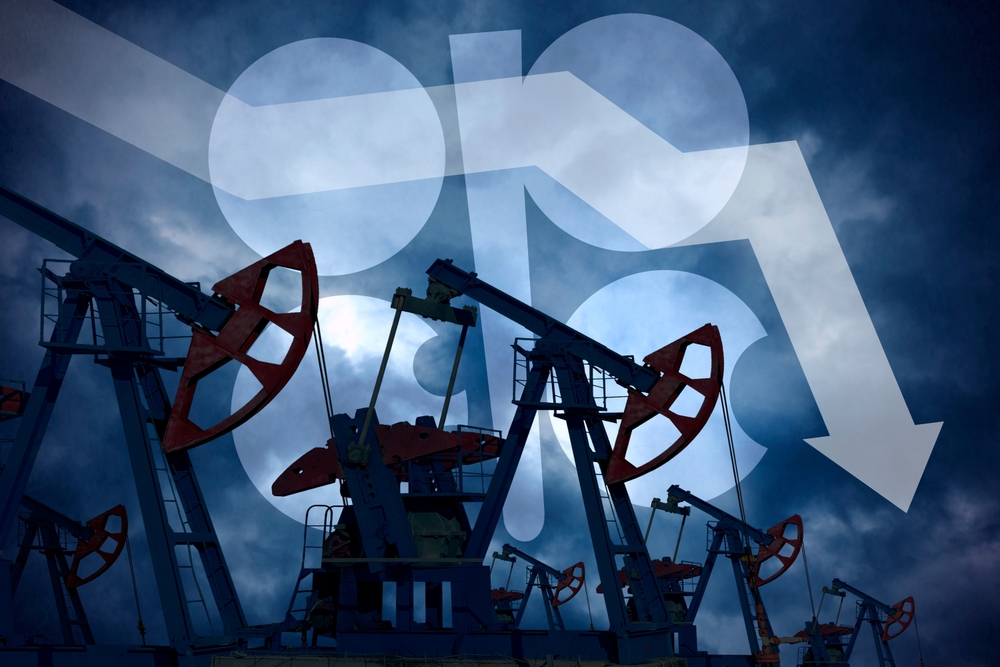
Oil prices are notoriously difficult to forecast. Production can be volatile, and the global oil supply chain is complex.
Back in the day, the arrival of the postman was a big deal. E-mail and texting existed only in the dreams of technologists, so people communicated with one another by writing letters.
Investors are increasingly confident that the U.S. Federal Reserve will cut interest rates several times through mid-2026, signaling a more aggressive easing cycle.
Clearer policy and lower rates are favorable for growth.
Healthcare costs will be a chronic pain.
France, Britain, and the Fight for Fiscal Credibility
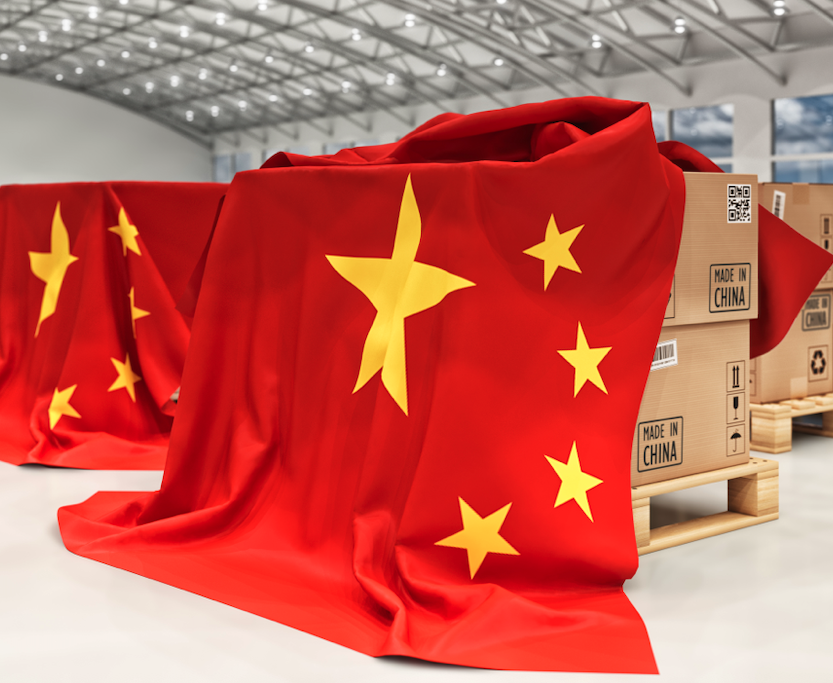
China continues to struggle with deflation. Producer prices have been falling for more than two years, and consumer prices have been essentially flat over that time.
The Fed lowered rates by a quarter of a percentage point (0.25%) at its September meeting, citing increased risks to employment; Powell emphasized ongoing inflation and a divided Committee, with future moves dependent on incoming data.
Cuts are in store, but decisions will be weighed carefully.
Today, volatility isn’t a blip on your radar; it’s the landscape. The question isn’t if, but when the next market shaking event will hit your portfolio. So, are you equipped—or exposed?
Gold, digital gold (blockchain-backed gold), and critical minerals are drawing interest as money supply grows and certain resources become scarcer.
The U.S. economy has thus far avoided recession, yet growth has decelerated and economic risks persist.
Independent central banks are a relatively recent concept.
Relations across the English Channel have stabilized.
Powell’s speech seemed to give an all-clear signal for a cut in September. The speech started with a focus on the softening labor market, concluding it is in a “curious kind of balance” with rising risks of layoffs.
Radical policy changes can launch new economic eras.
The year to date has been complicated by a cloud of uncertainty as a new U.S. administration took the world economy by storm.
Fed Chair Jerome Powell’s comments at Jackson Hole shifts the outlook for interest rates.
China’s economy has propagated itself through branches like trade, finance and infrastructure. But supply chains are where its roots have thickened into trunks, particularly across Southeast Asia.
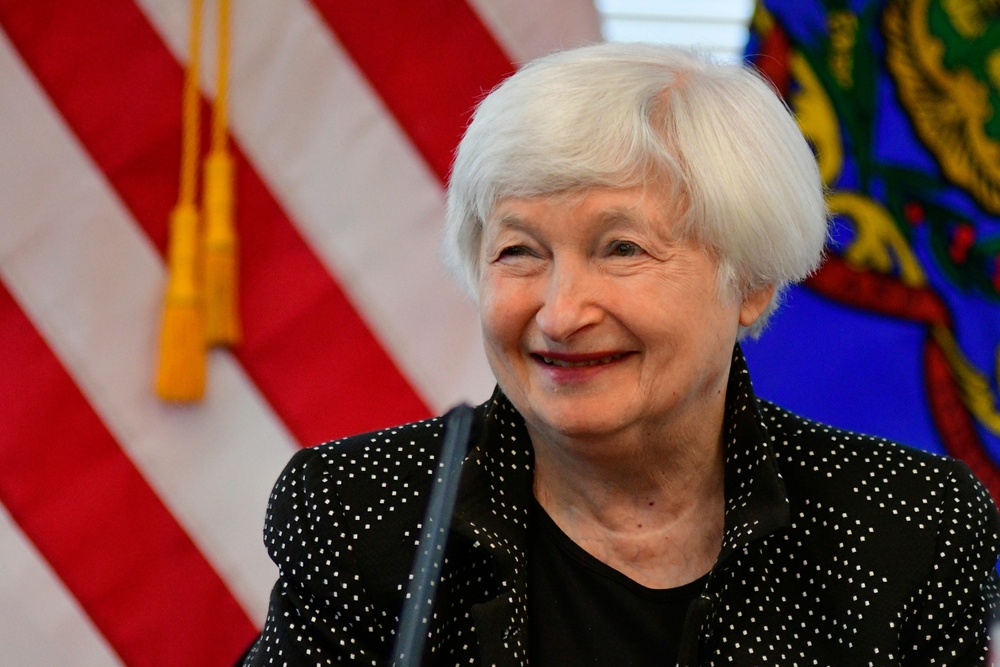
Few have accomplished as much as Janet Yellen during the course of their careers. She broke two significant glass ceilings, becoming the first woman to serve as the Chairman of the Federal Reserve and as U.S. Treasury secretary.
AI’s long-term potential remains strong, but supply chain risks and uneven adoption may impact near-term gains.
Resilient data continues to fuel market momentum, but policy risks and global fragility remain close behind.
Switzerland lacks leverage to challenge punitive tariffs.
Limited price collection will complicate estimates of inflation.
Younger workers are facing difficult employment prospects.
The U.S. economy is like a finely tuned sports car—powerful, tough, and built for speed. It has managed to climb steep inclines in recent years, competently maneuvering past multiple roadblocks.
A cooler labor market was long in the making.
Trade deals demonstrate that tariffs are here to stay.
A sharp shift in Fed expectations may trigger bond-market volatility while concerns about the economy may impact equities.
U.S. trade strategy is a top worry among economists.
An ambitious policy yielded great gains and high debts.
Trade negotiations will reveal a nation's favored sectors.
Constant threats are souring U.S. relations with its trading partners. Stop-gap deals of the kind agreed recently will not mark the end of the trade war, as the pacts leave high tariffs in place.
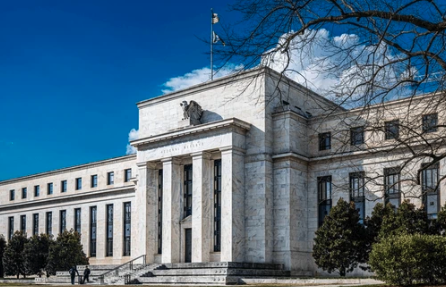
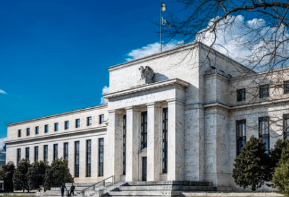
The Marriner Eccles Building, home to the Federal Reserve Board, is an imposing structure that fronts the National Mall in Washington D.C. It was constructed in the wake of the Banking Act of 1935, which created clear separation between the Treasury Department and the central bank.
Trade-dependent Asia-Pacific (APAC) economies are at great risk from the U.S. reciprocal tariff plan. After a three-month deferral, a new series of letters from the White House suggests that the levies will go into force on August 1.
Trade tensions spread to the copper and pharmaceutical markets.
Ignoring U.S. healthcare problems won't make them go away.
U.S. trade policy movements are starting to resemble a soap opera. Following a series of threats, escalations and suspensions, President Trump has extended the tariff deadline to August 1.
Everything that our team publishes has been through peer review. We candidly call out every opportunity we see to improve each other’s writing, from quibbling over word choices to challenging an essay’s entire premise.
The right level of regulation requires careful calibration.
Uncertainty has not impaired overall economic performance.
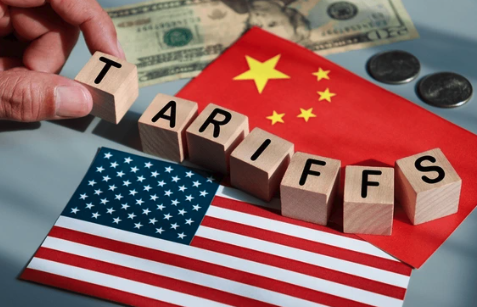
Tariffs have been the dominant theme in economic policy this year. While President Trump has long held protectionist views, his administration’s approach to international commerce has been more belligerent than was seen in his first term.
An economy cannot subsist on services alone.
Only a subset of subsidies will be rolled back.
Growth is expected to decelerate, but not come crashing down.
NATO's new spending pledge eases security concerns but adds to fiscal pressures.
The Fed left rates unchanged and signaled it’s still in wait-and-see mode, even as inflation risks and policy uncertainty persist.