A handful of key economic data points dropped last week, painting a picture of an economy that is successfully downshifting from its recent inflation peaks even as consumers keep their footing. Between a deceleration in consumer prices, a broad-based rebound in consumer confidence, and resilient retail demand, the latest figures offer a welcome sigh of relief for the broader economic outlook. However, underneath the positive headlines, a sudden shift in energy markets and bubbling geopolitical tensions suggest that this relief could face an immediate test.
Key Takeaways
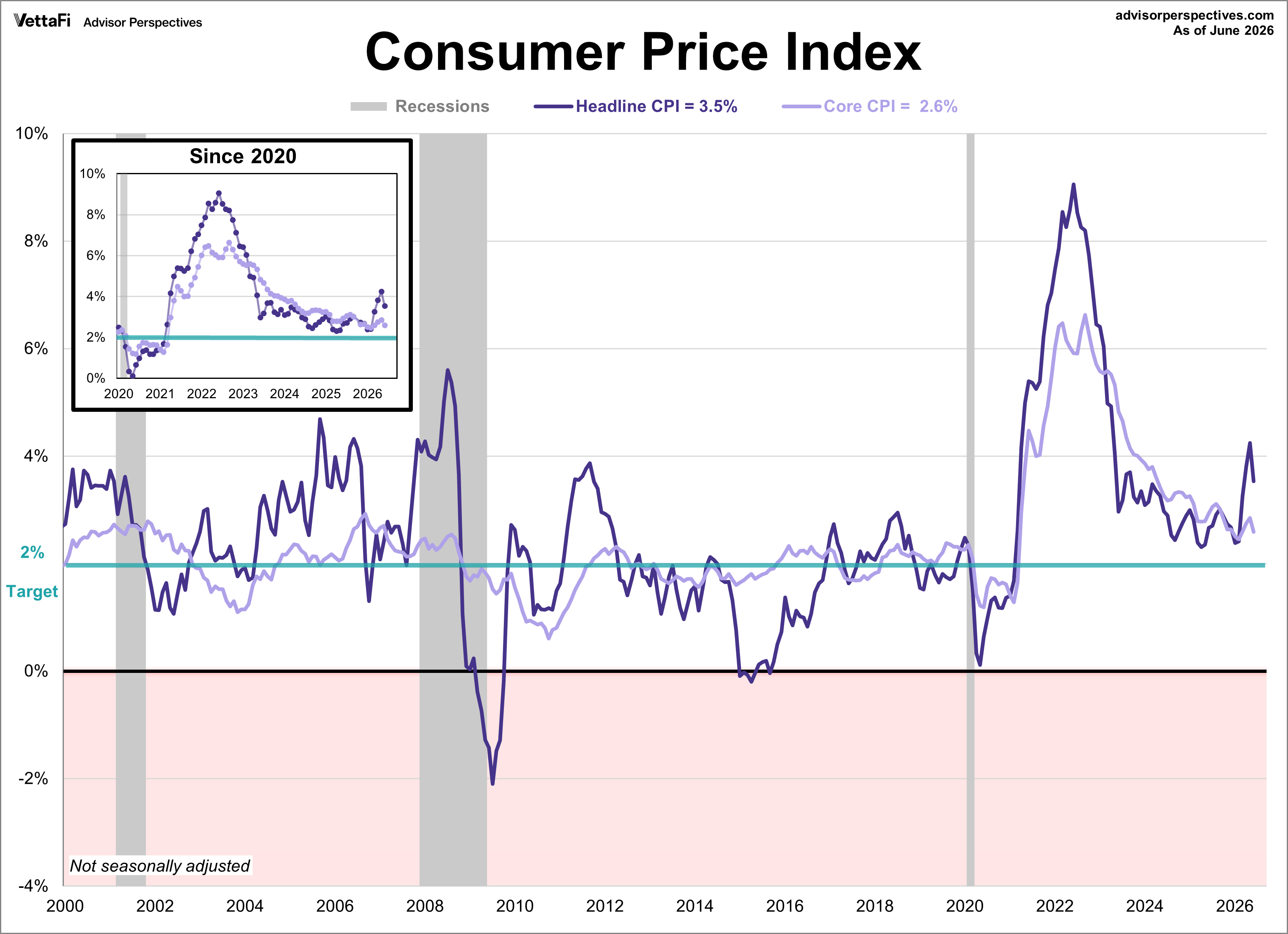
- The Consumer Price Index (CPI) fell to 3.5% annually and 0.4% monthly, its largest decline since April 2020.
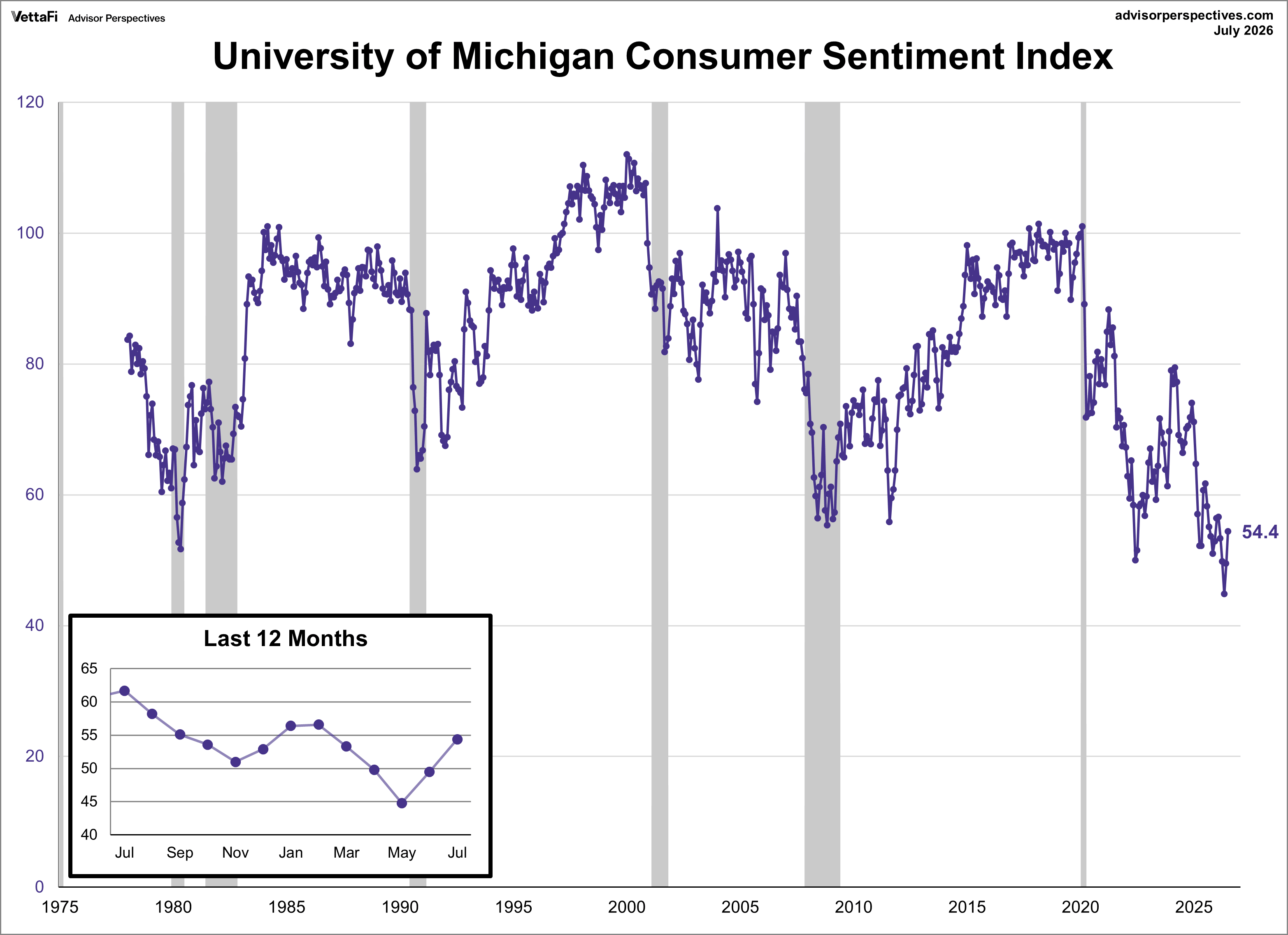
- Consumer sentiment reached a five-month high of 54.4 while near-term inflation expectations dropped to 4.2%.
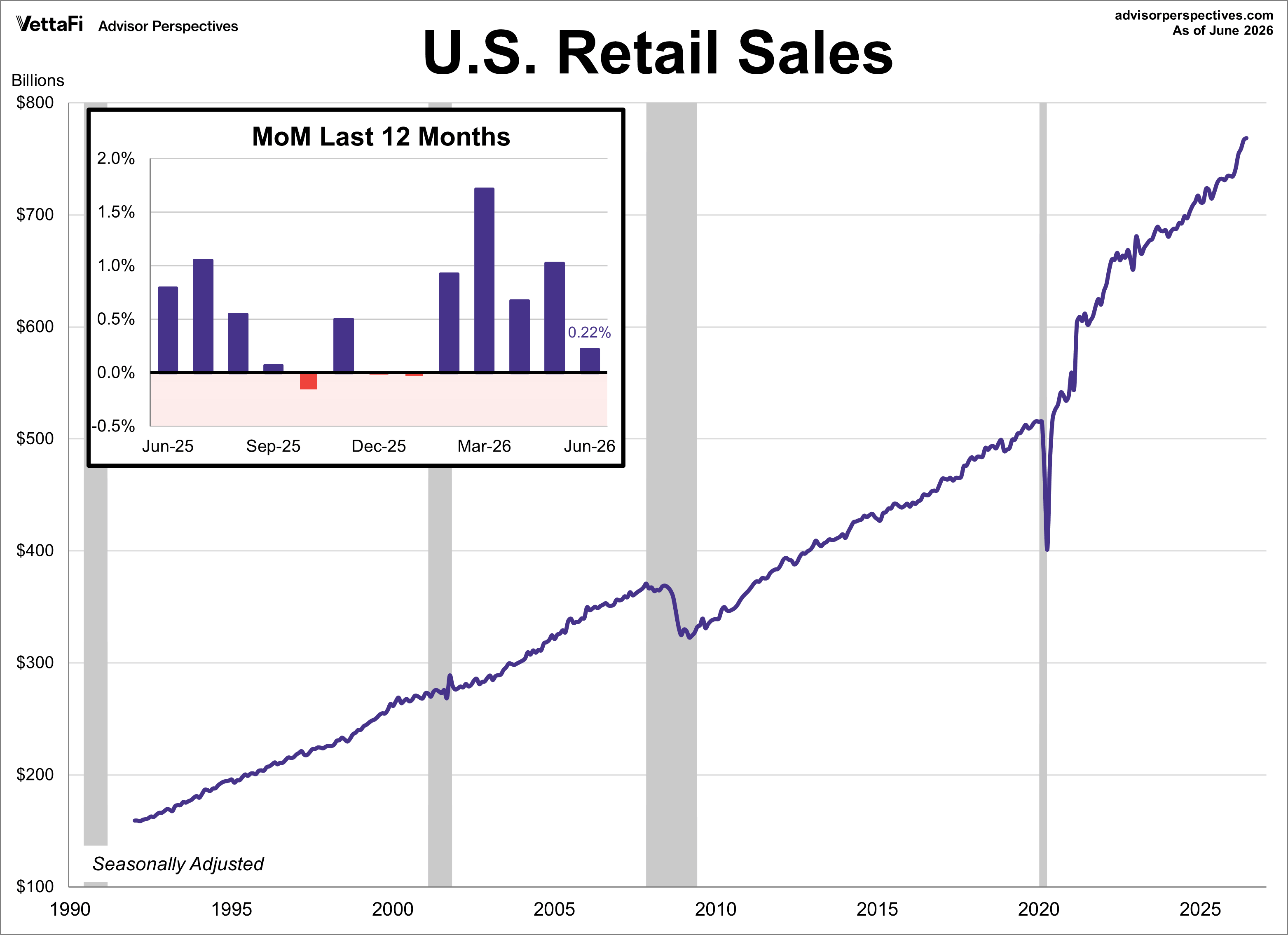
- Retail sales rose 0.2% in June while core control group purchases expanded by 0.5%.
Consumer Price Index: Inflation Relief Could be Short-Lived
Providing a sigh of relief for the broader economy, consumer inflation cooled for the first time in five months in June. The headline Consumer Price Index dropped to 3.5% year-over-year, marking a sharp deceleration from May’s 4.2% print and coming below the 3.8% forecast. On a month-over-month basis, consumer prices actually fell 0.4%, the steepest monthly drop since the height of the pandemic shutdowns in April 2020, and more than the projected 0.1% decrease.
A 5.7% plunge in energy costs drove last month’s decline, offsetting marginal increases in stickier categories like shelter and food. However, the renewed geopolitical tensions have caused concerns that the relief may be short lived.
The disinflationary trend extended into core inflation, which strips out volatile food and energy components. The core CPI dropped from 2.9% down to 2.6% on an annual basis, beating the 2.8% forecast. Additionally, core prices were flat from the previous month, coming in below the projected 0.2% growth.

Consumer Sentiment: Five-Month High on Easing Gas Prices
Boosted by a mid-summer dip in gasoline prices, U.S. consumer sentiment climbed to its highest level since February. The preliminary July reading of the University of Michigan Consumer Sentiment Index jumped to 54.4, marking a sharp 10% increase from June’s final reading of 49.5 and beating the forecast of 51.0. According to the report, the baseline improvement was remarkably broad-based, cutting across all major demographics including age, income, wealth, and political affiliation.
The bounce in sentiment coincided with cooling one-year inflation expectations, which dropped from 4.6% down to 4.2%, its lowest level in four months. Meanwhile, long-run five-year inflation expectations held steady at 3.3%.
However, this momentum could be short-lived because the vast majority of the survey interviews were conducted before the recent renewal in geopolitical tensions and subsequent rebound in gas prices.
The Consumer Discretionary Select Sector SPDR ETF (XLY) is tied to consumer sentiment.
Retail Sales: Resilient but Cooling
U.S. retail sales ticked higher for a fifth consecutive month in June, rising 0.2% as expected. While this represents the softest growth seen over the five-month streak, the underlying data shows consumers that are still actively spending. Much of the headline slowdown stems from a welcome decline in gas prices, which allowed Americans to spend less at the pump.
To get a truer pulse on consumer spending, economists track control group purchases, a metric that strips out volatile categories like gas stations, auto dealers, and building materials. This core gauge rose 0.5% in June as expected. This marks the sixth straight monthly advance but a slight step down from May’s 0.8% growth.
Retail sales could impact the SPDR S&P Retail ETF (XRT), VanEck Retail ETF (RTH), Amplify Online Retail ETF (IBUY), and ProShares Online Retail ETF (ONLN).
Market Reactions and Fed Outlook
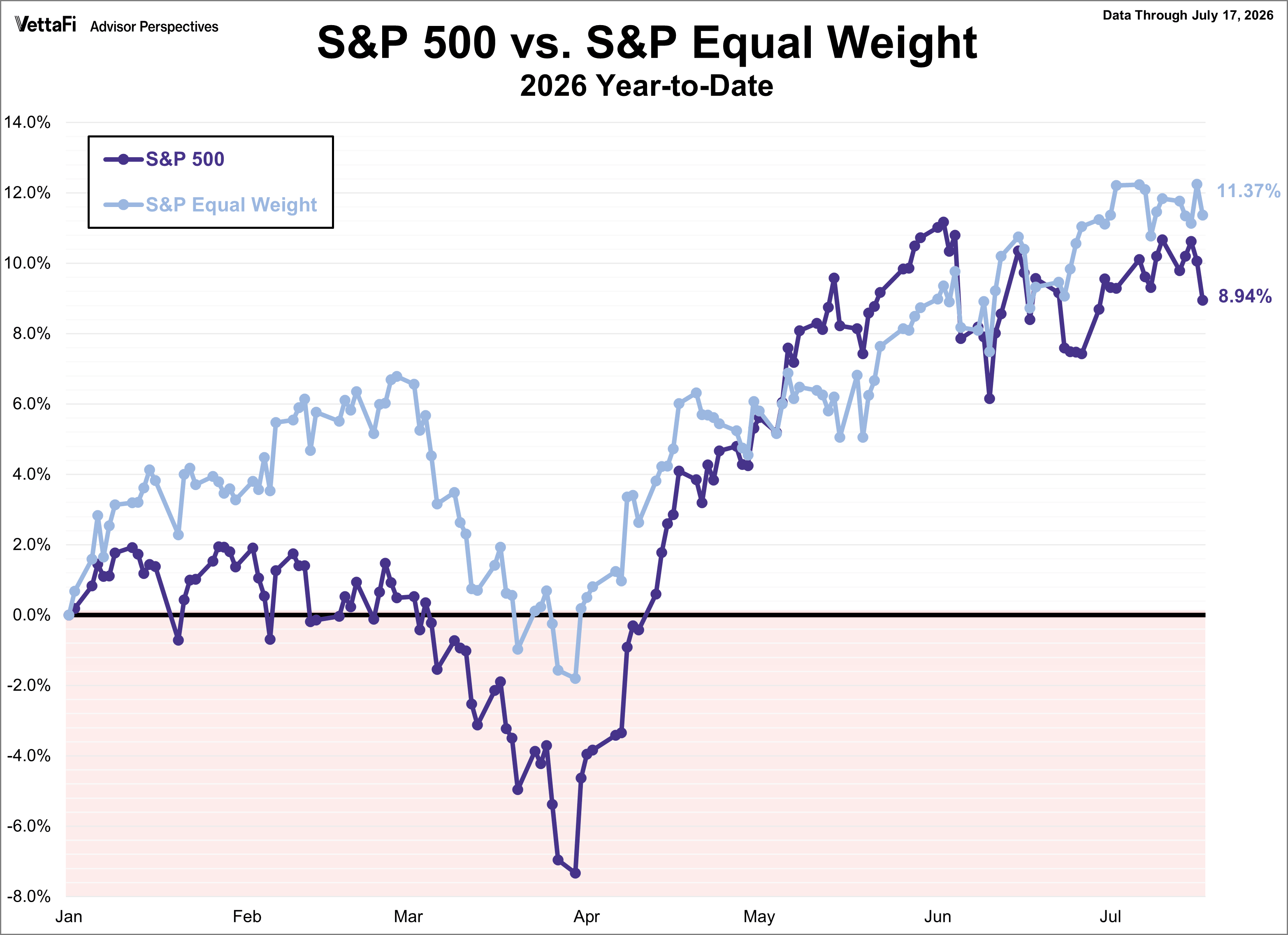
The S&P 500 started and ended last week on a sour note, ultimately resulting in a 1.6% loss and the index dropping below its 50-day moving average. As a result, the SPDR S&P 500 ETF Trust (SPY) fell 1.6% last week. Meanwhile, the S&P Equal Weight Index was down 0.4% from the previous week and the Invesco S&P 500® Equal Weight ETF (RSP) fell 0.4%.
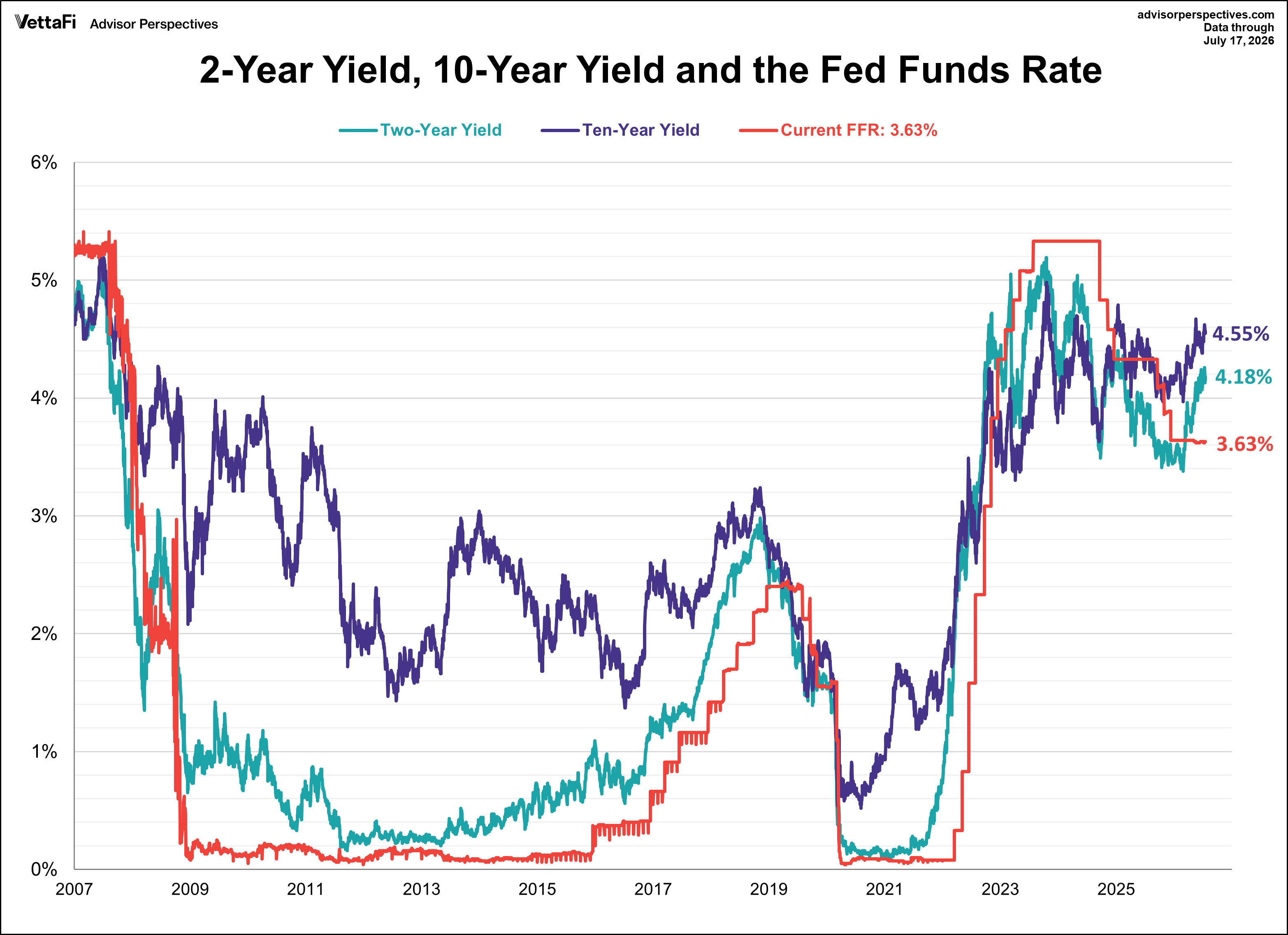
The 10-year Treasury yield finished the week at 4.55%, while the 2-year note finished at 4.18%.
The CME FedWatch Tool currently shows a 90% likelihood that the Federal Reserve will hold rates steady at its meeting next week, versus a 10% chance of a 25 basis point hike. Looking further ahead, markets are currently pricing in no additional adjustments through all of next year.
Looking Ahead: Economic Data for the Week of July 20, 2026
-
Monday: No notable data
-
Tuesday: No notable data
-
Wednesday: No notable data
-
Thursday: Weekly Jobless Claims, Chicago Fed National Activity Index (June)
-
Friday: New Home Sales (June), Kansas City Fed Manufacturing Index (July)
More Economic Insights Topics >