US job growth surged in August and the unemployment rate held steady, suggesting the labor market has more momentum than previously thought.
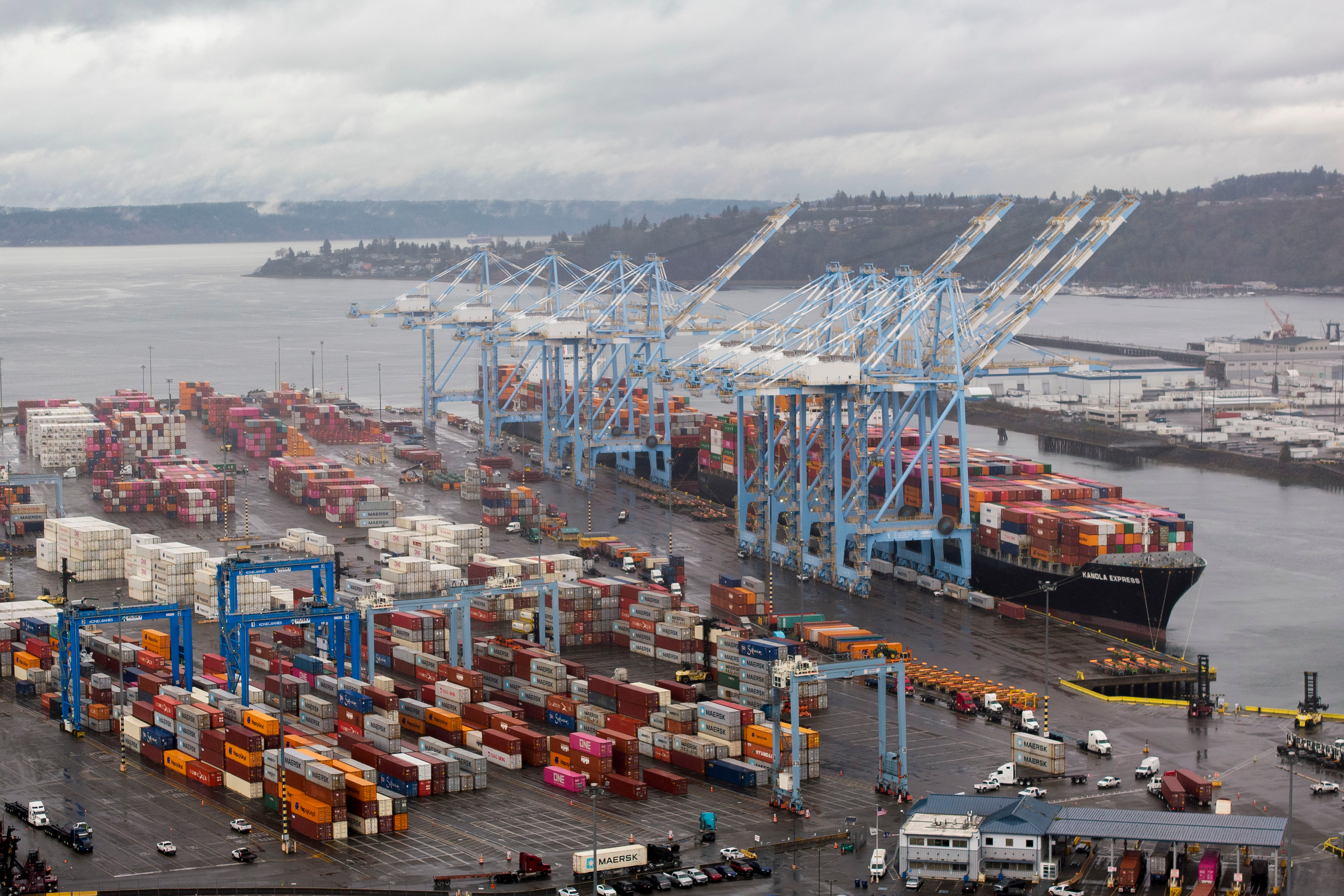
The US trade deficit narrowed in April as a surge in oil exports helped offset ongoing increases in imports of equipment powering the data center buildout.
There’s no official read on how fast the US economy grew last quarter, thanks to the government shutdown. But almost everyone reckons it was a healthy pace — and that’s largely thanks to AI.
The core consumer price index, excluding the often volatile food and energy categories, increased 0.2% from August, according to Bureau of Labor Statistics data out Friday. That was restrained by the smallest increase in a key measure of housing costs since early 2021.
Underlying US inflation rose as expected in August, keeping the Federal Reserve on track to cut interest rates next week.
The US economy expanded in the second quarter at a slightly faster pace than initially estimated on a pickup in business investment and an outsize boost from trade.
US orders for business equipment increased in July by more than projected, suggesting companies are moving forward on investment plans as some of the trade and tax policy uncertainty gradually diminishes.
US job openings unexpectedly rose in May to the highest level since November, largely fueled by leisure and hospitality, and layoffs declined, pointing to a stable labor market despite economic uncertainty.
Disappointing retail sales last month added to concerns of a pullback in consumer spending in the US, while a pair of business surveys suggested growing caution.
American businesses and consumers started the year thinking interest rates would finally come down, making big plans to buy equipment or a house. Now all of that is on hold, slowing large swaths of the economy for the foreseeable future.
Capital spending by US manufacturers will probably cool in 2024 after a banner year of investment in plants as still-elevated borrowing costs and demand concerns temper a lingering desire to upgrade operations.