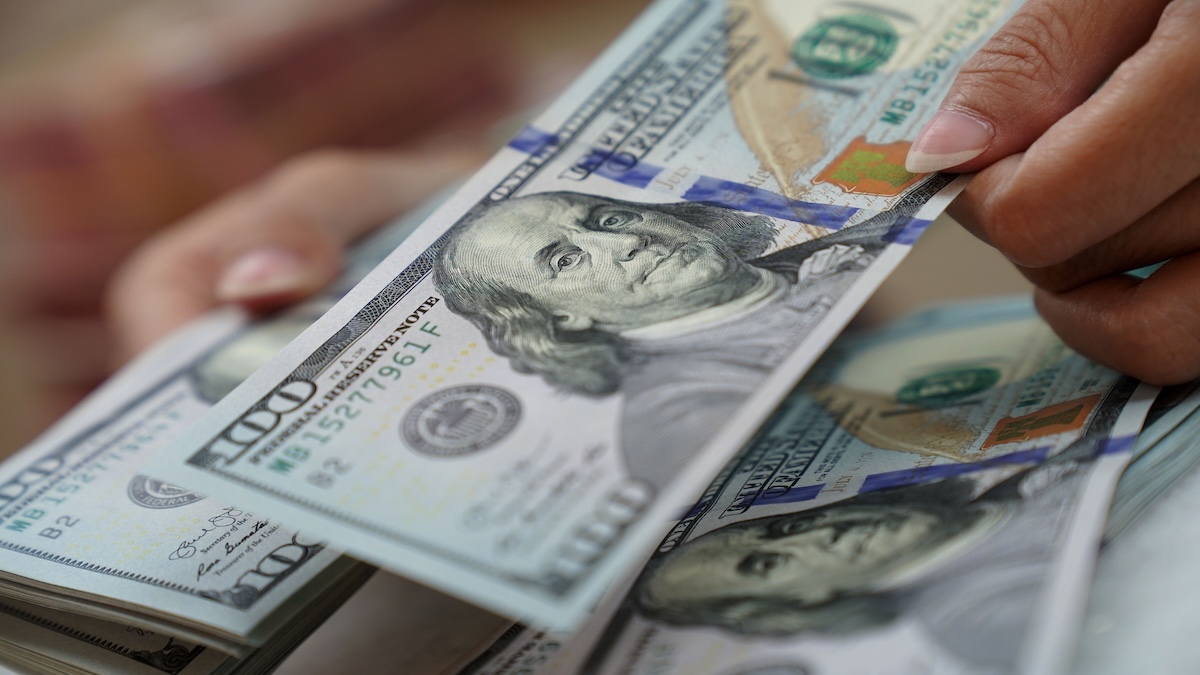
Sift through the filings of pension funds and insurers around the world and one thing stands out: some of the biggest holders of US assets have little protection against a weaker dollar, leaving the currency at risk of steeper declines if sentiment suddenly turns.
As investors debate whether and when the Federal Reserve will raise interest rates, market expectations for further tightening are building around the world — and spelling trouble for bonds.
The world’s most important central banks will potentially hand investors fresh reasons to sell government bonds this week as policymakers find themselves forced to confront the risk of a war-driven inflation shock.
Global bonds surged Wednesday on news that the US and Iran had agreed to a ceasefire, pausing a war that roiled markets for weeks by delivering the worst oil shock in years.
Treasuries rose on Tuesday as investors bet on the Federal Reserve cutting interest rates at least twice this year and jitters over global technology shares boosted demand for safer assets.
he dollar is regaining its crown as one of the world’s most appealing assets, defying talk of a “Sell America” trade that had raised troubling questions about the outlook for the global reserve currency.
Treasuries have powered into first place among major sovereign bond markets this year as the prospect of a new round of Federal Reserve interest-rate cuts overturns widely held bearish views on US debt.
US Treasuries tentatively resumed their gains on Tuesday after the wildest day for bond traders since the height of the pandemic in March 2020.
A resilient US economy and deepening geopolitical tensions around the world are making asset managers rethink their expectations for a weaker dollar.
Bonds extended losses as investors mulled the prospect of slower US interest-rate cuts, a trend that risks upending debt positions everywhere.
The growing prospect of a Trump presidential victory is making yield curve steepeners an attractive bet as growth will likely slow and inflation quicken under such a scenario, according to Morgan Stanley.
Global bonds are slumping after two shock interest-rate hikes this week served traders a reality check that central banks are far from done fighting inflation.
Treasury bills maturing in the first half of June rallied as trading resumed following the Memorial Day holiday after a deal to lift the debt ceiling eased concern over the prospect of a calamitous US default.
Treasuries extended their slump in New York, driving the yield on the benchmark 10-year note up by the most in more than three weeks, as renewed inflation concerns and economic data supported expectations for multiple Federal Reserve rate hikes in coming months.
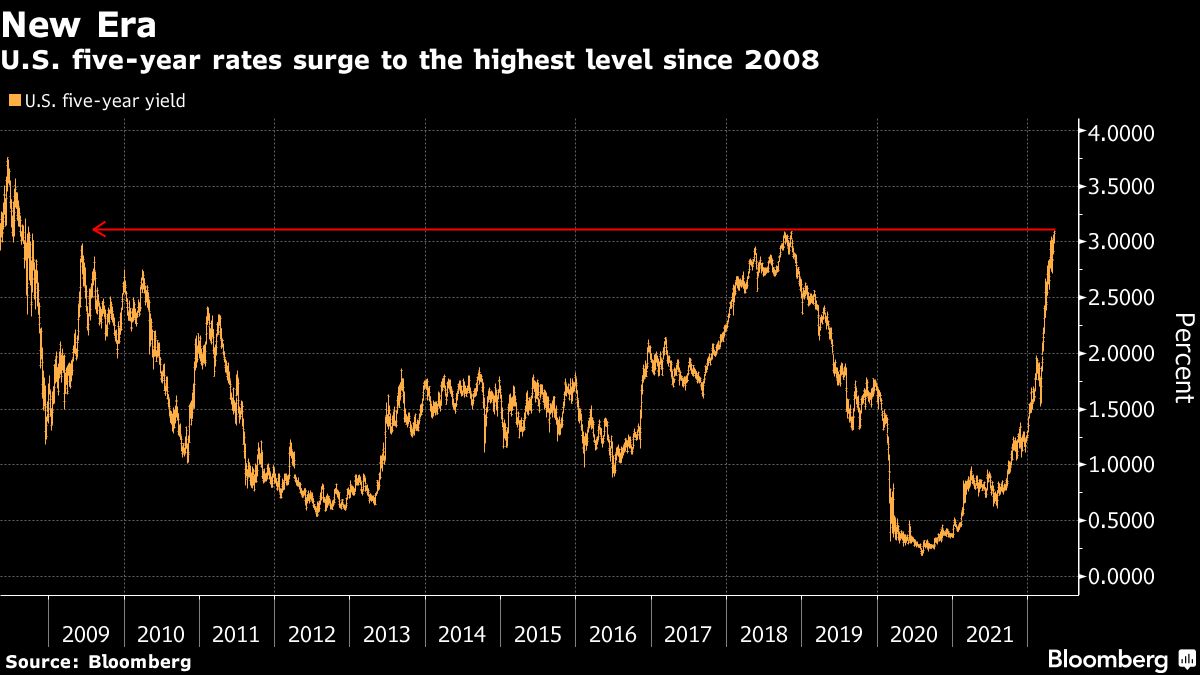
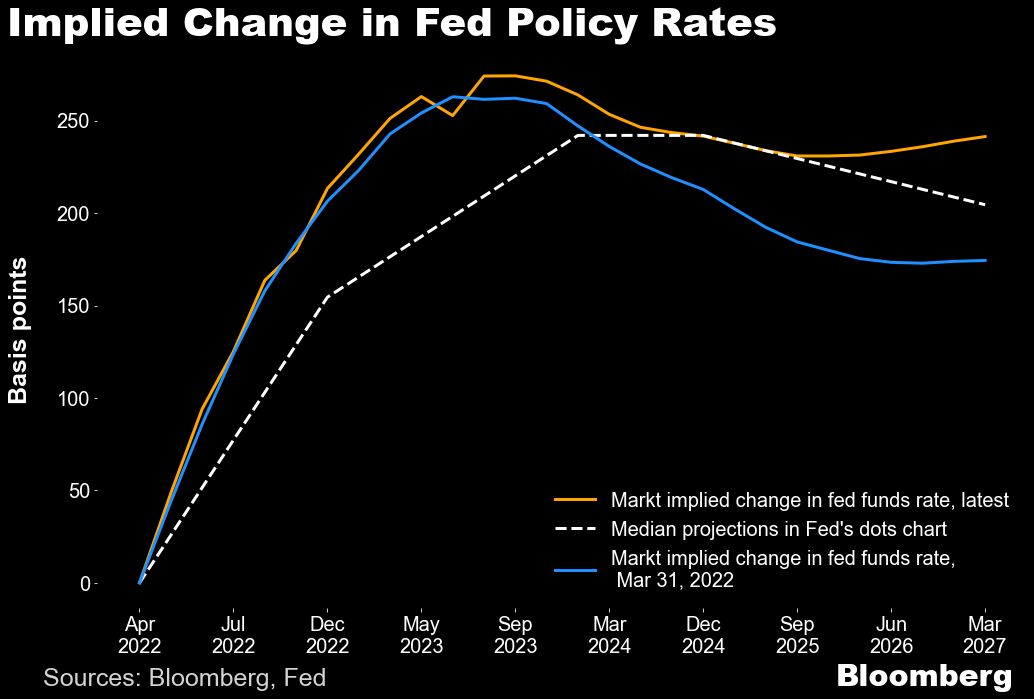
U.S. Treasuries tumbled Monday, driving the yield on five-year notes to the highest level since September 2008 amid speculation persistent inflation will prompt the Federal Reserve to tighten policy more aggressively.
U.S. government bonds dropped across the curve, with the two-year yield up two basis points to 2.47% as of 11:28 a.m. in New York. The 10-year yield rose two basis points to 2.85%, while a long-maturity Treasury ETF suffered a nearly 30% decline from a peak in August 2020 -- a record drawdown.
The bond market’s age-old measure of growth is flashing an ominous warning as the world’s central banks move closer to boosting interest rates from near record lows.
Hedge funds couldn’t have picked a worse time to be short the dollar while holding Treasury curve steepener positions.