I couldn’t resist using one of my favorite words – lagniappe. It means a little something extra, given at no cost, somewhat like the thirteenth doughnut in a baker’s dozen. Because there are so many topics and issues I could not cover in the previous chapters, here’s my lagniappe.
After the US saw inflation hit its highest levels in 40 years (since the bond bull market started), fueling bets that the Federal Reserve would embark on the most aggressive tightening campaign in a generation, it seemed that the bear market had finally started.
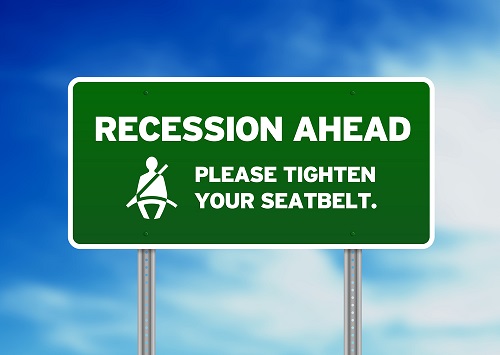
Everyone agrees that a recession is a contraction in real economic activity, but there’s no consensus on how deep, widespread and long-lasting the contraction has to be to deserve the “recession” label.
The latest raft of technology earnings is starting to show a clear divide between areas that may continue to grow and those that will most certainly suffer at the hands of a global economic slowdown.
Federal Reserve leaders pledged the central bank would continue an aggressive fight to cool an inflation rate that’s at a four-decade high, even if higher rates cause the risk of recession.
Facebook parent Meta Platforms Inc. has asked banks to hold investor meetings for a potential bond sale, the company’s first.
Relatively few companies manage have set up corporate donor-advised funds.
Why is persuasion so difficult?
Growth in the US services sector unexpectedly strengthened to a three-month high in July on firmer business activity and orders, easing concerns of a broader economic slowdown.
There was a major development in 2006 that transformed how Americans invest for retirement. It solved one problem, but created another that will be causing extra pain to people who retire in this economy.
Have you seen a situation where the person running the advisor team is former college football star and every single story – I mean every one – is about football?
Here are nine little-known high-earning professions you should be considering as target markets.
It’s easy to assume when you can pack a seminar room full of qualified prospects, you’ll expect a bunch of new paying clients.
How can you leverage the time you have left in this year to maximize your referral results?
I’m going to discuss five facts about this group that will give you a better sense of these worthy immigrants.
We never get too old for stories. And especially in the current volatile market, our clients benefit greatly from hearing a story like Dimensional’s – which gets better the longer it continues.
After getting thrashed in the era of low interest rates, the last remaining hedge fund managers dedicated to the world of foreign exchange are in fighting spirits this year.
Merck & Co. has said nothing publicly about rumors that it is in talks to buy Seagen, a biotech company working on cancer treatments, for about $40 billion.
US House Speaker Nancy Pelosi became the highest-ranking American politician to visit Taiwan in 25 years, prompting China to announce military drills encircling the island.
The long-running active versus passive debate has become even more heated than usual during the recent stock market turmoil.
This week, everyone working on energy and climate issues in the US is intensely focused on the Inflation Reduction Act, looking for smoke signals as to whether it will pass and if any modifications will be made.
Uber Technologies Inc. reported revenue that beat analysts’ estimates, boosted by resilient demand from customers who continued to hail rides and order takeout food despite rising inflation. Shares jumped about 14% in early trading.
What about those, like members of some religious orders, who consciously make vows of poverty? Does that lead to harmful money choices?
Joe Biden took a political gamble with his visit to Saudi Arabia last month, courting a kingdom he once vowed to punish in a quest for more oil supplies. This week will reveal whether it paid off.
July was an illustration of the adage that “the market is not the economy.” US stocks had their best month in two years while the economy received discouraging news about both growth and inflation.
Bond bulls, while savoring a stellar rebound in returns fueled by growing recession fears, are braced for potential setbacks.
Necessity is the mother of invention, so they say. And in this case, stupidity is as well.
Currently, the electric vehicle market is bumping into some constraints on the supply side.
Investors expect Elon Musk to sell more shares of his electric carmaker Tesla Inc. by the end of 2022, according to the latest MLIV Pulse survey.
Before investors get too excited about the July surge in stocks, here’s something to keep in mind: August and September are historically the two worst months for the S&P 500 Index.
Last week, Bob was visited on Martha’s Vineyard by frequent author David Blanchett, his wife Sarah, and their four children. David is managing director and head of retirement research at PGIM, a unit of Prudential Financial, Inc. He is also an adjunct professor of wealth management at The American College.
One obvious strategy in pursuit of an environmental, social and governance (ESG) mandate is to exclude fossil fuel stocks. But new research shows this has made the portfolio vulnerable to supply or demand shocks to energy.
This is the first in a series of articles that will explore tax-efficient retirement distribution strategies.
When starting with a niche, you may find it difficult to produce topics for your content marketing. To get ideas, take notes about what your prospects are talking about. This article covers specific points to create an effective content strategy.
Although supply constraints and depletion brought these bouts of inflation, there’s a universal conviction that government spending and the massive “printing” of money is the culprit, and that the only solution is to raise interest rates. Three simple points contradict this conventional wisdom.
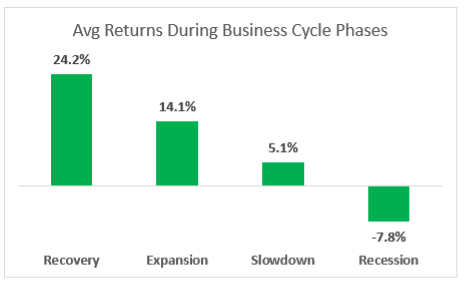
Sector tilting during cycle phases is one way to improve your risk-adjusted performance.
Two key US inflation gauges posted larger-than-forecast increases on Friday, heightening concerns that prices will remain persistently high and prompt continued aggressive interest-rate increases from the Federal Reserve.
The extreme pessimism that’s gripped American stock investors for much of the year is starting to dissipate. That might be reason for caution.
The US is poised to deliver a bumper spring wheat crop in the upcoming weeks, which if realized could help relieve global shortfalls caused by turmoil in the Black Sea.
Google is for search. TikTok is for entertainment. At least that’s how it used to be.
Earnings reports from the biggest technology companies show that the group is navigating the tough economic environment better than smaller rivals, fueling a rebound in stock prices and encouraging investors about the outlook for the second half.
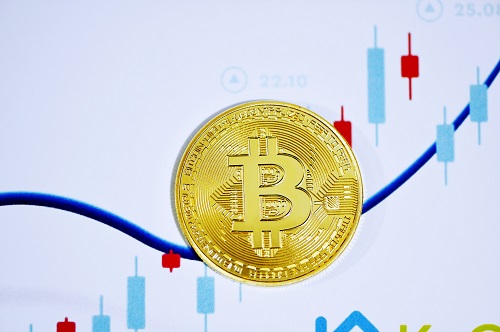
Bitcoin and Ether, the world’s two largest digital tokens, are headed toward their best month since 2021 amid a revival of risk appetite in global markets and optimism about an Ethereum network upgrade.
US consumer spending barely rose in June after falling in the prior month, underscoring how decades-high inflation has eroded Americans’ paychecks and tempered demand.
The days of working from home may be numbered.
Announcing another interest-rate increase on Wednesday, Federal Reserve Chair Jerome Powell said that the path toward a soft landing — with lower inflation and no significant rise in unemployment — has narrowed. The question is whether there is any such path.
Marriage in the US also unlocks an under-discussed retirement option: the spousal IRA.
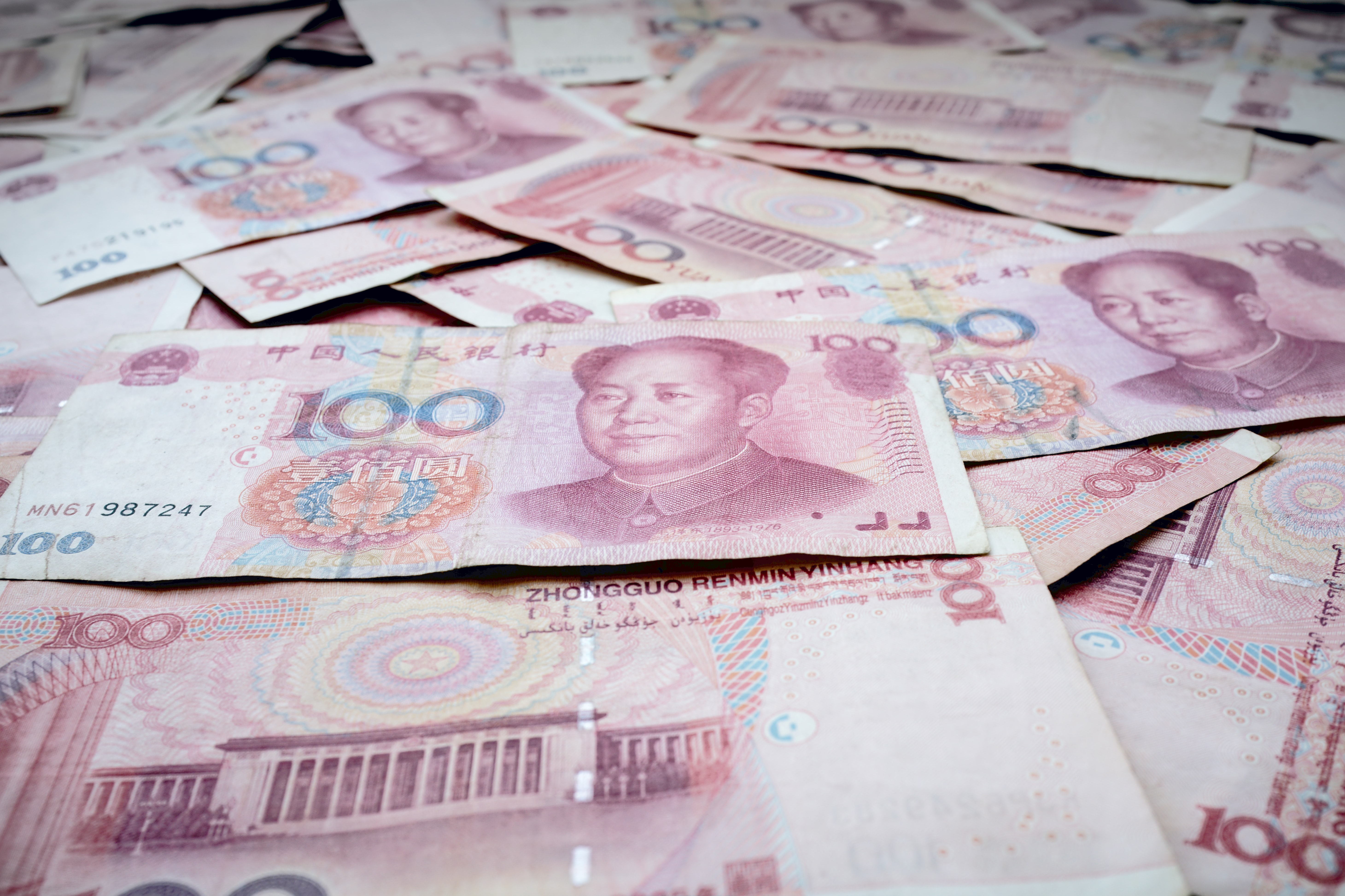
Trading volume in the yuan-ruble pair increased to the highest ever this week and hit a daily record of 7.82 billion yuan ($1.16 billion) on Wednesday, according to Moscow Exchange data.
Amazon.com Inc. was the latest company to discuss its belt-tightening efforts this week.
The official arbiters of US recessions aren’t close to making a call that a downturn is under way, and may end up concluding 2022’s first half was part of a continuing expansion.
The US economy is losing momentum heading into the back half of the year, highlighted by the government’s latest report card that showed weaker consumer spending and declines in business and residential investment.