Wealthy Americans, who were girding for the biggest set of tax increases in three decades just a year ago, now look mostly safe from higher levies for years to come.
Looking for greener pastures, advisors are weighing their options.
Tough times are not an excuse to stop marketing. When you do that, your career will suffer from neglect and inaction.
Oil extended gains after a big draw in US crude inventories, while the prospect of a slower pace of interest-rate hikes from the Federal Reserve filtered through markets, buoying commodities.
The market’s inflation concerns are taking a back seat to recession fears.
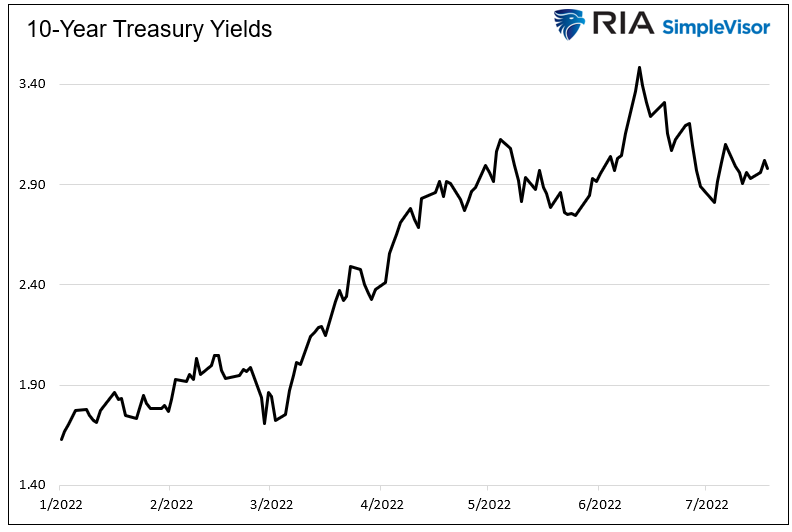
Gold climbed after the US economy shrank for a second consecutive quarter, pushing the dollar and Treasury yields lower, and clouding the outlook for further aggressive interest-rate hikes as the Federal Reserve fights inflation.
The dreaded R word is looming over Americans as the economy contracts and the Federal Reserve raises rates.
Chair Jerome Powell said the Federal Reserve will press on with the steepest tightening of monetary policy in a generation to curb surging inflation, while handing officials more flexibility on coming moves amid signs of a broadening economic slowdown.
A few days ago, Coinbase Global Inc.’s top lawyer issued an unequivocal rejection of the US Securities and Exchange Commission’s allegations that digital tokens it offers its customers were, in fact, unregistered securities. “Coinbase does not list securities,” Paul Grewal wrote in a blog post. “End of story.”
Have we reached peak social media?
Meta Platforms Inc., the social media giant that includes Facebook and Instagram, reported its first-ever quarterly sales decline, citing advertisers’ shrinking budgets.
The US economy shrank for a second straight quarter, raising chances of a recession, as decades-high inflation undercut consumer spending and Federal Reserve interest-rate hikes stymied business investment and housing demand.
The groundbreaking global corporate-tax agreement secured last year by Treasury Secretary Janet Yellen included a “failsafe” measure to encourage compliance by its 137 signatories.
For analysts, the last Thursday of July is always one of the busiest dates in the calendar. This year, it’s likely to be even more of a stretch.
The dollar is strong and getting stronger, hitting 20-year highs relative to a basket of other currencies.
The biggest stock-bond rally in more than two decades has just raised the ante for investors betting Jerome Powell will send somewhat dovish signals at Wednesday’s high-stakes policy decision.
Funds controlled by Cathie Wood dumped Coinbase Global Inc.’s stock for the first time this year as the the largest US crypto exchange faces a probe.
Four months have passed since the chief executive officer of Tesla tweeted he was working on a third “master plan” for the electric-car maker.
Boeing Co. generated $81 million in cash from its operations during the second quarter, sharply reversing its heavy cash use earlier this year as the planemaker stepped up deliveries of its highly profitable 737 Max jetliners.
Set expectations with your clients that your role is to prepare them for the future, not to predict how that future will unfold.
Alphabet Inc., Microsoft Corp. and Texas Instruments Inc. posted double-digit quarterly revenue growth on Tuesday and expressed optimism about the coming months, reassuring investors who had been fretting that the technology industry was poised for a dour second half.
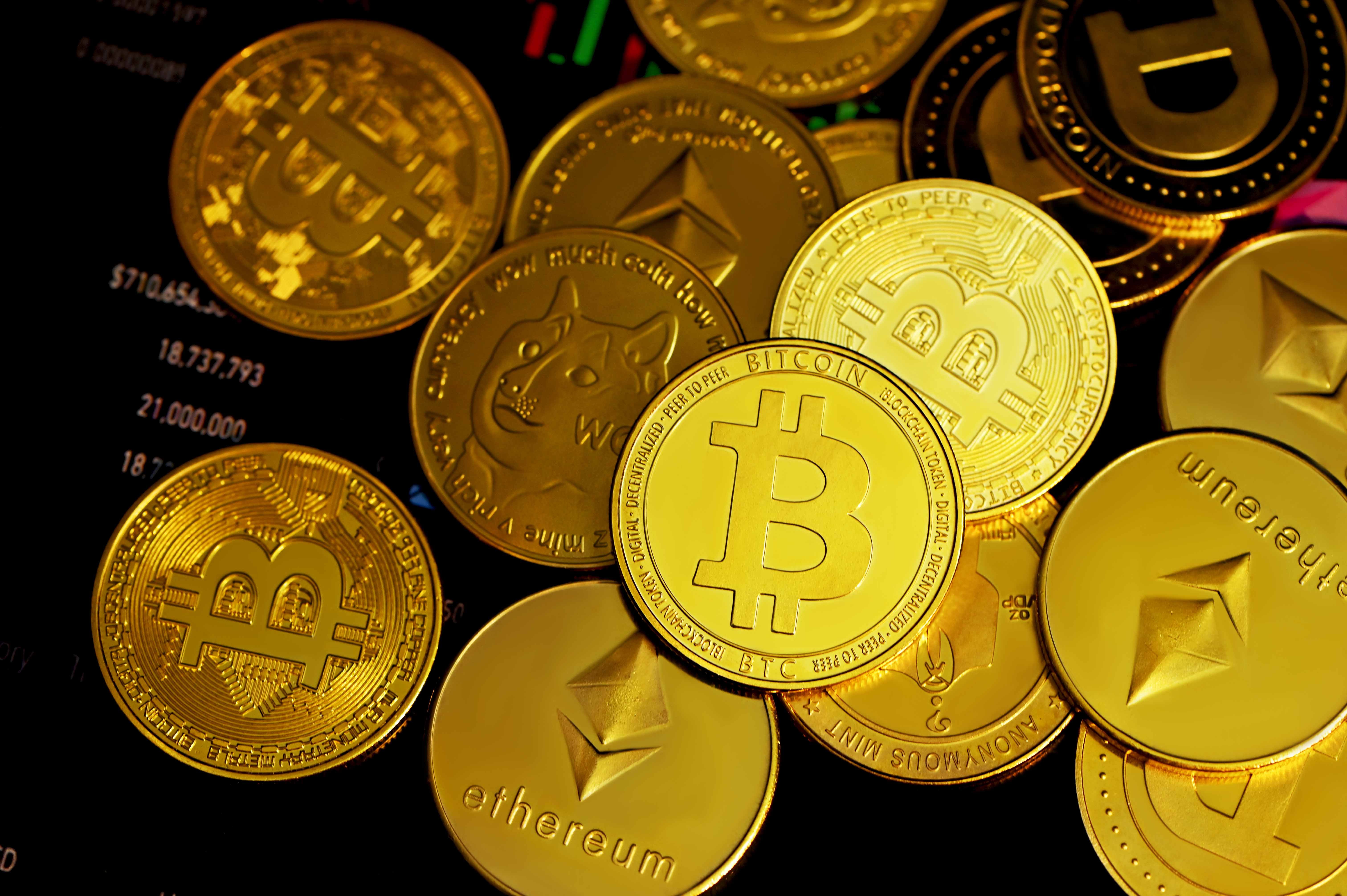
One of the most common criticisms of cryptocurrency is that it is just a way to get around financial rules and regulations.
The leader of our firm is not a nice person.
You don’t want someone with narcissistic personality traits managing an active mutual fund.
Here are six relationship-marketing tips advisors can use to celebrate clients.
The one place that asset managers can show a measurable commitment to ESG – and appeal to investors who want to drive changes in corporate behavior and responsibility – is by providing a pass-through proxy voting experience.
Retail traders just got a new tool to make bigger bets on their favorite stocks, but advisers are warning about outsized risks.
What could be worse than having a qualified prospect slip through your fingers and vanish?
The six signs that your client might fire you are as follows.
The Financial Alliance for Racial Equity (FARE) and the CFP Board Center for Planning collaborated on one such scholarship, Financial Alliance for Racial Equity CFP® Certification Diversity Scholarship, which was created to financially assist seven Black and African American candidates on their journey to becoming a certified CFP® professional.
When it comes to collecting debt from distressed companies, a wait-and-see attitude will only end up with investors losing everything. That’s especially true with China’s real estate developers.
The era of a few giant tech firms controlling stock market gains is quickly coming to an end, according to activist investor Nelson Peltz.
In a world of sputtering growth for technology companies, some investors are gravitating toward Microsoft Corp. as the closest thing to a safe bet.
he Federal Reserve’s interest-rate hikes are wearing out their welcome in bond markets, with a measure of the yield curve that Chair Jerome Powell has highlighted as a recession indicator sending out a warning message.
On Monday Walmart warned on profit for a second time in just over two months. That is an ominous sign for the whole consumer sector and the broader US economy.
Investors may finally have a way to capture Tesla Inc.’s gains while avoiding the stomach-churning swings the electronic-vehicle stock is known for.
Money scripts around a vow of poverty often result in financial behaviors that cause more harm than good.
The Federal Reserve will probably have to inflict much more pain on the economy to get inflation under control.
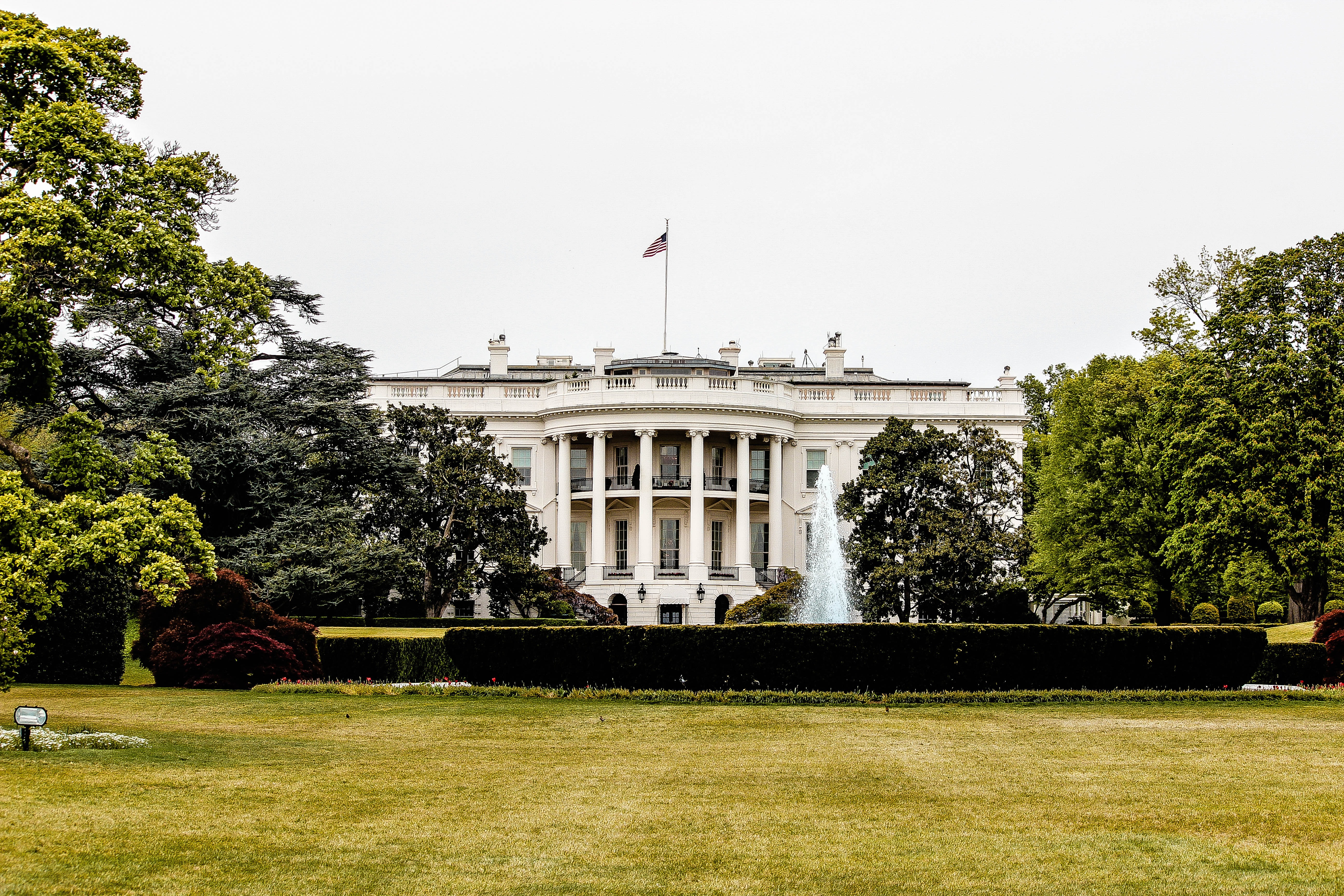
President Joe Biden’s administration is downplaying data due this week that could show the US economy contracted for a second straight quarter -- a development that would match one standard definition of a recession.
Will artificial general intelligence (AGI) transform the experience of being human, opening up possibilities of knowledge, achievement, and prosperity that we can now barely conceive? Or is AGI an existential threat to humanity, something to be feared and restrictively confined?
Those trying to get their tech stack to be the best that it can must recognize where their blind spots are and learn the lingo of consultants.
The so-called crypto winter hasn’t phased Moelis. Companies including Celsius Network have filed for bankruptcy, while several large investors are mulling acquisitions.
Given the stock market turmoil, a timely question is whether the U.S. Federal Reserve (the “Fed”) will act to stem the tide of losses as it has done during prior stock market declines. A bloated Fed balance sheet and historically high inflation suggest that this time the Fed will be unable to act to save the market.
Ultimately, bitcoin doesn’t need to fix the world’s problems, it just needs to survive. I for one am betting it does and becomes even more useful.
India’s tech industry is ruling out a US recession.
Home equity is a powerful risk management tool that many higher net-worth individuals and their advisors are starting to explore.
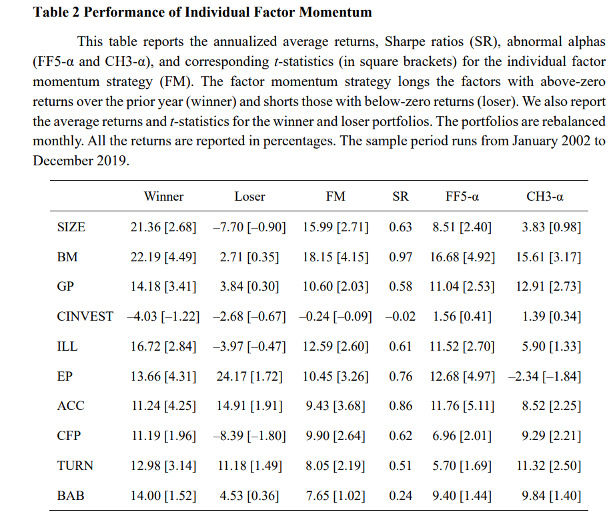
Among the many factors cited in academic research, only a handful have been sufficiently reliable for use in asset pricing models. One of those is momentum. New research shows that it works globally – even in China, a country whose markets have not historically exhibited momentum.
At a time when the US and China are divided on everything from economics to human rights, artificial intelligence is still a point of particular friction.
This week, two space startups announced an audacious plan to send a lander to Mars in late 2024. The technical hurdles are high. But even if the mission fails, it will create something important and lasting: a space race between private companies, not nation-states.
Like it or not, we live in a globalized economy.