The decision to annuitize at age 65 may be optimal in instances of extreme longevity (age 90-95+) or if there is a prolonged environment for stocks and bonds that is as bad or worse than any conditions experienced in the historical record.
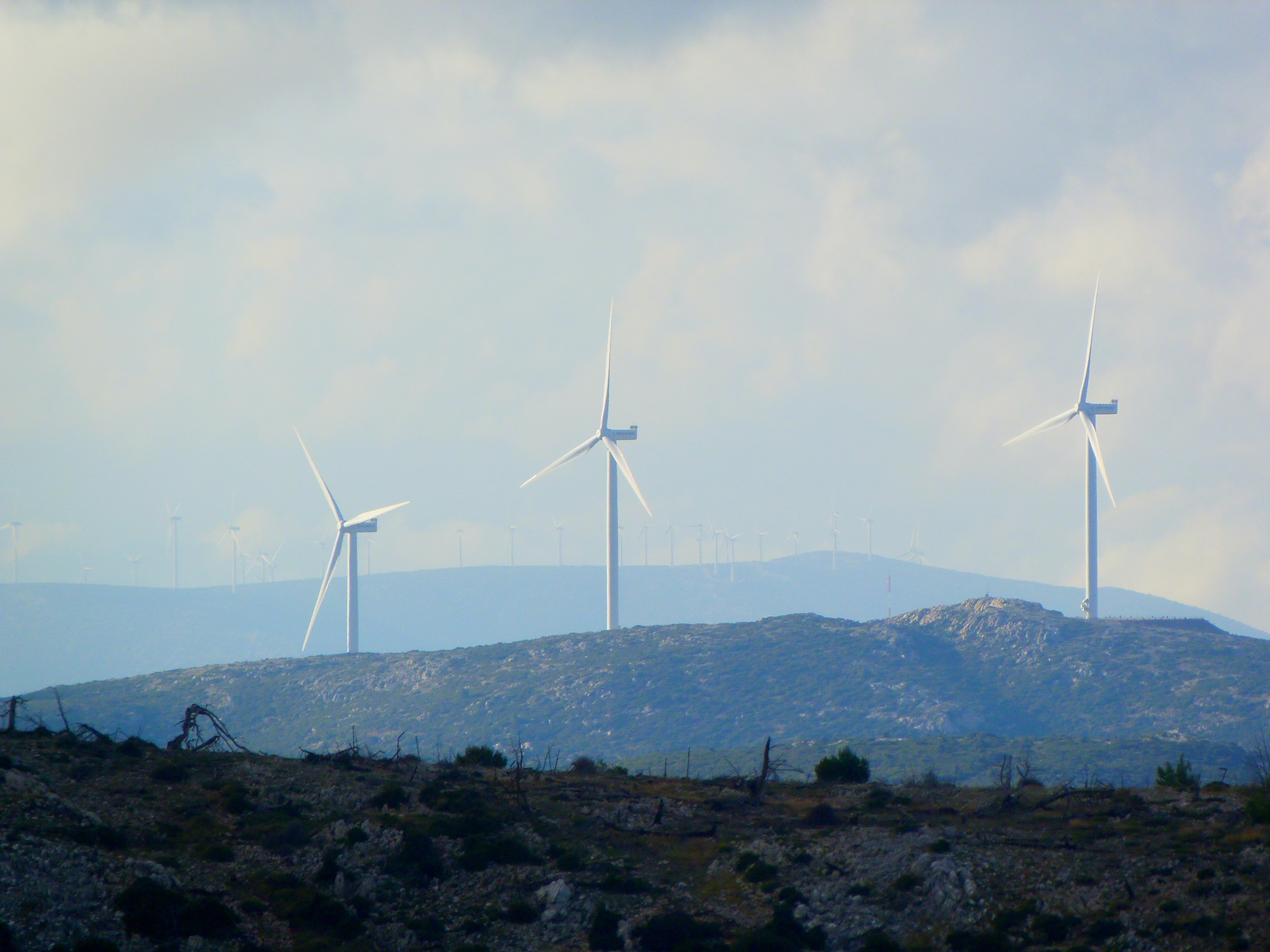
US power plants are poised to reap their best summertime profits in nearly two decades thanks to soaring electricity prices that are outpacing the high costs of natural gas and coal.
Why do so many people live in denial or avoidance, especially when it comes to money?
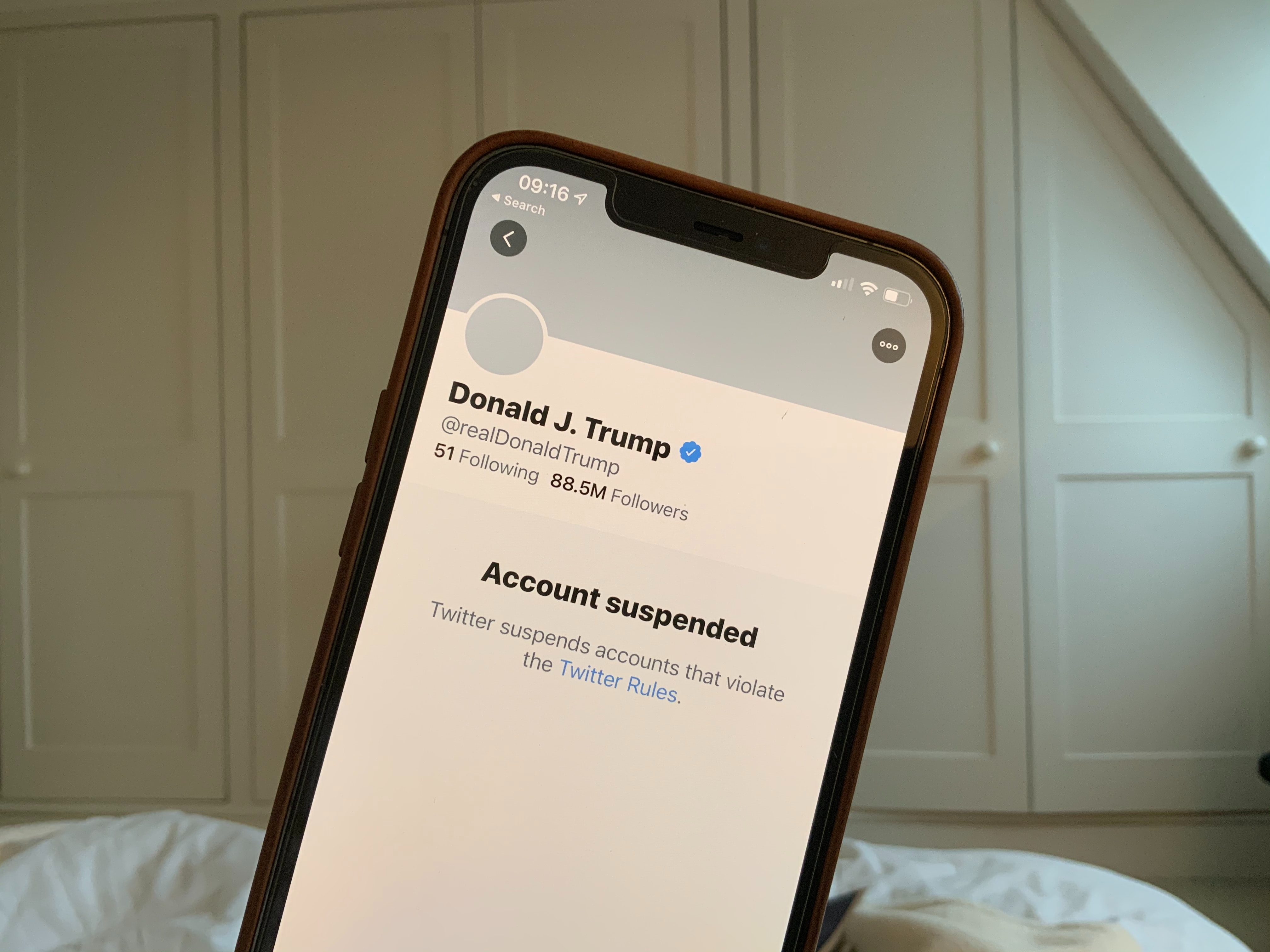
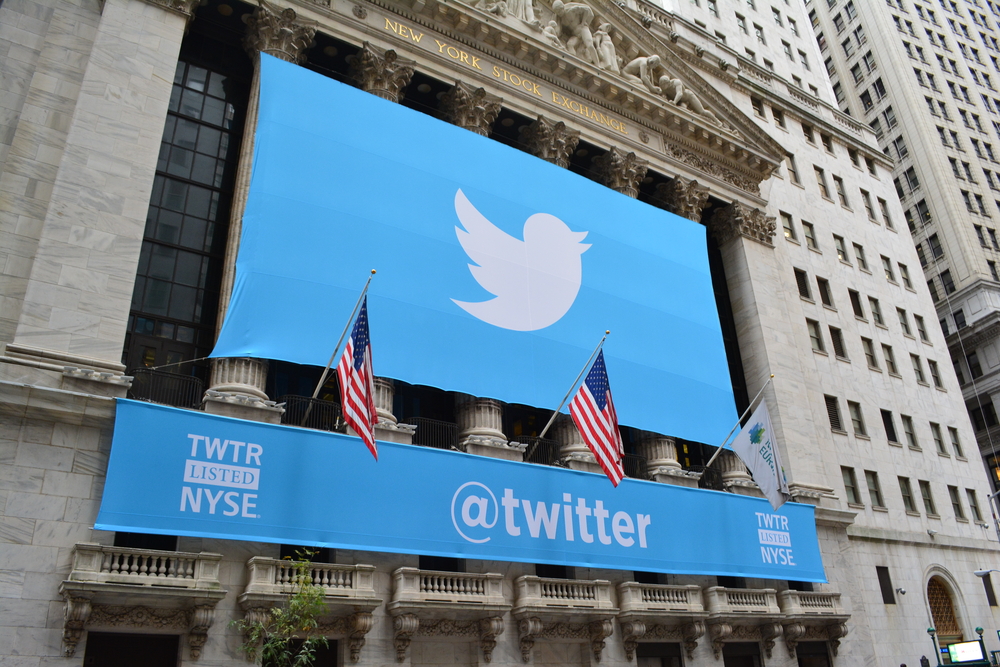
Investors piled back into stocks tied to former President Donald Trump after Elon Musk abandoned his planned purchase of Twitter Inc.
When you become an uncomparable financial advisor, you don’t have to compete with other advisors because you are unique. Here are the five components of uncomparability.
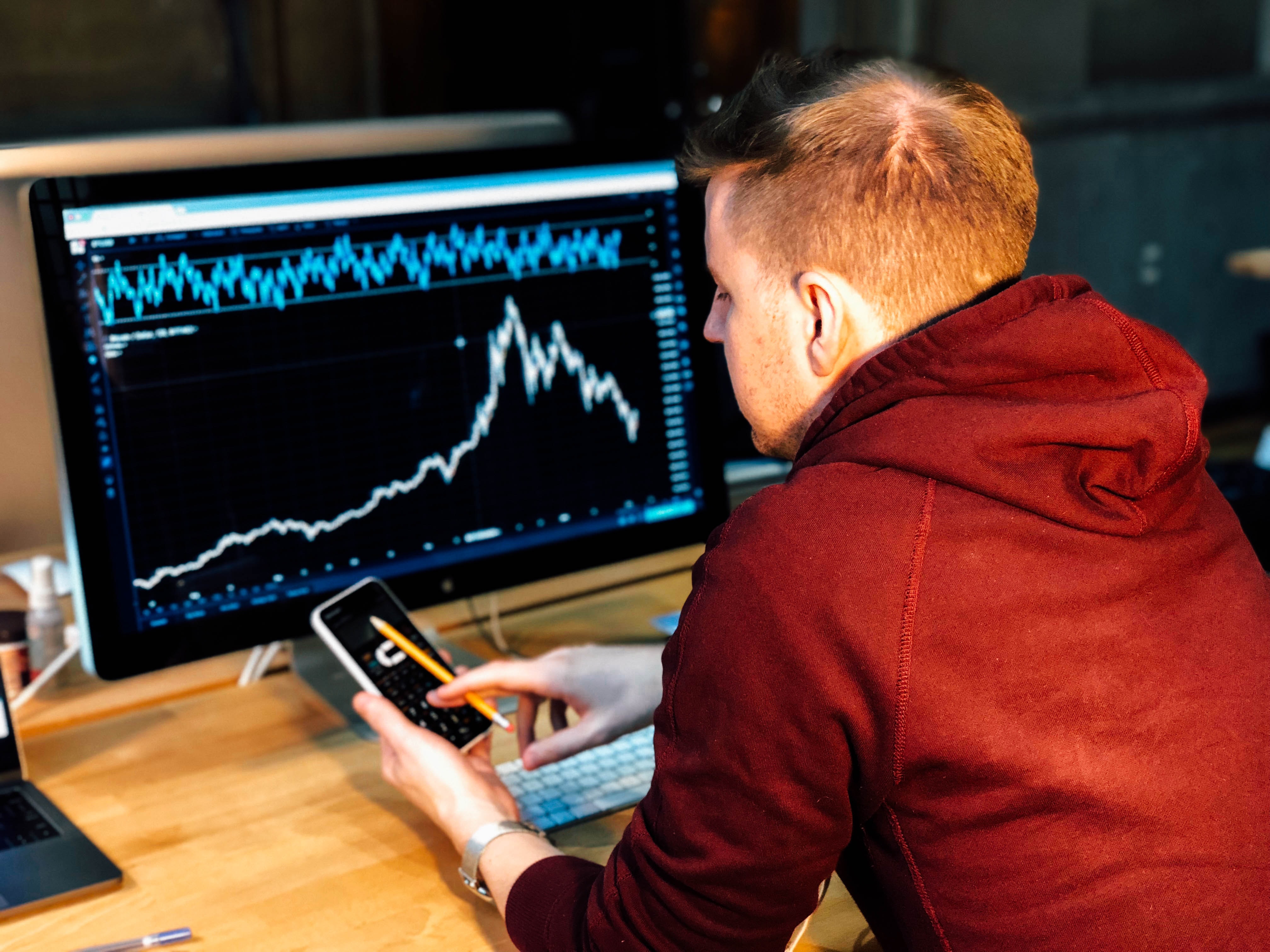
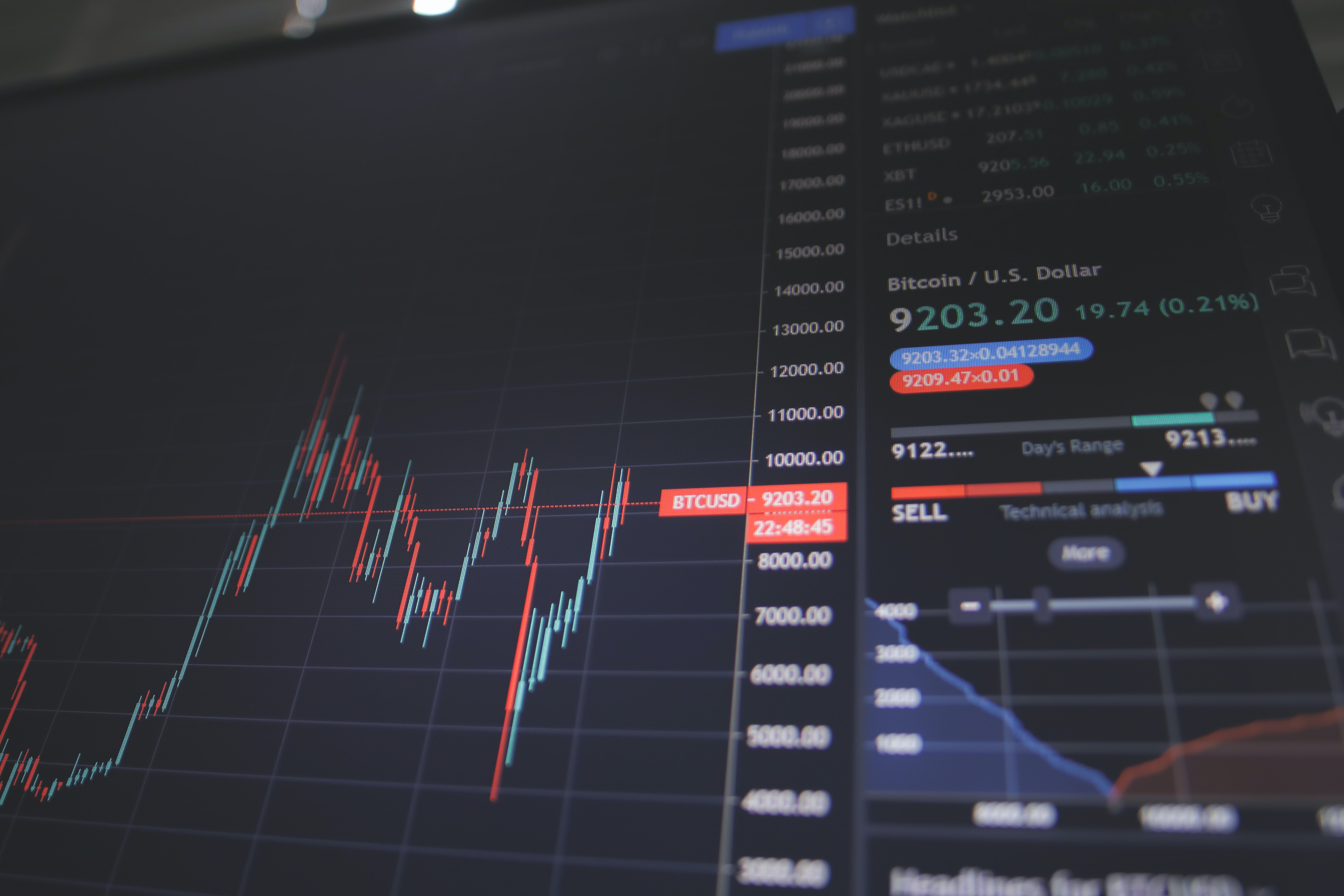
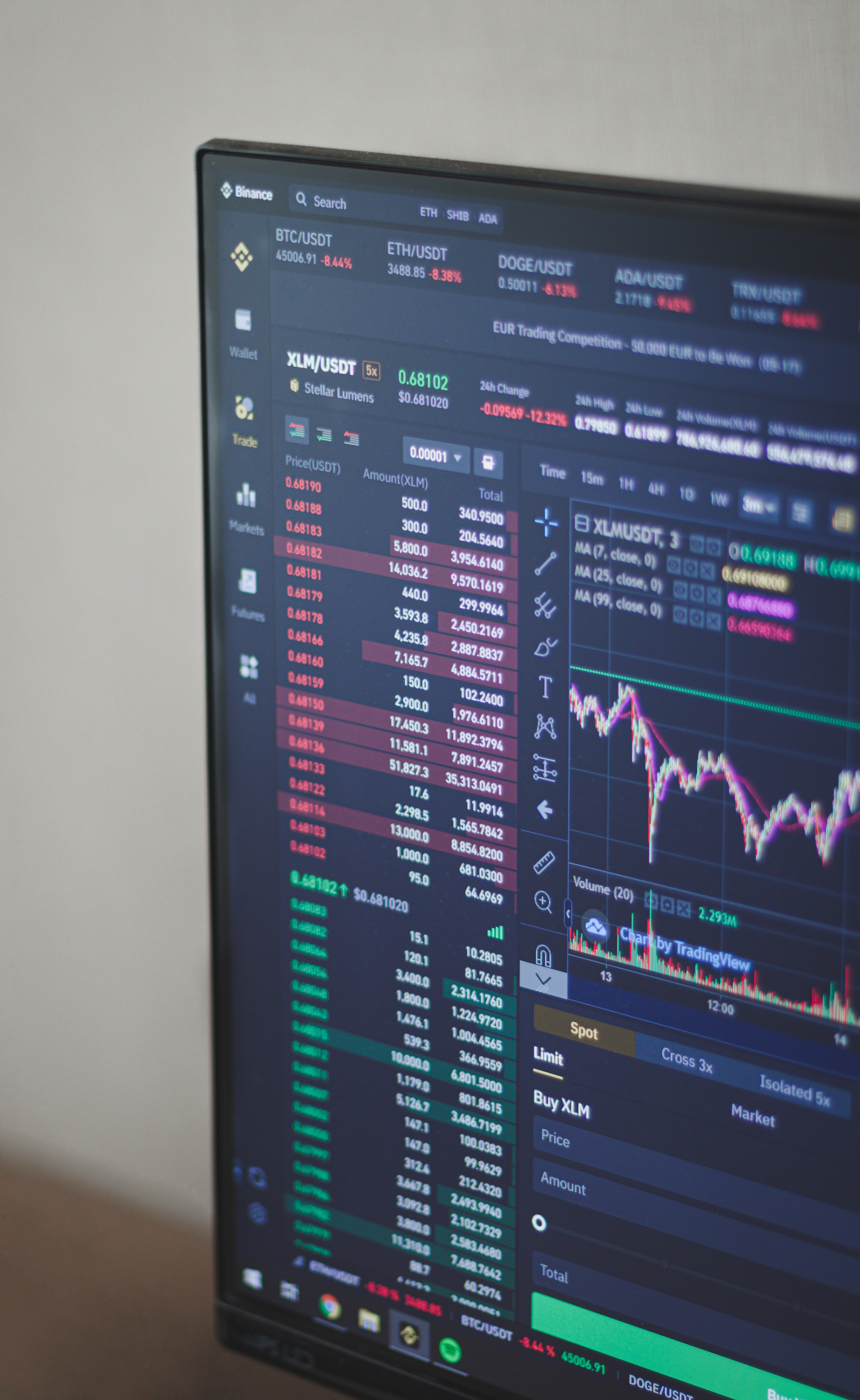
The price of bitcoin, along with other cryptocurrencies, has crashed. New legislation seeks to better inform consumers about the risks in digital assets and minimize the potential for losses by establishing a clearer regulatory framework.
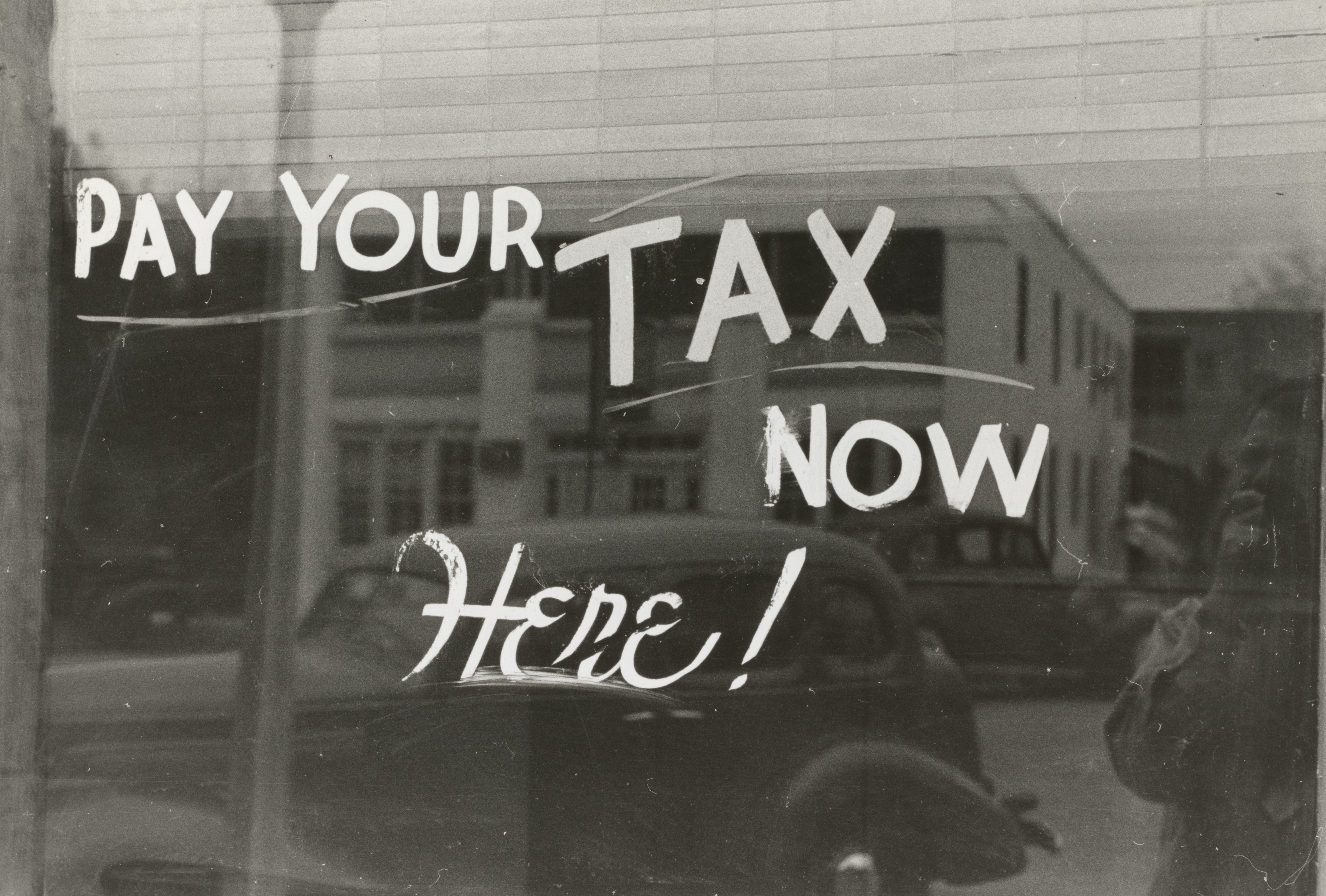
A global taxation deal heralded as a “revolution” for the profits of multinational tech firms has run into a thicket of technical difficulties that will delay implementation to 2024 at the earliest.
The company that built India’s digital payments backbone plans to make it cheaper and easier for the nation’s 32 million expatriates to bring their money home.
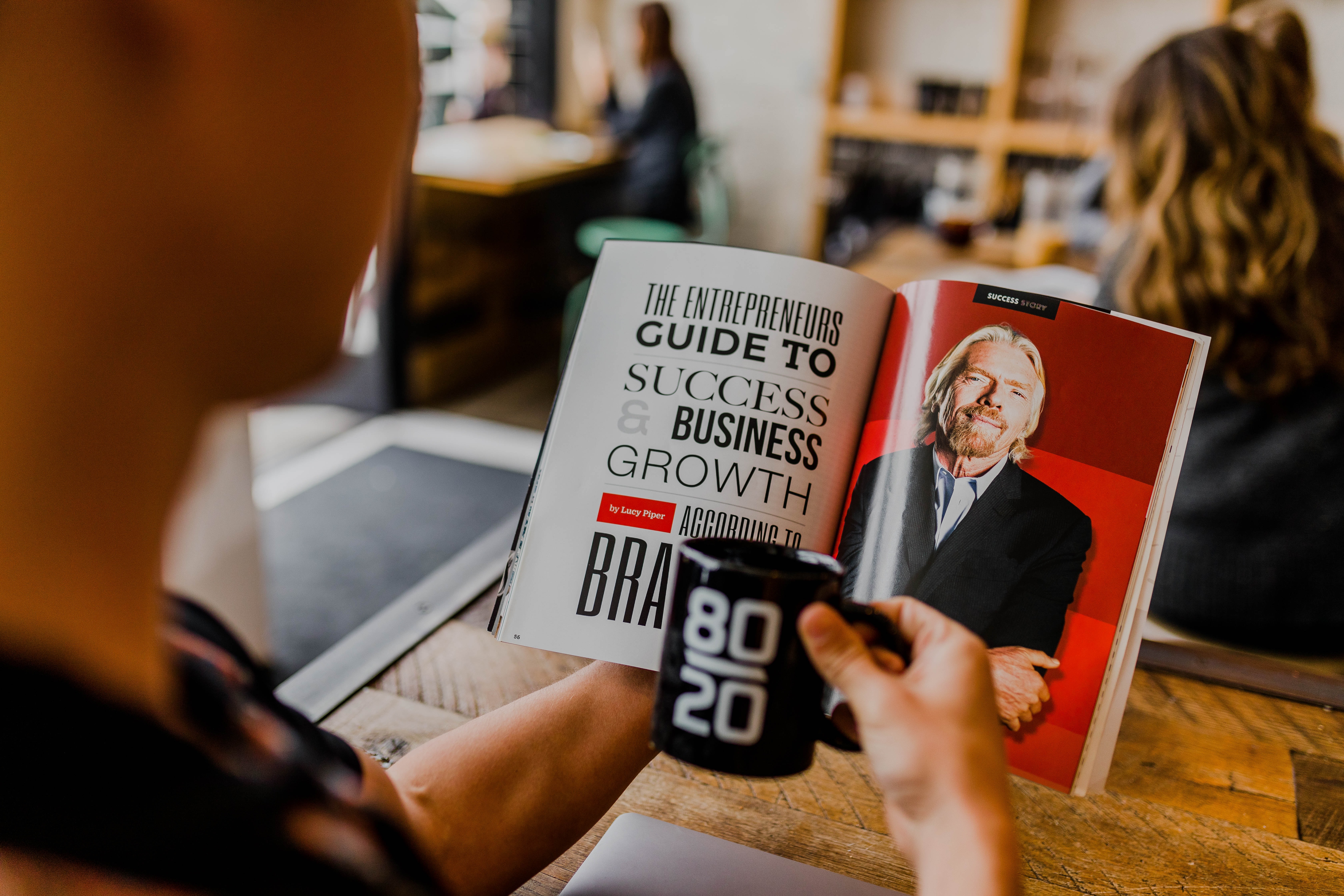
Richard Branson made a fortune selling records. But one of Wall Street’s hottest pandemic plays is driving the billionaire’s wealth now, even as his and many other blank-check firms are slumping.
Morgan Stanley picked two of its top bankers to lead the deal making group in a leadership shuffle atop one of the biggest banking franchises on Wall Street.
US corporate bonds are posting one of their worst selloffs since the financial crisis and could deteriorate further if recession predictions prove accurate.
Rather than using the traditional asset-class analysis, I have found employing a risk-factor approach particularly helpful in understanding the impact of economics and policy on markets this year.
New research shows that screening for “green” environmental, social and governance (ESG) criteria has led to positive risk-adjusted returns for corporate bonds. High demand among investors for those bonds contributed to the outperformance, raising the question of whether it will be sustained.
Buying individual bonds takes more work but is usually worth it in the long run.
What is the state-of-the-art for consolidating a tech stack and protecting client data?
Dave Calhoun was brought in as Boeing Co.’s chief executive officer to steer it through a crisis that unfurled after the crashes of two of its 737 Max jets.
Investors are losing one of their few places of refuge in this year’s stock market plunge, as the selloff in energy shares that started last month is leaving them with nowhere to hide.
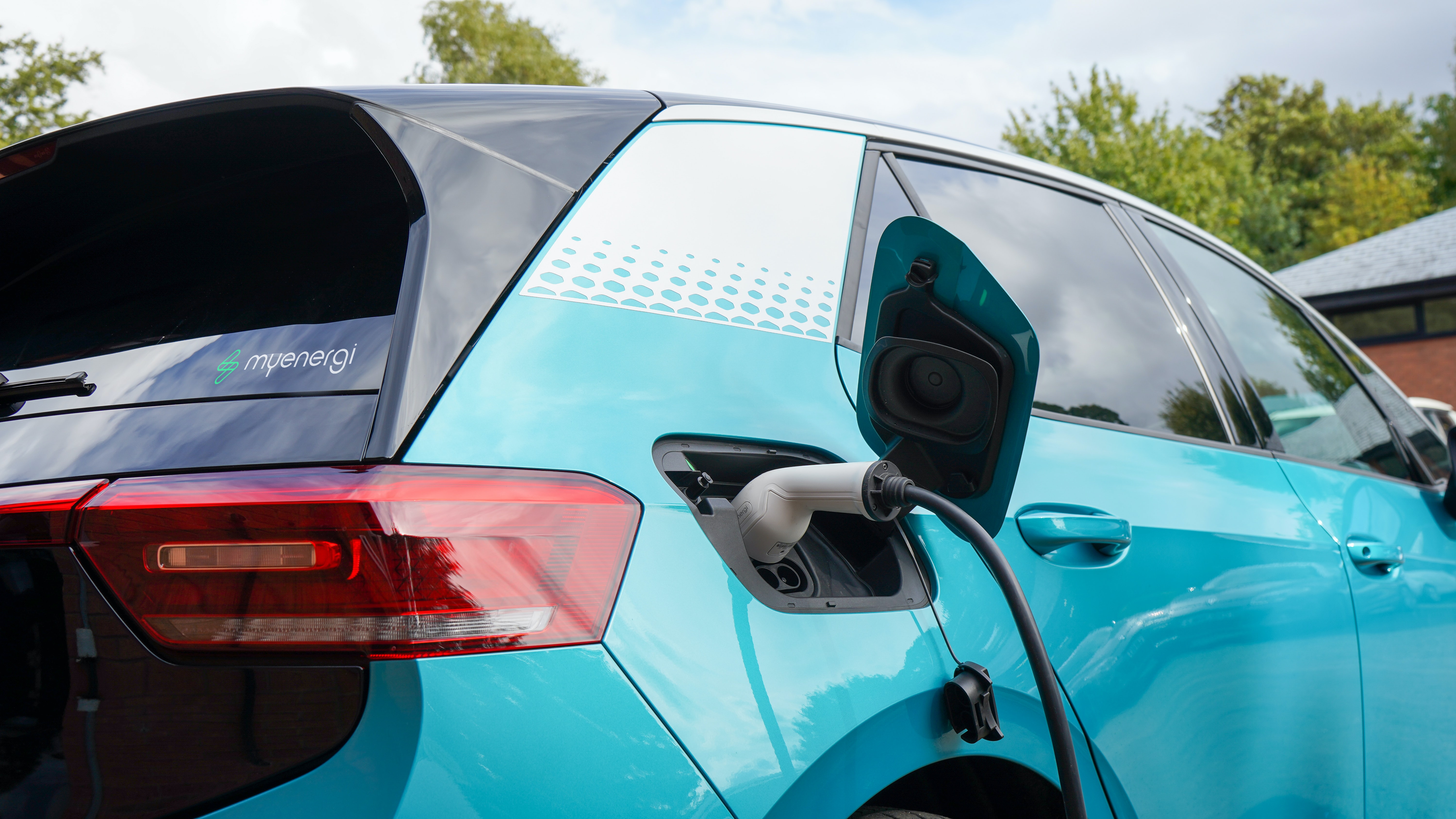
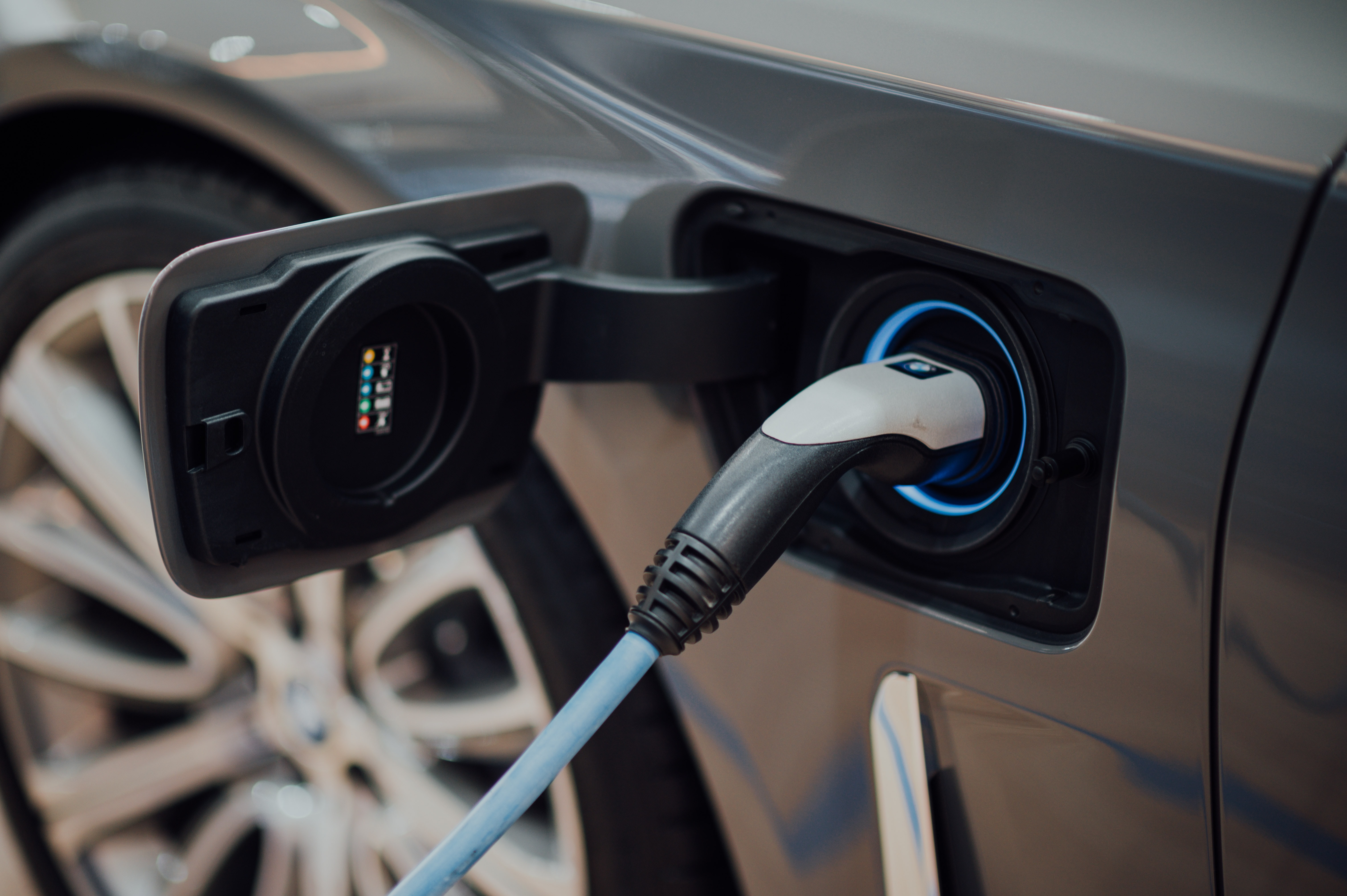
Automakers have announced a whopping $526 billion collective investment in electric vehicles through 2026.
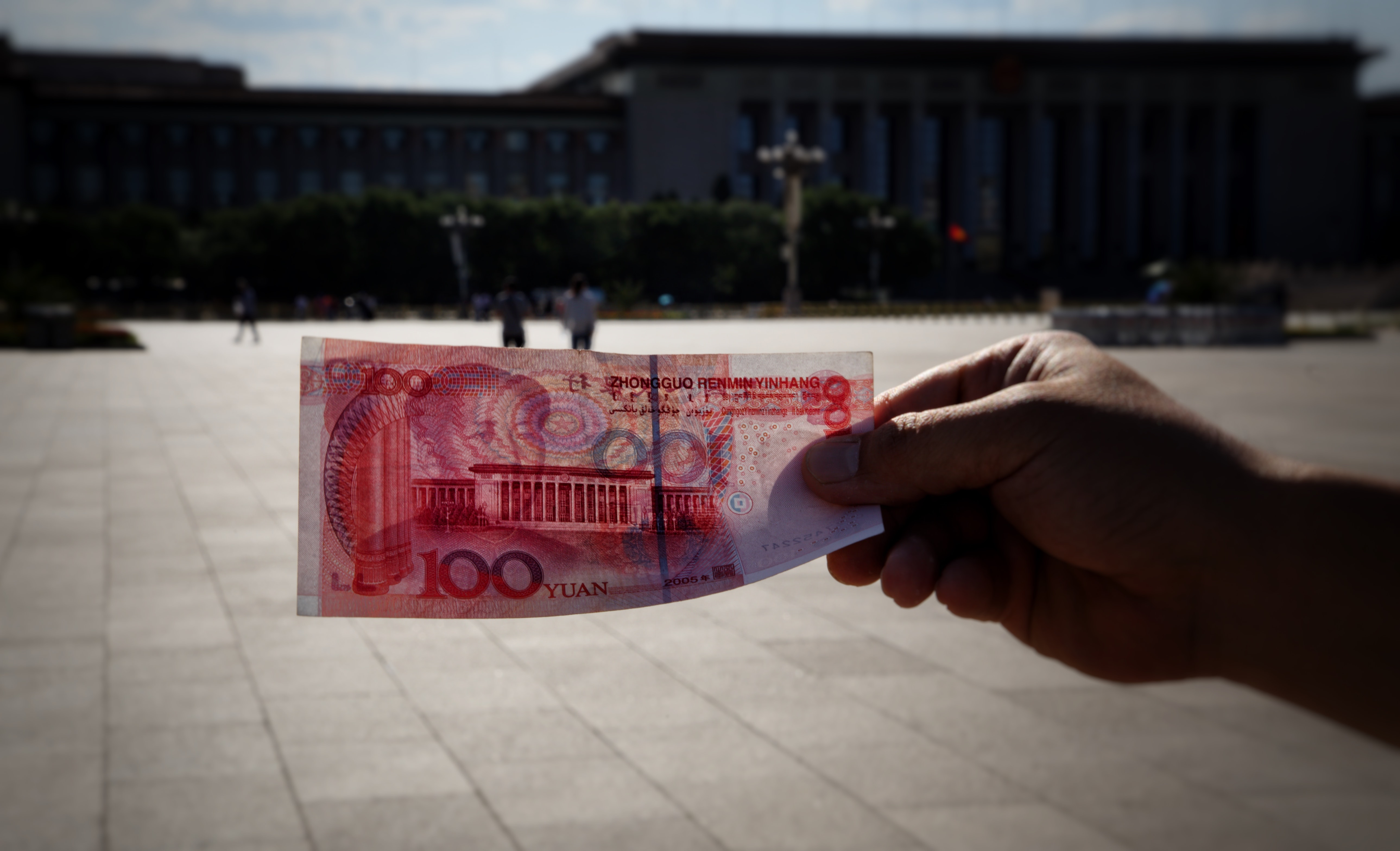
China’s Ministry of Finance is considering allowing local governments to sell 1.5 trillion yuan ($220 billion) of special bonds in the second half of this year
Elon Musk is trying to end an agreement to buy Twitter Inc. for $44 billion and take it private, alleging that the company misrepresented user data and setting the stage for an arduous court brawl.
After a record fundraising year, there are worries that private equity’s golden era is over.
Tesla Inc.’s shipments from its Shanghai car plant surged to a record last month, a dramatic recovery from lockdown measures that stunted output for weeks.
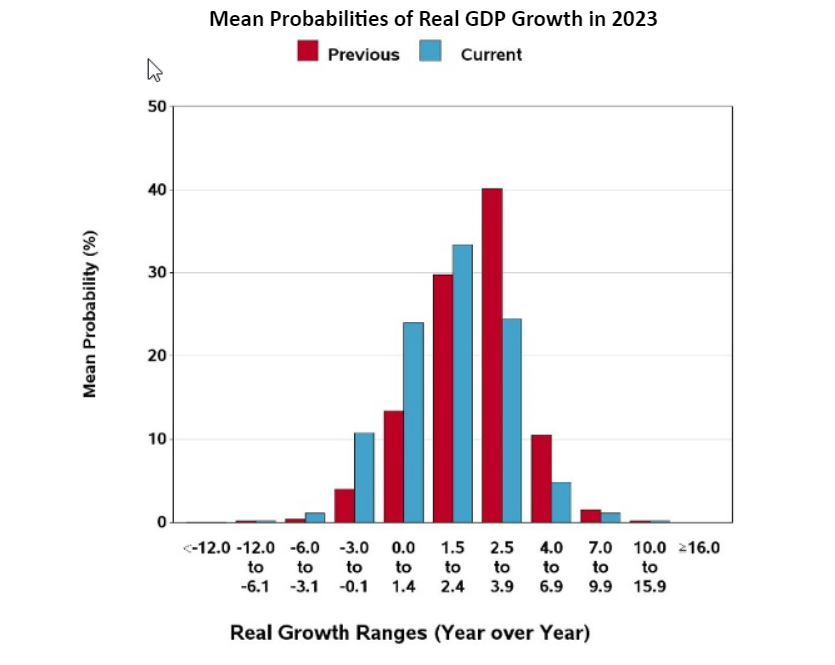
As the latest report showed, predictions of the economy’s imminent demise have been greatly exaggerated.
The California Public Employees’ Retirement System sold about $6 billion of its stakes in private equity funds to second-hand buyers, severing ties with a slew of past managers and freeing up cash for new wagers.
Markets are slumping. Crypto has cratered. Yet one corner of the financial world continues to offer investors strong, low-risk returns: Humble I bonds.
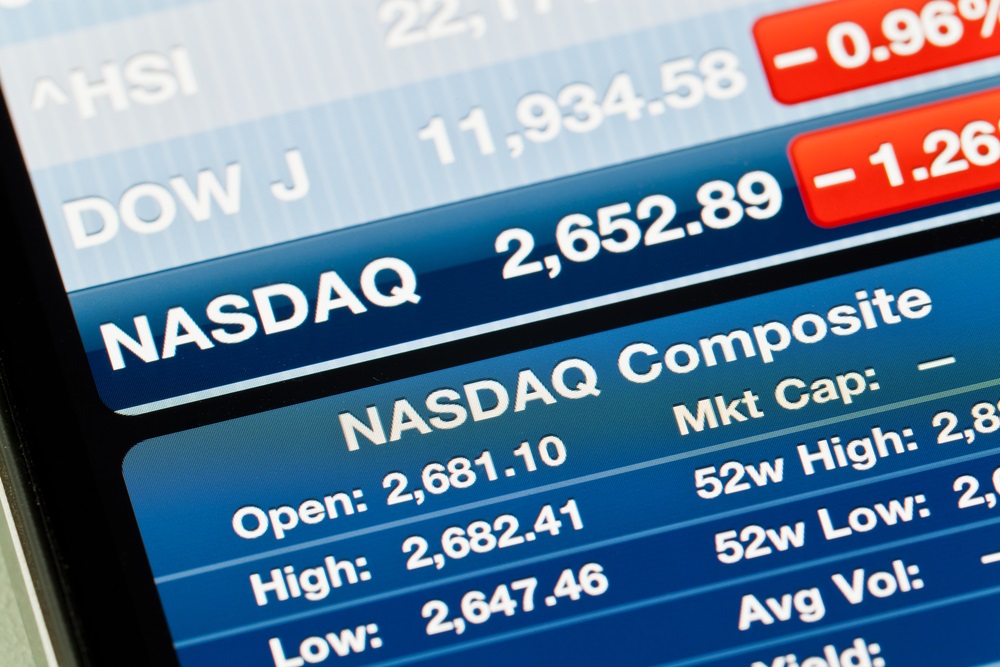
A rally in risk assets this week is sending traders to some of the most speculative corners of the technology sector, where gains in beleaguered stocks are more than double those of Nasdaq 100’s advance.
Homebuyers may eye the sudden dip in US mortgage rates as a welcome opening. But with sellers starting to cut prices, experts say the market cooldown is just beginning.
Oil is set for a weekly loss after choppy trading in which concerns over a demand-sapping slump clashed with signals of tight supply.
With each passing day, the brave new world of cryptocurrencies is looking more like the perilous old world of Wall Street circa 1929 or 2008.
The SPAC market is off to a brutal start to 2022, but a few bright spots with key similarities may point to a way out of the morass -- find solid businesses with room to grow.
Musk’s team has concluded that Twitter can’t verify its figures on the spam accounts and has “stopped engaging” in discussions around funding the deal.
The Supreme Court’s decisions on abortion and gun safety reinforced how ideology polarizes politics and prevents civil discussion and progress. Market ideology has also polarized discussion and harmed advice standards.
Markets were exceptionally volatile during the first half of 2022, foreboding poor capital market returns. Here is a quick review of nine areas of heightened risks.
BlackRock Inc.’s greenest exchanged-traded funds have seen a 30% increase in inflows as investors seek out the most credible ESG products amid a wider cooling toward the industry.
It’s getting complicated for investors in semiconductor stocks, with last year’s big chip shortage morphing into an inventory glut for some companies, and others getting caught up in geopolitics.
The labor market has come a long way over the past year.
Why did the bond market make its latest swerve? In the current febrile environment, data that are generally regarded as distinctly second-tier can have a big impact.
The end of Boris Johnson’s run as prime minister may ease the sense of political chaos, but it won’t fix any of issues depressing UK markets.
Meta Platforms Inc.’s upcoming high-end headset for virtual and augmented reality will be called the Meta Quest Pro.
Depending on risk and diversification, 401(k) plans have lost between 4% and 20% so far this year. Unlike most other periods when stocks lost money, bonds have not defended well this time.
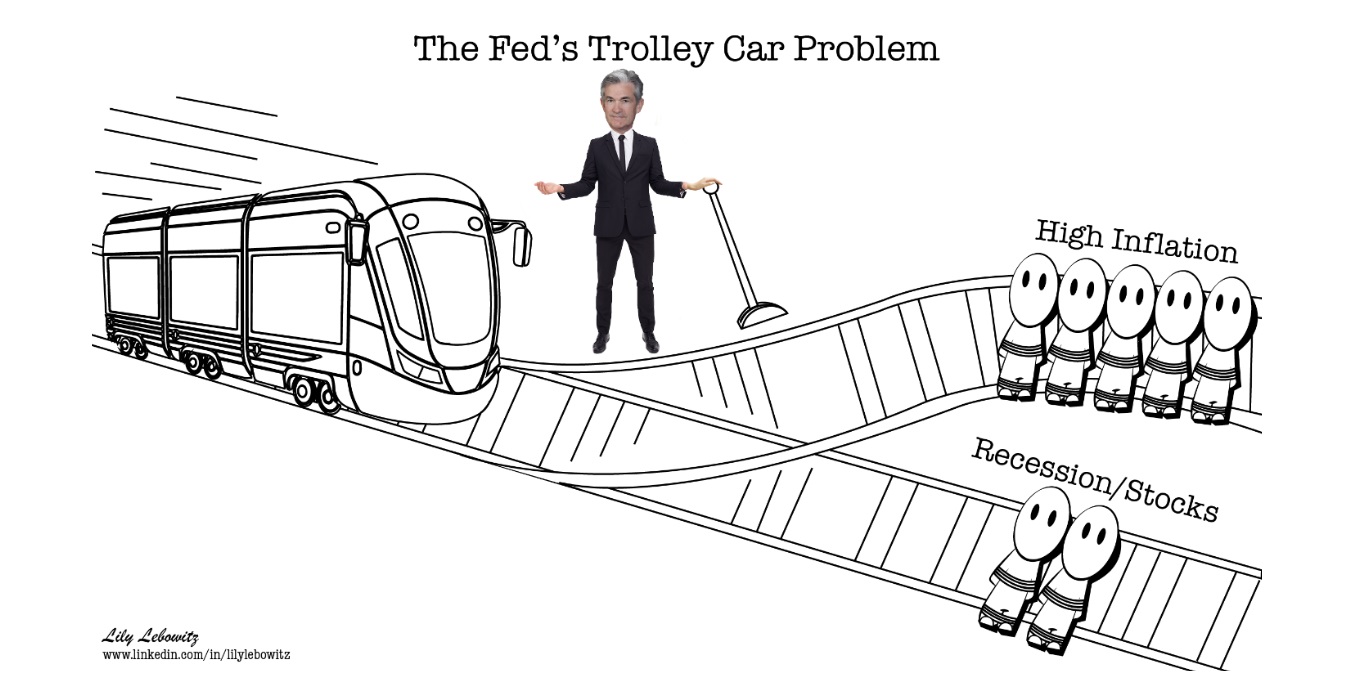
The trolley car problem is a well-known ethical question that forces one to choose between two poor consequences. For the Fed, it is whether to allow inflation to fester or to force the economy into a recession.
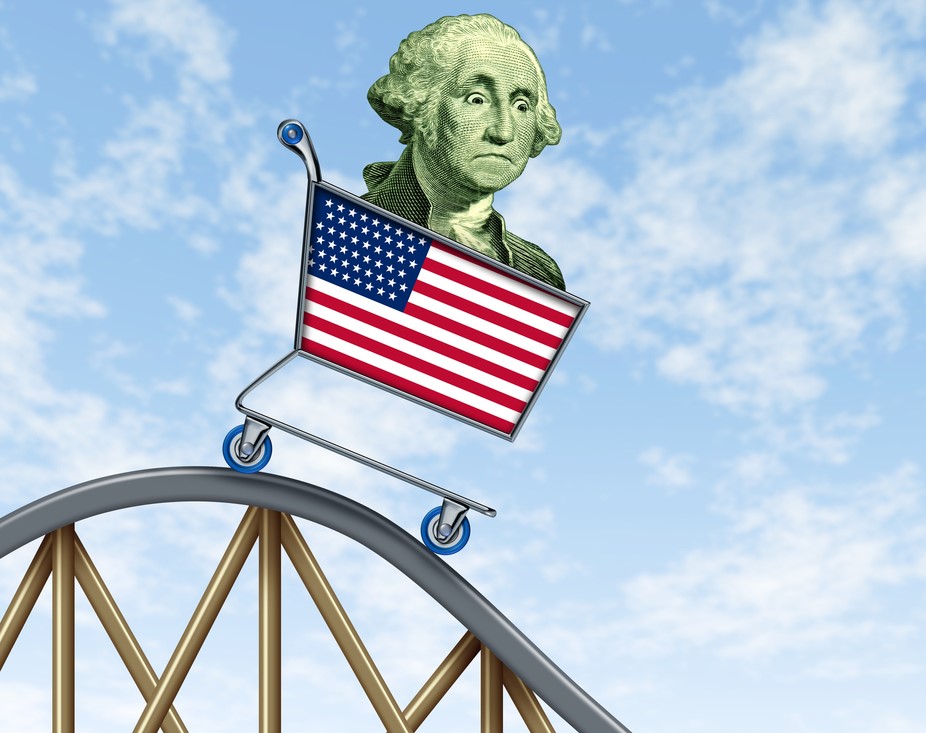
The recession calls are getting louder on Wall Street, but for many of the households and businesses who make up the world economy the downturn is already here.
US stock futures extended gains after markets closed Tuesday as investors appear to be embracing risk, at least for the start of the week, as markets resume trading in full force following America’s long Independence Day holiday weekend.
In an effort to make sense of this mad market — to catalogue in close-to-real-time every one of the EVs on offer at the moment — we’ve produced a rating of electric cars.
Washington’s latest move to restrain Beijing from fostering its chipmaking industry is powering China’s semiconductor stocks as the US restrictions could fire up support for homegrown technology.
Week after week of on-the-fly calculations about the intensity of inflation and the likelihood of a recession are preventing markets from finding equilibrium.
Copper plunged below $7,500 a ton as fears of a global economic slowdown piled pressure on industrial metals and deepened their retreat from record highs just months ago.
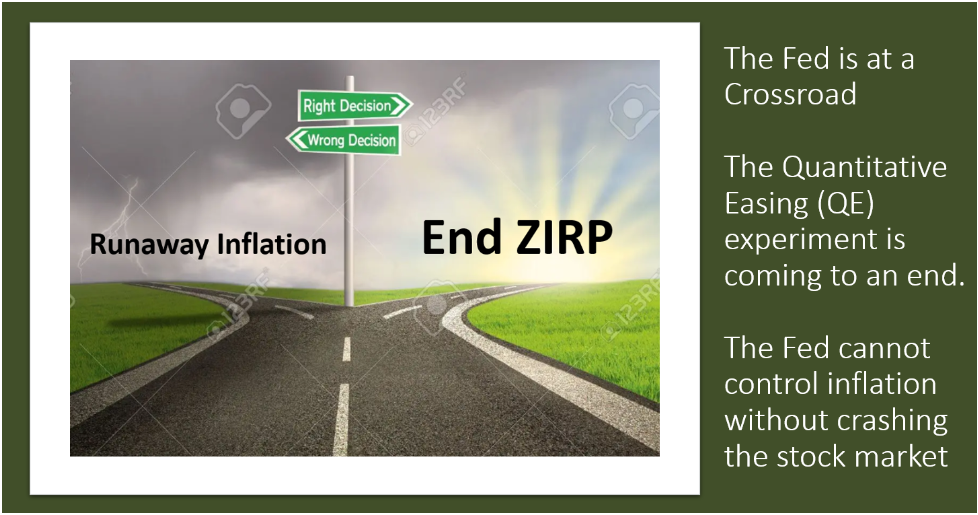
Federal Reserve Chair Jerome Powell sounds as committed as ever to crushing the worst inflation in 40 years. But the economy is shifting under him.
In what has become one of the worst years on record for the stock market, with the S&P 500 Index down 20%, the Solactive Roundhill Meme Index is down much more, tumbling in excess of 50%.
When was the last time that you practiced a client meeting? Full blown dress rehearsal: You’re in a suit, sitting down in your conference room, going through the handouts, anticipating the questions, knowing how you are going to respond.