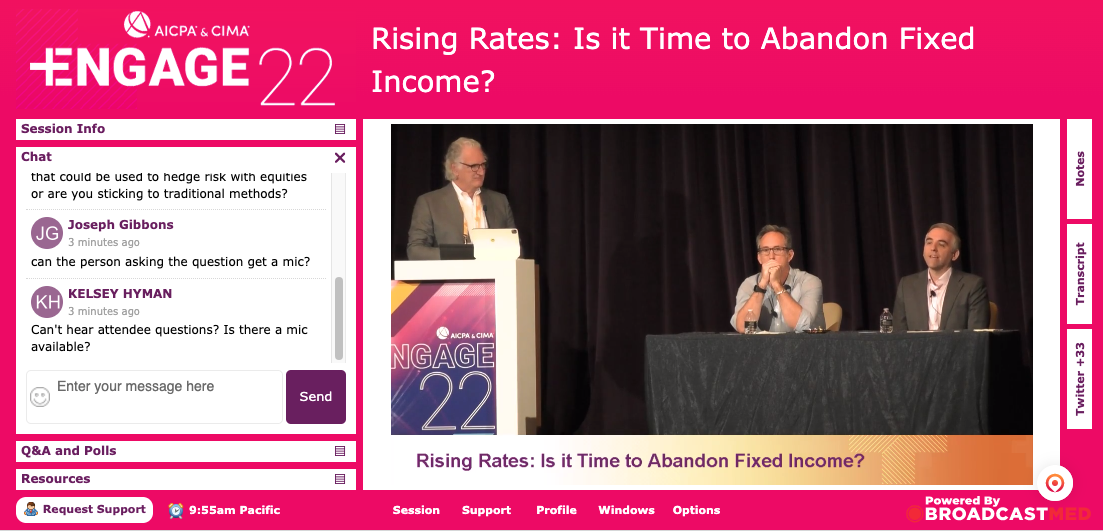
On June 7, Bob was in Las Vegas at the AICPA Engage conference, where he moderated a panel discussion.
What are growth-oriented firms doing and how are they thinking differently about technology?
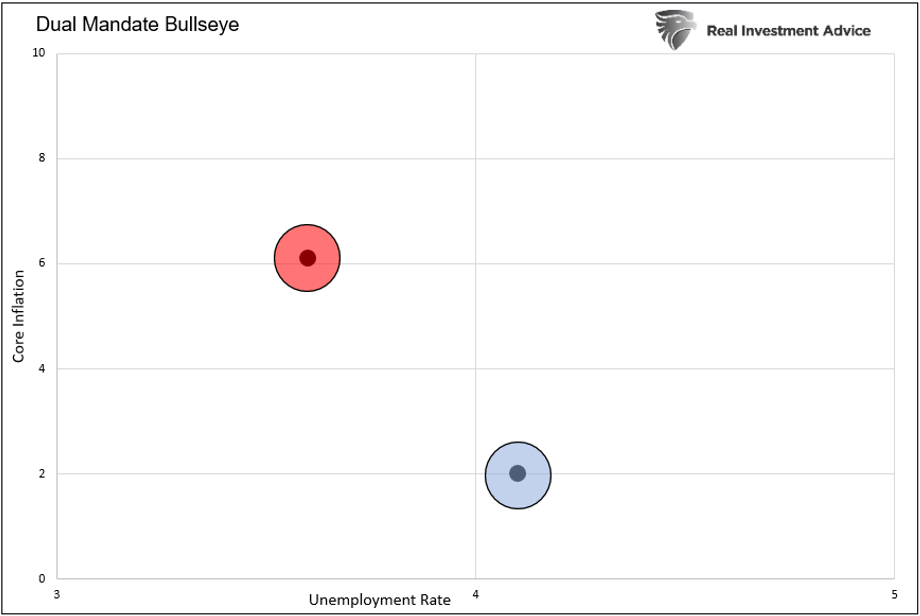
Recent experience shows that a third mandate – preventing financial instability – trumps the Fed’s two congressional mandates of full employment and low inflation.
A vague tweet by a founder of Three Arrows Capital, an influential hedge fund that has been liquidating crypto holdings as prices plummeted, is stirring fresh apprehension in an already shaken industry.
Here are a few important ideas for my readers on making cold pitches and trying to gain traction in the market with those you don’t know and who don’t know you.
US retail sales fell in May for the first time in five months, restrained by a plunge in auto purchases and other big-ticket items, suggesting moderating demand for goods amid decades-high inflation.
Here are the major takeaways from my two decades research into how advisors can more effectively work with prospects and clients.
Here’s how financial marketers can repurpose virtual meetings and video content.
Federal Reserve Chair Jerome Powell, who’s carefully telegraphed interest rate hikes over four years, looks likely to abandon gradualism and move more forcefully to stamp out inflation along with growing concerns that it will persist.
The world’s biggest technology stocks are crumbling on Monday as broad markets enter into bear market territory amid fears the Federal Reserve will send the US economy into recession.
MicroStrategy Inc., ARK Innovation exchange-traded fund, Tesla Inc. and Twitter Inc. are what I’m watching to identify the ultimate capitulation point of this cycle.
For as long as the market allows, brokers, lenders, and investors are cashing in on the real estate boom in America’s prime vacation spots.
Gold fell after high producer prices exceeded market expectations, reinforcing concerns of the Federal Reserve’s aggressive policy stance to combat stubbornly high inflation.
I can smell the beach, sunscreen and hot dogs.
I have identified a few opportunities within my portfolio and wealth management practice that prompt consideration for your own strategies as you plan for large estates.
Mistakes are easy to make but are easier to avoid if you know what a “bad” succession plan looks like.
Several avenues for diversifying cryptocurrency portfolios exist. Investors should weigh the costs and benefits of each of the following three methods.
I would be very concerned if my financial planner didn’t have their own planner. Research shows that financial planning results in increased emotional and financial wellbeing, even for clients who are planners themselves. Use our Premium membership to add your logo to this article and send it to your clients and prospects.
With the Federal Open Markets Committee due to meet Wednesday, there was no way policy makers could guide the market on how last week’s awful inflation data for May had changed their plans.
There’s a fight brewing in the lithium market, after a controversial forecast from Goldman Sachs Group Inc. analysts set off a backlash among some of the industry’s most prominent experts.
Traders unnerved by a selloff that hit stocks and bonds alike are looking for refuge, increasing the appeal of investments offering reliable returns such as shares that pay steady dividends.
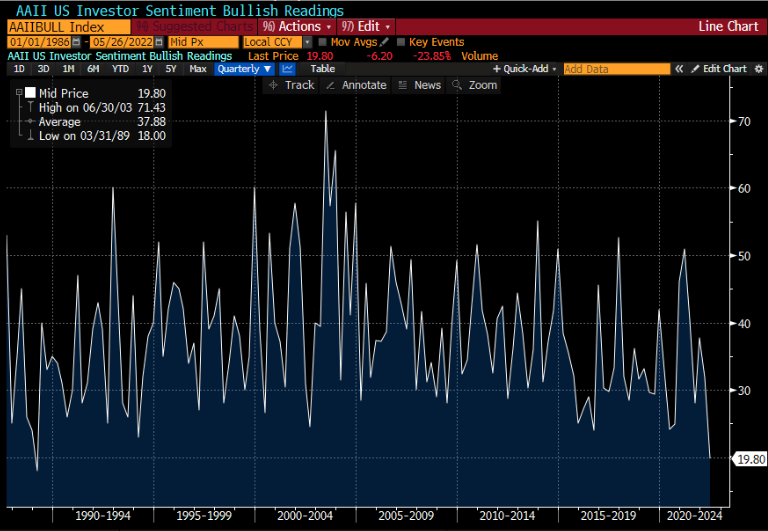
Wall Street is afraid to buy the dip this time around. Even amid this latest leg of the stock market selloff, equities still aren’t fully reflecting the risks facing corporate earnings...
New research shows that positive returns to ESG portfolios from 2018-2020 were attributed to increased demand for “green“ stocks, raising the question of whether that outperformance will be sustained.
Investors are a fickle bunch. They love owning stocks when the market goes up. It feels great! So great, in fact, that pesky details like nosebleed valuations or a lack of profitability are easily overlooked. But the romance never lasts.
Oil extended losses for a third session as the prospect of further monetary tightening to combat surging US inflation sent global markets spiraling lower.
It's been a tough job market for much of the past 20 years, making a grim landscape for workers and contributing to a world of haves and have-nots. Now the have-nots are finally getting their shot.
The hottest US inflation in four decades will push the Federal Reserve to raise interest rates more aggressively this year, and a recession may not be far behind.
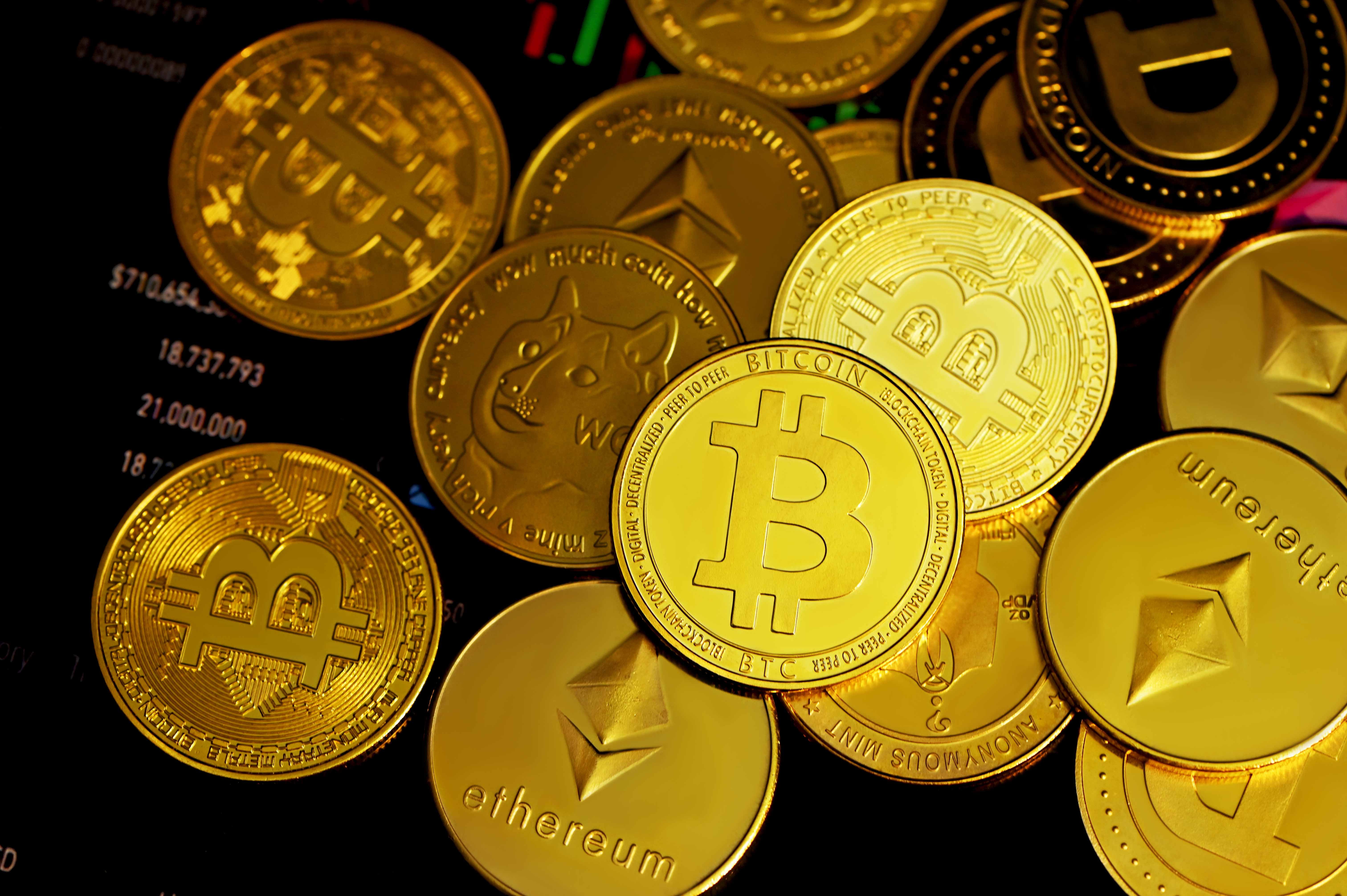
Bitcoin plunged to the lowest in about 18 months after the freezing of withdrawals by the Celsius lending platform added to concern that systemic risk in the crypto ecosystem will accelerate the digital-asset market meltdown.
According to a recent survey, a majority of Republicans and a plurality of Democrats believe the US is in a recession. The question is how seriously to take their complaints.
Hedge funds eager to prove that short-selling is a legitimate ESG strategy just got some fresh material to back their case.
Madonna was right. That iPhone on which you may be reading this article is far less important to society than the materials – like steel and plastic – that were used to build it.
US consumer sentiment plunged in early June to the lowest on record as soaring inflation continued to batter household finances.
US consumer prices surged to a 40-year high, defying expectations that gains would start to moderate after the Federal Reserve began tightening.
May’s red-hot inflation hardened expectations the Federal Reserve will keep raising interest rates in half-point steps through September, with talk of an even larger move creeping into the conversation.
Luxury-home sales in the US are sinking as inflation, economic uncertainty and the stock-market slump push wealthy buyers to the sidelines.
Google, Facebook and Microsoft Corp. — three of the world’s biggest corporate buyers of clean power — are sounding the alarm that a nearly $4 billion, Warren Buffett-backed renewable-energy project proposed in Iowa isn’t necessarily in the best interest of customers, including them.
The global trade in the cheapest foods is grinding to a halt.
Those who are familiar with my articles know that I see market crashes in stocks and bonds occurring in this decade, combined with serious inflation. Readers ask how I recommend protecting. This is it.
I have been doing this long enough to know that the economy is a complex, self-adjusting mechanism, and thus the grim picture I have painted in this and previous articles may not play out.
US inflation accelerated to a fresh 40-year high in May, a sign that price pressures are becoming entrenched in the economy.
In terms of a return on investment, it’s hard to imagine a worse outcome than the deal that American taxpayers got from Corinthian Colleges Inc., the for-profit college that closed and filed for bankruptcy in 2015.
Sedans are a rarity and electrics even more so. That’s even as pump prices are surging.
Economists like to strip food and energy out of their inflation calculations. They’re too volatile to be meaningful, they say. But for everyday Americans coping with exploding prices, those items are pretty much all they care about right now.
Treasury Secretary Janet Yellen rejected the idea that corporate greed is causing the US inflation surge, differing with fellow Democrats who have accused big businesses of price gouging.
Stanley Druckenmiller has a warning for Wall Street: The sharp decline in the stock market isn’t over just yet.
I bought an apartment last year and if I were buying today, I wouldn't be able to afford it.
Cathie Wood says the massive inventories now held by US companies suggest that inflation will die down.
It started with bonds. Now even collateralized debt obligations (CDOs) come in green.
Wall Street is pounding the table on the next big thing in technology, predicting the metaverse could be a $13 trillion industry by the end of the decade.
Rarely have market prognosticators disagreed by such a broad margin on the path forward for inflation and the Federal Reserve’s efforts to fight it.