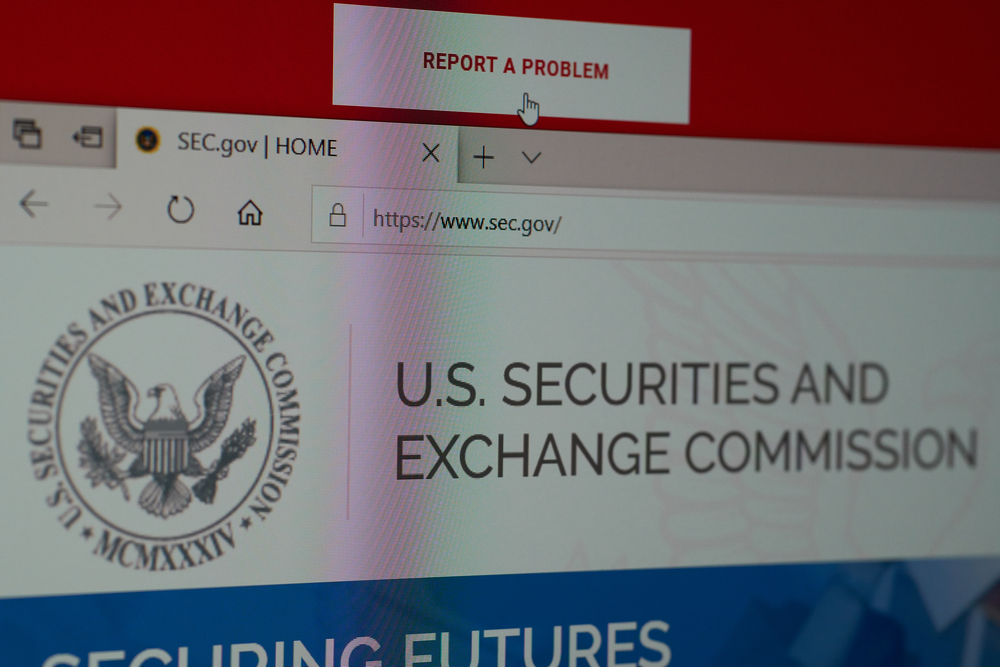
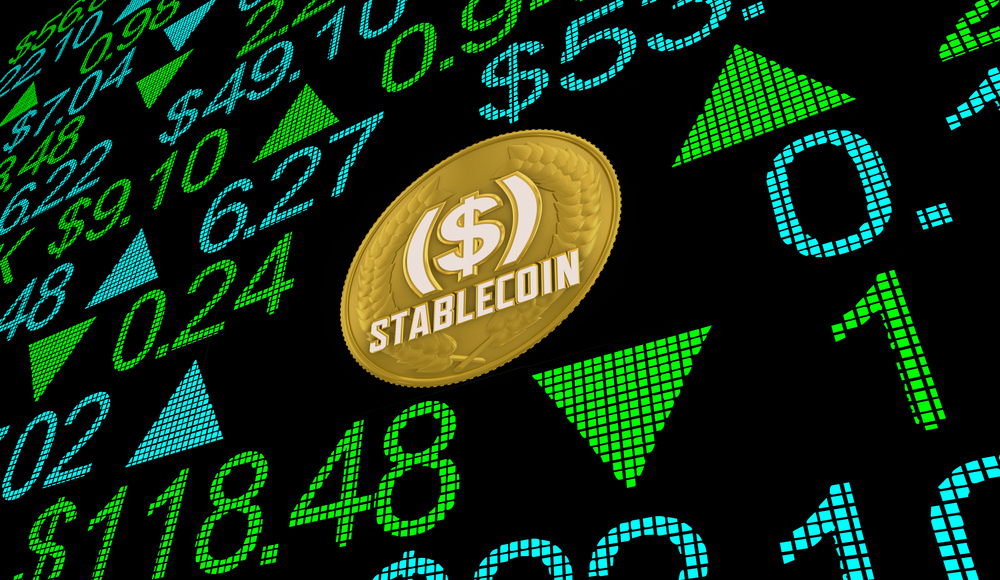
The US Securities and Exchange Commission is investigating whether the marketing of the TerraUSD stablecoin before it crashed last month violated federal investor-protection regulations, according to a person familiar with the matter.
Mohamed El-Erian, who almost a year ago accurately forecast that elevated US inflation would be persistent, says it hasn’t peaked.
Elon Musk formally and forcefully revived his assertion that Twitter Inc. has a serious bot problem, and threatened to walk away from his deal to buy the company if the social network doesn’t do more to prove its users are real people.
Even as the US real estate market shows signs of cooling, inflation and higher interest rates are making it difficult for young house hunters to buy properties — at least on their own.
As corporate leaders increase their grim pronouncements about the future, there are still market economists who see stocks heading higher in the second half of this year and who say the US could sidestep a recession.
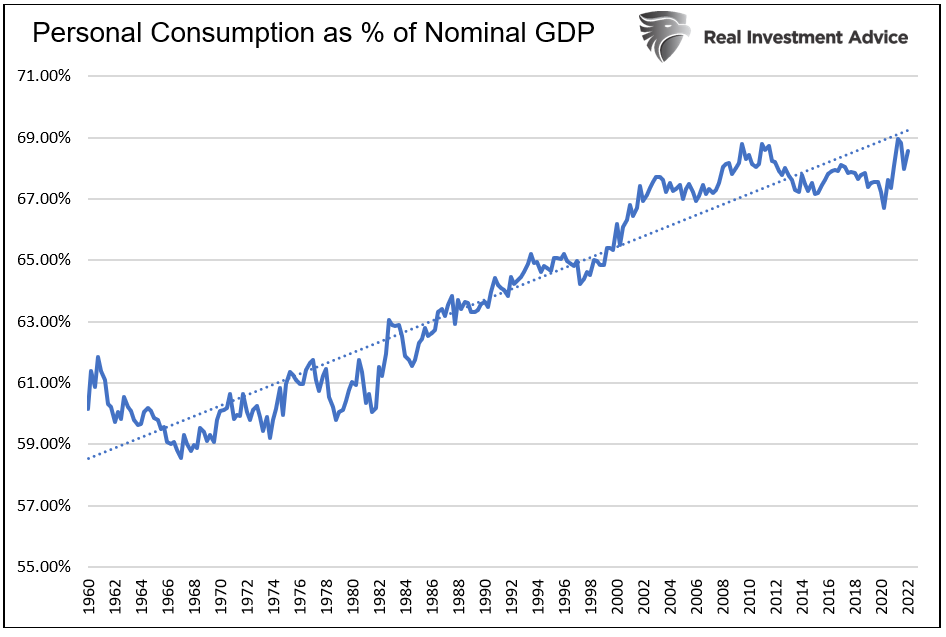
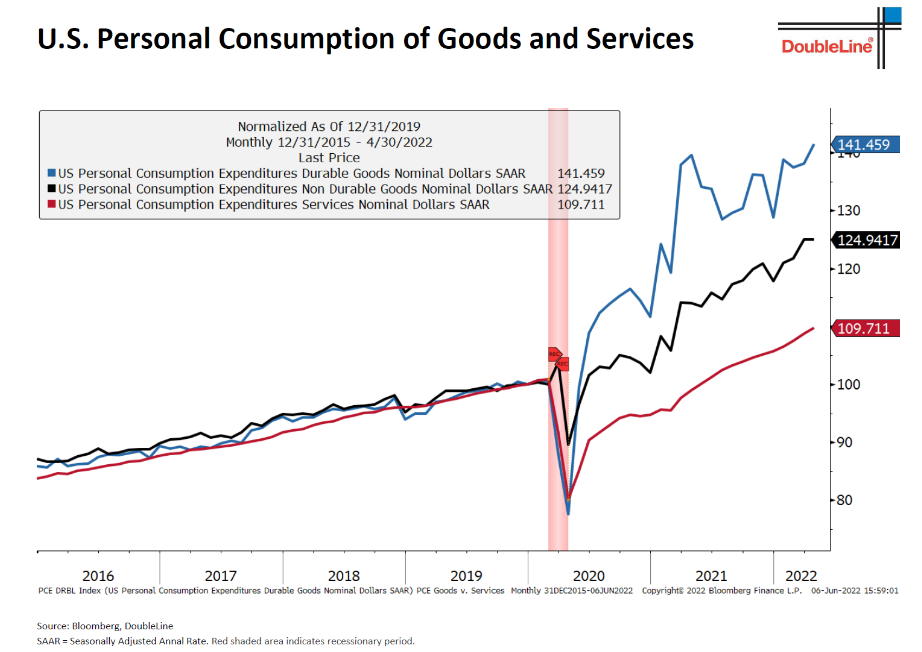
Consumer confidence has tanked, with the University of Michigan’s widely followed sentiment index at its lowest since 2011. This is incongruous with the fact that the labor market is very hot.
A wild year on Wall Street has traders fretting one of two extreme scenarios will engulf the $23 trillion Treasury market ahead: Either a fresh bond selloff thanks to red-hot inflation -- or a sustained rally on mounting recession risk that sends yields back toward historic lows.
The US stock market is experiencing the worst start to a year in five decades.
The year 2022 sure has felt like a pretty bad one so far: interest rates and consumer prices have spiked up, and stock prices are sharply down. But, in terms of what really matters, many investors are better off than they were at the end of 2021–almost 5% better off for an investor in a diversified balanced portfolio.
Will the plight of consumers drag GDP lower in the second quarter, resulting in a recession?
My staff told me that we have “become totally focused on AUM and fees. It isn’t a nice place to work anymore.”
The advisors who figure out how to work with Generation Z will take your wealthy Baby Boomer clients away. Stop rolling your eyes and listen to why.
I’m often asked for my view of training programs generally and those that teach advisors how to structure questions so they lead to a particular result.
The price of oil, as measured by the benchmark WTI index, could hit $150 this summer, according to Jeffrey Gundlach. That price may not be sustained, he said, “but the path of least resistance for oil prices is up.”
If you’re itching for a dream vacation this summer after two years of travel restrictions, then you might end up paying more to rent a car than you spend on a plane ticket.
A gauge of supply-chain pressure in the U.S. economy fell to the lowest level since December 2020, as activity such as trucking cools from elevated levels with few signs yet of a worrying collapse.
Gold may be heading for another rally, with warnings over a global economic slowdown paving the way for a fresh push toward $2,000 an ounce.
Most everyone knows that Bitcoin had a stellar two years when the pandemic broke out. But just about all of the coin’s gains since then have happened while US markets are closed.
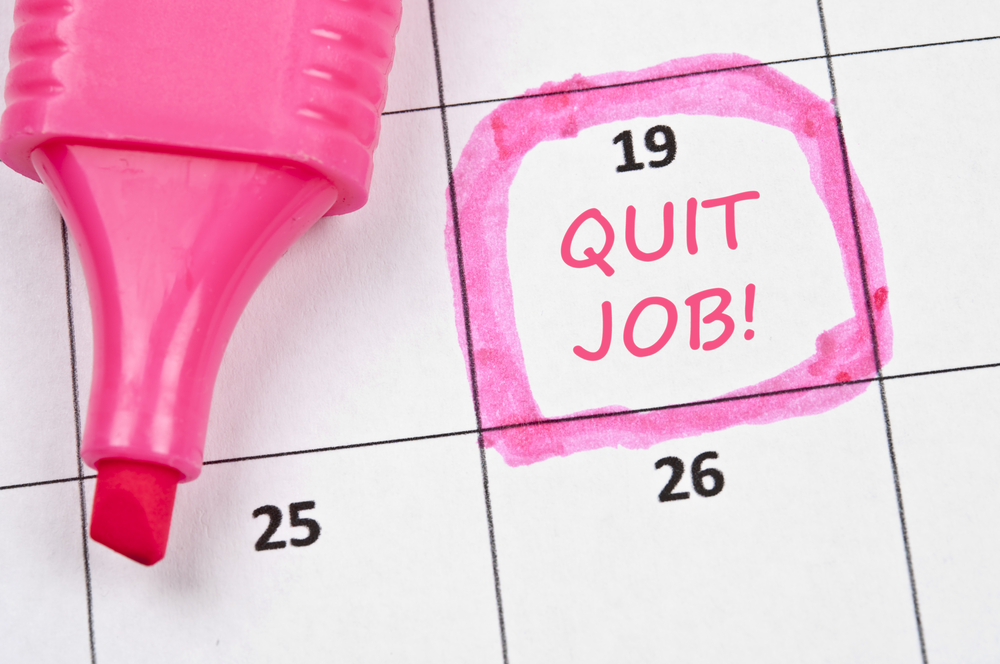
US workers can’t quit quitting.
Using this five-question framework will go a long way to help you be effective as you work with foreign-born families in the U.S.
To the brokerage firms that require their branch managers have their own production, did you really think you’d be the first in nearly 500 years to find a way to have your cake and eat it too?
How much does it take to feel flush in the US these days? Not even $250,000 a year will get you there, according to a recent survey by Pymnts.com and LendingClub Corp.
Countless examples of incorrect tax information, ranging from capital gains rates to Medicare premiums to gifting limits and especially the math on Roth conversions can be found prominently displayed across the internet, including on some of the most reputable websites.
I’ve supported many clients through times of loss and transition such as divorces, deaths of parents or spouses, business failures, and natural disasters. Following are some of the things I’ve learned.
While the danger of a downturn has risen as growth has slowed, most economists argue a contraction is unlikely in the immediate future, given the continued strength of the jobs market and the more than $2 trillion in excess cash on household balance sheets.
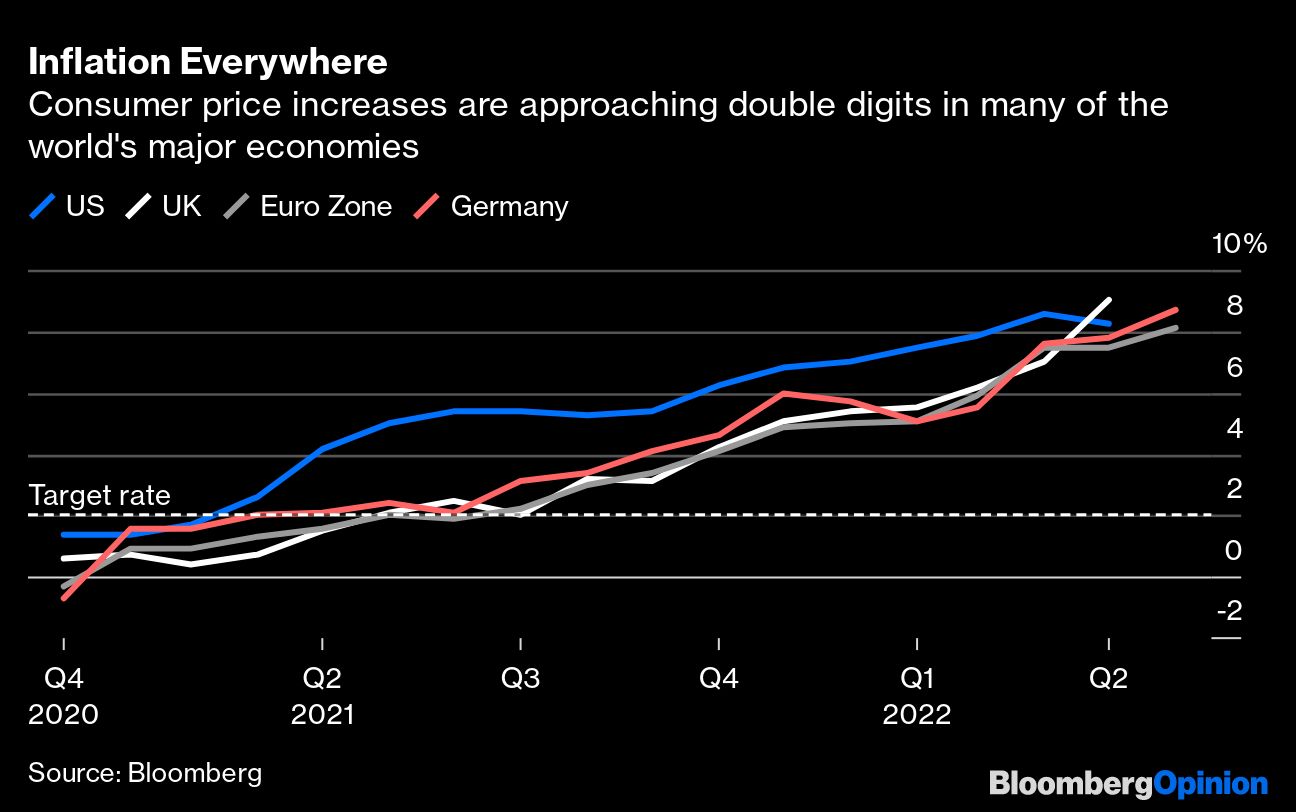
The Federal Reserve, the European Central Bank and the Bank of England all preside over inflation rates that have surged to quadruple their 2% targets. One of their brethren is highly skeptical of their chances of success in calming price increases.
The ESG investment industry may be headed for a reckoning and many companies won’t survive this period of higher interest rates.
Welcome to the endless cycle of debate over whether or not Russian President Vladimir Putin’s war of choice will be the much-needed push to jumpstart climate policy around the world. It splits neatly between so-called activists focused on the “should” or “ought” versus the often self-styled realists espousing “careful,” “balanced” views.
Something still feels off in this economy. It’s booming in many respects, with a strong labor market, healthy corporate and household balance sheets, and a lot of consumption. But some, like JPMorgan Chase & Co. CEO Jamie Dimon, are worried we’re seeing the calm before the storm.
Reasons to worry about a recession are piling up: the Federal Reserve's inflation fight, a slowing housing market, warnings from retailers and venture capitalists and a smattering of layoff announcements.
New research quantifies the implicit cost that investors incur when index funds, such as those tracking the S&P 500, are rebalanced. Those costs may be avoidable by adopting trading strategies that introduce the possibility of tracking error.
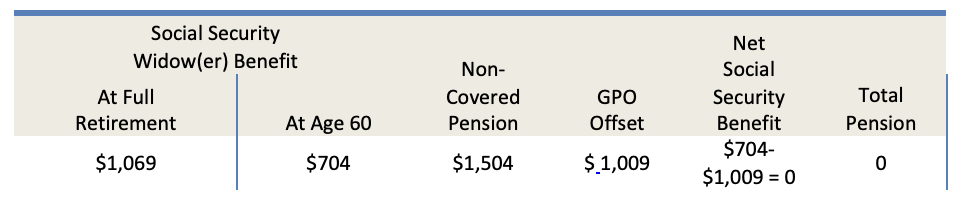
The Social Security benefit formula is short-changing a select group of retirees, and the losses are apt to exceed $25,000 over a lifetime. There is no effort to fix the flaw, so the concern is on-going.
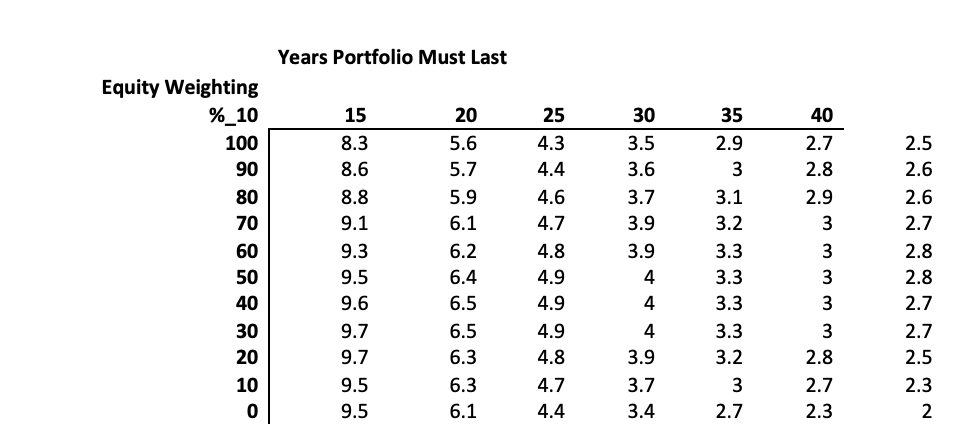
I’m going to review the research on safe-spending rates and then critique common methods of risk mitigation. I’ll offer the practical methods to reduce sequence-of-return risk that I suggest to my clients.
Homeowners should take a total-balance-sheet view when evaluating options for their mortgage.
When a patient is told they have six months to live unless they get a safe, recommended treatment, they don’t tell their doctor, “Let me think about it.”
Is long-term strategic investing out the window? To earn returns in today’s market, you need a team that will rethink your investment philosophy and strategy.
To kick off the start of summer, Bob and his wife, Sally, invited some neighbors to share a paella.
What do you tell clients who suddenly find themselves receiving a large financial windfall?
Bitcoin rebounded after slumping along with stocks on Thursday, meeting resistance at the $30,000 level around which it’s been trading for the past month.
Some supply strains in the US are easing, two years after a jump in demand started emptying shelves, snarling shipping and sowing the seeds of soaring inflation.
One of the most difficult challenges in finance is how to price crypto assets. Bonds pay interest. Stocks pay dividends. What exactly do crypto assets pay?
It will cost more than the gross domestic product of the entire world to rewire the global economy to run on clean energy.
The likely moderation of US job growth in coming months will reflect a combination of hiring challenges in a remarkably tight labor market, shifts in spending patterns and outright soft spots within a handful of industries.
High schoolers and their parents are increasingly questioning whether a traditional four-year college education is the right financial decision, with rising costs often resulting in crippling student-loan debt.
The world is struggling with simultaneous energy and climate crises. To solve the first could require undoing all the progress made toward greener power and cleaner air. But it doesn’t have to be that way.
The Federal Reserve looks like it’s finally getting what it really needs in its fight to tame inflation: a cooling in the red-hot labor market.
Thanks to the spectacular demise of TerraUSD, a cryptocurrency that promised to be always worth a dollar but was suddenly worth a lot less, the world is better acquainted with the term “stablecoin” — and aware of how unstable they can be.
Last week’s rising stock prices suggested that many investors are still wishing the Federal Reserve will step in to counter downward pressures on the market. Hopes for this “Fed put,” however, may be confusing the Fed’s willingness to act with its ability to do so.
Elon Musk’s demand that Tesla Inc. staff stop “phoning it in” and get back to the office has thrust the world’s richest person into the noisy debate over the future of work, and shows again that some CEOs remain tone-deaf to employees’ growing demands for flexibility.
US economic growth looks to have downshifted in recent weeks in the face of headwinds that include rising interest rates and inflation, the Federal Reserve said.