Unfortunately, most people still don’t start thinking about their retirement until they are in their forties. Better late than never, but I believe there is a massive missed opportunity here.
If our ancestors survived two million years of predators, famines, and ice ages, we can survive a bear market. We just can’t let the fear talk us into something stupid while it's happening.
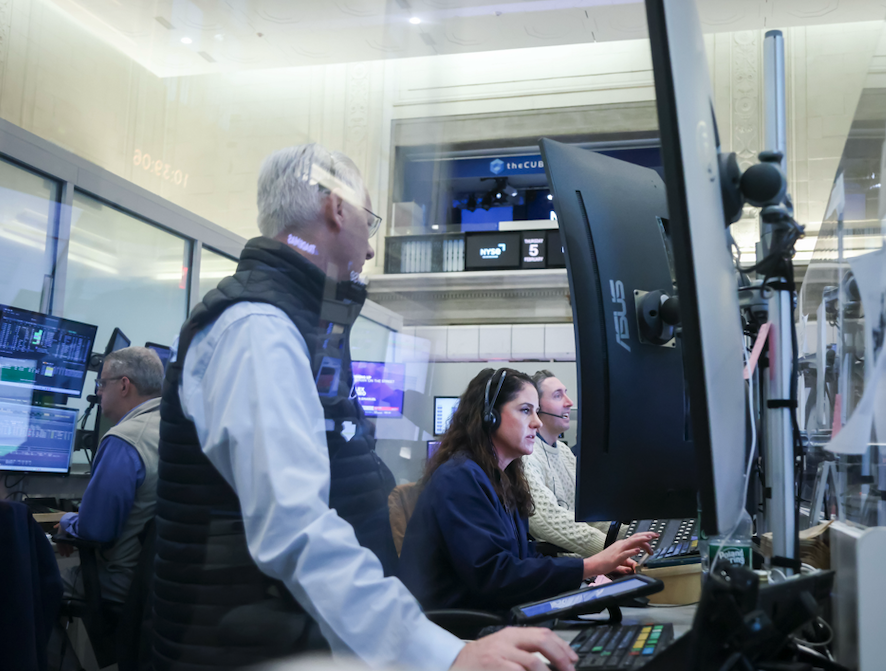
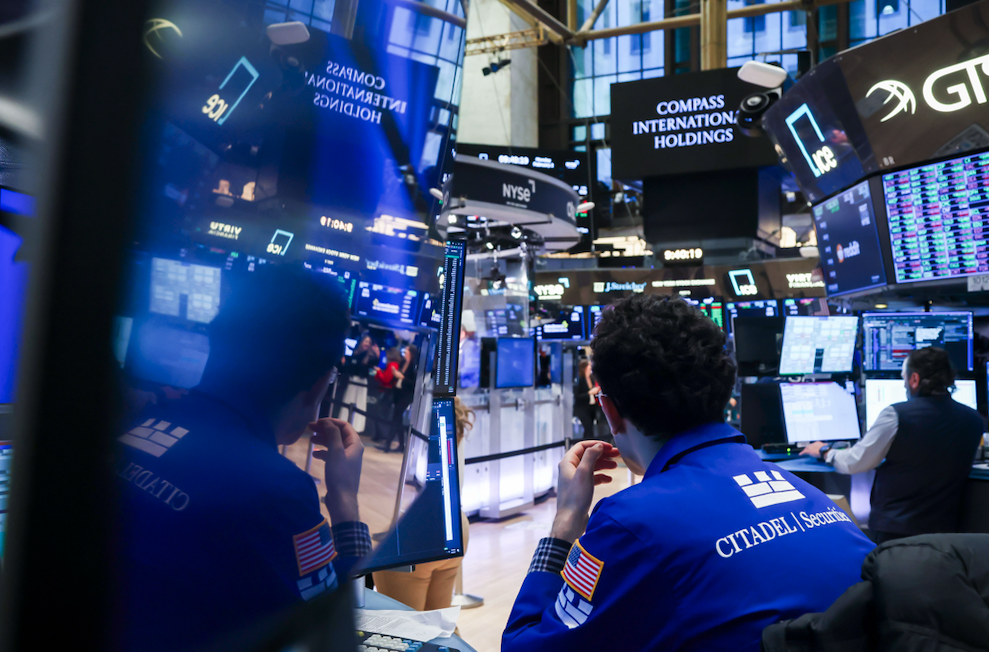
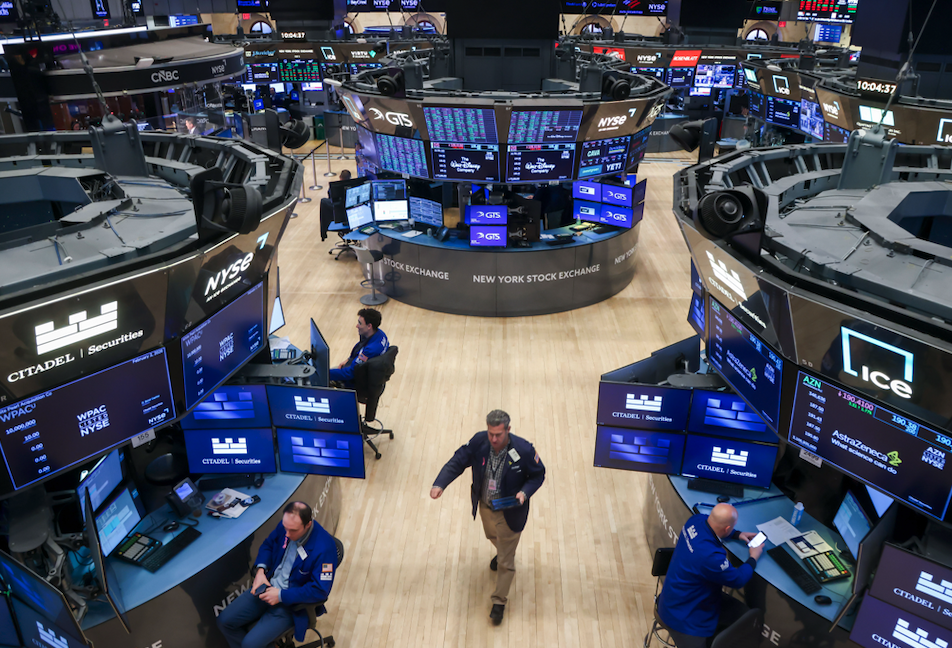
US equity markets are moving more money than ever before, blowing past $1 trillion in shares traded each day as heavy volume becomes the new norm.
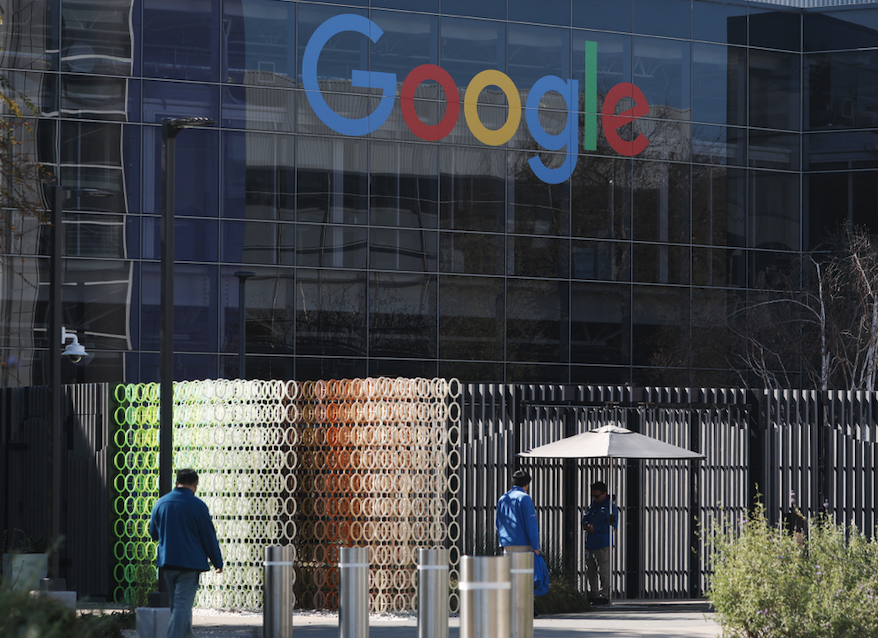
Alphabet Inc. has this week embarked on the next leg of its debt program to meet the voracious funding needs of its artificial intelligence program. Nothing quite signifies global domination like issuing bonds with ease across all of the world’s major bond markets and at a range of maturities, including the ultra-long arena that’s typically reserved for the most favored of borrowers.
For months, investors have been growing increasingly anxious about how artificial intelligence will potentially transform the economy. Last week, those concerns suddenly spilled over into the stock market.
US stocks were muted on Tuesday as investors examined the first of several key economic data releases this week in an attempt to find clues on the Federal Reserve’s interest-rate path.
The tech sector’s once relentless push higher in the US stock market has turned into a topsy-turvy ride, forcing investors to seek calmer waters where stodgy, old-economy companies ply their trades.
Dollar positives include relatively high U.S. interest rates and robust growth. But dollar negatives are building. The political will for a stronger dollar isn't there and valuations aren't helping.
Whether you follow Japan or not, its situation is incredibly important for investors because it is a major provider of global liquidity. Instead of being overly dramatic about the slim chance of a near-term Japanese crisis, we prefer to focus on how Japan normalizes policy after years of artificially suppressed interest rates and how that process will impact the yen carry trade.
Interval funds can be a powerful addition to the advisor toolkit. They can broaden access to institutional-style strategies and help build more diversified portfolios for clients who would otherwise be shut out of private markets.
After several years dominated by macro shocks, markets are transitioning into a phase where dispersion, selectivity, and disciplined portfolio construction matter more than broad directional bets.
Alphabet Inc. is looking to raise about $15 billion from a US high-grade dollar bond sale, according to people with knowledge of the matter, adding to a borrowing spree by companies at the forefront of the artificial intelligence investment boom.
Hedge funds are betting on more pound weakness as UK Prime Minister Keir Starmer’s future hangs in the balance.
US initial public offerings are poised to rebound this year, Goldman Sachs Group Inc. strategists said, citing tailwinds including a solid economic backdrop, rising boardroom confidence and supportive monetary policy.
Markets are efficient after all. This does not mean that prices are always “correct,” just that they generally reflect the available information. When investors learn that software firms’ products may be displaced by AI, their prices fall, as they did last week.
For the last year, any discussion of the obesity-drug market has come with an asterisk: Everything will change once pill versions of the popular GLP-1 drugs arrive. Those potentially cheaper alternative to injectables could mean a larger slice of the millions of Americans with obesity will try out the medicine.
The S&P 500 Index is in the midst of a tug-of-war. Companies are beating earnings per share estimates by significant margins and are set to deliver impressive 12% growth this reporting season.
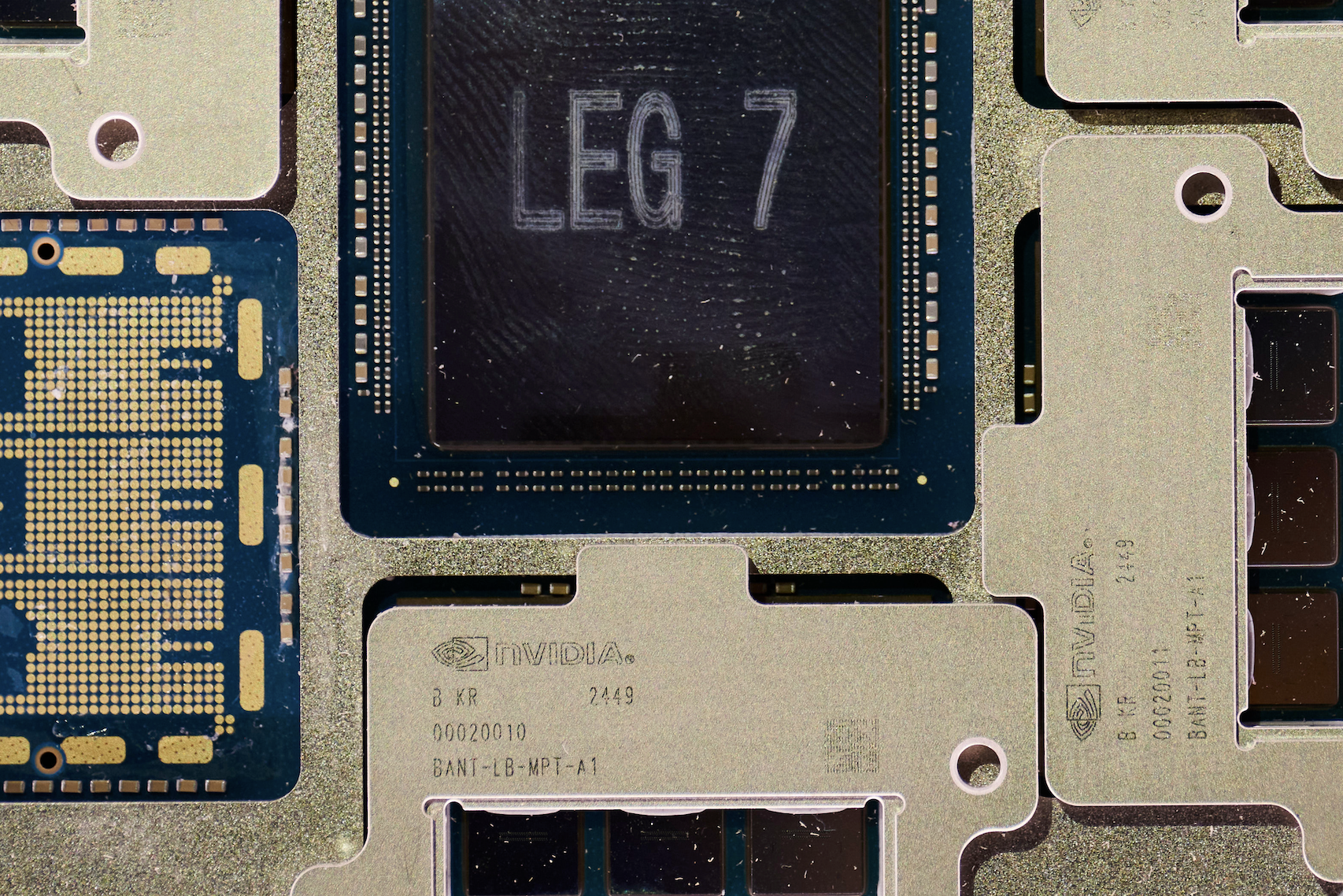
The semiconductor industry will reach $1 trillion in revenue this year for the first time ever, fueled by artificial intelligence and the spread of computer chips to virtually every part of the economy.
Emerging market assets are heading for their worst week in more than two months, after increasingly volatile markets from commodities to technology stocks roiled investor sentiment.
Four of the biggest US technology companies together have forecast capital expenditures that will reach about $650 billion in 2026 — a mind-boggling tide of cash earmarked for new data centers and all the gear housed within them.
On an evening in late September, a few dozen wealth managers gathered at a $63 million French château-style mansion owned by Paris Hilton and venture capitalist Carter Reum in the exclusive Los Angeles enclave of Beverly Park.
The problem of housing affordability is much bigger than insufficient supply; it’s a mismatch with demand. And that demand is driven by income inequality that has seen soaring income growth at the top and tepid growth (or even stagnation) in the middle.
Anthropic is releasing a new version of its most powerful AI model that’s designed to carry out financial research, days after the company’s push into legal services upended the stocks of legacy software makers.
US stocks continued to slide on Thursday as technology shares fell and private jobs data revived worries of an economic slowdown.
The unrelenting selloff in software shares has left tech investors antsy enough that they’re starting to pony up for protection against yet another steep slide.
All eyes will be Amazon.com Inc.’s cloud business when the technology giant reports earnings on Thursday, after shares of Microsoft Corp. plunged last week due in part to slowing growth at its key cloud-computing platform.
Vanguard Group Chief Executive Officer Salim Ramji is putting his imprint on the world’s second-largest asset manager by siphoning talent from Wall Street firms to fill key roles.
As the company moves to integrate its Gemini chatbot into more products like Gmail and the Chrome browser, it is rapidly gaining popularity and eating away at ChatGPT’s market lead.
Oil smuggling has been so enormously profitable that no matter how many obstacles Washington and Brussels put up, the barrels kept flowing. With a daily turnover of $1 billion, the black market has been just too attractive.
Moving to an independent RIA model is an energizing—yet daunting—strategic shift. Here are the five essential questions to help you define your vision and build a practice that truly reflects your values.
Bev addresses questions about fairness in compensation and offers strategies for approaching management about solutions.
The temptation to automate grows as the tools improve. That does not mean everything benefits from it. Some activities rely on emotional intelligence and personal history; they involve nuance that AI cannot reliably interpret.
The US Treasury refrained from any major shift in its debt-issuance strategy, meeting dealers’ expectations in the face of speculation that officials might take steps to bring down longer-term borrowing costs.
Novo Nordisk A/S’s chief executive officer asked investors to stick with him after a dire sales forecast caused a share price rout, saying a surge in prescriptions for cheaper obesity drugs will eventually revive growth.
In an industry numb to eye-watering AI bets, it takes a lot to make a chief executive hesitate. So Nvidia’s Jensen Huang blinking at one such commitment to OpenAI is worthy of notice.
SpaceX has a big head start on the technology of reusable rockets, which drastically lowered launch costs and helped spawn a commercial space industry that is gaining momentum year by year.
Brookfield Asset Management named Connor Teskey chief executive officer, marking the final step in Bruce Flatt’s long-held plans to replace himself at the helm of the $1 trillion asset manager.
Prediction markets will not replace traditional financial products. That is not their purpose. They do, however, influence client behavior in ways firms cannot ignore.
Precious metals, cryptocurrency, and currency speculation appeal to fear-driven parts of us that want certainty, protection, or a shortcut to wealth. Unfortunately, for most investors, that promise is never fulfilled.
For years, advisors haven't had the tools to offer comprehensive estate planning. AI changes what's possible. You're not just managing their portfolio; you understand the client’s entire financial life — their business, their family dynamics, and the legacy they want to leave behind.
President Donald Trump and Prime Minister Narendra Modi took a major step to reset fractured ties with a surprise deal on Monday to slash tariffs, bringing much-needed relief to India’s economy.
Artificial intelligence tops the investment priority list for family offices globally, a survey from JPMorgan Chase & Co.’s private bank shows, though allocations lag and remain concentrated in public equities.
A common proclamation made by tech leaders is that while artificial intelligence will destroy jobs, it will also create many new ones. But what kinds of new careers will AI spark? And, more importantly, will they last?
President Donald Trump formally announced plans to launch a $12 billion critical minerals stockpile, in his latest effort to aid manufacturers while minimizing reliance on Chinese rare earths.
Warren Buffett has a great line on how hard it is to pick winners when major industrial change is afoot. “What you really should have done in 1905 or so, when you saw what was going to happen with the auto, is you should have gone short horses,” the Oracle of Omaha once said.
No one knows what the future holds — especially not with burgeoning technologies such as AI. The best opportunities in AI may not be in today’s high-fliers but in lesser-known companies — some of which may still be private or not yet formed.
Joel Mokyr has made a valiant and mostly convincing effort — deeply researched and extensively documented — at explaining the Great Enrichment. His Nobel Prize is not only richly deserved but long overdue.
The concepts underlying our suggestions are straightforward, grounded in basic portfolio theory, and eminently practical. Most importantly, they align the committee’s focus with the endowment’s true objective: maximizing the sustainable resources available to beneficiaries over the long run.
Crypto’s latest downturn looks different on the surface. There are no spectacular scandals, no bankrupt exchange, no regulatory crackdown. Yet for the industry’s biggest trading platforms, the damage is starting to look uncomfortably familiar.
US stocks advanced on Monday after stronger-than-expected manufacturing data outweighed lingering questions about the interest-rate outlook following President Donald Trump’s decision to pick Kevin Warsh as the next Federal Reserve chair.