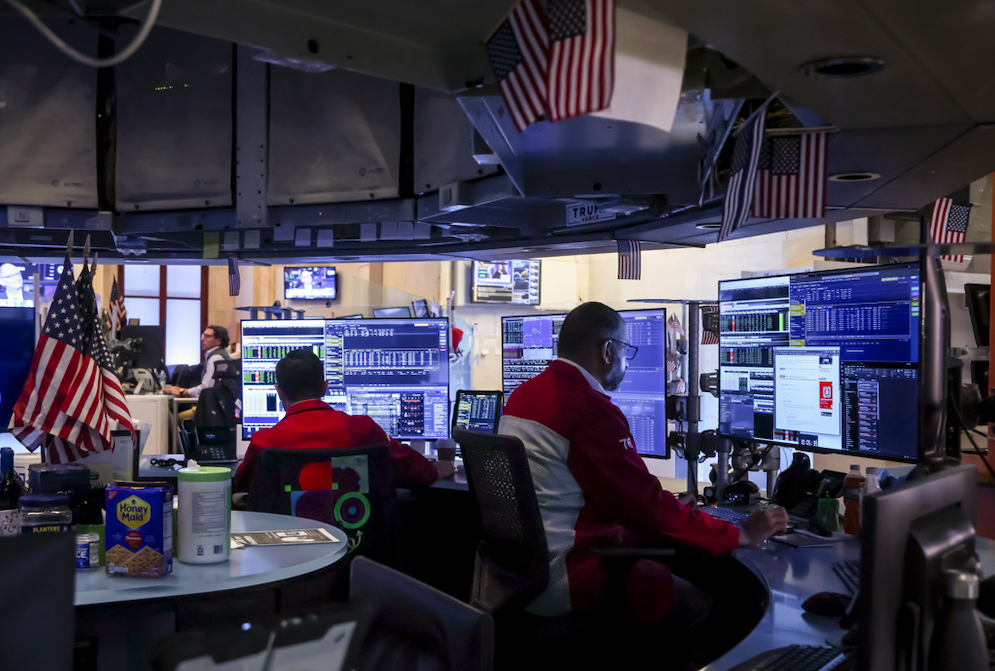
Every market jolt this year — from April’s tariff scare to September’s tech pullback — has met the same reflex on Wall Street: more ETF buying. That collective impulse has now pushed US exchange-traded fund inflows past $1 trillion, the fastest asset haul the industry has ever seen.
Sometimes there are economic narratives that don’t quite deserve a debunking — they have more than a kernel of truth to them — but rather demand an appropriate level of skepticism. Three such stories are widespread today.
Asset managers are looking to raise new private credit funds aimed at emerging markets to capitalize on an explosion of financing deals in the sector this year.
Finance ministers and central bankers, gathering in Washington for the annual meetings of the International Monetary Fund, face a global trading system in disarray, uncertainty over the dollar’s standing and the likely course of interest rates, and financial markets that are (for now) unnervingly complacent.
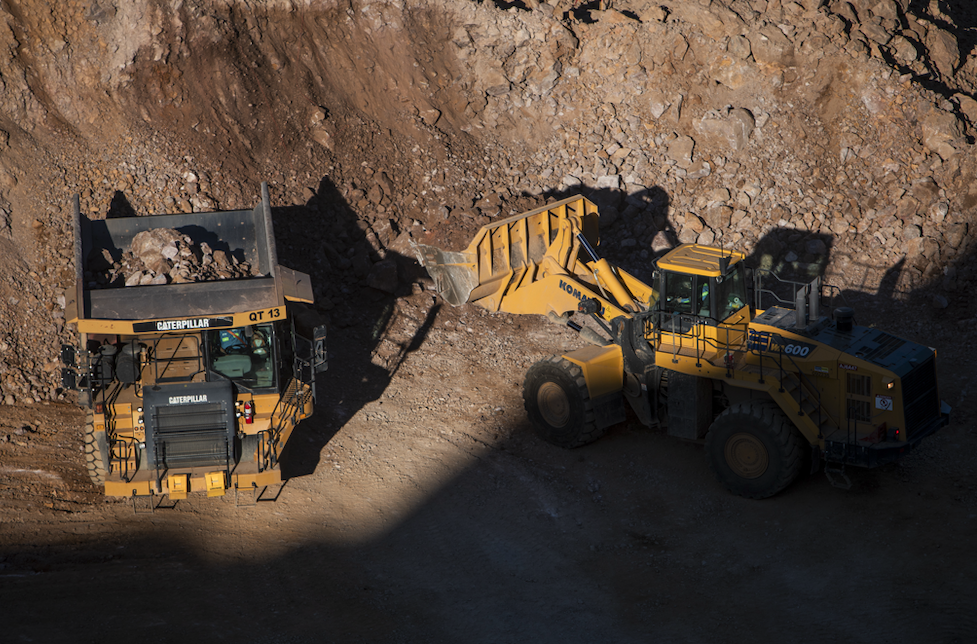
US manufacturing may now be at its most vulnerable after decades of ceding crucial mining and production activities to China in the pursuit of low costs and higher company profits, and robust government support will be needed to narrow the time for securing the manufacturing supply chain.
The Fed may be chasing economic balance with its tiny nudges. Our wisest course is to find our own personal financial balance within the context of the larger economy. We can build it one grounded financial decision at a time.
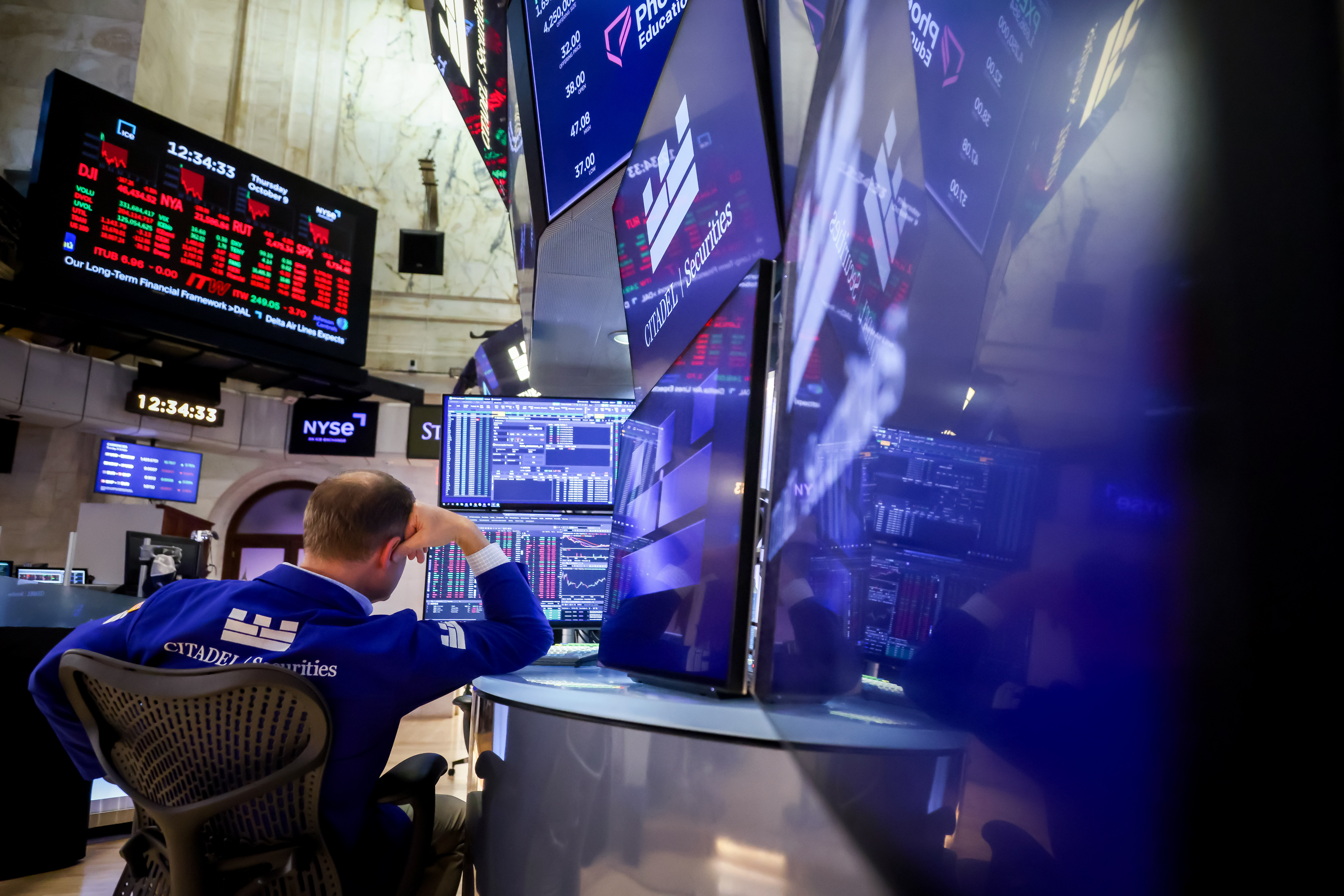
A lot of people are watching this meteoric US stock market with amazement as it shakes off one worry after another – slowing labor market, sagging consumer sentiment, continuing trade uncertainty, geopolitical tensions and now a US government shutdown – on its way to new record highs.
Independent advisors have the ability to put their clients’ needs first, which is known as the independent advantage. Understanding the difference between captive financial advisors and independent financial advisors is also key to helping you pick the best advisor for you.
China’s sweeping new restrictions on rare earth exports mark its first major effort to police the global flow of critical minerals it dominates, using the same playbook that allows the US to wield power far beyond its shores.
The fastest way to embed yourself locally is a series of small, consistent actions that compound over time. Here are seven micro-moves we’ve used to position ourselves as the go-to financial planner.
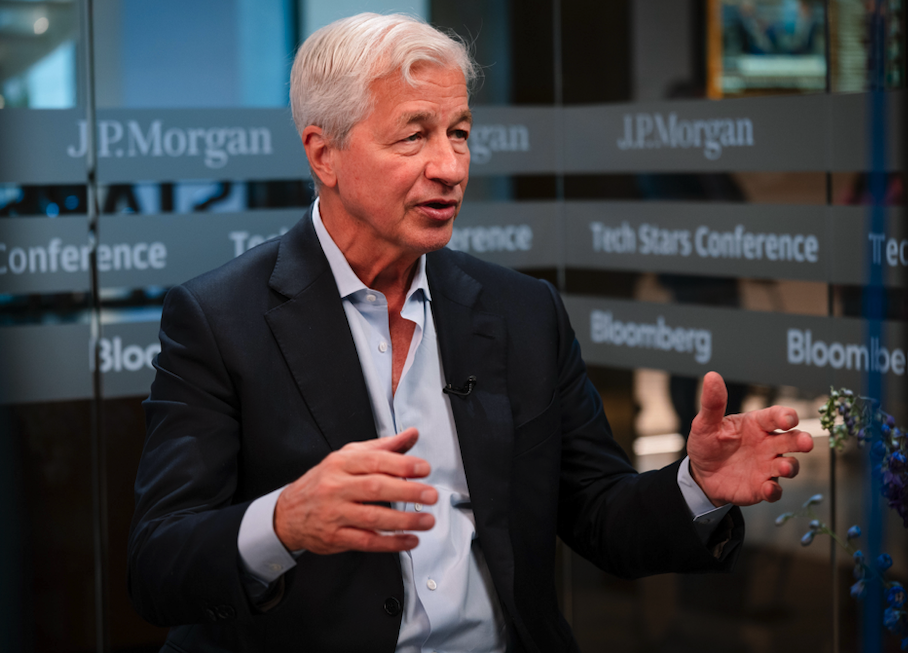
JPMorgan Chase & Co. vowed to funnel $1.5 trillion into industries that bolster US economic security and resiliency over the next 10 years — an initiative that will invest billions of dollars in companies and hire bankers and other professionals
If you do not communicate with your prospect in their unique thinking mode, they will not become your client. If you can keep rapport high by matching their buying mode, you will double your business.
BlackRock Inc. pulled in $205 billion of client money in the third quarter as the world’s largest fund manager expanded its footprint in private credit and alternative assets.
Wall Street strategists have a warning for dip buyers tempted by Friday’s rout in US stocks: There could be more pain ahead, even as China and the United States are signaling openness to trade talks.
Over the next decade, the US economy will face two big challenges: higher interest rates and AI-generated disruption. Each invites the same solution: policies to keep rates below their market level.
The latest moves by European companies to list in the US are more radical than meets the eye. AstraZeneca Plc and TotalEnergies SE want to upgrade their existing US equity offering to stock from from quasi stock — a well-trodden path. But as ever, the devil is in the detail.
Corporate bond routs from Sao Paulo to Istanbul are signaling to investors that the standout run in emerging markets may be starting to show some cracks.
Oracle Corp. will get a chance this week to reassure investors that a rally, which has added roughly $400 billion in market value this year, is on a stable footing.
Modern economies are built on ideas, innovation, and intangible assets, but they still run on inputs you can’t digitize away. Labor, energy, materials, water, and capital are the physical and financial infrastructure that supports growth, drives margins, and defines which business models can actually scale.
OpenAI signed a multiyear agreement with Broadcom Inc. to collaborate on custom chips and networking equipment, marking the latest step in the startup’s ambitious plan to add computing infrastructure. Broadcom shares jumped.
These days, advisors and their clients are directly marketed private credit through interval funds and tender-offer structures. This change raises an important question: What should you say to a client who asks about these products?
Polymarket is a rational system, with efficiency, security and incentives designed into the platform. But it may still see unanticipated problems.
It's odd to consider, but a recession could flip our bullish outlook on bonds to bearish. It's unusual because typically, inflation drops during a recession, leading to lower yields and higher bond prices. However, we believe that if an economic downturn or recession occurs soon, the immediate effect on bonds will be favorable.
Something changed this year. This year, diversification beyond U.S. stocks has added value, as can be seen in the performances of portfolios.
From technology firms to translators, the world has not faced up to the consequences of artificial intelligence wiping out swathes of jobs, according to one of AI’s biggest cheerleaders in finance.
American taxpayers spend billions of dollars annually supporting pharmaceutical development. Yet the US continues to pay more for medicine than any other country in the world.
Betting against the dollar has been the dominant trade this year in the $9.6 trillion-a-day foreign-exchange market, but the wager is starting to stumble.
The government shutdown is already beginning to impact air travel. Alarm bells are ringing about the air traffic controllers who are not being paid yet are expected to continue working. While members of Congress bicker, the snarls at airports and potential safety issues are coming like a downhill train that’s lost its brakes.
Treasuries advanced Friday as traders reacted to evidence the US government shutdown may be curtailing economic activity.
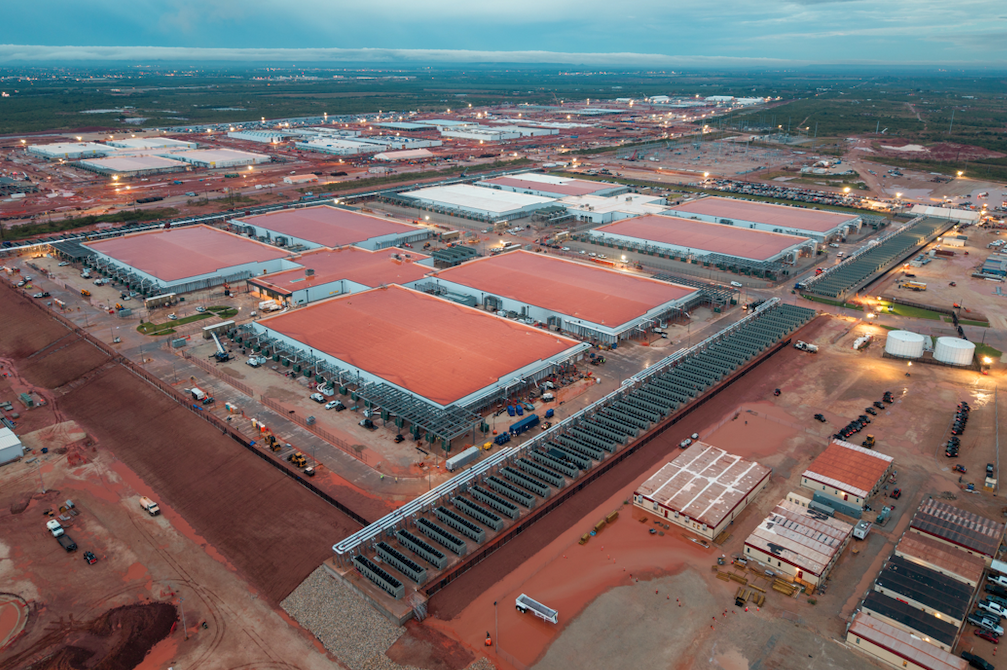
Microsoft Corp.’s data-center crunch will continue for longer than the company has previously outlined, underscoring the software giant’s struggles to keep up with cloud demand.
In a tough US market for domestic flying that has put low-cost airlines on the ropes, one startup is rapidly growing revenue by tapping underserved markets through direct flights using smaller aircraft with business-class and basic seating.
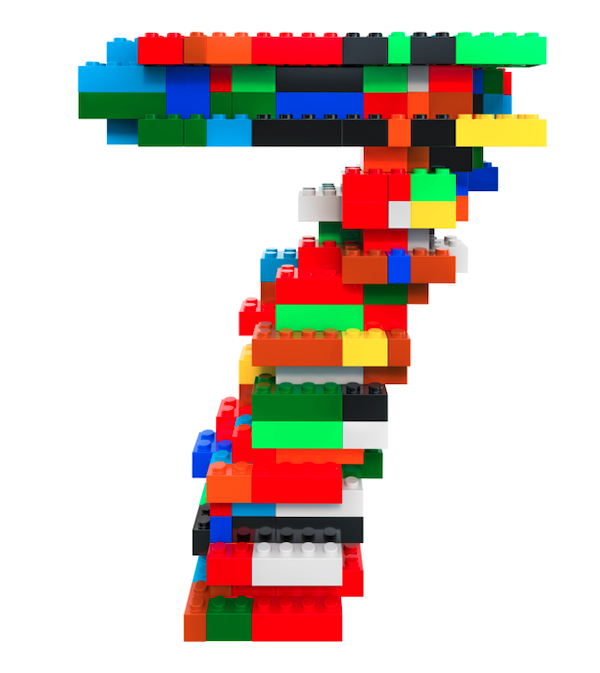
How AI evolves is perhaps the biggest question looming over the future of both the stock market and the broader economy. The “magnificent seven” tech companies, all with big bets on AI, account for more than one third of the S&P 500 Index’s market capitalization, up from about a fifth at the end of 2022.
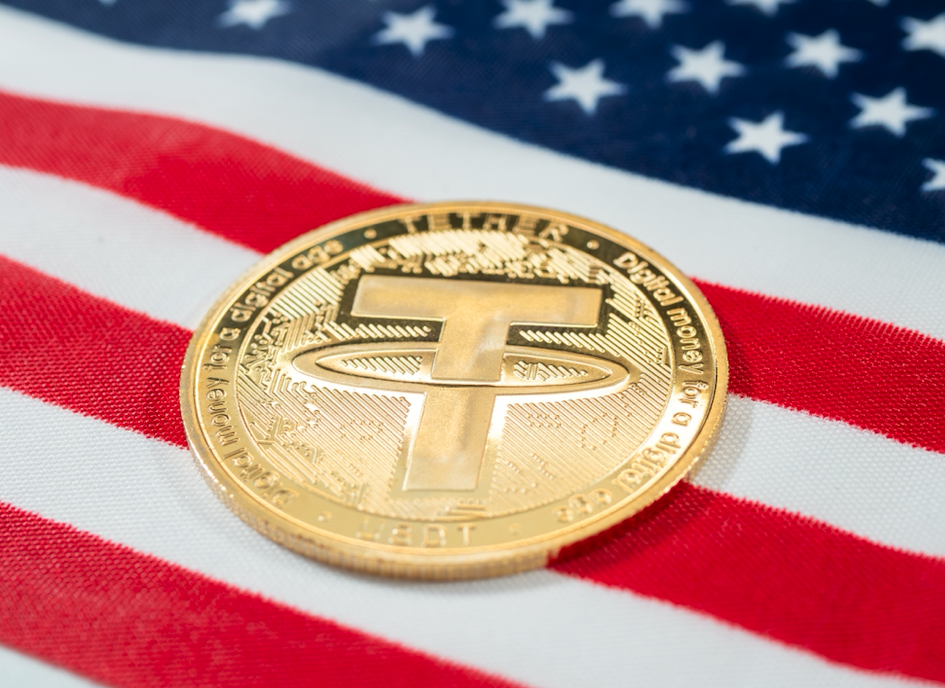
A decade ago, stablecoins were conceived as a bridge for speculators to travel between risky digital assets like Bitcoin and the less turbulent world of fiat money. That is changing fast. In the hands of a crypto-loving Trump administration, these dollar clones are shaping up as a highway that will carry America’s influence around the world.
How AI will reshape our lives is clouded with uncertainty. Researchers are debating what it means to achieve artificial general intelligence, or AGI, or whether the neural-network systems that drive chatbots like ChatGPT can lead us to that big prize.
One obvious tweety bird is the riskiest type of bank debt, known as perpetual additional tier one bonds. These securities allow regulators to wipe out investors if a bank fails, but to compensate they offer the highest yields for lending to financial firms.
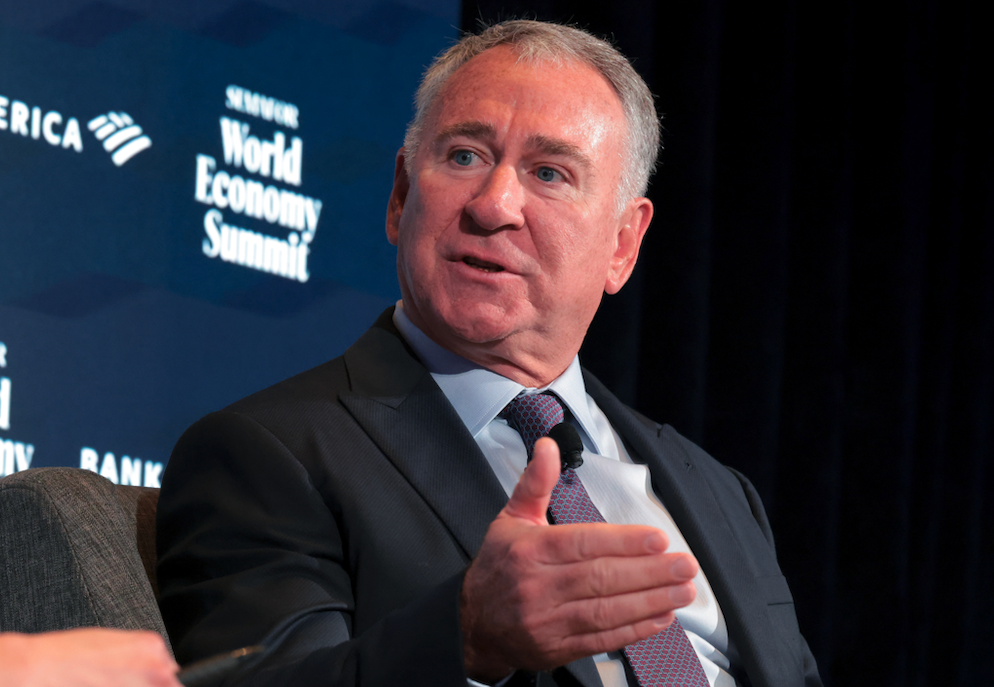
In the history of Wall Street, few have been as successful as Ken Griffin. Over the past three decades, he has built his Citadel hedge fund into a global financial behemoth, helping Griffin accumulate a personal net worth of about $48 billion. So when he makes a market call, it’s worth paying attention.
All’s fair in love and politics — and international bank capital rules. US financial watchdogs are making mischief with European standards that give lenders relief by treating the euro zone as a single domestic market.
To say the roof hasn’t caved in on the dollar is an understatement. Despite the doomsaying that was pervasive after the White House imposed sweeping tariffs, the greenback is as entrenched in the cogs of global finance as ever. If anything, its use is more pervasive.
The boom in capital expenditures related to generative artificial intelligence is generating lots of questions about whether it is sustainable.
As younger generations are more often delaying life milestones, like marriage, parenthood and homeownership, advisors may need to adjust their conversations with millennial and Gen Z clients.
While large firms struggle with legacy systems and entrenched processes, agile mid-market players can deploy next-generation compliance technology and immediately realize competitive advantages.
An offsite with a great facilitator can be such a powerful experience. Ideally, they are a way to get team members talking about things they might otherwise be uncomfortable sharing with one another. Sometimes facilitators think the “tough love” approach is the best one to get people to see the dynamics of what is going on.
First it was a $400-million stake in MP Materials Corp., a little-known miner of rare-earth materials.
The rip-roaring rebound in US stocks from the brink of a bear market six months ago will go down in history for its speed and resilience. And bulls expecting the good times to continue have history on their side.
Nano Nuclear Energy Inc. has no revenue, no license from the US Nuclear Regulatory Commission and no operating power plant. Yet investors have driven its valuation past $2.3 billion, a figure that may be built more on optimism than fundamentals.
The jaw-dropping spike in gold prices is a reminder of what primal creatures we humans are — especially the species among us known as active traders. But the surge should also remind us of the importance of calling on the more evolved parts of our brain.
Like having the hottest A-lister on your arm, being a company merely associated with the OpenAI hype machine can send your street cred soaring these days.
Chasing sends a clear message to your prospects, mainly you care more about closing the deal than solving their problem. There is an alternative, and a simple one at that. Stop following up and start focusing on creating trust.focusing on creating trust.
If you are searching for professional retirement and financial guidance, the most important thing is working with professional people who understand your needs and can help you in achieving your specific goals. How might you determine compatibility?
Inflation is a quiet seeping in the background that you may not notice today. Yet over years it can drain value from your retirement reservoir. The fix doesn’t require a full remodel, just regular maintenance. What kind of maintenance does it take to prevent inflation leakage? Here are a few suggestions.