I’m finding some questionable accounting as I am going through the financials from the last few years.
Persuading prospects to engage in financial planning is a struggle. Even when this obstacle is overcome, convincing them to implement the plan can be equally daunting.
Let’s talk about results-oriented thinking.
Summer is a time for vacation, relaxation and spending time with family and friends. It can also be a time when female financial advisors struggle to achieve work-life balance. Juggling work and personal responsibilities is challenging, but it’s possible.
If you have your own independent firm (i.e., RIA), you are not immune to the macro effects of the downturn either. You will be squeezed as well.
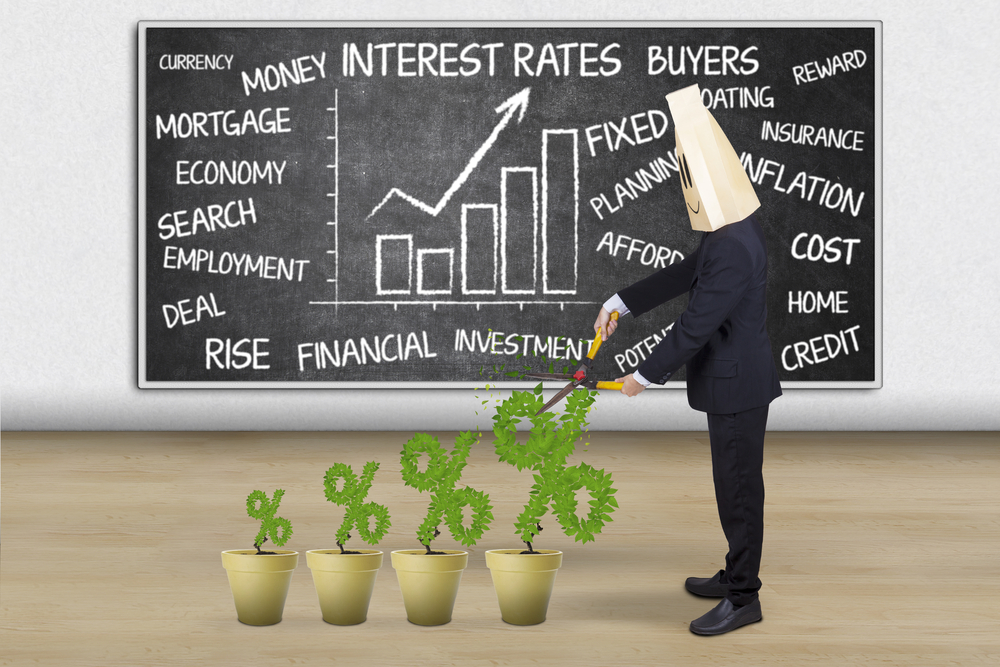
Everyone is stressing about consumer debt. Investors have been dropping the shares of big banks, credit-card specialists and younger fintechs because of fears about the pain that rising living costs and interest rates will inflict on borrowers.
Zapper is considering options to raise capital, including a stake sale, that could value the South African startup at nearly $1 billion, according to people familiar with the matter.
This is an environment in which it is hard to argue for silver linings, especially when so many analysts are warning that additional losses may be ahead in both public and private markets. Yet three are already evident.
With the US bear market entering its seventh month, it’s not too soon to think about what other risks might be lurking. Private equity is at the top of the list.
Signs of a rapidly deteriorating US economic outlook have spurred bond traders to pencil in a complete policy turnaround by the Federal Reserve in the coming year, with interest-rate cuts in the middle of 2023.
For anyone who’s retired or nearing retirement, sinking stocks, rising inflation and the prospect of a recession can be a nightmare economic brew.
Given the speculative gamble of cryptocurrency, there is no evidence-based reason that long-term investors would include it in their portfolios. What personality types sign on for such a violently volatile investment experience?
It never occurs to advisors that client events should be marketing machines. To build your business with 25 referrals per month and increased sales, read on.
Bob was in Philadelphia this weekend to attend the wedding of Anna Vresilovic.
New research shows that the significant outperformance of ESG-driven investing over the last decade was due to a sharp increase in concern among investors for climate-related issues. Whether that outperformance continues will depend on even more heightened concerns over the environment.
Incorporating a wide variety of portfolio risk mitigation techniques is essential to address unforeseeable macroeconomic challenges.
An allegation has been floated recently that inflation has been exacerbated by corporate greed. A neologism has even been coined for it, “greedflation.” The claim has been backed up by anecdotal and empirical data and it has been rebutted by anecdotal and empirical data. I will not try to answer the question of whether this allegation is true, but how its truth should be determined.
Before I begin, please note: I am not a pessimist. I am not short the market, and I think the world is far more likely to muddle through than to fall apart. Nonetheless, I now believe the future will be far more irresponsible and stupid than I once did.
If I had a time machine, 1972 isn’t the destination I would choose for Britain — not with so much inflation, strike action and strife just around the corner.
The global surge in the cost of fuel is starting to weigh on demand, according to the world’s biggest independent oil trader.
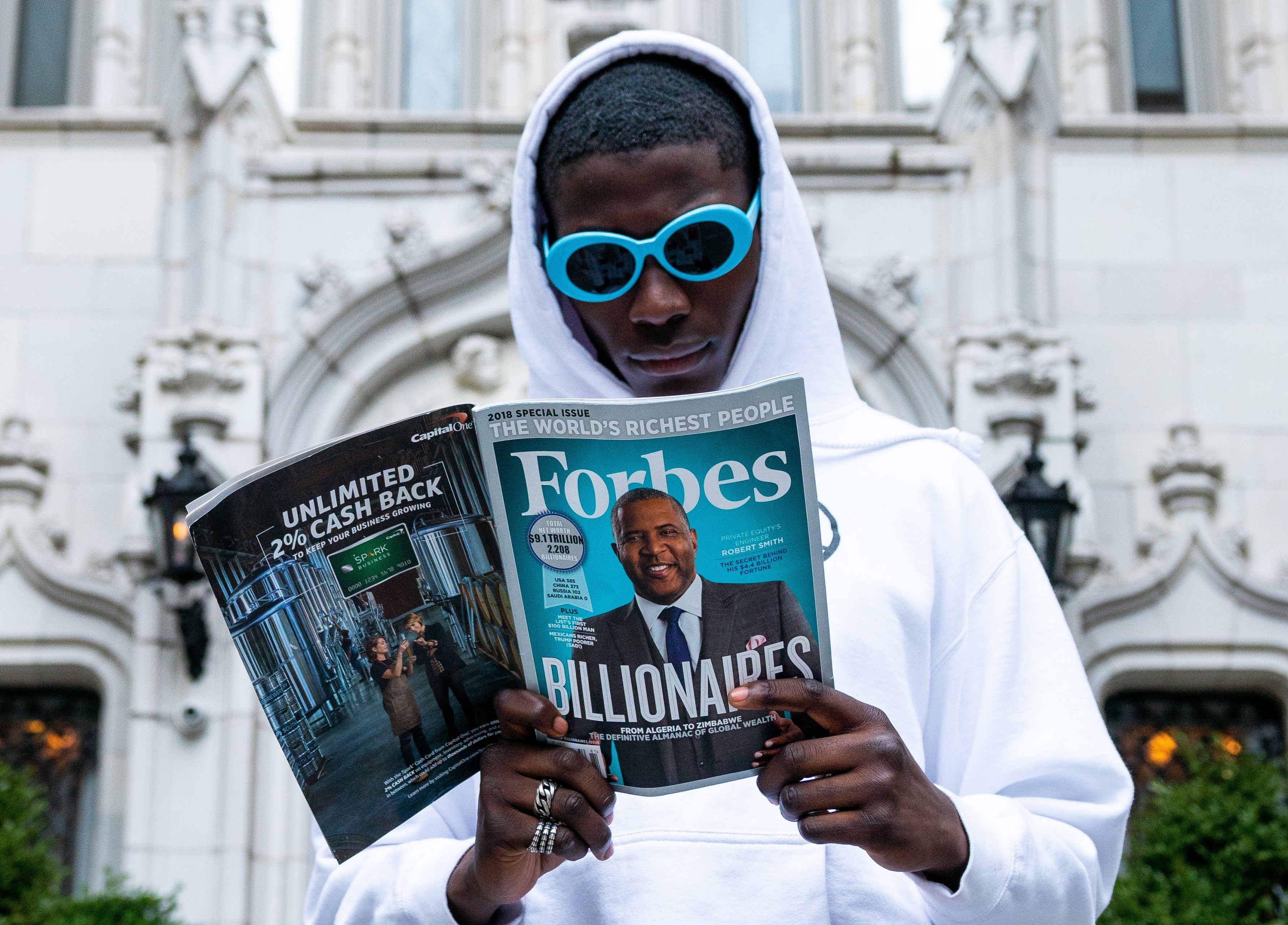
All told, the world’s 500 richest people lost $1.4 trillion in the first half of 2022, a dizzying decline that marks the steepest six-month drop ever for the global billionaire class.
The turn in the US housing market has been sharp and swift.
Treasuries began the second half of the year on the front foot Friday as concerns continued to mount that Federal Reserve rate hikes will lead to a recession.
To state the obvious, it has been a good time to be short the market. But the success of bearish traders in 2022 goes beyond luck.
The first half of 2022 brought a brutal selloff to emerging markets, but also fueled hope for the second half: stocks, bonds and currencies have begun to outperform their peers in the US.
Things can only get better for the $4 trillion muni market in the second half of the year, according to Wall Street strategists.
After attracting crypto firms, property investors and Russian billionaires, Dubai is drawing a new crowd: hedge fund managers.
As mass layoffs start to make headlines and recession chatter gets louder, there is a lot that traditionally employed folks can learn from freelancers to defend their finances amid anxiety about a downturn.
Global risk assets were at the epicenter of a selling spree Friday as investors kicked off the second half of the year with recession concern front and center.
In an inflation-lashed world where bonds are posting record losses, Wall Street issuers are betting investors hungry for income will instead lavish their millions on ETFs that ride stocks in order to deliver payouts.
Airbus SE won one of its biggest-ever orders for 292 airliners worth more than $37 billion from four Chinese airlines, a coup for the European manufacturer as it tussles with Boeing Co. for dominance in Asia’s largest economy.
The strained global wheat market is entering crunch time.
There may be signs the overheated housing market is cooling, but many buyers still feel like it’s near-impossible to get a house without an all-cash offer, or something close to it.
Investors cut holdings in exchange-traded funds for silver, platinum and palladium in the second quarter on fears that a potential recession will reduce industrial demand, but gold assets held up because of its role as a haven, and that may persist.
Meta Platforms Inc. is slashing its hiring goals for engineers by at least 30% this year and warned all staff to brace for a severe economic downturn.
The black hole is the empty space where they haven’t committed to move forward, and you’re forced to chase them to find out where they stand.
Advisors seek to be incomparable, or better than the competition. But this marketing tactic creates a neck-and-neck race that they can’t win. Instead of being incomparable, choose to be uncomparable.
Base metals headed for the worst quarterly slump since the 2008 global financial crisis as China’s economy recovered only gradually and fears of a world recession intensified.
Amazon.com Inc. is nearing a deal to broadcast Europe’s top football tournament in the UK for the first time, according to people familiar with the matter, as the tech giant pushes deeper into sports.
Bitcoin is on track for its worst quarter in more than a decade, as hawkish central banks and a string of high-profile crypto blowups hammer sentiment.
US President Joe Biden said Americans will have to stomach high gas prices “as long as it takes” to beat back Russian President Vladimir Putin’s invasion of Ukraine.
It’s official: Chinese equities are once again in vogue, after months of regulatory crackdowns, deleveraging and stringent virus curbs wiped trillions of dollars off benchmark gauges.
Soon-to-be retirees are reevaluating things like when to stop working, whether they should move and how to strategize their spending.
Zoom Video Communications Inc. is navigating life after the pandemic by acting like the past two years never happened.
Skeptics have long made a sport of predicting that the decade-long rally in technology stocks was destined to reverse. At the halfway point of 2022, it seems like this is the year when they will be proven right.
Since healthcare costs are the number one fear in retirement for Americans, this article will focus on which states are the least expensive to retire in based on healthcare costs.
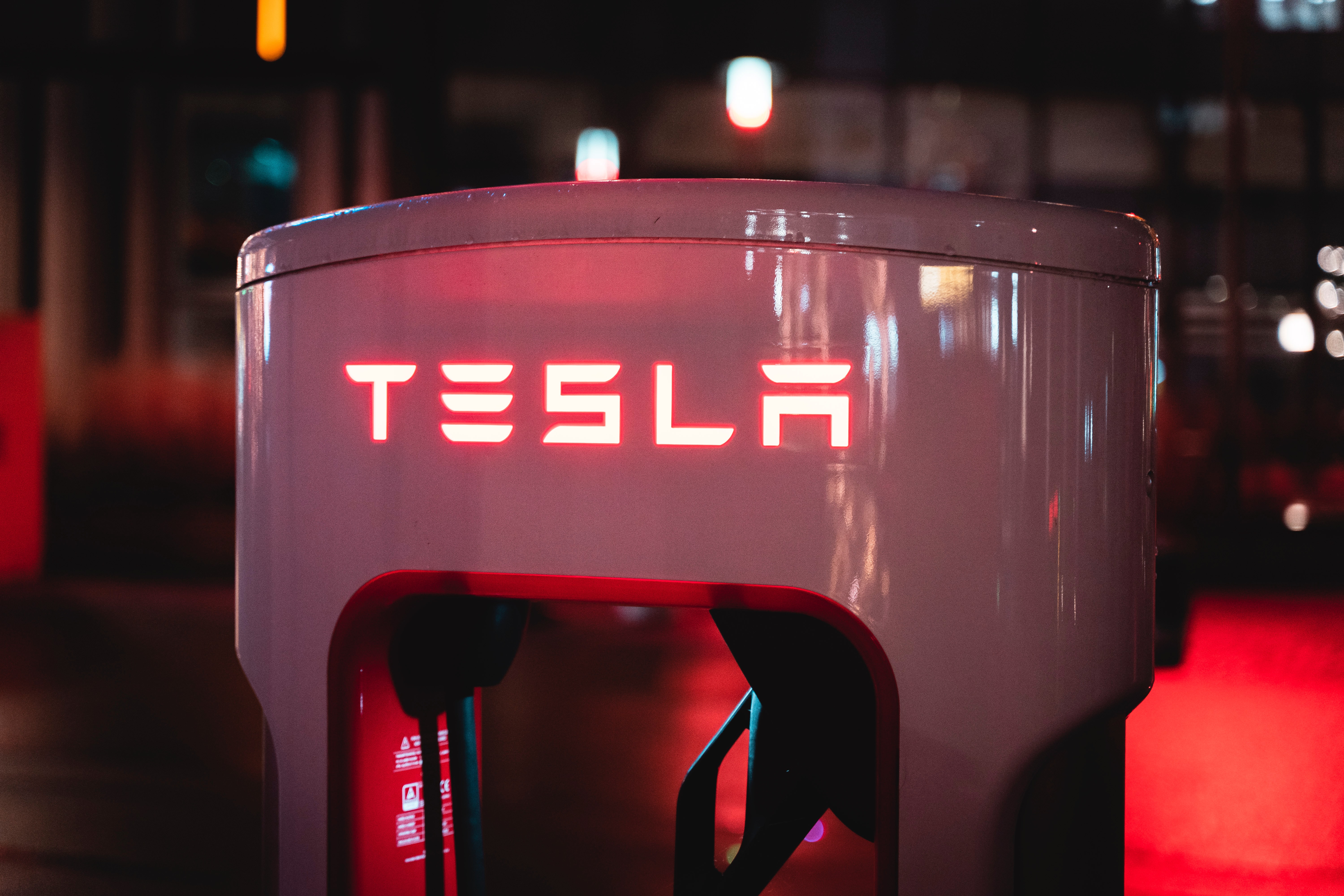
The man who dominates discussion about the future of transportation has gone uncharacteristically quiet at the close of a manic quarter.
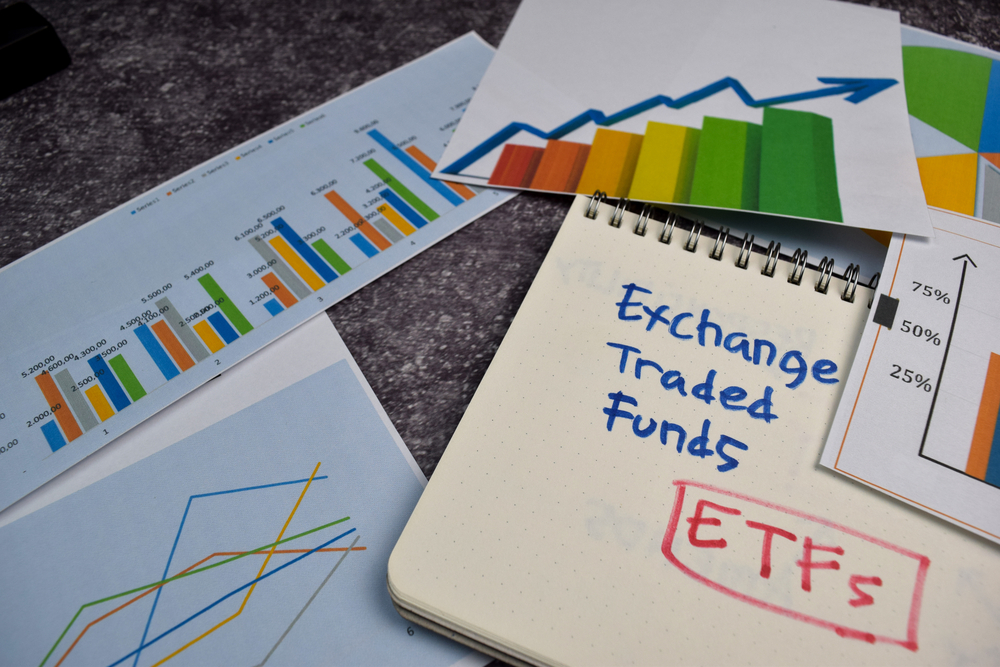
A pair of exchange-traded funds that seek to capitalize on the tendency for US stocks to log the bulk of their gains when the cash market is shut are set to launch Tuesday.
Home-price growth in the US started to slow in April.
The Federal Reserve was in denial about inflation and moved too slowly in trying to quell rising prices. That’s now put it on a trajectory to create a recession, if it hasn’t already done so.