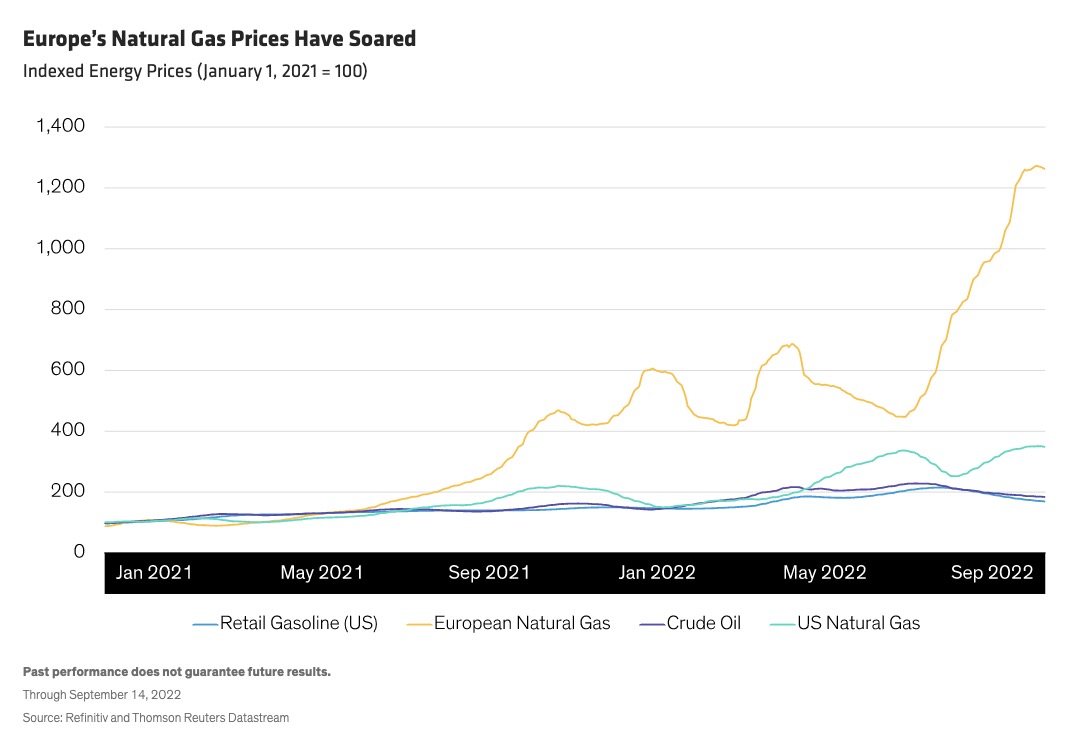
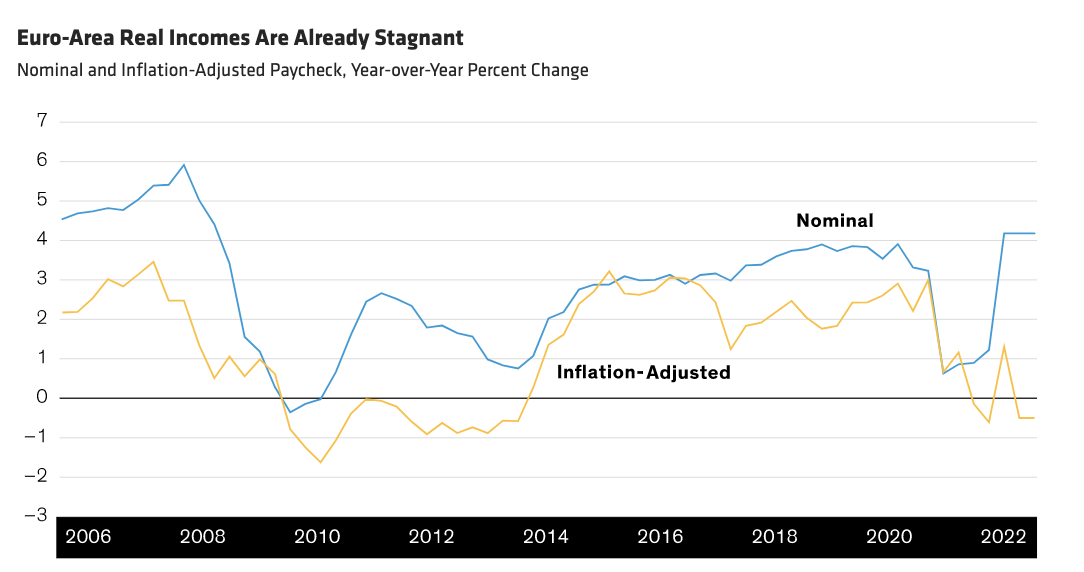
As surging natural gas prices stoke inflation throughout Europe, policymakers are responding to both reduce the economic damage of high energy prices and clamp down on blistering inflation rates.
Energy prices have been on a rollercoaster ride the past few years, and the invasion of Ukraine upended the entire supply/demand framework. The path ahead for energy—and related investment opportunities—will be defined by how today’s “power problems” are resolved.
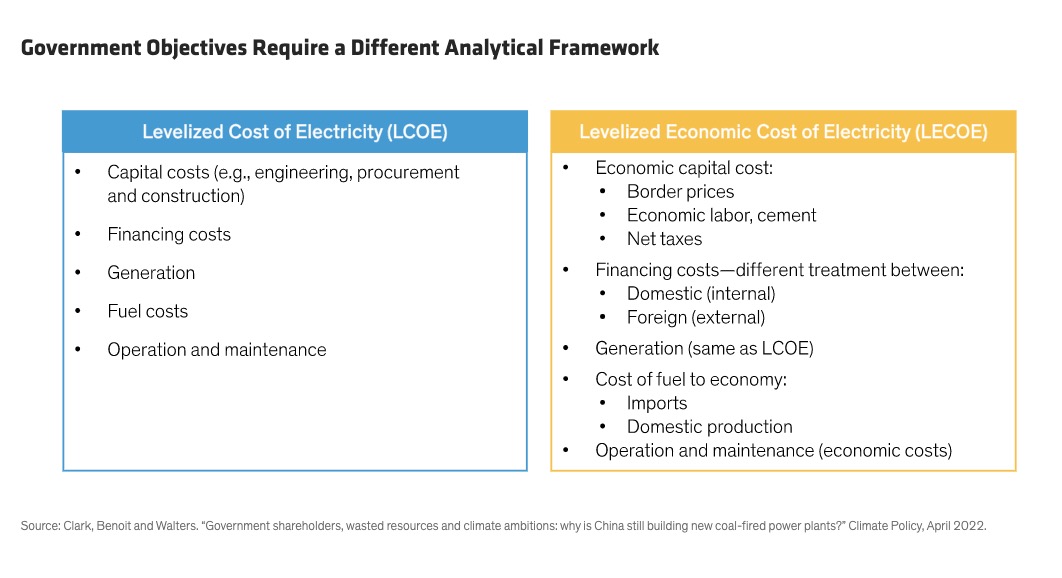
China has pledged to reach carbon neutrality by 2060, and state-owned enterprises (SOEs) are responsible for half the country’s CO2 emissions.
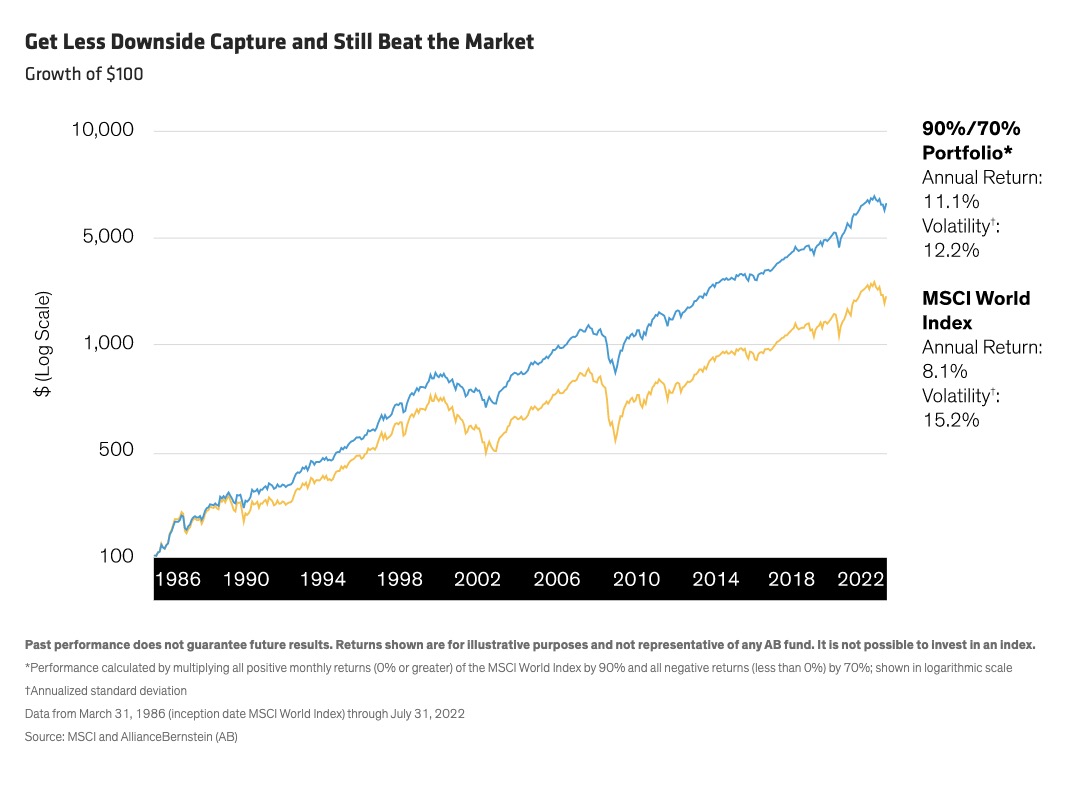
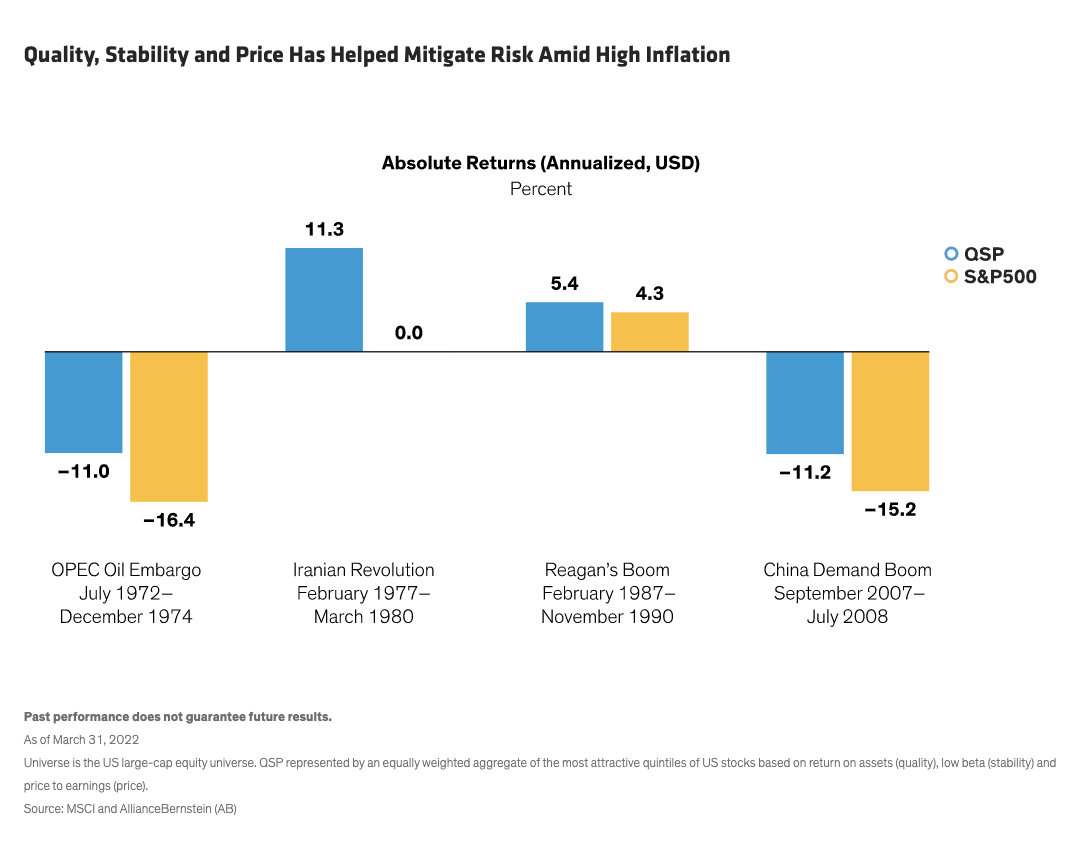
During this period of economic uncertainty and market stress, investors may be surprised to discover how a strategy targeting stocks that lose less in a downturn can beat the market over time.
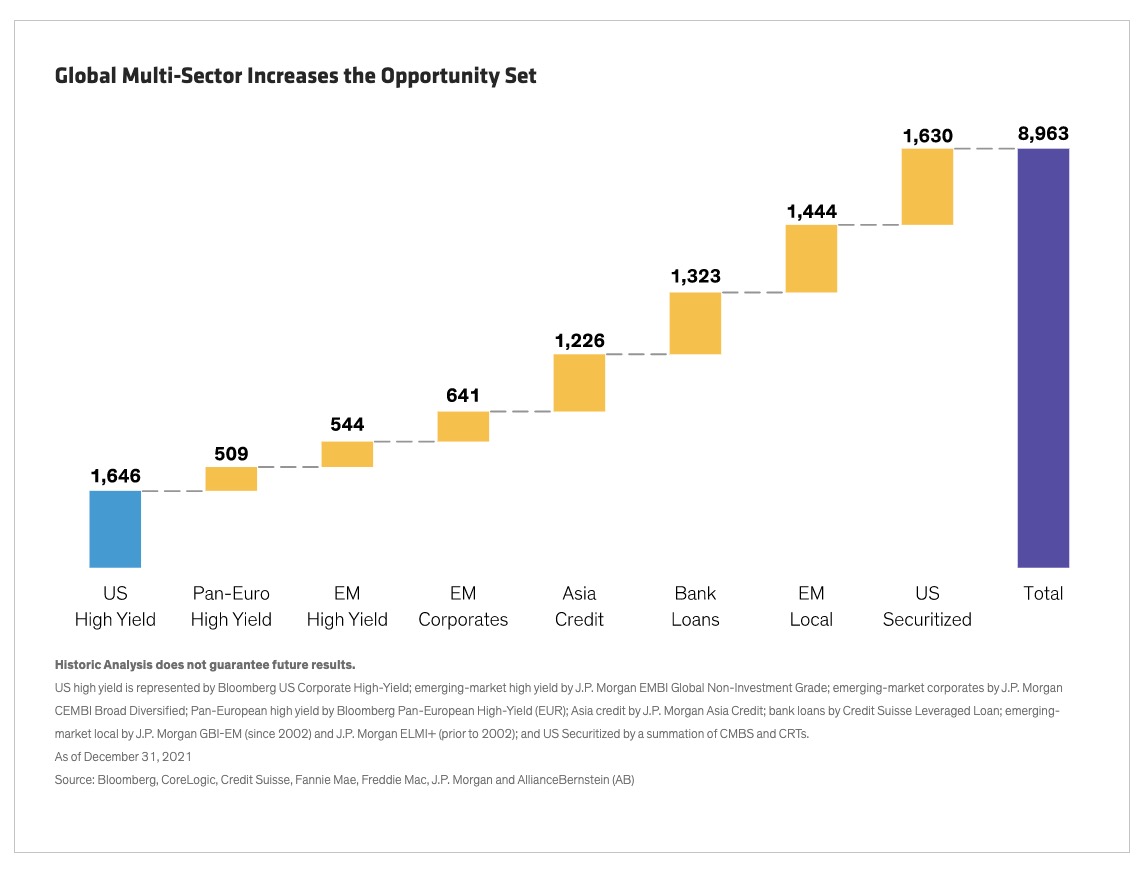
Investors naturally gravitate toward higher-income segments as a way to boost traditional core bond yields.
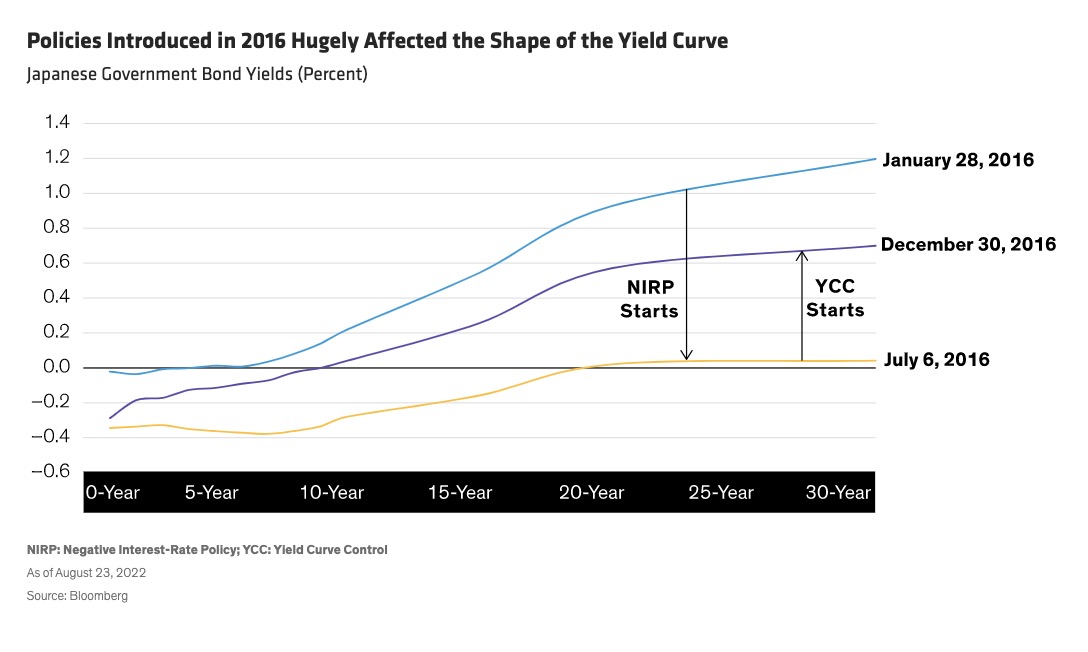
Across the developed markets, central banks have embarked on a tightening path—with one exception: the Bank of Japan (BOJ).
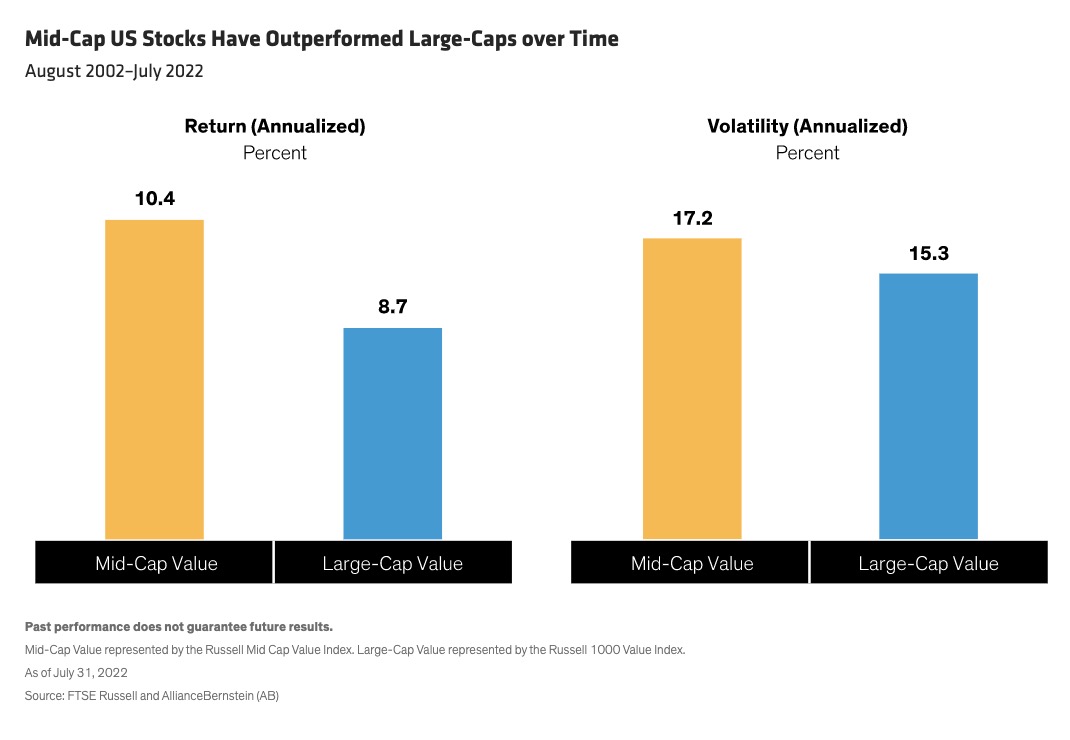
The case for mid-cap stocks.
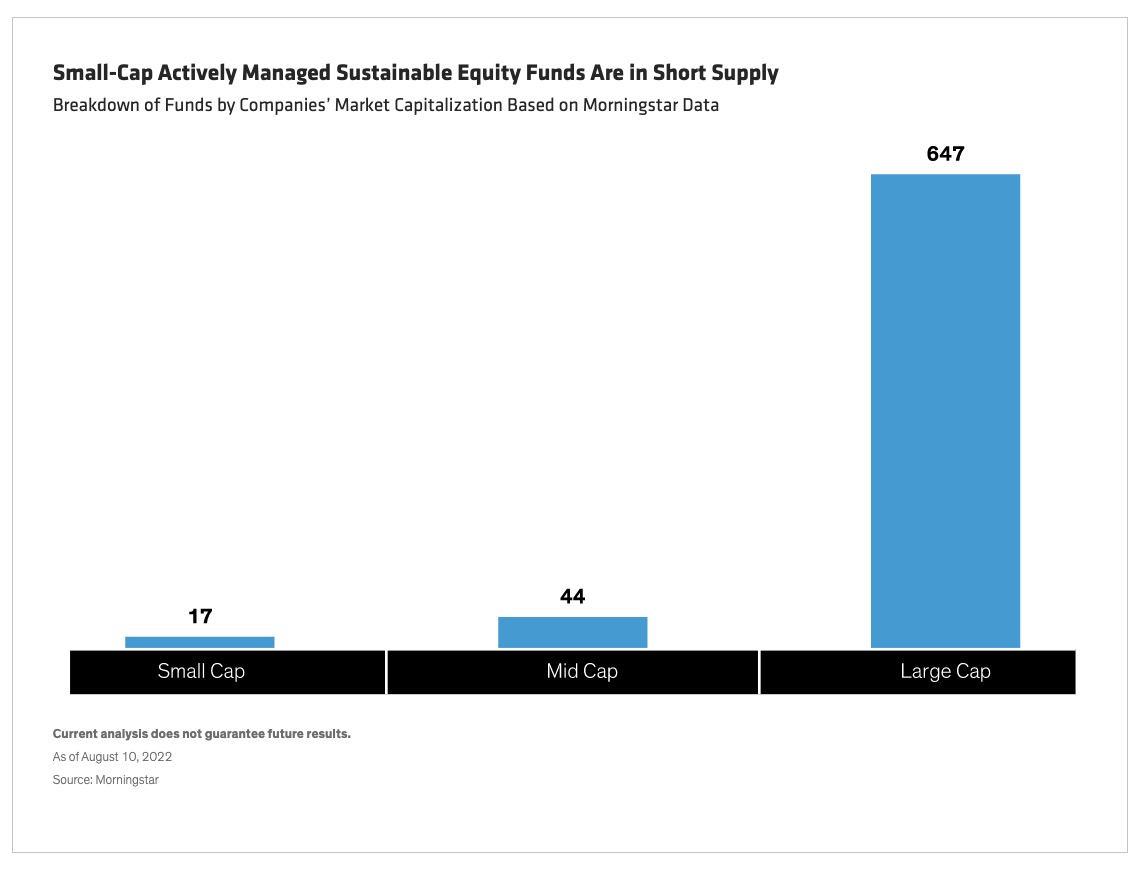
In small-cap markets, fundamental research is in short supply—and good environmental, social and governance (ESG) research is even scarcer.
The first six months of 2022 have served as a stark reminder that market outlooks can quickly shift. Advisors who want to retain business must now prepare clients for the possibility of greater volatility, abiding inflation and muted returns. Clients have many reasons to be skeptical of change and financial advisors (FAs) who don’t have these conversations now risk having painful discussions with disappointed investors. AllianceBernstein Advisor Institute’s, Ken Haman discusses key insights about human decision-making and research in behavioral finance to look at the practical challenges of managing client trust during uncertain times.
As prologues go, the first six months of this year have been a doozy.
Inflationary pressures from the COVID-19 crisis have been compounded by the surge in commodities prices sparked by the Russia-Ukraine war. In the US, the Consumer Price Index hit 9.1% year over year in June—its highest since 1982. In fact, most major economies are dealing with inflation highs not seen in decades.
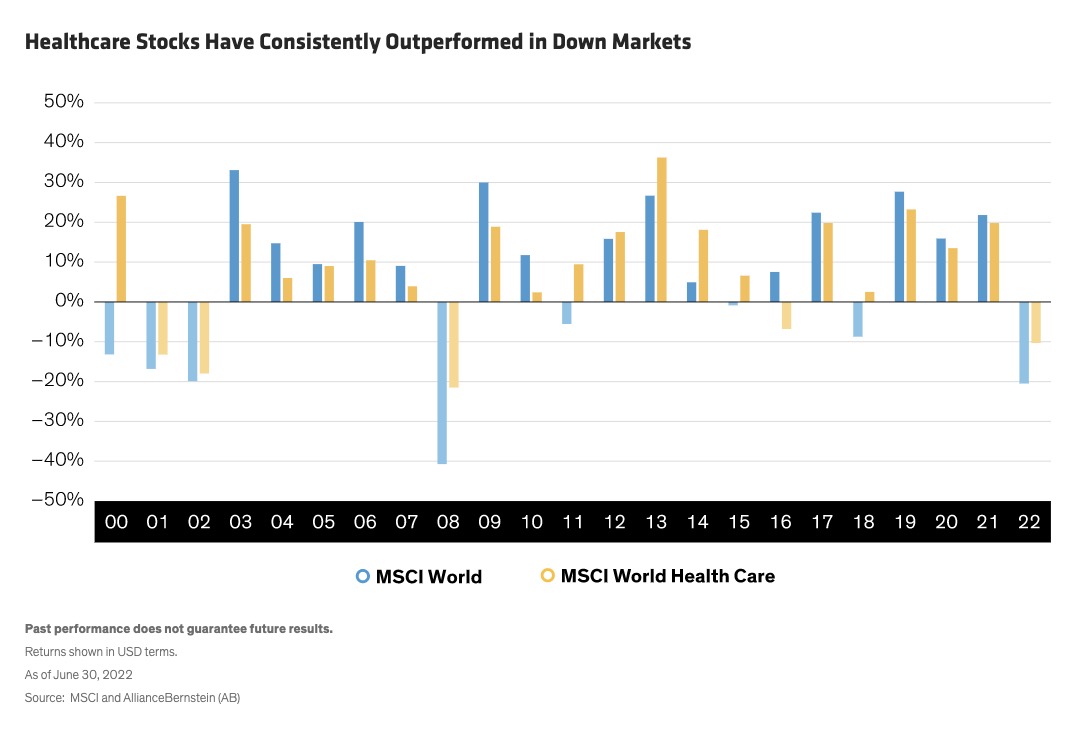
Healthcare has long been considered one of the most reliable defensive sectors—an effective portfolio buffer when equity markets turn volatile.
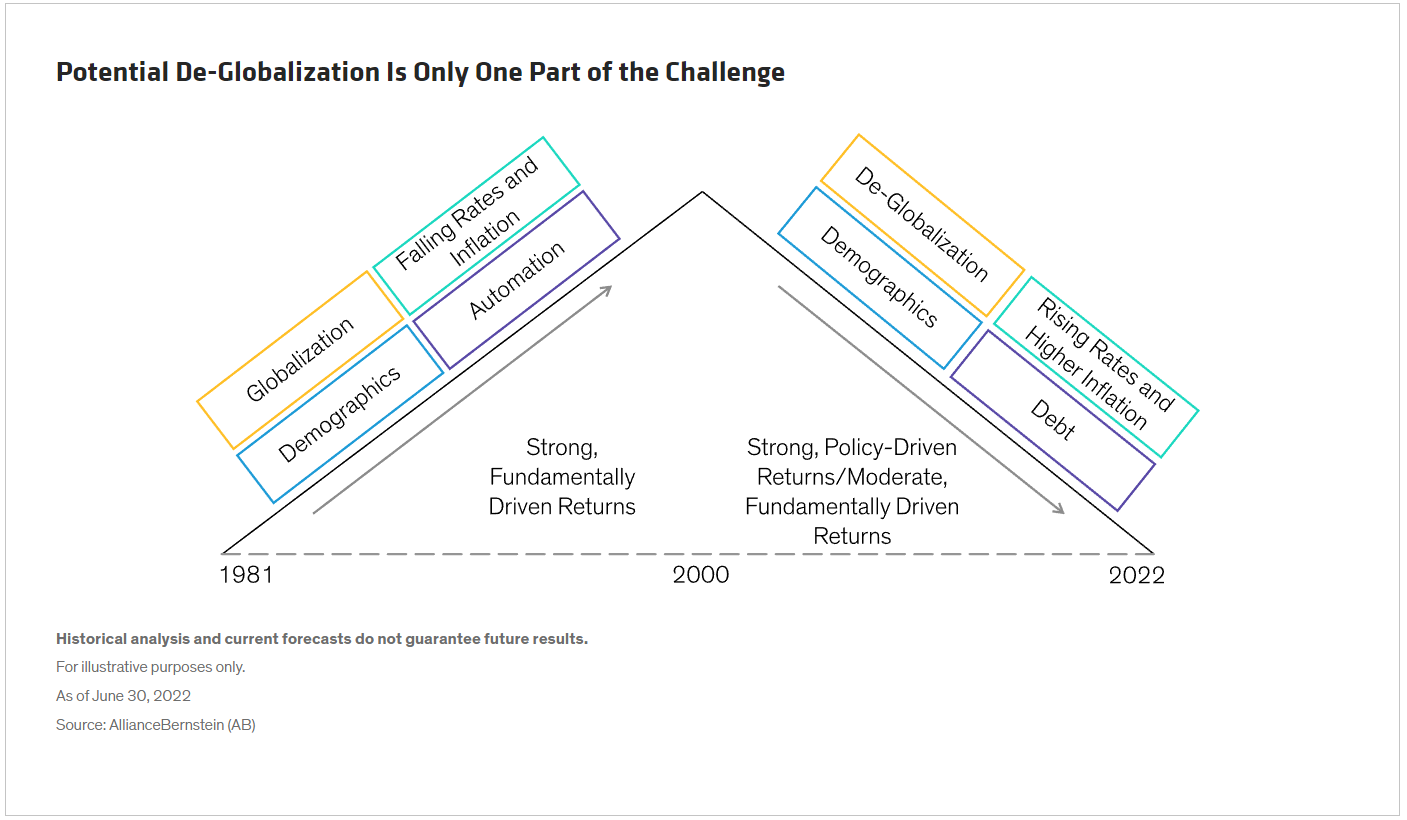
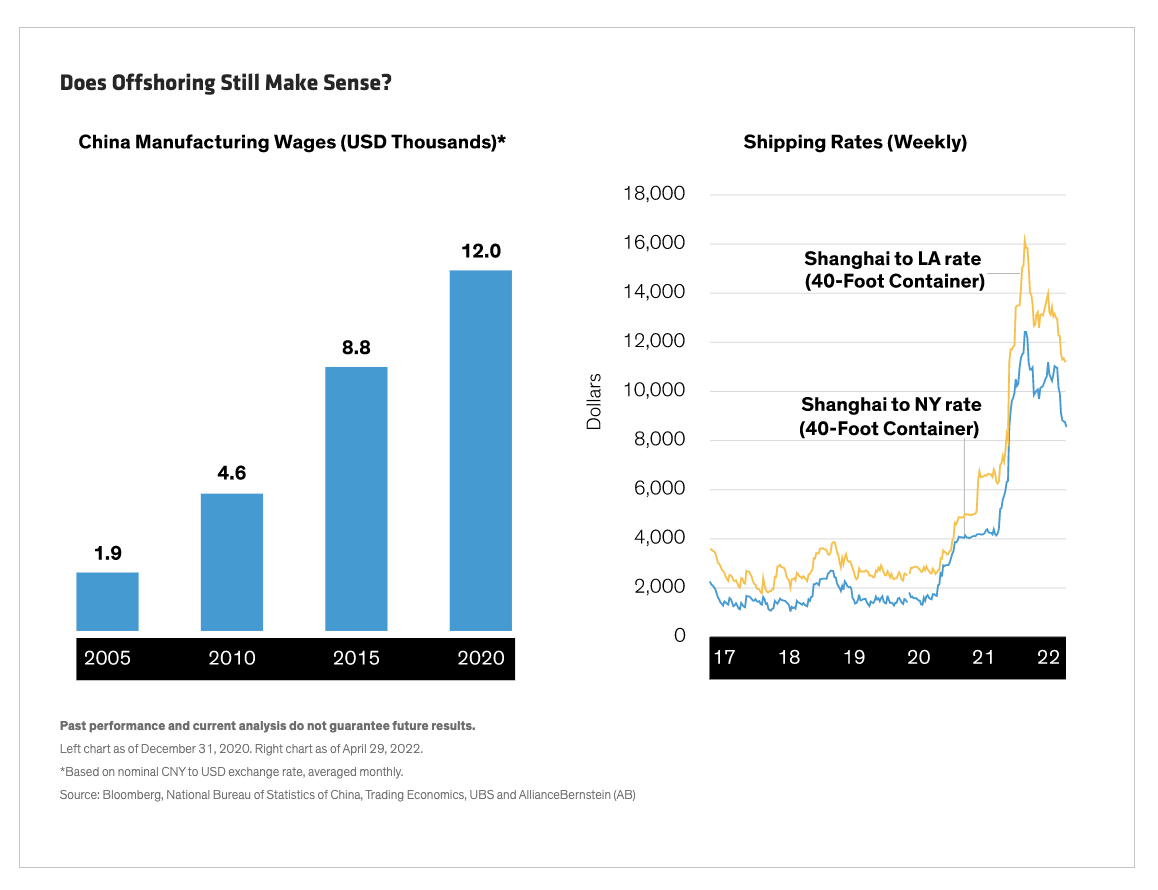
For decades, globalization has been on an inexorable rise, a key pillar fueling economic growth, driving inflation and yields down, bolstering corporate profit margins and supporting an upward climb in market valuations. Over the past few years, though, cracks have started to develop in globalization, as populism has seen a resurgence and trade wars have erupted.
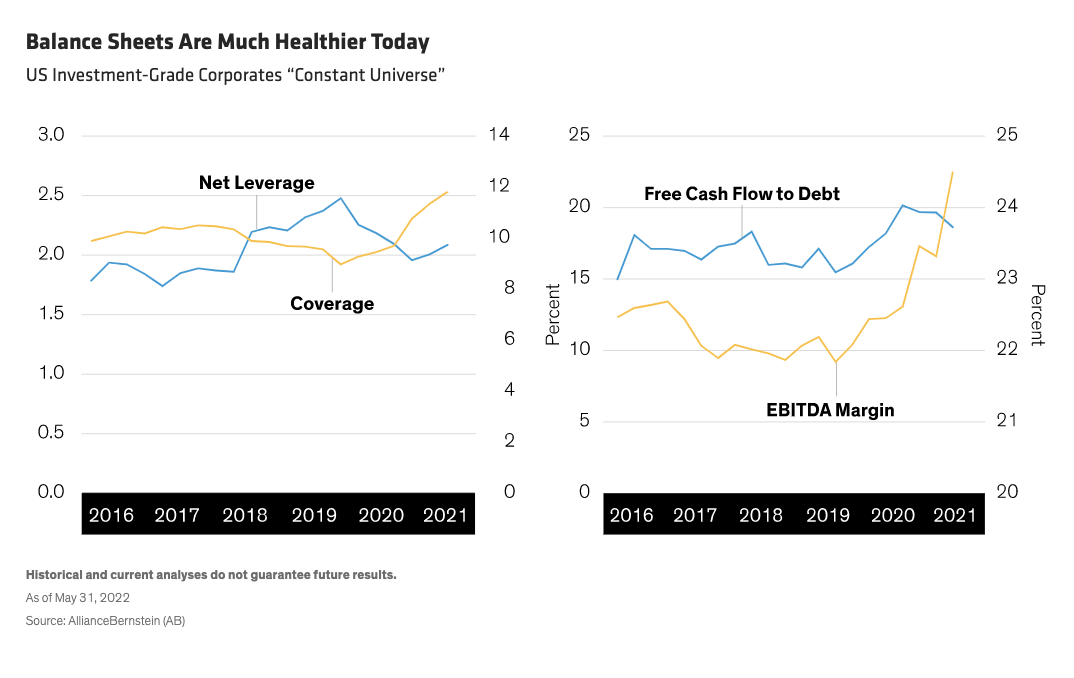
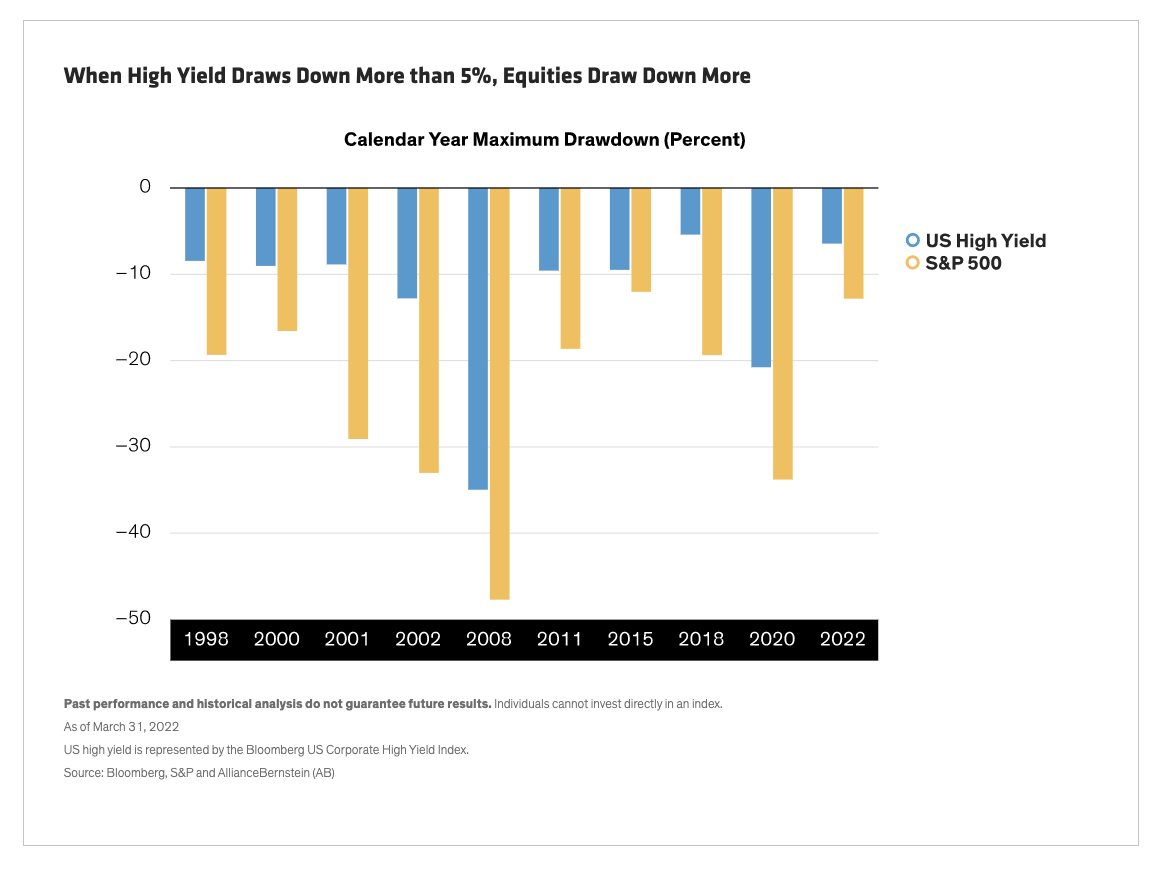
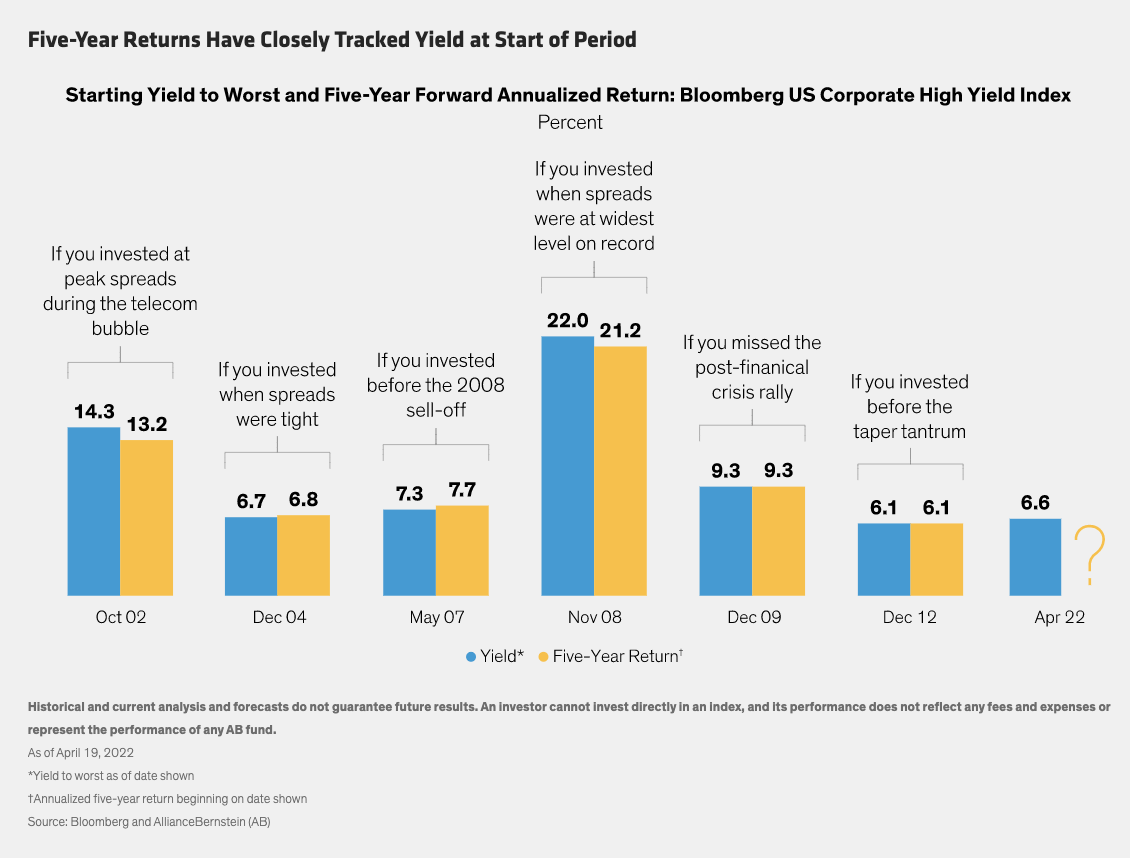
With central banks tightening aggressively to beat down inflation, growth is beginning to slow—and the risk of recession is ticking higher. Historically, creditworthiness has soured when growth slows. But instead of bracing for a wave of downgrades and defaults, we think income-seeking investors should embrace the high-yield corporate bond sector.
Equity investors are anxious about the future after sharp market declines in the first half of 2022.
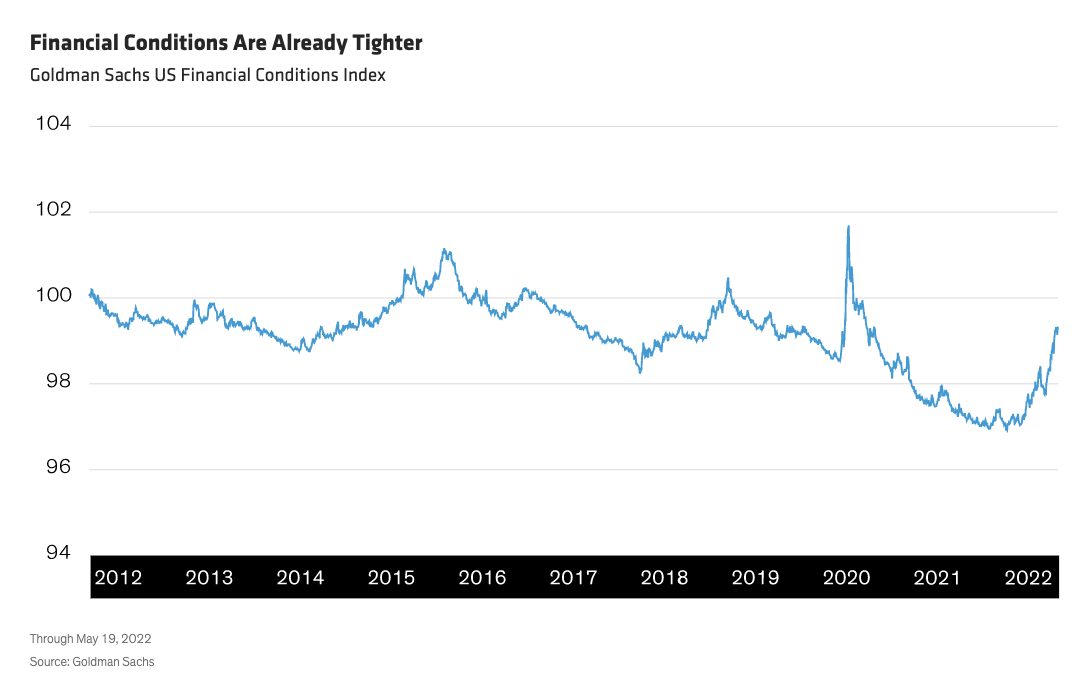
Spiking inflation, rising interest rates and growing fears of a US recession dominated global equity markets in the second quarter. While the outlook is very cloudy, it’s important to evaluate what types of strategies can help investors in an economic downturn.
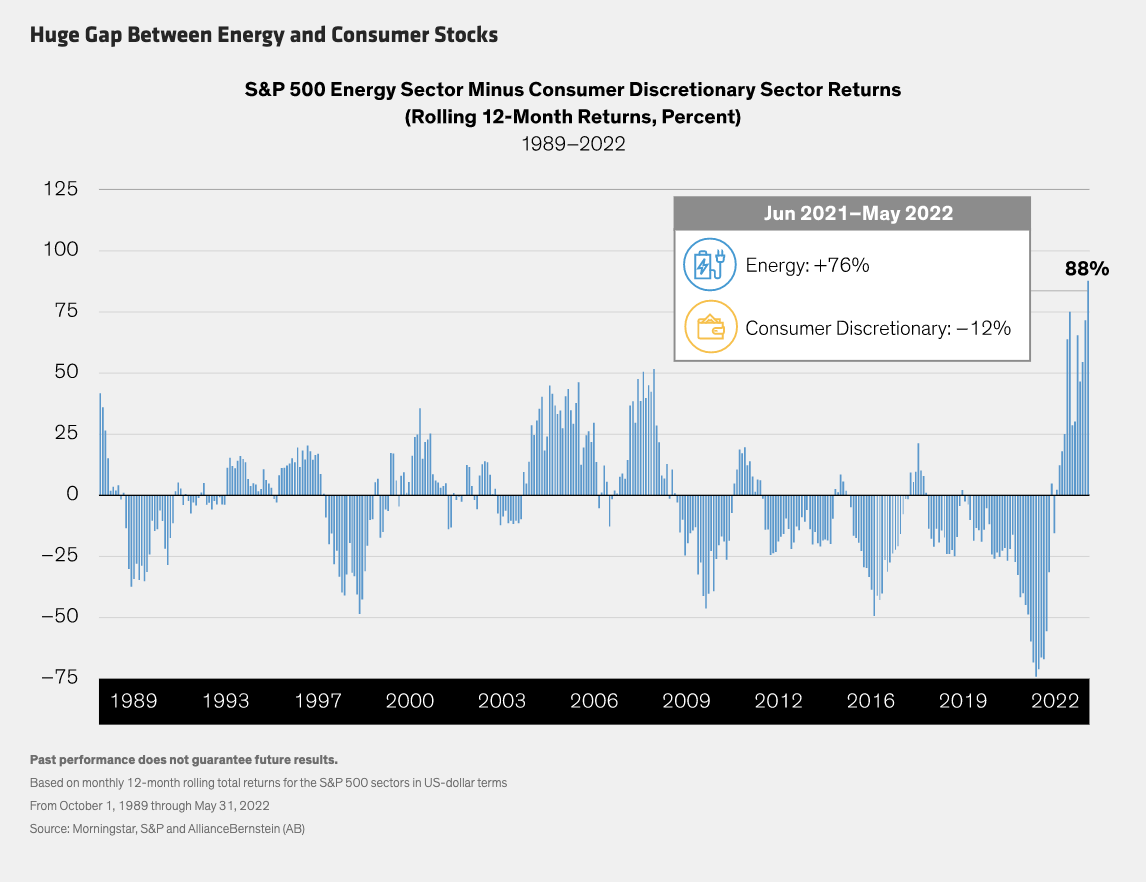
US energy stocks are outperforming consumer discretionary stocks by the widest margin in more than 30 years. Does this mean surging energy prices will trigger a deep freeze in consumer spending?
Lifetime income solutions are high on the wish lists of defined contribution (DC) plan participants, with the certainty of a guaranteed lifetime income stream ranking as the top feature in our surveys over the past decade.
Have COVID-19 and geopolitics hastened the decline of globalization and other tailwinds that drove an era of exceptional returns? That's the question on the agenda in the next installment of the Disruptor SeriesSM from AllianceBernstein. Our experts tackle the big issues facing capital markets and look closer at the challenges to a powerful mix-including globalization, automation and demographics-that fueled profits and drove capital markets for decades.
Market headlines in 2022 have been dominated by inflation, tightening monetary policy, ongoing volatility and the Russia-Ukraine conflict. To get ahead of client concerns, financial advisors need to develop creative ways to turn difficult conversations into opportunities to build confidence. A clear and concise presentation on the capital markets can help solidify and restore lost credibility—and trust. Hear from Ken Haman, Managing Director, and Scott Tatum, CIMA, CFP, Director, as they discuss seven steps to organize a compelling capital-markets narrative.
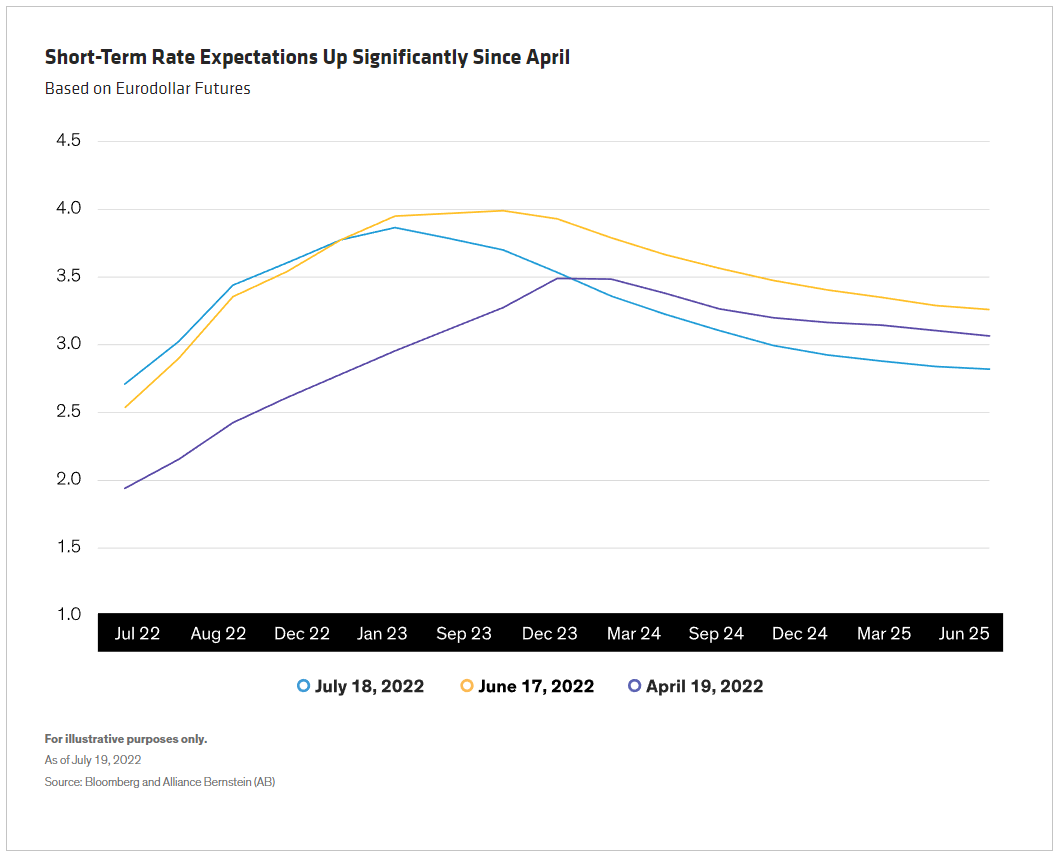
Investors are shifting their focus from runaway inflation to slowing global growth as central banks hike rates to tame price pressures.
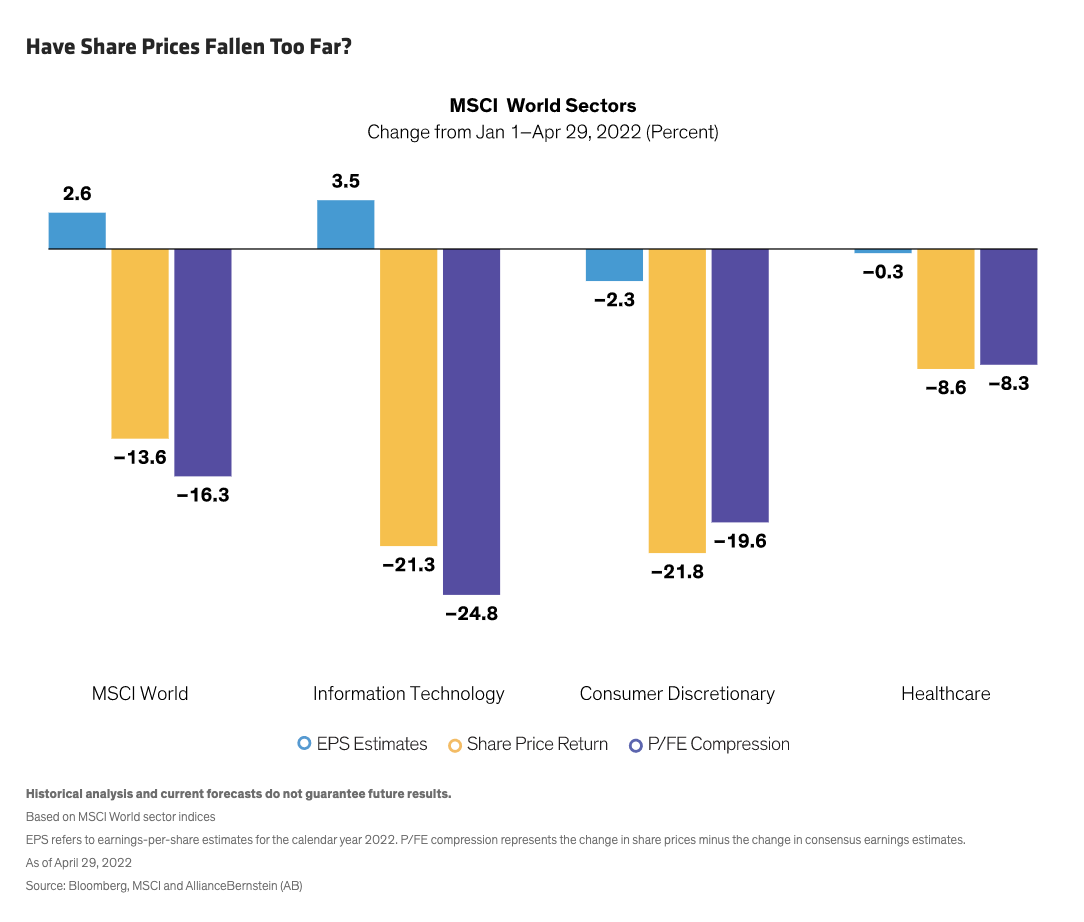
Growth stocks are under acute pressure as rising interest rates change the dynamics that drive equity valuations.
High inflation and the consequences of attempts to curb it are a top concern for today’s investors.
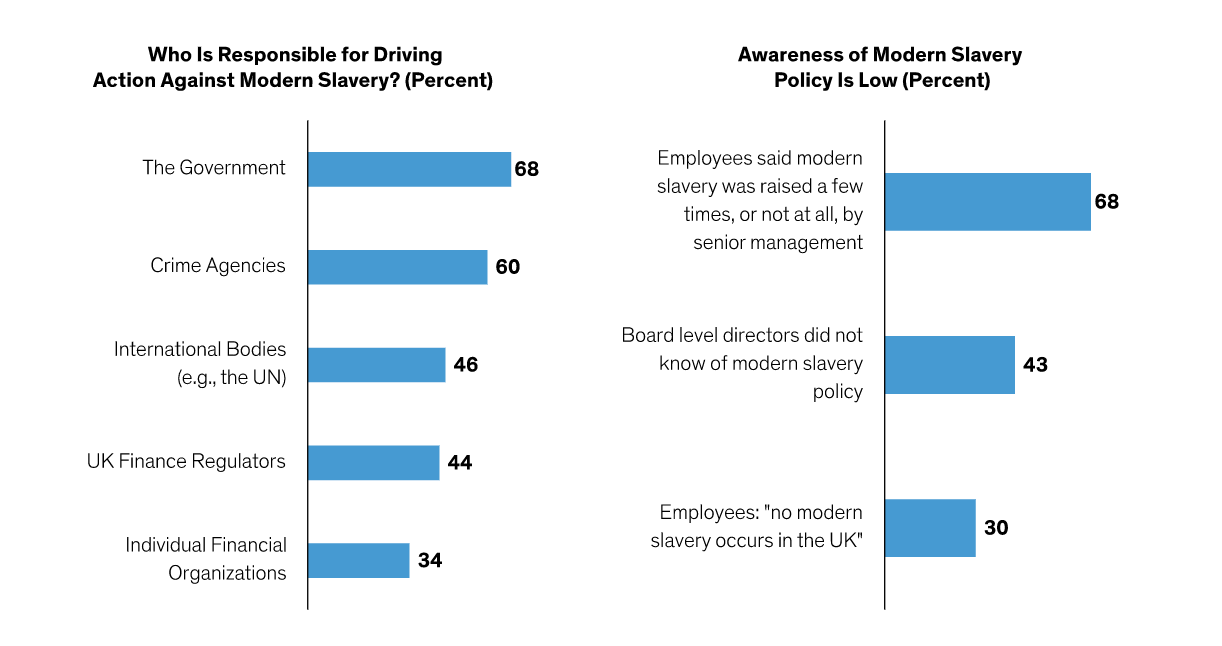
Do these statistics surprise you?
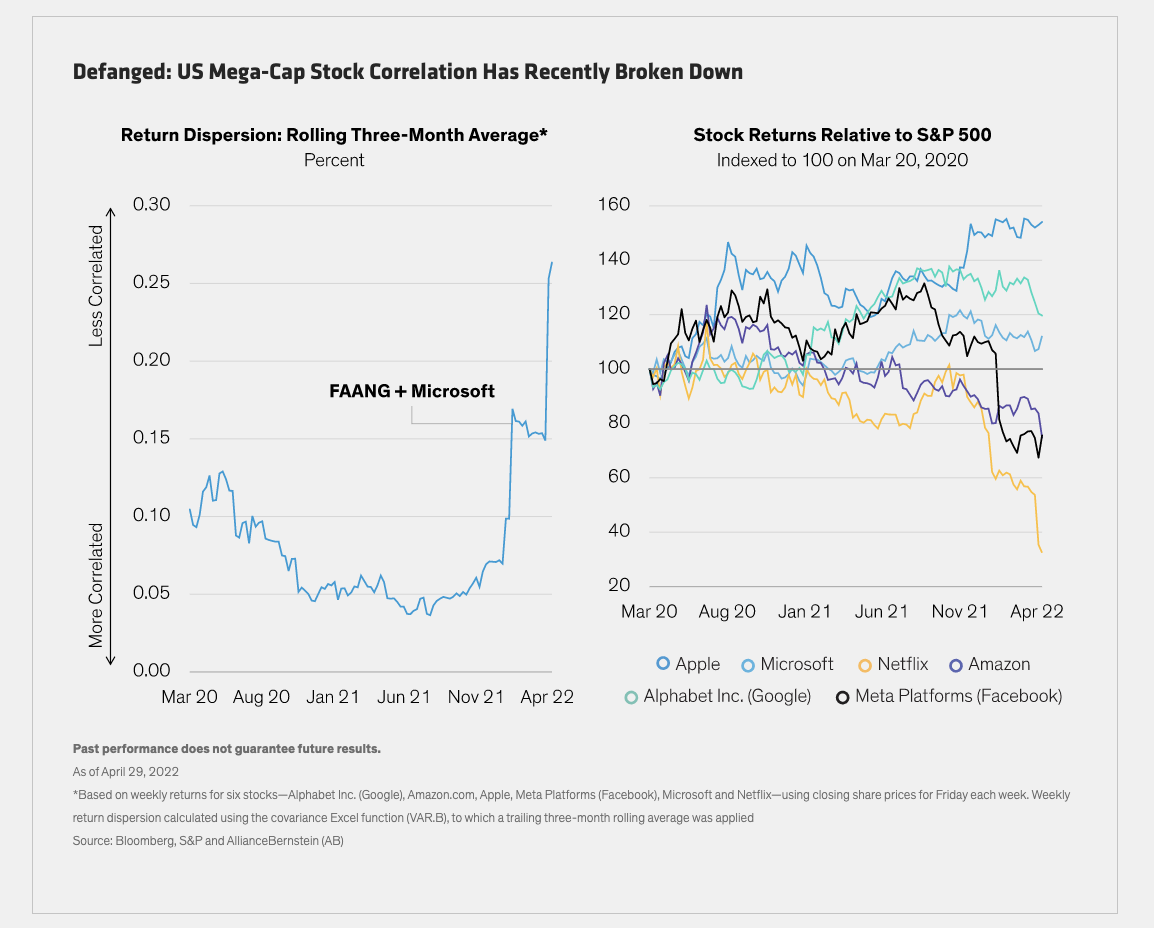
For several years, the largest US technology and new media companies were widely seen a cluster of similar stocks.
Looking for a tactical way to de-risk your portfolio? You might consider rotating a portion of your equity allocation into high-yield bonds.
Three powerful forces have unleashed a volatility storm in stock markets this year.
Modern slavery is a lucrative business that can’t exist without the financial system.
An unfriendly macro and market landscape is making life harder for investors today, with traditional core bonds coming up short on income. In our view, focusing on generating efficient income is an effective approach to tackling the challenge of mixing the key building blocks of rates, credit and growth.
With the world facing inflationary and geopolitical hurdles, economic growth is poised to slow. In this environment, investors in growth stocks must identify companies with the right features to overcome headwinds to earnings.
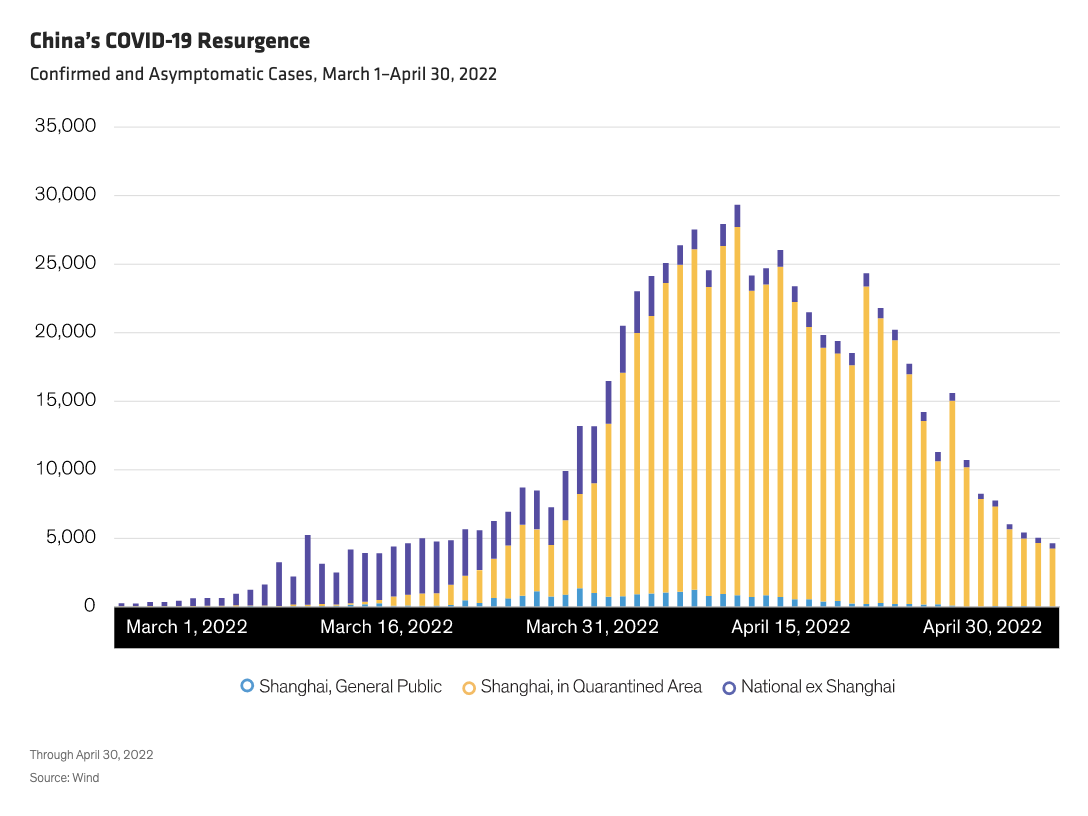
COVID-19’s resurgence in China has cast doubt over the government’s ability to meet its 2022 growth target of around 5.5%, which officials affirmed in March, before the scale of the latest outbreak became clear.
Many companies are rethinking supply chains amid disruptions from the war in Ukraine and the pandemic.
As of this writing, Russian forces are reorganizing in eastern Ukraine, and fighting is well into its second month. Supply chain disruptions continue, gas prices are reaching all-time highs, inflation has become a constant concern, and some analysts are predicting that the Fed will aggressively raise rates.
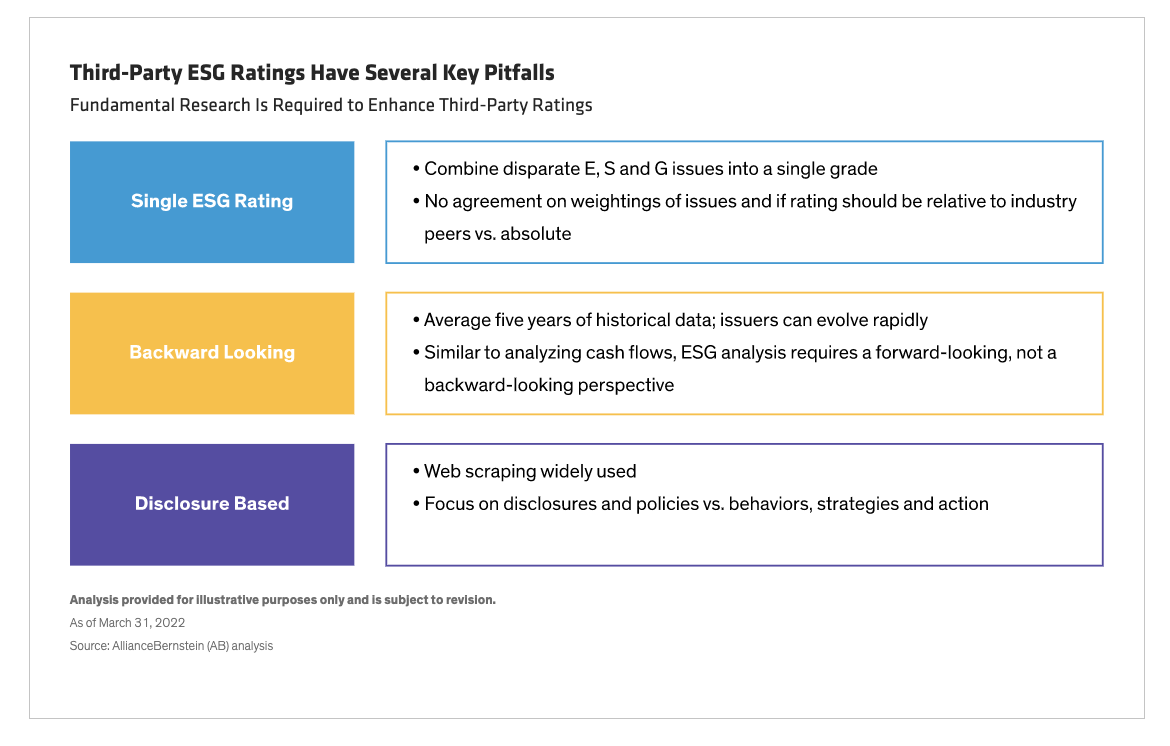
Environmental, social and governance (ESG) ratings are a popular way to search for companies that meet specific criteria in a responsible investing agenda.
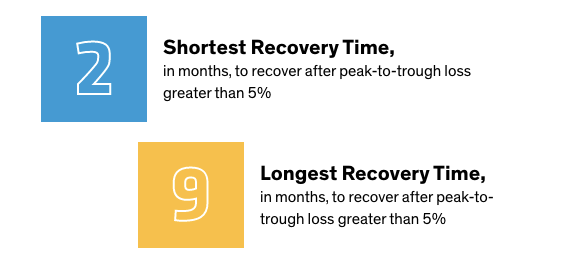
High-yield bonds have a reputation for volatility.
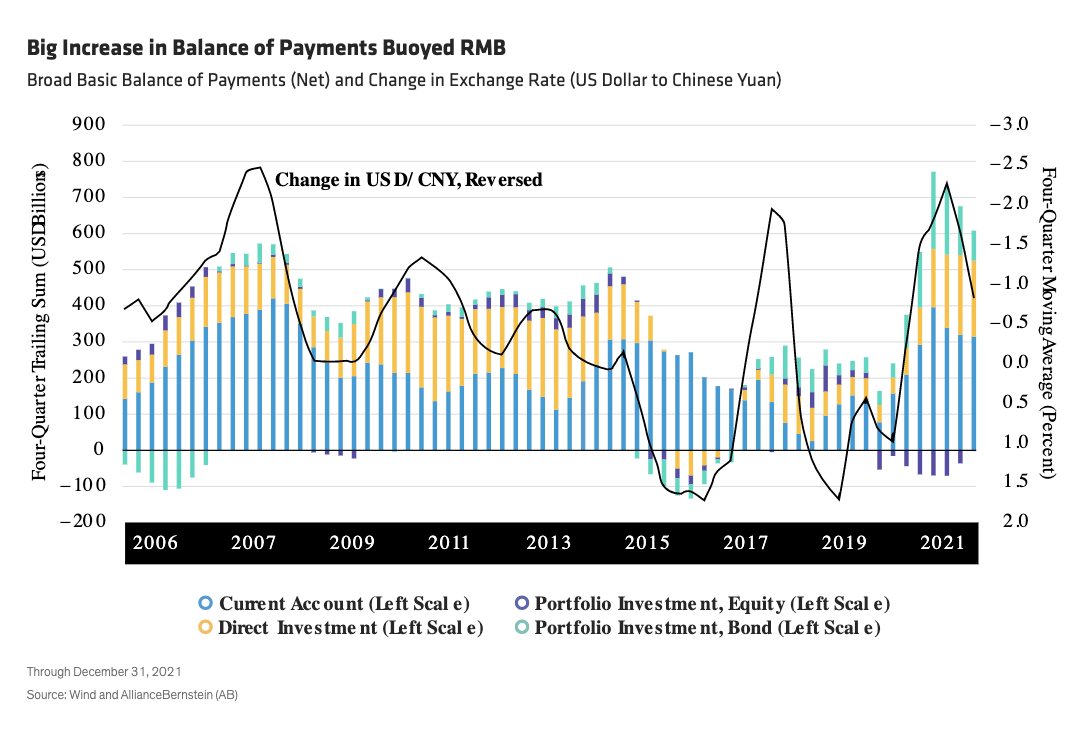
China’s currency, the renminbi (RMB), remains strong even though many of the factors that have driven its performance over the last two years have weakened.
Supply-chain disruptions are testing companies around the world.
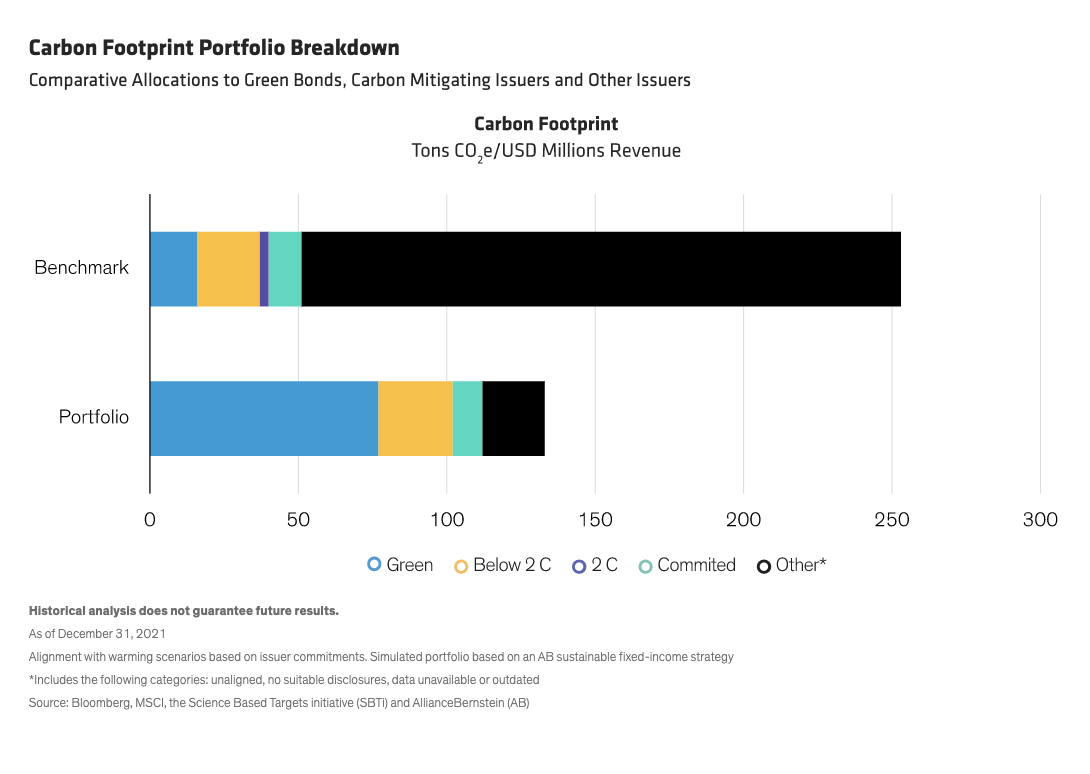
Transitioning to a net-zero carbon economy* is vitally important, and corporate bonds will play a critical role in the transition.
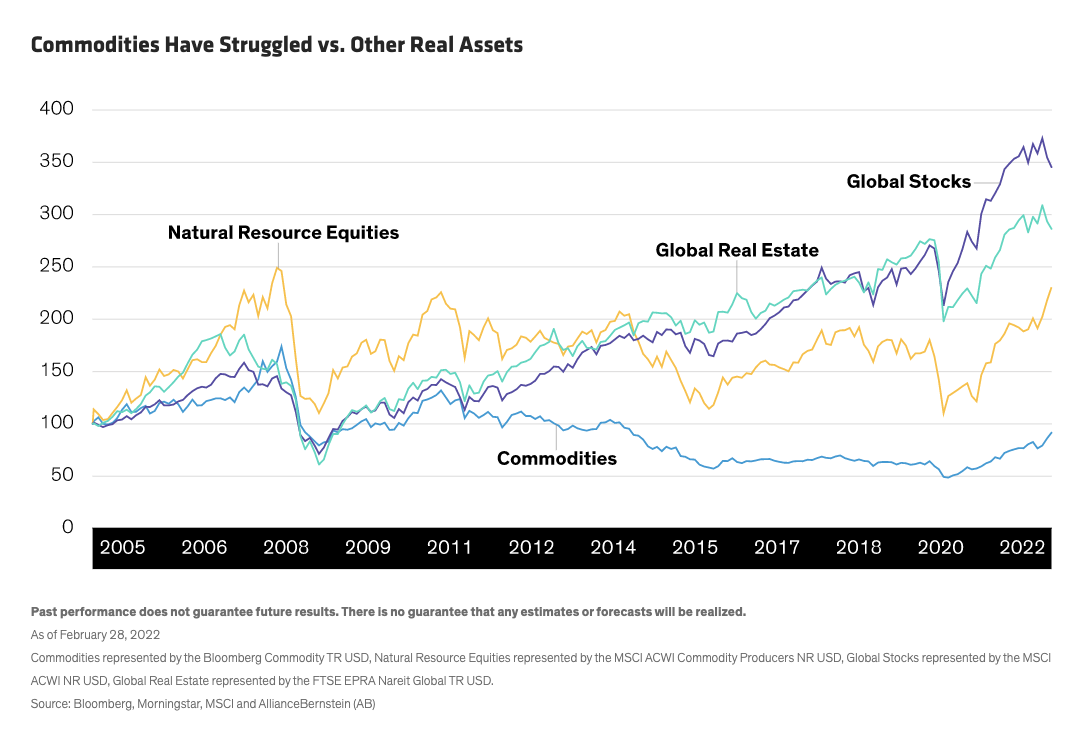
The highest inflation in 40 years has spurred more investors to search for assets that can help offset its bite.
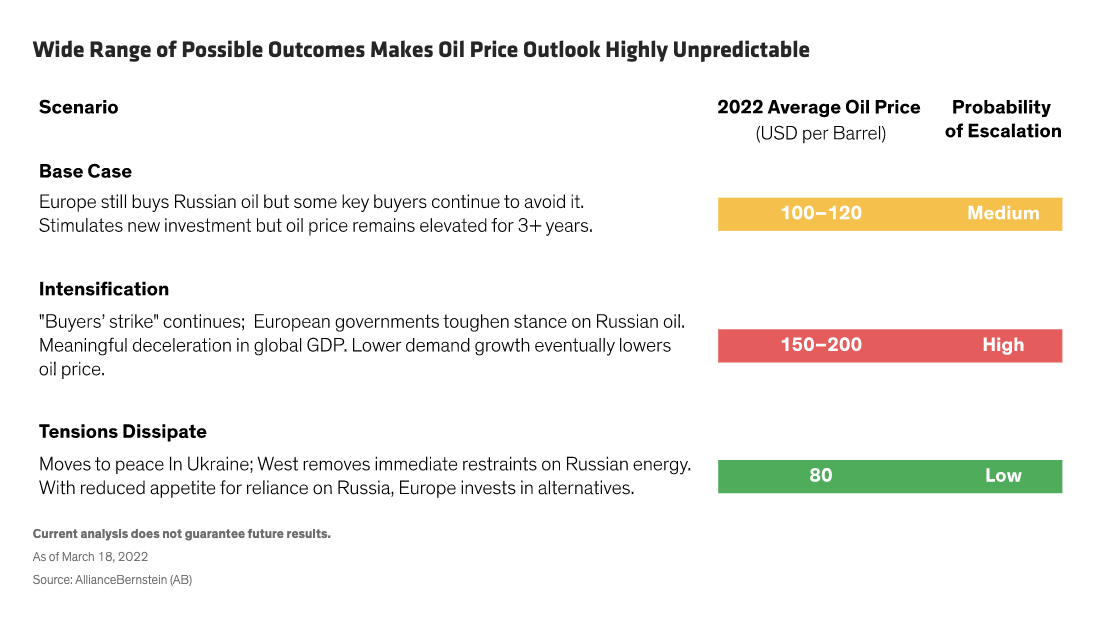
Russia’s power on the world stage is supported by its vast reserves of oil and gas.
How can investors gain confidence that an equity portfolio is invested in companies that are really helping to address climate risk? Focus on a company’s carbon handprint, which measures the positive impact, or carbon avoided, by using its products.
Dormant for many years, inflation has returned with a vengeance—fed by pandemic-related challenges and easy-money policies. Inflation may end up as a temporary condition or a longer-lasting issue, but in either case it’s top of mind for many investors today. Hear from AB experts as they tackle inflation in the inaugural edition of the Disruptor Series by AllianceBernstein.
European markets have been turbulent because of the region’s proximity to the war in Ukraine and economic links with Russia.
When I meet with a financial advisor in her office, I look around and think, “What do the displayed items tell me about you? Who or what is in the pictures, and why do they matter?”
At its March 10 meeting, the European Central Bank (ECB) surprised the market by announcing an acceleration of its tapering program—wrapping up securities purchases earlier than anticipated.
European investors are struggling to understand new rules designed to confirm the environmental, social and governance (ESG) credentials of portfolios.
When Russian president Vladimir Putin sent troops into Ukraine, he unraveled decades of efforts to cement peace in Europe after the Cold War.
What happens when you combine the tipping point of two deflationary forces—globalization and demographics—with a pandemic, epic supply-chain disruptions and an invasion in Europe? Inflation of a magnitude not seen since the 1970s. Some of the contributing factors may be transitory, but not all, and lingering inflation is likely to be higher than before. How should bond investors adapt?
Russia’s invasion of Ukraine has shocked the global economy, in particular by fueling further spikes in energy and commodity prices. The new inflationary catalysts will have differing effects on monetary policy moves because regional economies are starting from different places, which will determine their ability to withstand higher commodity prices.
More securities labeled as environmental, social and governance (ESG) bonds are being issued by a wider variety of companies than ever before.