A burst of activity in Bitcoin derivatives has evoked memories of the period in late 2021 when the token surged to an all-time high.
The savage sell-off that hit Treasuries in prior months was driven by concerns a buyers’ strike had hit the $26 trillion bond market. It’s now confirmed: at least one set of investors headed for the exits back in September.
For the past decade, South Florida’s politicians and development officials have fanned dreams — which long felt like delusions — of the region reinventing itself as some sort of “Wall Street South.”
The Treasury Department’s top domestic finance official said the US government debt market has functioned well during a year of outsized interest-rate volatility, a regional banking crisis and the recent hack of the world’s largest bank.
Investors should offload risky assets after recent gains as technical and macroeconomic headwinds are building, according to Bank of America Corp.’s Michael Hartnett.
Now that there’s a growing consensus that the Federal Reserve is done raising interest rates — a shift I predicted last month — it’s time to ponder when policymakers will consider cutting rates and by how much.
A charismatic entrepreneur pulls in wealthy investors to amass a portfolio of some of the finest prime real estate. Banks and bondholders are persuaded to provide the leverage. What could possibly go wrong?
At first blush, a record $100 billion flood into actively managed exchange-traded funds this year raises a tantalizing prospect: A revival of stock picking even as only Big Tech names outperform the market. Yet, a look under the hood of popular ETFs shows the boom is almost entirely taking place in passive-looking trades.
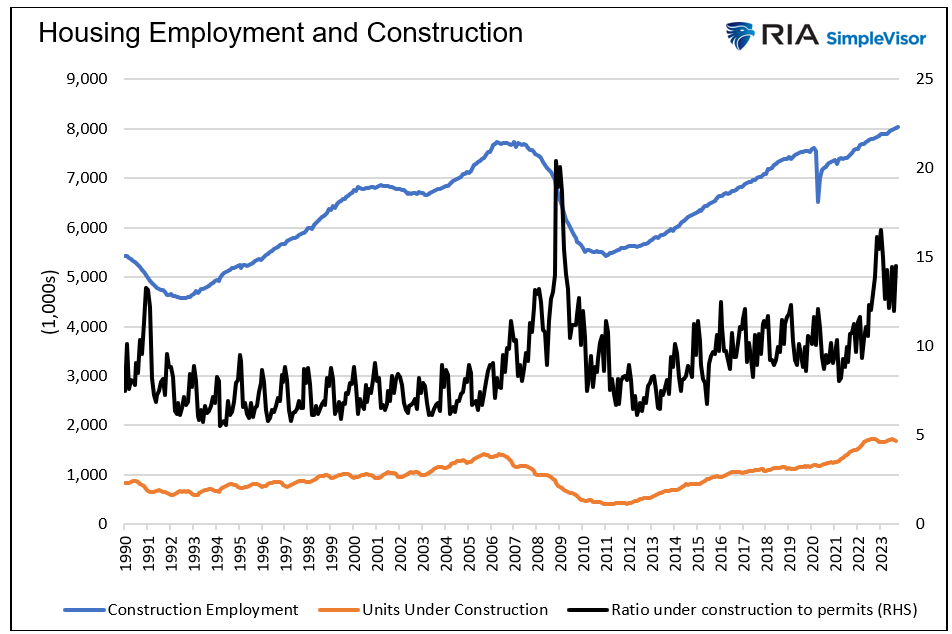
New US home construction unexpectedly picked up in October, indicating builders continue to benefit from a limited supply in the resale market.
Investors were given plenty of opportunities to fret about the outlook for technology giants this earnings season. Instead, they doubled down on a strategy that has worked all year: piling into the biggest stocks
Inflation is edging back toward pre-pandemic rates in the US, but rent inflation still has a long way to go. To put it into numbers, the all-items consumer price index was just 3.2% higher in October than a year earlier, but the rent of primary residence index was up 7.2%.
The market for US Treasury securities is arguably the world’s most important: a haven for investors in turbulent times, and a benchmark for virtually all other assets.
Just a week after Brazil’s Nu Holdings Ltd announced a yield of 15% on its high-yield savings accounts in Mexico, Argentina’s Ualá is raising its own by three percentage points to 15%.
Bitcoin was in sight of $38,000, a level last seen in May 2022, amid an ongoing rally spurred by expectations of fresh demand for the token from exchange-traded funds.
The S&P 500 Index will keep rallying next year and should come close to its record high hit in early 2022, say strategists at Goldman Sachs Group Inc., becoming the latest Wall Street bank to come out with a bullish call.
Because each side has their own agenda, selling has devolved into a game where the truth is often held back, and trust is difficult to establish.
The labor market is undoubtedly deteriorating and sending signals that have been historically valuable warnings that a recession is coming.
Can a single self-published paper really refute decades of work by three famous economists? If the paper is the modestly titled “Income Inequality in the United States: Using Tax Data to Measure Long-Term Trends,” then the answer — with qualifications — is yes.
On Wall Street, there’s always a lot of excitement around the latest inflation report. Tuesday’s better-than-expected number was an extreme example — bond yields plummeted and stocks surged.
With its $33.7 trillion debt and trillion-dollar budget deficit, the US’s deteriorating fiscal situation is impossible to ignore. To simply balance the budget, a 29% across-the-board cut in spending would be necessary, even if the tax cuts enacted by the Trump administration are allowed to expire at the end of 2025.
Professional traders entered November wagering Jerome Powell’s campaign to tame inflation was a long way from being won. Now they’re being forced into risky bets that the battle is over.
How do I instill strong management skills in my next-level management team?
For Meta Platforms Inc. bulls, the biggest one-day stock wipeout in history is a fading sight in the rear-view mirror.
It’s true – first impressions are everything, and when it comes to your website, they happen in a flash.
A normal day for markets became something extraordinary after a hotly anticipated report on US inflation gave traders the greenlight to declare that the Federal Reserve’s most aggressive interest-rate hiking cycle in decades is over.
A client-centric approach, focused on empowering prospects and clients rather than directing them, is more persuasive and will lead to a more productive, meaningful relationship.
Is your firm specialized enough?
Fiduciary duties are either unneeded or harmful, according to the opponents of the DOL rule. In their view, the finance and insurance industries have already achieved perfection.
A cash cushion is needed not just for initial startup costs but for peace of mind as you leave your firm, move clients over and reestablish revenue.
It’s important not to gloss over this reality because a number of signs point to a continuing deterioration so long as the Federal Reserve keeps interest rates at a level that restrains the economy.
Every year, millions of Americans send their hard-earned money to life insurance companies, in return for a promise that it will grow and provide them with regular income in old age.
Some of the largest US companies face billions of dollars in additional interest costs and hits to their profit if they refinance their 2024 maturities at current rates, with a third of them lacking the cash to repay upcoming debt.
US Treasury Secretary Janet Yellen said she disagrees with Moody’s Investors Service’s shift to a negative outlook on the country’s Aaa credit rating, expressing confidence in the economy and in Treasuries as a safe asset.
The promise of artificial intelligence to rewire large swaths of the American economy supercharged tech shares for most of the year before the fever broke this fall. But investors would be remiss in thinking AI’s power to juice returns is over.
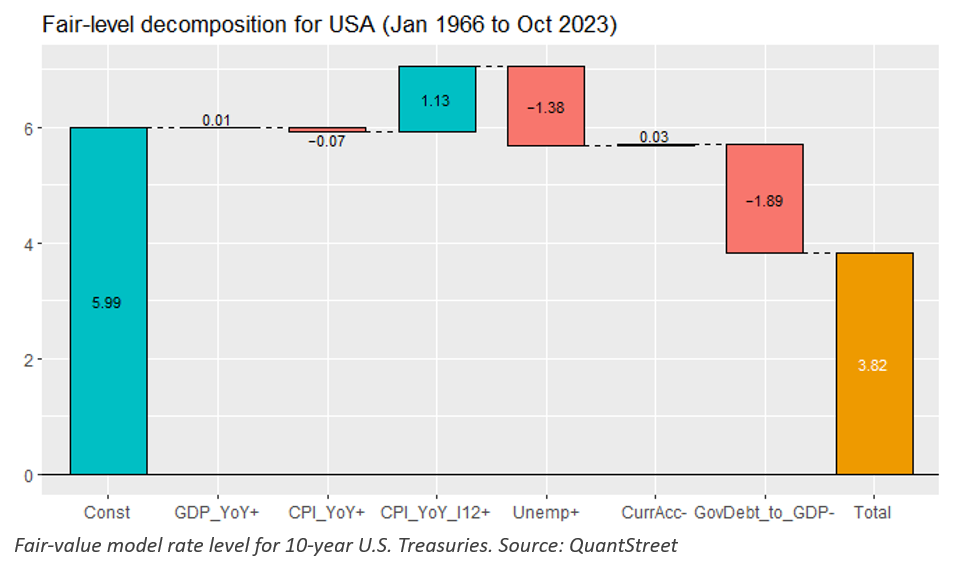
U.S. Treasury rates in the long-end of the curve are 100 basis points too high relative to a fair-value model. The risk-adjusted opportunity in long-dated, low-coupon Treasuries is attractive.
This article provides a brief guide to the AI technologies available (it’s not just ChatGPT), their applications in wealth management, and how your firm can define specific business outcomes to achieve.
“I guarantee to make you an investment genius in six months. Send me $199, and I will reveal my secret.”
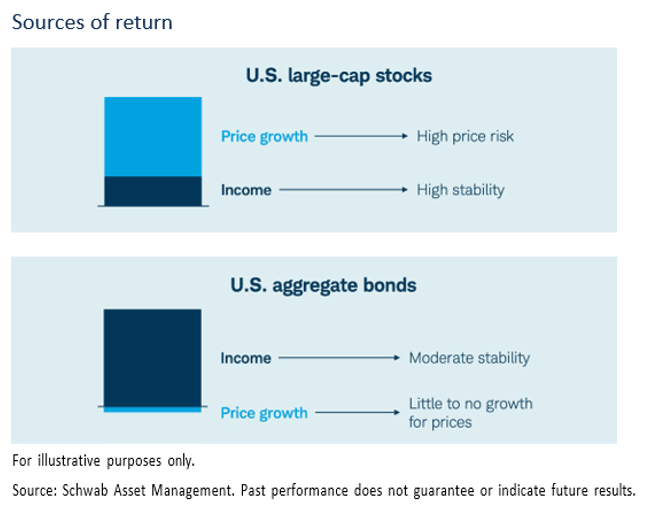
Investing for growth and investing for income shouldn’t be mutually exclusive. Learn how to build a personalized income strategy that balances immediate versus longer-term cash flow needs based on the investor’s unique situation.
Interest on our federal debt is 2% and heading towards 5%, which will crowd out other expenditures and escalate deficit spending.
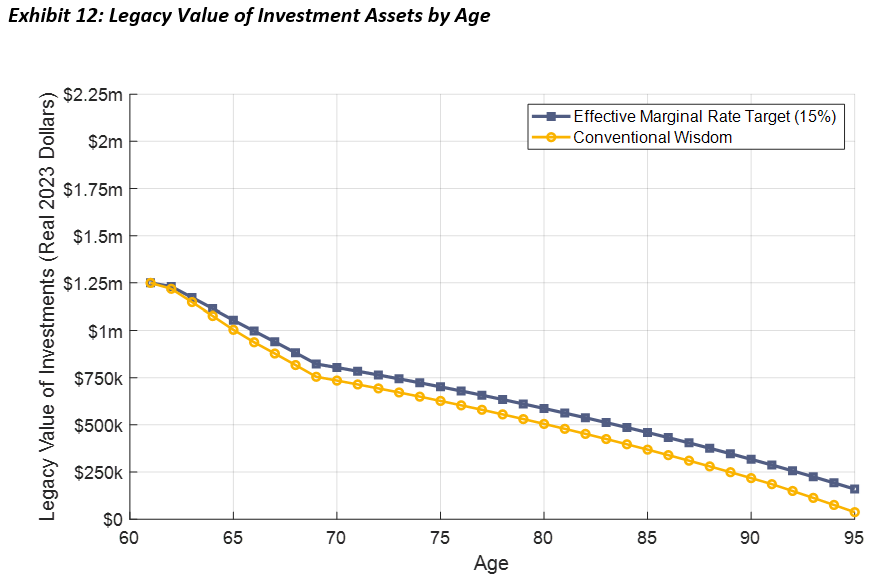
Research on tax-efficient retirement distribution strategies aims to sequence withdrawals from taxable, tax-deferred, and tax-exempt accounts to maximize after-tax spending. That can be either in terms of meeting an after-tax spending goal for as long as possible or preserving the most after-tax legacy after meeting spending needs over a specified timeframe.
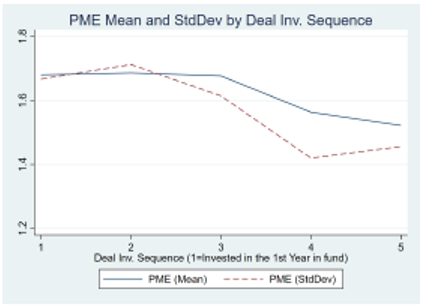
Private equity (PE) has become a staple of institutional portfolios, but its performance has often been disappointing. New research shows that the levels of specialization and portfolio diversification should be important considerations when selecting a manager to implement a PE strategy.
As it turns out, the big economic story of 2023 is not a recession, as many had predicted — it’s the disconnect between consumer sentiment and behavior.
Where is the line between selling a financial product and providing investment advice? That question is at the heart of a debate over a new proposal that aims to protect Americans’ retirement savings.
Morgan Stanley’s strategists see US stocks and bonds outperforming their emerging markets peers next year, according to a note to clients.
Emerging-market borrowers are piling back into global bond markets, selling about $20 billion in dollar notes in just a few days, all too aware that the window of opportunity may snap shut as suddenly as it opened.
Worries about an economic downturn aren’t enough to dissuade market participants from being bullish on risky debt as their top contrarian trade, according to the latest Bloomberg Markets Live Pulse survey.
Here are tips for handling prospect objections and how every advisor can improve client meetings.
A push by US regulators to rein in the Federal Home Loan Banks risks casting broad ripples through the US financial system, increasing costs to banks by pulling a major force from the nation’s funding markets.
Wall Street’s so-called Magnificent Seven has been living up to its name again, but none more so than Microsoft Corp.
Individual investors who had been behind the stock market rally this year pulled more money from US equities in October than they have in any month over the past two years.