Order has been restored to the world for bearish traders, with their favorite targets under pressure again after surging during the recent equity rally.
In the Federal Reserve’s quiet period before its officials meet to decide their final actions this year, Wall Street watchers are filling the void, loudly warning that next year’s outlook for the US economy and stocks is grim.
All the talk lately about the size of the national debt is obscuring the real problem: The US government made the wrong bet on interest rates, and that will cost taxpayers for years to come.
A yield curve inversion, when rates for two-year US Treasury notes rise above those for 10-year notes, has preceded every recession since the 1960s. The first clear inversion in 15 years happened in July 2022, although there were brief and shallow inversions in August 2019 and April 2022.
Banker Bob Diamond was forced to pull the ripcord this week on his attempt to take stablecoin issuer Circle Internet Financial public via a special purpose acquisition company.
European Union and US officials committed in principle to resolving a dispute over electric-vehicle incentives that threatens to spark a trade war, without Washington making specific concessions and time running short.
This nonsense is non-existent in the RIA model.
The following is a story about a company that’s become wildly successful by having an intense focus on consumers’ needs and behavior.
Oil fell the most in more than two weeks as broader equity markets collapsed and risk-averse investors pared crude positions ahead of the end of the year.
Emerging-market central banks face a Catch-22 where plunging economic growth means they can’t keep monetary conditions tight, but elevated inflation doesn’t allow them to halt rate hikes either.
James McHugh isn’t afraid of a little risk. The trouble this year has been knowing where to find it. Crypto burned him. Meme stocks are stuck in the pits. So McHugh, a 36-year-old who works in Houston’s oil and gas industry, has been getting his fix in a corner of the market retail investors typically overlook — junk debt.
Nobody is immune to fraud, and sometimes people simply fall for scams due to the psychological techniques employed by fraudsters. Often, especially this time of year, their strategies are meant to take advantage of our desire to give.
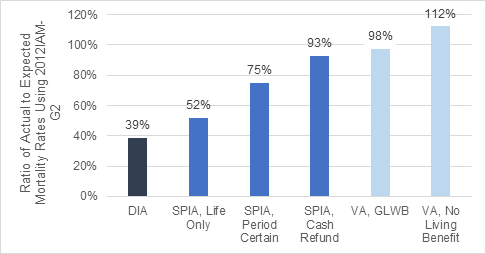
I explore some of the factors driving the superiority of PLIBs, in particular lapsation, mortality experience differences, accessing the equity risk premium, and the marginal role of annuities as part of a retirement strategy.
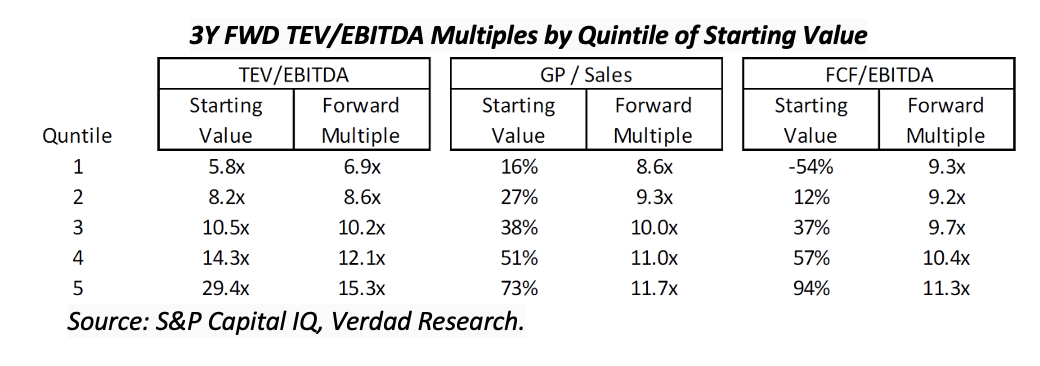
New research reveals that stock prices revert to a predictable P/E multiple, which is a function of growth and profitability. It also shows why growth stocks, while more profitable than value stocks, earn lower returns.
Let’s look at the powerful feature set an advisory firm could put together from a collection of the higher-rated, low-market-share programs and solutions that I’ve collected from past surveys, many of which you may not even be aware of.
Most advisors – from lifestyle advisors to the leaders of larger firms – have failed to create their desired level of success because they fail to invest in the asset with the greatest return.
Reports of the death of globalization are looking greatly exaggerated.
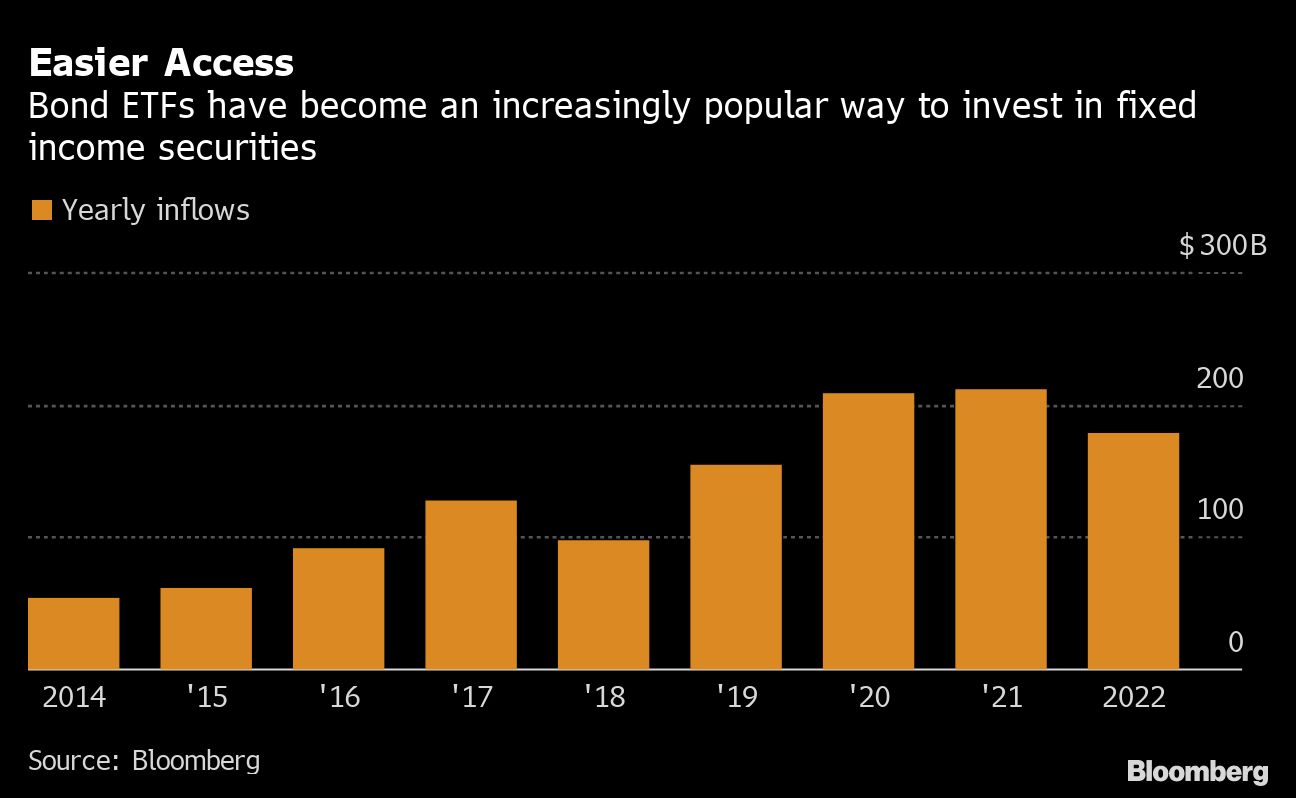
Wall Street is finding a reason to keep plowing into the bond market, even with a Federal Reserve that’s still far from declaring victory in its war against inflation.
While the crypto horror show rages on, stocks have quietly rallied almost 10% in the last month amid cautious optimism that the worst of the inflation shock is over. But might it be a head-fake?
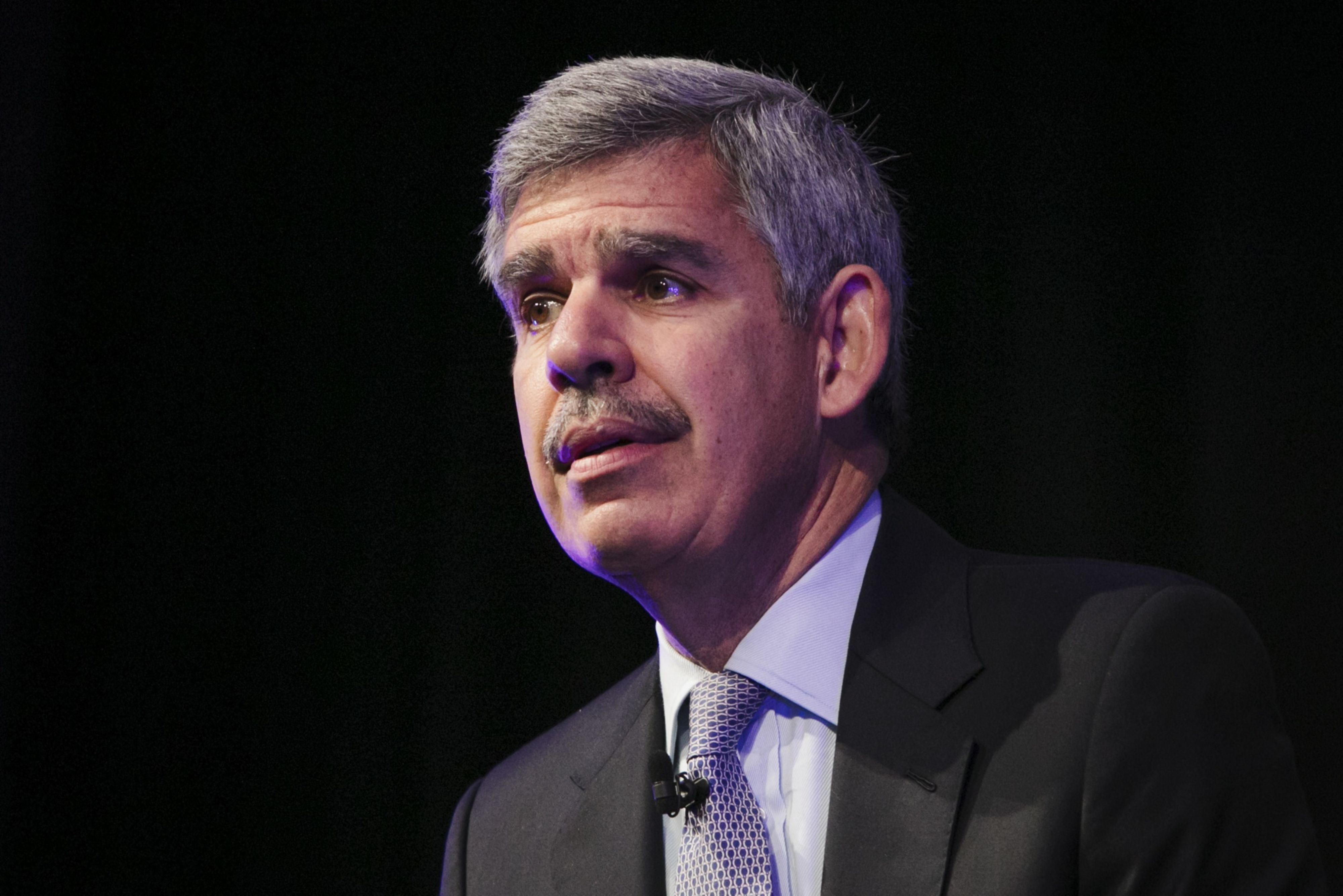
Mohamed El-Erian sees the rollercoaster ride in financial markets, with Friday’s surprisingly strong US jobs report producing the latest drop, as another lesson for Chairman Jerome Powell and his Federal Reserve colleagues.
Pain is deepening across the US real estate industry. Two of the biggest players — Blackstone Inc. and Wells Fargo & Co. — took steps this week to contend with weaker demand as the industry faces a rapidly cooling property market, rising interest rates and waning investor appetite.
After months of planning and negotiations, the biggest tranche of sanctions on Russian oil to date are about to take effect -- how big their impact will remain uncertain.
Federal Reserve officials have enough worrisome inflation data to consider raising interest rates to a higher peak than investors expect and potentially follow the half-point hike they’ve signaled this month with the same again in February.
Like stuck card players trying to win it all back in one hand, equity bulls are dialing up risk appetites at the tail-end of a brutal year.
Analysts and investors are struggling to call a bottom in crypto stocks in the wake of a brutal month that ended with the head of BlackRock Inc. saying most digital-asset firms won’t survive.
Federal Reserve Bank of Richmond President Thomas Barkin said the US economy may be entering a period where labor supply is constrained for a long time, which could keep upward pressure on inflation and require firms to spend more to attract and keep their workforce.
Meta Platforms Inc. is urging policymakers to hold off on creating new rules governing the metaverse.
Considering what General Motors is saying about its electric vehicles, the company seems to view the Inflation Reduction Act that President Joe Biden signed into law in August as a sort of put that protects the big investments it’s making in battery and EV production.
This should be the time when forward-thinking bosses can launch a takeover without having to fight a counterbid from a private equity firm, and hopefully end up paying a sensible price.
The latest US jobs report doused nascent optimism that the American economy was weakening enough to warrant a go-slower approach by the Federal Reserve in its battle against inflation.
Making apartment buildings more energy efficient can mean a massive cost to replace carbon-powered heating and cooling systems — something that’s pretty much out of reach for lower-income communities.
One bad year in the stock market has turned Wall Street strategists into bears after two decades of bullishness.
On Wednesday, Federal Reserve Chair Jerome Powell explained the central bank’s current thinking on inflation in a speech at the Brookings Institution.
The asset management unit of BNP Paribas SA is stripping Europe’s top ESG designation from $16 billion worth of funds, adding to a tidal wave of reclassifications that the industry is blaming on unclear rules amid growing signs of anger from investors.
Tesla Inc. handed over the first of its electric Semi trucks, a milestone for the automaker more than five years after it unveiled the vehicle.
US employers added more jobs than forecast and wages surged by the most in nearly a year, pointing to enduring inflation pressures that boost chances of higher interest rates from the Federal Reserve.
The corporate debt market is still doing its part to keep America out of a recession.
Now I know why people ignore my warnings about those who claim they can predict the markets.
A would-be client’s journey to choosing a brand is complex. There are ample opportunities for them to be distracted.
The emotional component begins with the hunger to be a true entrepreneur coupled with the frustration that builds every time wirehouse management demonstrates just how little control their advisor employees have.
Markets surged on Wednesday after Jerome Powell, the Federal Reserve chair, indicated that the world’s most powerful central bank would slow the pace of rate increases this month.
Exchange-traded fund investors took Wednesday’s stock-market surge as an opportunity to offload $8 billion of holdings in two of the biggest equity funds.
The Biden administration’s student loan forgiveness plan remains stalled, after the 5th US Circuit Court of Appeals refused to lift an order blocking the sweeping program.
There's a new twist in the fast-moving housing market with welcome news for renters: After an 18-month period of red-hot rent growth, the apartment market has turned ice cold over the past few months.
As president of the Federal Reserve Bank of New York and vice chair of the policy-setting Federal Open Market Committee, John Williams is perhaps the second-most influential US central banker behind Fed Chair Jerome Powell.
Ethical debt deals are set to become the majority in Europe’s market for corporate loans for the first time next year.
How can advisors turn their clients’ focus from dollars to dreams? How can making a clear connection between their real and financial lives create a meaningful client experience and add value to an advisor’s service?
The ongoing public drama surrounding Sam Bankman-Fried (SBF) and FTX is still unfolding, and there's been excellent coverage of many aspects of the story. Here's a short note on one piece of the puzzle we think is quite important, but so far has remained somewhat under the radar.
Chair Jerome Powell signaled the Federal Reserve will slow the pace of interest-rate increases next month, while stressing borrowing costs will need to keep rising and remain restrictive for some time to beat inflation.
Tesla Inc. is getting a strong show of faith from a group that Chief Executive Officer Elon Musk once blasted for doubting the company’s prospects: Wall Street analysts.