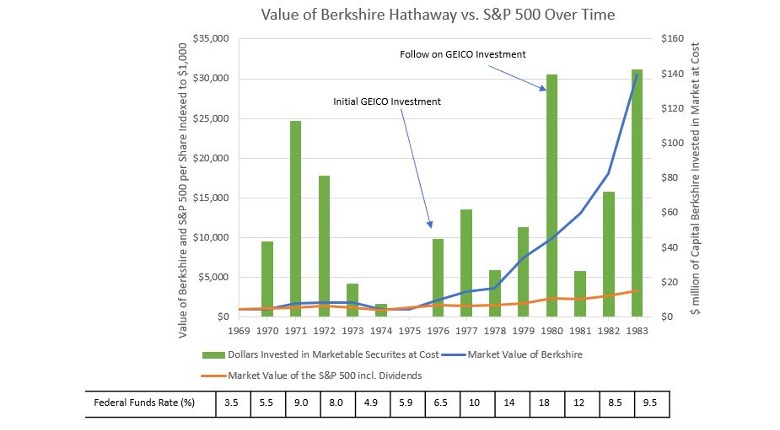
We explore what Warren Buffett did during the last period of extended inflation in the U.S., the 1970s.
Dietrich spent the previous 15+ years in senior business development roles with Morningstar and brings extensive experience in indexing and direct indexing across the asset management and wealth spaces
Here are some of my daily news sources and how they are rated for political category/factual accuracy, starting with those that are least biased and most factual.
Clients often assume that their need for life insurance ends when they stop working. I spoke with Neil Drzewiecki, the head of life products for MassMutual Life Insurance Company, about how whole-life insurance can play an important role in your client's retirement income strategy.
Assets have flowed mightily into ESG funds, and new research shows that many corporations have changed their behavior, with benefits accruing to society at large.
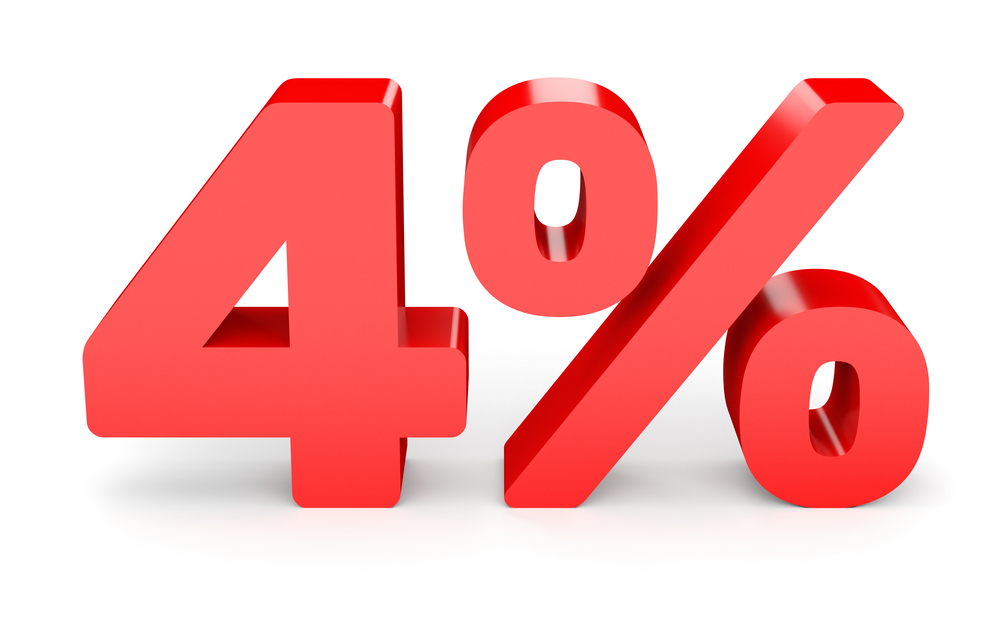
I built a 4.36% real (inflation-adjusted) systematic withdrawal portfolio using a 30-Year TIPS ladder.
Life Insurance Awareness Month just wrapped up in September. It’s a good time to dispel some common myths around this important financial product.
Is it time to move beyond I bonds?
Tesla Inc. shares fell to the lowest since June of last year after the carmaker lowered prices across its lineup in China, where competitive and economic pressures are intensifying.
After a record surge in housing costs and ballooning expenses for everything from food to energy, America’s renters have had enough.
An escalating dispute over an OPEC+ decision to cut oil production risks causing lasting damage to political relations between the US and Saudi Arabia. Wall Street seems unfazed.
To President Joe Biden’s credit, his policies didn’t cause many of the economic problems we face today.
The heated debate about how central banks should respond to high and persistent inflation has focused primarily on how high interest rates should go and how long should they stay there.
When you plan for exiting your advisory practice, start by asking three questions.
If you're an owner of an advisory practice, your firm is likely the most valuable asset you own. As such, growing and protecting and eventually monetizing the value of your advisory practice, is enormously consequential to achieving your financial independence.
Brent oil has dropped more than 30% from this year’s high, but you wouldn’t know it if you live in Paris, Mumbai or Accra.
Federal Reserve officials are preparing to roll out another super-sized interest-rate increase in early November, when they will also likely debate tactics for completing the most aggressive tightening cycle in four decades.
A year on from its blistering debut, America’s first Bitcoin futures ETF has been an almost unqualified success, unless of course you’re invested in it.
One of China’s most promising chip designers has already navigated through the Biden administration’s export restrictions and concluded it will be able to continue tapping Taiwan Semiconductor Manufacturing Co. to produce its advanced silicon.
Oil edged higher after a volatile week of trading as concerns over a global economic slowdown continued to dun the market.
The Treasury market was upended Friday by a surge in wagers that circumstances will allow Federal Reserve to slow its pace of rate increases as early as year-end.
In a week where homebuilding stocks were faced with surging US Treasury yields and data showing weakening demand for homes, one analyst is throwing in the towel on the sector.
The Internal Revenue Service is boosting how much Americans can plow into their 401(k) plans next year by a record amount amid a surge in inflation.
The battering of bonds this year from inflation and higher rates has made long-term municipal securities so cheap that investors who usually shun them may be buyers.
When a prospect shares their challenges and you show them your solution, it’s easy to assume they’ll become a paying client. That is the wrong assumption.
US politicians, business leaders and think-tank analysts seem to believe that locally made chips will fortify the nation’s technology supply chain at a time when global tensions are running hot.
Surging mortgage rates and uncertainty about the economy have put the housing market on ice.
With Elon Musk on the verge of taking over Twitter Inc. comes news that he plans to gut its workforce, with cuts of up to 75%. That should be a worry not only to the platform’s staff and users, but for those who care about the flow of information crucial to well-functioning democracies.
President Joe Biden has begun aggressively promoting his student debt relief plan with less than three weeks before midterm elections, after all but avoiding the subject on the campaign trail while the government worked out kinks in the program.
Overall, Wall Street has made only modest downward adjustments to earnings outlooks this year. For all the recession hysteria, consensus earnings forecasts for 2023 are a meager 2% below where they started the year.
The Federal Reserve’s influential staff judges that under the surface the US economy is running even hotter than they thought, helping to explain why inflation remains at a 40-year high and providing reason to expect even more interest-rate hikes.
A slew of bullish calls on Netflix Inc. from “back on track” to “rise of a new version” by Wall Street brokers confirm that a change in tack and rebound in user growth are likely to set the stock off to a sustainable recovery.
In between dabbling in geopolitics and buying-rejecting-no-really-buying Twitter, Elon Musk runs a car company.
A surprise quarterly loss by US economic bellwether and aluminum giant Alcoa Inc. added to jitters over the world economy as the metal used in everything from iPhones to Pepsi cans hits headwinds.
It's no secret that delaying the start of Social Security benefits typically means you'll get more money in retirement. And waiting just got even more worthwhile thanks to the program’s big cost-of-living adjustment set for next year.
Blame the Fed, war and fiscal profligacy all you want. But big trouble was lurking in many widely followed portfolio strategies long before those threats took hold.
The stock market might be trying to bounce back, but one group of investors is staying on the sidelines: retail traders.
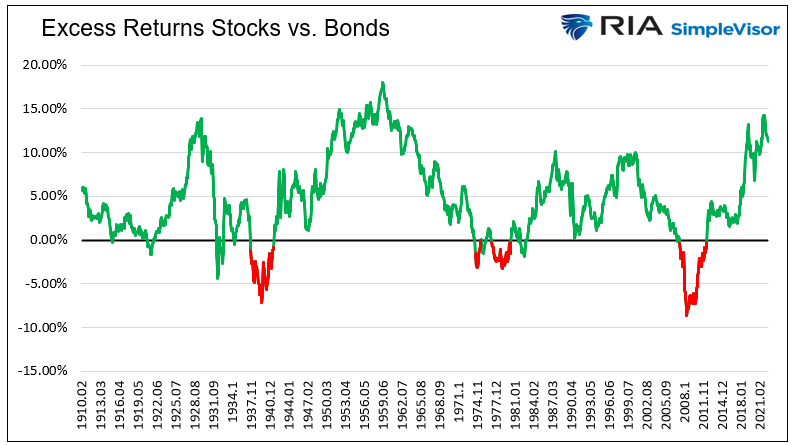
I look back to other periods when bonds outperformed stocks. This analysis allows us to assess specific stock traits and specific industries that over- and underperformed in those eras.
We received a creative bit of poetry from one of our Canadian readers that provides a Shakespearean take on market events.
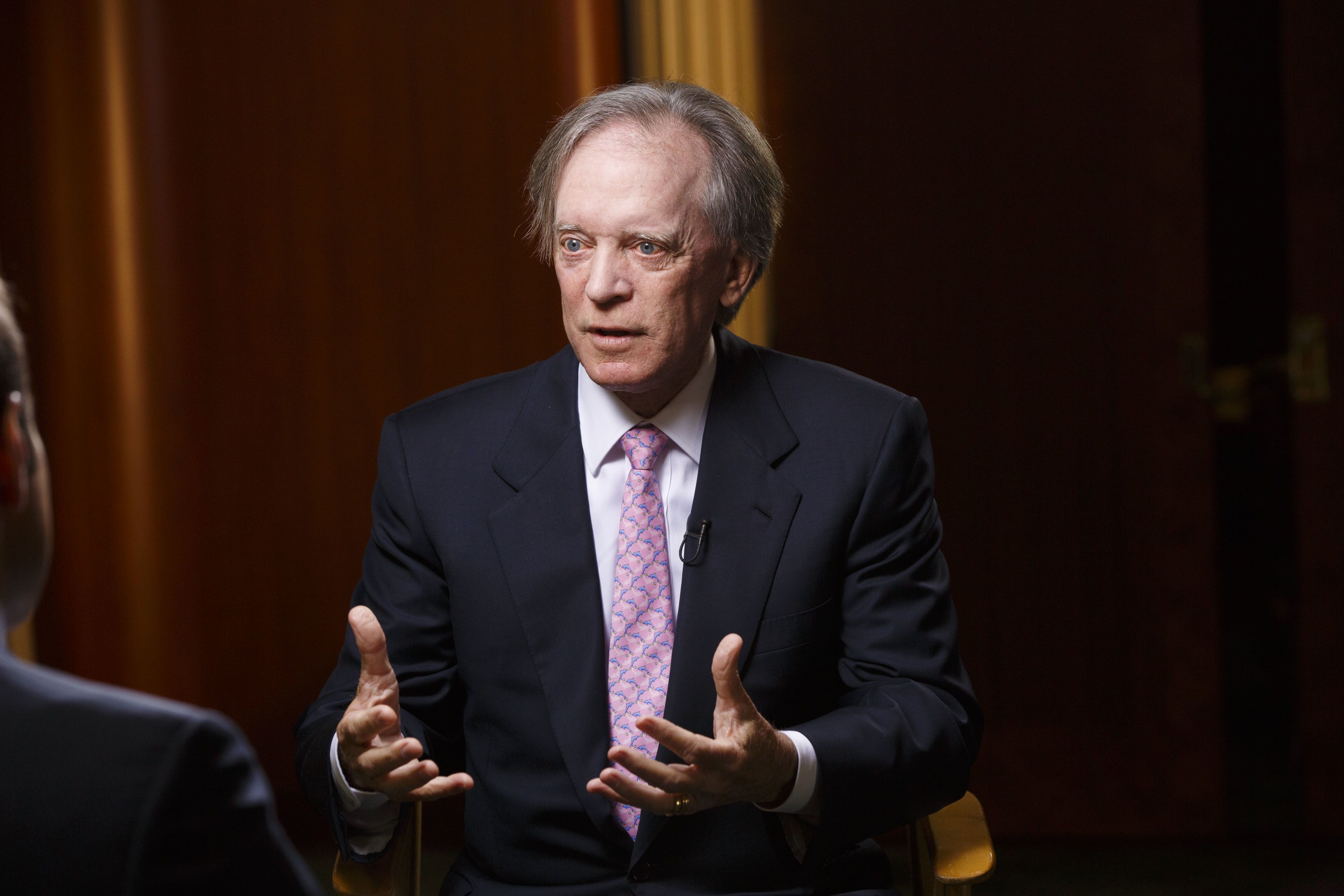
Bill Gross pioneered the “total return” strategy in the 1980s that revolutionized the once-sleepy bond market.
Bob was in Nashville, TN last week as part of a gathering of the AP team.
Mortgage rates above 7% have put the housing market on ice as affordability challenges put off a lot of buyers. Newer, younger homeowners who locked in their mortgage at a low interest rate — and whose next move probably would be trading up — are content to stay where they are until mortgage rates fall.
Efforts to stockpile fuel mean Europe and Asia are approaching winter with healthy inventories as governments seek to counter shrinking supplies from Russia.
The IRS has given US cryptocurrency holders a bit more clarity about how to report digital assets on their 1040 income tax forms, a likely precursor to regulatory guidance.
Exchange-traded fund investors are preparing for the possibility that peak bond pain has passed.
The biggest increase to Social Security checks since 1981 was good news for retirees. But it also served as a stark reminder that the program is expensive, with cuts to the benefits looming unless it is retooled in coming years.
The US is planning to auction in December leases for offshore wind farms in California waters, the first off the Pacific Coast, which will require a new, more expensive turbine technology.
Reg BI is the most divisive issue in the fiduciary discussion and was a focus of the discussion during September’s event.
Here are a few ideas to find the perfect gift to show you care.
Your inability to recognize the biases you have prevents you from managing a more successful practice.