Many Americans believe that Gen Z is financially illiterate and uninformed. But the story is not that simple.
SECURE 2.0 contained a provision that gave favorable treatment to partial annuitization. The reason you haven’t heard about this is because those transactions cannot increase commissionable income.
Why exactly is Federal Trade Commission Chair Lina Khan antagonizing Amazon.com Inc., of all companies?
Helping an investor cash out of a gummed-up buyout fund used to be a niche business. Now it’s mainstream. So-called secondary funds, which offer to buy unwanted private equity holdings, have become widely accepted.
In the medical profession, prescribing a treatment without first thoroughly diagnosing the patient’s illness opens the risk of malpractice.
Real estate investors need to allocate considerably more resources to climate-proofing old buildings rather than erecting new structures, to keep up with net zero regulations and avoid being saddled with stranded assets.
A pair of Wall Street’s most prominent US equity strategists are at odds about whether stocks can extend this year’s rally against the reality that interest rates will remain higher for longer.
Money-management firms launched new exchange-traded funds at a rapid pace last month, shaking off fears that the $7 trillion industry is already overrun with low-cost investment vehicles.
As with so many other financial matters, the varying opinions around student loan debt forgiveness are more about emotions than dollars.
The yield on the benchmark 10-year Treasury is up 70 basis points this year, leading many to question the future direction of interest rates. Let’s look at the underlying causes of this and whether those conditions are likely to persist.
We can and are building much taller skyscrapers. But they are impractical money losers because so much floor space is taken up by elevators. A new book explains the interplay between size and scale, and what it means for our economy and investments.
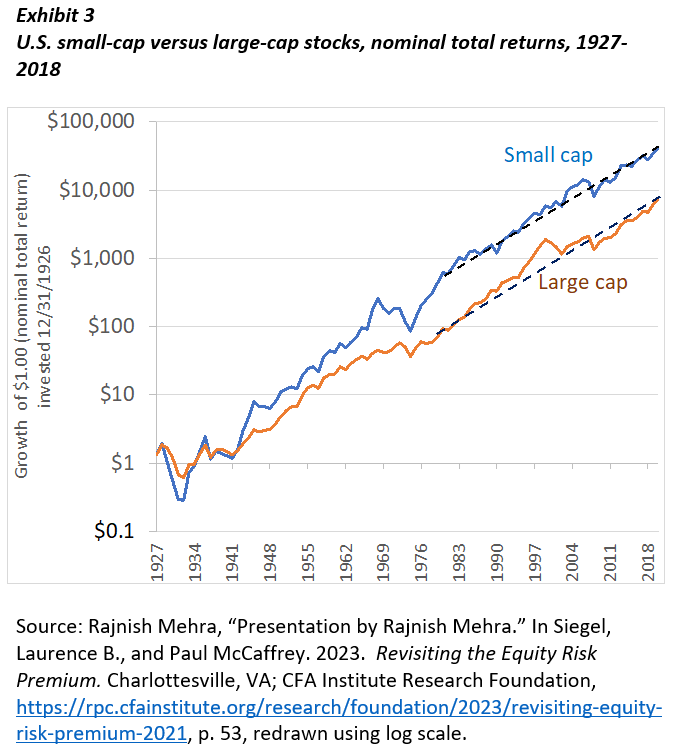
Common aphorisms and assumed truths about stock returns often imply the disappearance of risk over long horizons. Is that accurate?
Offices in many of the world’s major cities are struggling to find workers to occupy them. The trend of remote working, triggered by the pandemic, is costing Manhattan “$12 billion a year,” “devastating America’s cities” and “killing London.”
Hedge funds are in regulators’ sights again. Their risk-taking with borrowed money must be better monitored and will sometimes have to be limited, the head of a global group of supervisors told the Financial Times last week.
Investors have shown few signs of panic during a stock market slump that’s pushed the S&P 500 Index into its first losing quarter in a year. But beneath the surface, signs of stress are emerging that go far beyond the just averted US government shutdown.
Office prices in the US are due for a crash, and the commercial real estate market faces at least another nine months of declines, according to Bloomberg’s latest Markets Live Pulse survey.
The third quarter was a story of dashed hopes in emerging markets, with the unraveling of some of the most profitable trades in the asset class.
Delegating tasks is daunting. Here are the five most common mistakes advisors make when they hire new assistants and how to avoid them.
As September comes to a close, Bitcoin is poised to end the quarter on a down note in its first quarterly decline this year.
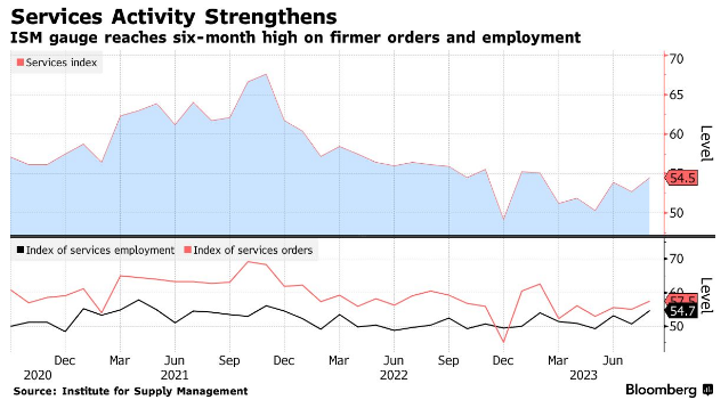
Wall Street economists are growing more upbeat about US economic growth while acknowledging that it may require interest rates to stay higher for longer, in line with recent projections by the Federal Reserve.
It was the week that bond markets finally seemed to grasp what central bankers have been warning all year: higher interest rates are here to stay.
The level of concern among retail executives over the resumption of student loan payments run the gamut from brushing it off as a non-event to bracing for a big pullback in spending.
The Oakland Hills Public Use Microdata Area, or PUMA (a Census Bureau designation that I’ll explain in a moment), in Oakland, California, contains some of the most appealing urban neighborhoods in the US.
Avocado toast, hard seltzers, and Instagrammable vacations are not the reasons millennials and our Gen Z compatriots have failed to scrimp, save and budget our way into home ownership.
The Fed-induced selloff in technology stocks has traders dusting off their turmoil playbooks. Trouble is, one of the most popular strategies isn’t working: hiding out in Apple Inc.
Lawmakers in the US House omitted further aid to Ukraine from a proposal that would keep the government open, signaling that support for funding its fight against the Russian invasion is getting harder.
Amid the debate over student loans — President Joe Biden’s administration tried and failed to forgive some of the debt, which starts accruing interest this month after a three-year pause — a crucial question has often been overlooked: Who benefits the most from student loans? It’s not necessarily the students.
The Federal Reserve’s hawks have been back on the speaking circuit,and markets are abuzz that rates may have to move higher than previously expected. Someone apparently just took out a big short position premised on the chances that rates markets underestimate the odds of an increase in November.
Since 2012, Puerto Rico has offered investors — primarily mainland Americans — one of the most attractive deals in the world: move to the commonwealth and pay no taxes on interest, dividends or capital gains, all while living on a balmy and culturally vibrant Caribbean island without having to surrender US citizenship.
For all the importance of China’s subpar recovery, the country's woes are notably absent from the plethora of projections and commentary that flow from the Federal Reserve these days. Judging from recent remarks, there's either no problem or nothing sufficiently grave to prod Chair Jay Powell to hint at switching gears. Give it time.
In what has been a hugely disruptive year for social media, Zuckerberg seems to be coming out on top — and enjoying it.
Share debuts among technology companies haven’t inspired confidence this year, with two of the largest offerings sliding below their listing prices within the first week. The next big deal may reignite interest in IPOs because of a unique set of traits.
The Federal Reserve’s preferred measure of underlying inflation rose at the slowest monthly pace since late 2020, helping to lay the groundwork for policymakers to forgo an interest-rate hike at their next meeting.
The JPMorgan Asset Management money manager at the helm of the largest active exchange-traded fund in the $7.2 trillion industry is coming to market with another equity strategy geared toward investors bracing for a period of uncertainty.
Russia plans to reduce diesel exports from its key western ports to almost nothing next month after the government banned overseas sales to tame surging prices at home.
Few companies have felt the shock from soaring interest rates as much as those owned by private equity. But thanks to surprisingly resilient earnings and their deep-pocketed owners’ talent for financial engineering most are avoiding disaster.
Home prices are once again on the rise following a brief decline.
If a teacher, electrician or autoworker buys a stock or a share in a mutual fund, the Securities and Exchange Commission aims to ensure they’re investing on a level playing field.
The US may be heading back into a “vibecession” — a condition in which consumer confidence and other economic “vibes” decline so much that they threaten to become self-fulfilling prophecies and drag the economy down with them.
The two-month selloff in US stocks threatens to intensify as options dealers on Wall Street and fast-money traders both turn against the market.
The imminent US government shutdown that threatens to delay the publication of key economic data will test policymakers’ and investors’ trust in a range of less-regarded third-party indicators.
The increasing prospects of a US federal government shutdown has some Bitcoin advocates predicting a rally similar to one that happened in response to the regional bank crisis earlier this year.
The fate of stock options with a face value of trillions of dollars is being influenced by unusual trading activity in the S&P 500 outside regular market hours, new research has found.
The MOVEit breach affected the clients of every wealth manager in America.
A financial crisis, following the 5.50% hike in Fed funds and similar increases in all bond yields, is virtually inevitable.
Too many industry “experts” make value out to be much more elusive and complicated than it is.
Successful marketing is not exclusive to extroverted advisors. When introverts leverage their unique strengths, they will find a different path to achieving success.
It doesn’t seem that difficult. Why don’t more of us follow this advice?
We have been given the mandate to show our capabilities by growing our books of business to “earn the right” to work with clients.
A key measure of how much bond investors are compensated for holding long-term debt turned positive for the first time since June 2021, reflecting steep increases in longer-maturity Treasury yields.