A splintering of global supply chains, driven by both political and business considerations, has hundreds of manufacturers and logistics providers debating where to go next. They’d be well advised to take their cues from two Taiwanese companies who’ve led the charge.
Lately the housing market has faced a different conundrum at every turn. This year’s puzzle is the disconnect between an aggressive rise in the number of existing homes for sale and still sluggish transactions.
A Tesla Inc. shareholder sued to challenge an upcoming proxy vote about whether the electric-car maker should move its corporate home to Texas and re-approve a $56 billion pay package for co-founder Elon Musk that was thrown out by a Delaware judge.
Apple Inc. isn’t typically the first to embrace new product categories — as it famously showed with its iPhone, smartwatch and Vision Pro. All those areas were established before the company showed up, but Apple found a way to make its mark.
The US government moved closer to imposing new tariffs on solar cells and panels from Southeast Asia after an agency’s initial determination that American manufacturers are being harmed by cheap imports from the region.
The labor market data is full of conflicting signals, but the big picture is that the US economy is in pretty good shape. That’s worth celebrating, irrespective of what the “good news is bad news for interest rates” crowd tells you.
In its moment of most need, back in 2022, the liquified natural gas market saved Europe. Now, that same LNG market is the continent’s new vulnerability. The good news is that the weakness should be short-lived; the bad news is that it won’t go away before the next winter.
There’s a reason so few hedge fund firms seek a stock market listing: Investors don’t like them. The allure of an economic interest in these money machines is tempered by the risks. First, there’s key-person risk. Many such firms are dominated by a single executive.
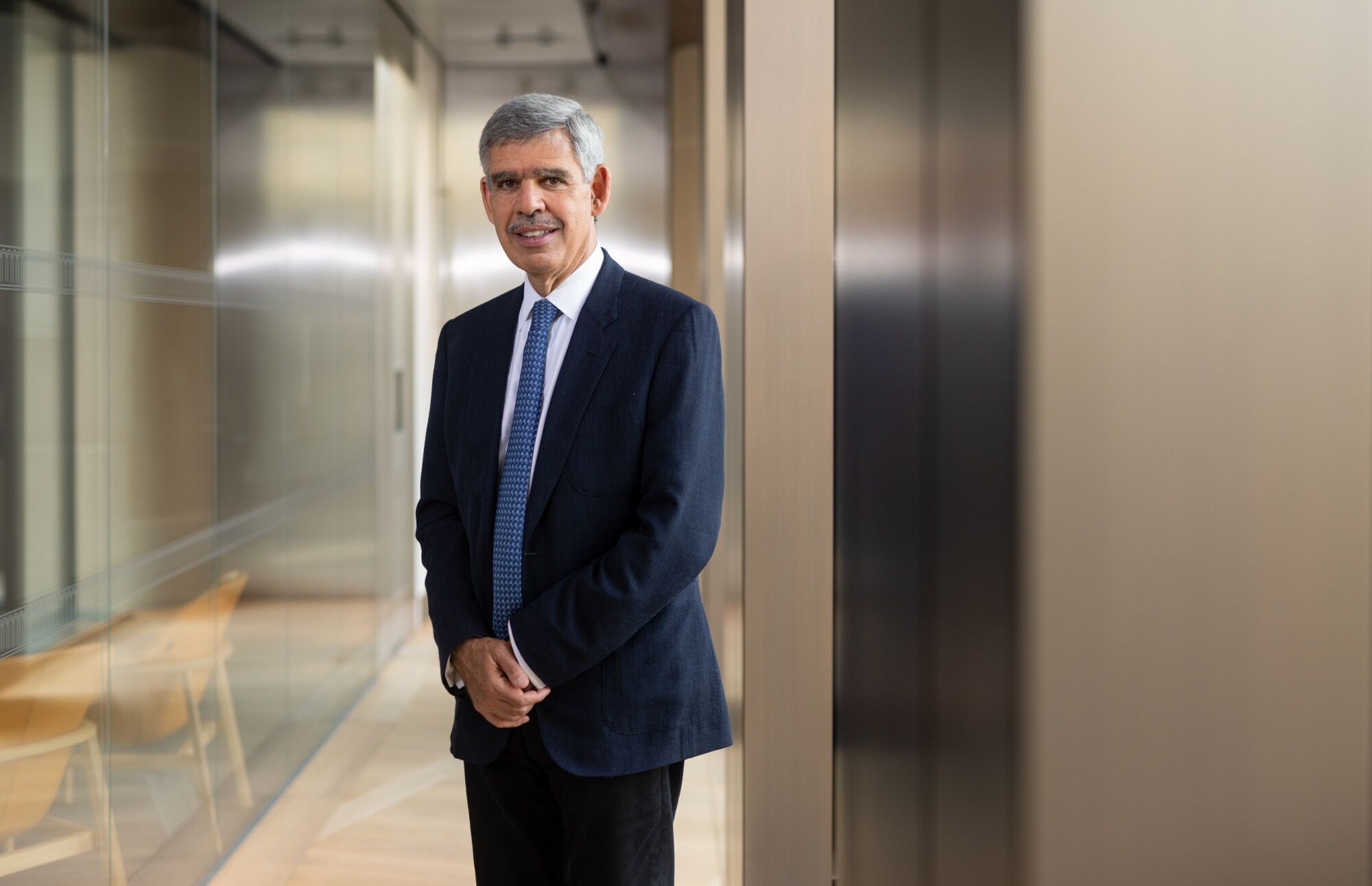
Stronger-than-expected US May jobs data closes the door on a July Federal Reserve rate cut, Mohamed El-Erian said.
US exchange-traded funds investing directly in Bitcoin attracted net inflows for an unprecedented 18th straight day, a spurt of demand that has helped to lift the largest digital asset toward a record high.
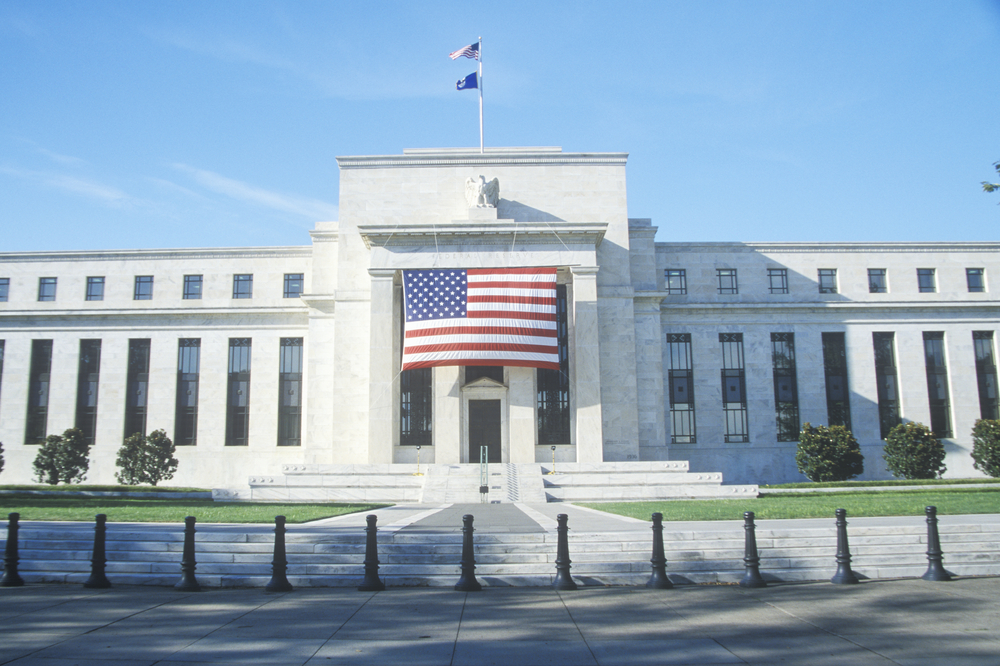
Treasury yields surged as surprise strength in the US labor market forced traders to pare back their wagers on Federal Reserve interest-rate cuts this year.
Debut US exchange-traded funds for the Ether cryptocurrency may generate much less demand than spot-Bitcoin products, according to analysts, muddying the outlook for the second-largest token.
Cathie Wood said Ark Investment Management is well positioned in artificial intelligence assets, even after her company trimmed back on Nvidia Corp. shares before the rally last year.
US labor costs increased in the first quarter by less than previously reported, reflecting downward revisions to economic output and hours worked and consistent with other signs of moderating activity.
The private equity industry must face up to the reality of lower valuations, according to Apollo Global Management Inc.’s Scott Kleinman.
It’s a tough gig portraying the world’s third-richest person as a victim, but Tesla Inc.’s board of directors are giving it a go.The question is whether the company’s institutional shareholders will be intimidated into buying that story at a pivotal vote on June 13.
Less than 15 months after the world’s most recent banking crisis, regulators in the US and Europe are already poised to roll back reforms aimed at reducing the risk of further financial disasters. It’s a serious mistake.
A peaceful retirement, including the knowledge that your business will survive long into the future without needing to be sold, can quickly evaporate if you’re still the central rain maker of your business.
Will AI accelerate the consolidation trend, or could it be the great equalizer that allows smaller firms to remain competitive?
The US is reclaiming its position as the undisputed top dog of cryptocurrency markets.
NXP Semiconductors NV is teaming up with a company partly owned by Taiwan Semiconductor Manufacturing Co. to build a $7.8 billion chip wafer plant in Singapore, marking a boost for the island nation’s tech ambitions.
When a 23-year-old Sam Altman took the stage at Apple Inc.’s annual developer conference in 2008, he gushed about being able to use the company’s new App Store to promote his software, a friend-locating service called Loopt.
Its business is massive, its profits are booming and everyone already knows Nvidia Corp. is the hottest stock on Wall Street.
BlackRock Inc., Citadel Securities and other investors are backing an upstart Texas stock market, laying down a challenge to the New York Stock Exchange and Nasdaq Inc. and signaling a potential boost for a state trying to grab more of the financial services industry.
Here are the key things advisors don’t always know about exchange funds.
In an ever-evolving healthcare landscape, Medicare’s complexities present both a challenge and an opportunity for financial advisors. As clients approach retirement or face health-related decisions, they often turn to their trusted advisors for guidance on navigating the Medicare maze.
Intel Corp. Chief Executive Officer Pat Gelsinger took the stage at the Computex show in Taiwan to talk about new products he expects will help turn back the tide of share losses to peers, including AI leader Nvidia Corp.
Fidelity Investments is flexing its muscles in efforts to extract payments from ETF firms in exchange for listing and maintaining their products on its massive platform, stoking industry ire.
Almost two-thirds of Americans considered middle class said they are facing economic hardship and don’t anticipate a change for the rest of their lives, according to a poll commissioned by the National True Cost of Living Coalition.
A global bond rally continued, sparked by signs the world’s biggest economy is cooling, ahead of the crucial next read on the state of the US labor market.
Celebrity fund manager and activist investor Bill Ackman just sold 10% of his investment management company in a deal that valued Pershing Square at $10.5 billion. An initial public offering could come as soon as next year, the Wall Street Journal has reported.
As private equity investment in health care has surged to almost $1 trillion over the past decade — funding new technologies, clinical trials and more — a lack of transparency has made it hard to assess whether the industry is also putting patients at risk.
As the political machinery of an election year roars to life, inundating every media platform with its cacophony, it becomes increasingly challenging to block out the pervasive noise. However, amid this clamor, there are compelling reasons why maintaining focus on your investment strategy is imperative.
If your prospects aren’t hiring you at the rate you believe you deserve, chances are you’re still unconsciously using the old selling behaviors and habits you were taught in your early years. It’s time to be open to a completely different approach...
Investors betting on further US equity gains over the coming months will be disappointed, according to strategists at JPMorgan Chase & Co. Their peers at Morgan Stanley disagree.
Nvidia Corp. and Advanced Micro Devices Inc.’s chiefs showcased new generations of the chips powering the global boom in AI development, deepening a rivalry that may decide the direction of artificial intelligence design and adoption.
GameStop Corp. shares surged after the Reddit account that drove the meme-stock mania of 2021 posted what appeared to be a $116 million position in the video-game retailer.
After relentlessly pursuing $100-a-barrel oil, the OPEC+ cartel has all but thrown in the towel. Whether the U-turn is a tactical retreat, or a strategic shift, is still unclear. But for now its impact would be the same: Oil prices would be somewhat lower and global inflation would ease.
The people who experience the US economy continue to disagree with the people who measure it, and the most likely reason is inflation: Most Americans still see it as a major problem, while most economists don’t. But this debate recently veered from economics to semantics.
In this article, I provide a basic framework for understanding and developing a lifelong plan for a person with disabilities. I’ll introduce matters as they relate to establishing a well thought out and comprehensive plan that ties together life, public benefit, and resource planning as well as financial and legal planning.
AI and EVs can potentially increase the nation’s productivity growth, which would go a long way toward boosting economic growth. However, with the potential benefits come significant investments. Some companies have already made massive investments in those industries. Others, like those involving the power grid, are just getting started.
Few investments pay off as well as time spent pursuing financial history – to paraphrase George Santayana only slightly: study the past in order to prevent it from picking your pockets.
Nvidia Corp.’s Jensen Huang will lead a gathering of tech business leaders in Taipei starting Sunday, an unusual opportunity for the industry’s most important executives to come together and figure out the future of computing and AI.
Goldman Sachs Group Inc. sees growing potential for the global market for weight-loss drugs by the end of the decade.
For more than two decades, America has pursued a policy as costly as the New Deal of the 1930s or the Great Society of the 1960s, but with a much narrower aim: cut taxes.
US government bonds rallied Friday, adding to their monthly gain, after benign inflation data kept alive predictions that the Federal Reserve will cut interest rates at least once this year.
Institutional investors have grown tired of paying fees to hedge funds for what they see as “skill-less returns.”
Inflation may not return to the US central bank’s 2% target until mid-2027, according to research from Federal Reserve Bank of Cleveland.
UBS Group AG completed the historic acquisition of its former rival Credit Suisse, marking a new chapter for the Swiss financial sector as the defunct bank has formally ceased to exist.
When people think about the Federal Reserve and interest rates in 2024, one common view is that economic growth and inflation remain too hot to justify rate cuts. Another is that the labor market and inflation continue to cool, and it will soon be time for rate cuts.