Wage growth peaked four years ago. Since 1985, it has led CPI by three to seventeen months in every single cycle. The May 4.2% inflation print is the noise. Watch the wages.
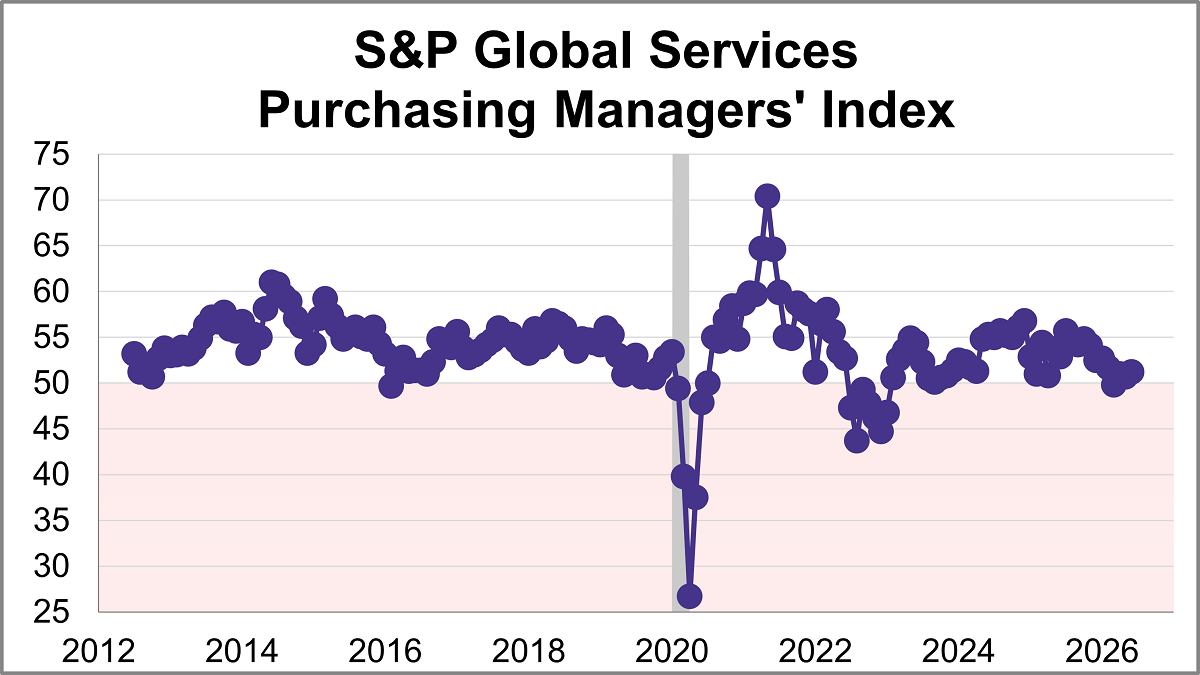
The June U.S. Services Purchasing Managers' Index (PMI) from S&P Global rose 0.5 points to 51.2, indicating a modest rise in service sector activity. The latest reading was just below the forecast of 51.3 and marked the strongest expansion in four months.
While the Federal Reserve left interest rates unchanged at the latest meeting, investors increasingly speculate that rate hikes are on the table in 2026.
The US industrial robot industry is characterized by low growth and highly customized projects. Artificial intelligence holds out the hope to change that, especially when it comes to robots that can move and work safely around humans.
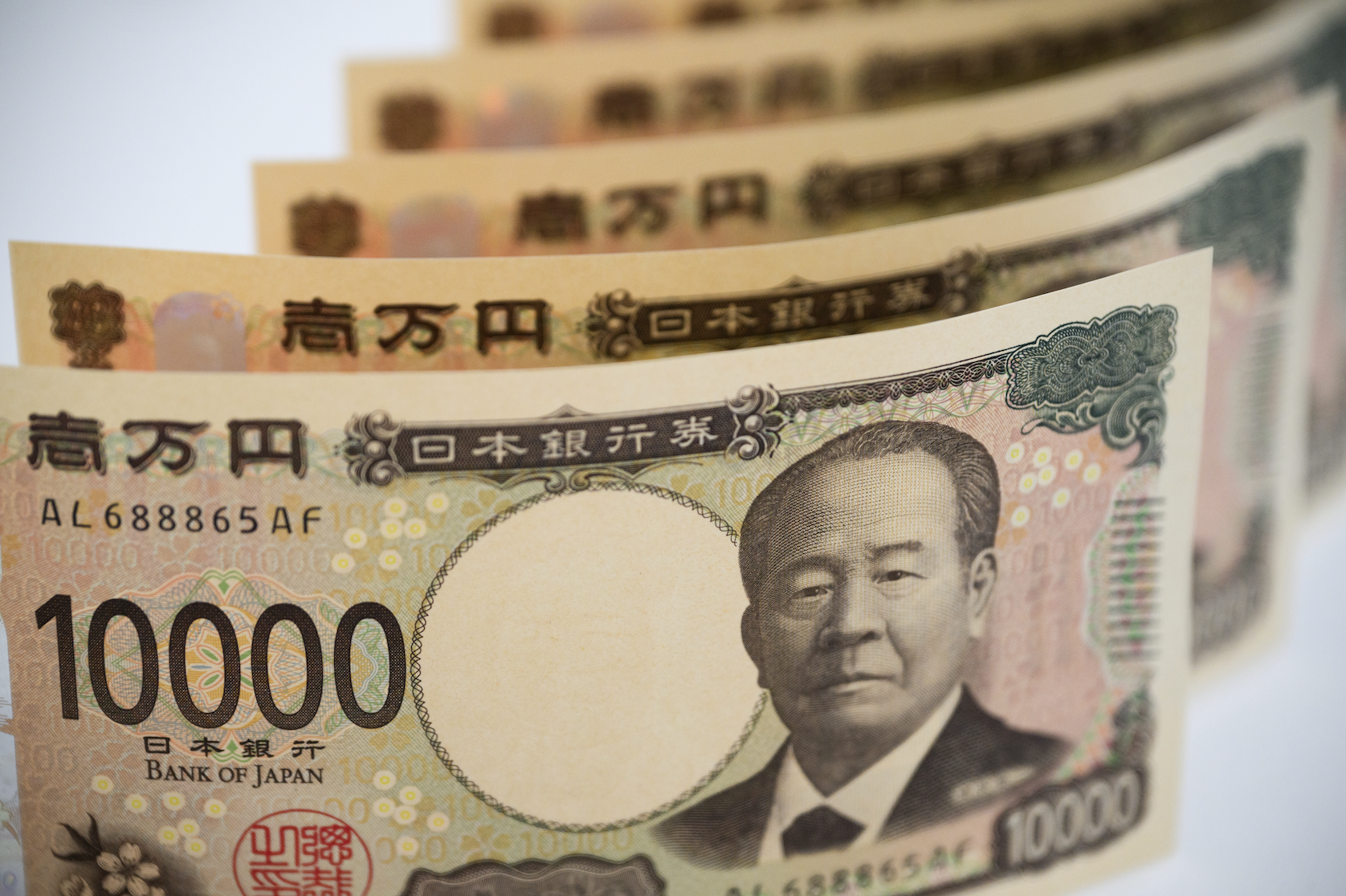
Goldman Sachs Group Inc. sees the yen weakening to 165 per dollar in a year’s time, driven in part by Japan’s interest rate differentials with the US.
Oil held onto its recent run of losses, with traders looking for clues on flows through the Strait of Hormuz as barrels continue to return to the market after months of disruption.
US stock futures climbed early Monday as investors gauged whether the artificial-intelligence trade can regain its footing after one of its sharpest pullbacks in more than two years.
The most interesting shift in market price action in June was the strong outperformance of value stocks compared to the broad market and tech
Six months is enough time for a lot to change. Your income, your expenses, your goals, and even the broader economy may look different than they did at the start of the year. And a plan that made sense in January might not fit the reality you're living in now.
The U.S. nuclear sector advanced on two fronts in recent days. Advanced microreactors completed a key federal target while the existing commercial fleet signed a landmark agreement with a major retailer. These moves show momentum at both the innovation edge and the operating base.
The war in Iran has delivered an oil shock into a bond market that had not fully shaken inflation pressures. Higher energy prices have revived concerns about the path of inflation just as central banks were edging toward rate cuts, forcing a reassessment of what investors require to hold long-term bonds. That reassessment is now playing out in higher long-term yields and steeper yield curves globally.
This July, the United States marks its 250th anniversary, and that has many Americans thinking about what independence really means. In many ways, genuine independence is about more than political rights. It’s financial.
The Federal Reserve left interest rates unchanged at its June 17 meeting, but investors were more focused on the future under new Fed Chair Kevin Warsh, whom Trump appointed in May.
Federal estate taxes may not affect most households, but state death taxes can still be significant. Learn key planning considerations and strategies to help preserve wealth.
The strong run by the Nasdaq-100 and the S&P 500 the last few years has loaded portfolios with heavy concentration risk. As a tiny group of mega cap tech giants shapes the market, finding meaningful diversification has become a priority for advisors. Data from last week’s VettaFi Mid-Year Market Outlook Symposium confirms that wealth managers are actively looking down the market-cap spectrum to rebalance risk.
The dollar holds a central place in global markets due to its role as the world’s reserve currency. Its movements influence cross-asset correlations, shape liquidity conditions, and often offer early indications of shifts in the broader macro regime. In short, it is a critical variable that warrants close attention.
At VettaFi, we’ve been talking a lot about bottlenecks as a concept. Some of the brightest equity market opportunities for capital growth are tied to bottlenecks in a supply chain-context.
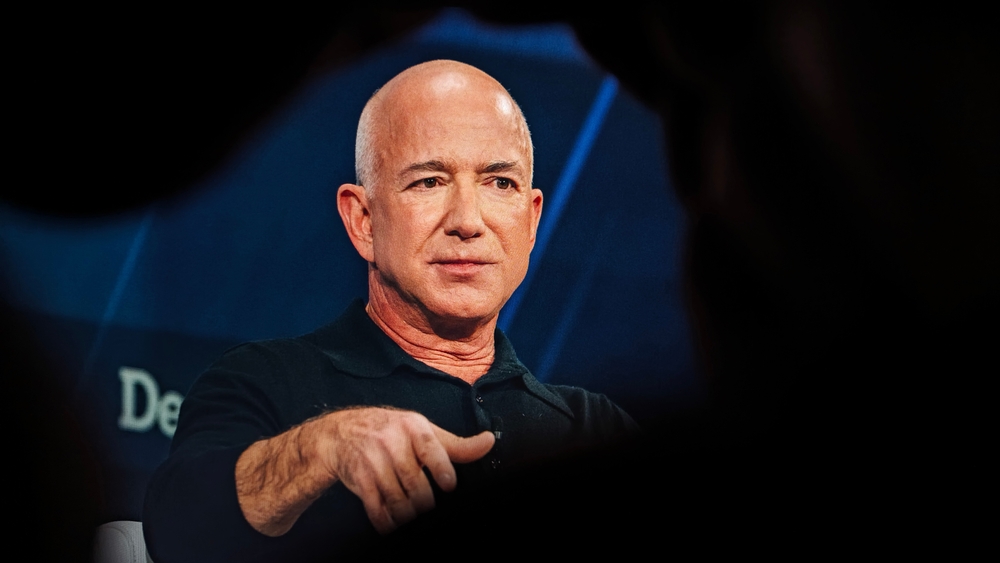
Slate Auto, the electric vehicle start-up backed by Jeff Bezos, is a grand experiment in whether austerity sells — and a warning for the US auto sector.
U.S.-listed ETFs locked in a record-breaking first half of the year. Read the analysis on active ETFs, fixed income shifts, and equity flows.
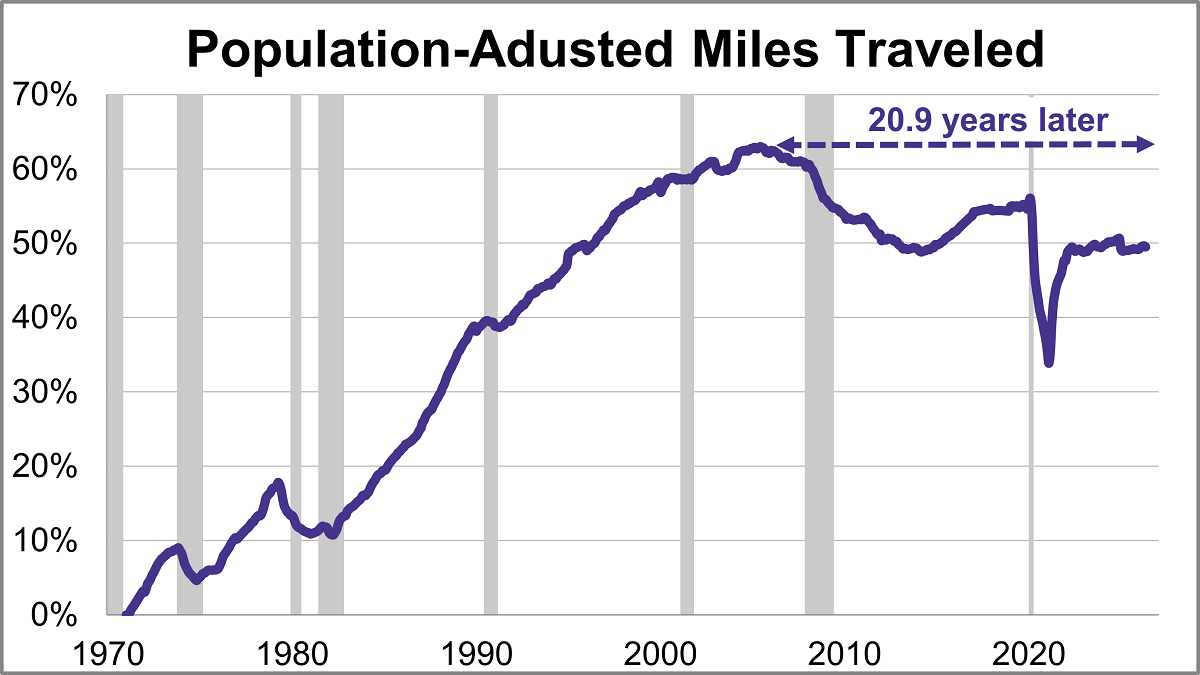
Travel on all roads and streets decreased in May. The 12-month moving average was down 0.06% month-over-month but was up 0.93% year-over-year. However, if we factor in population growth, the 12-month MA of the civilian population-adjusted data (age 16-and-over) was down 0.10% month-over-month and up 0.32% year-over-year.
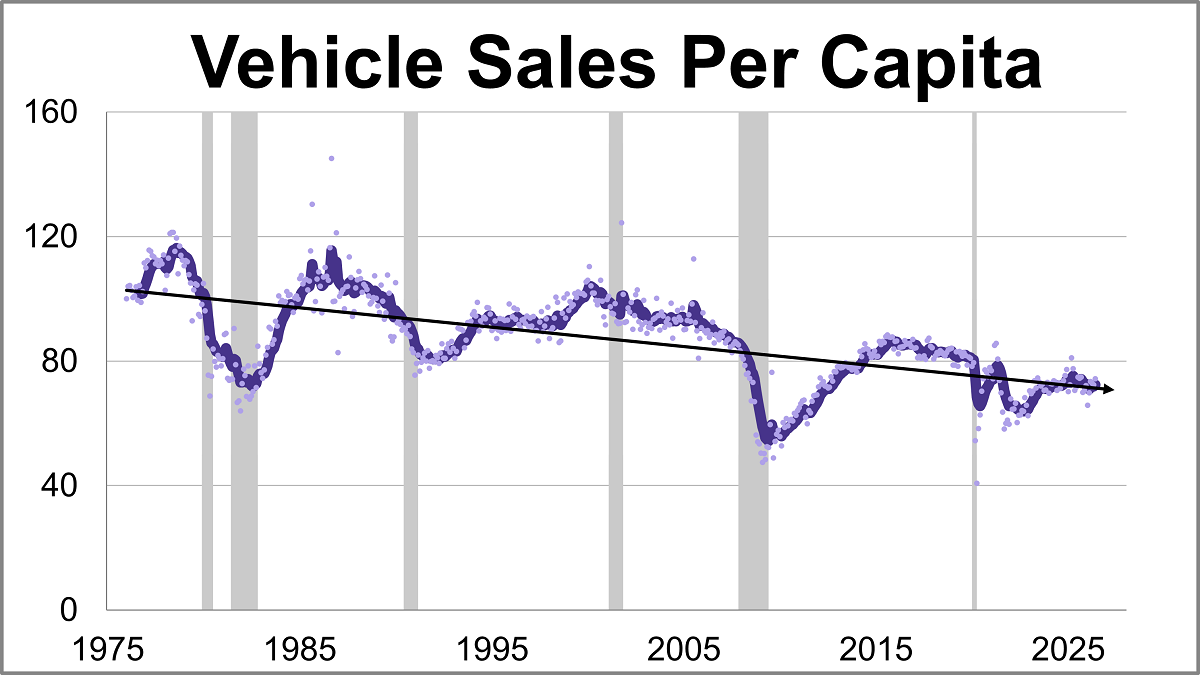
Vehicle sales rose to their highest level in nine months in June, coming in at a seasonally adjusted annual rate of 16.523 million units. This represents a 2.8% increase from the previous month and a 4.4% rise from one year ago.
The second quarter wraps up today, and it was a good one. With the S&P 500 having returned more than 14% (including dividends) with just one trading day left, it will almost certainly end up being the best quarter for the index since the second quarter of 2020. Technology was the leader despite the June weakness.
The Mag 7 has been the single largest driver of the stock market’s performance three straight years, accounting for over 20% of the S&P 500’s performance. However, there is a performance divergence happening in 2026 as the S&P 500 continues to go up, while the Mag7 go down.
The artificial intelligence boom has a power problem, and Wall Street is betting billions on companies that promise to solve it — even if some of the technology hasn’t been fully developed yet.
At first glance, allocating to emerging markets appears to add diversification to a portfolio. Look more closely, and the reality is more nuanced. In the late 1990s, the MSCI EM index was dominated by materials and telecoms, driven by the growth of mobile telephony and the internet bubble.
Global stocks surged during the second quarter as oversold conditions in March and de-escalation in the Middle East created ripe conditions for a rally. In the United States, the large-cap S&P 500 index climbed by 13%, while the small-cap Russell 2000 index increased by nearly 25% (yCharts).
There’s no doubt the most important aspect to the June FOMC meeting was the fact that policymakers kept the Fed funds rate unchanged and removed its prior easing bias. But, this was not just your normal, run-of-the-mill policy gathering. It was Kevin Warsh’s first meeting as Fed Chair and instead of being a ‘rubber stamp’ for rate cuts, as some market observers were opining, the new FOMC leader put his stamp on the Fed in a different way.
The business of overseeing individually tailored municipal-bond portfolios has continued to grow rapidly, turning those money managers into the biggest holders of state and local government debt, according to JPMorgan Chase & Co.
With the artificial intelligence race moving so rapidly, even a momentary lag can be costly. Alphabet Inc.’s Google is learning this the hard way: The search giant rapidly caught up with
Federal Reserve Chairman Kevin Warsh said price risks have come down in recent weeks, while repeating his determination to bring inflation back to the US central bank’s 2% target.
Markets may have ended the first quarter with a thud, but stocks put another record run in the books to close out the first half of 2026. The U.S. ETF market had already shattered records, crossing the $15 trillion threshold and cruising past $1 trillion in net inflows right before summer officially began.
It’s been a long time coming for the asset management world, but ETF share classes are now a reality. Fidelity Investments has joined that movement, with the launch of its first ETF share classes for some of its mutual funds.
As growth stumbled, the S&P 500 Momentum Index captures a 7.5% gain in June and a 44% gain in the second quarter.
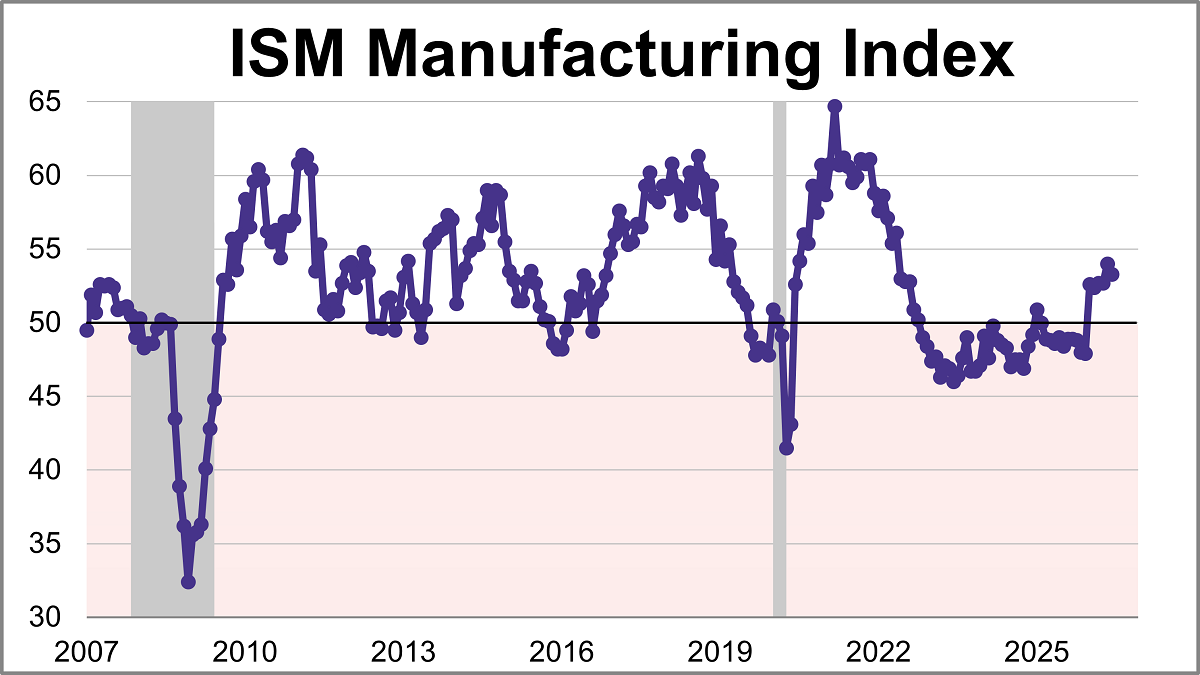
The Institute for Supply Management (ISM) manufacturing purchasing managers index (PMI) came in at 53.3 in June, down from 54.0 in May, marking slightly slower growth. The latest reading was just below the 53.8 forecast and is the index's sixth straight month in expansion territory.
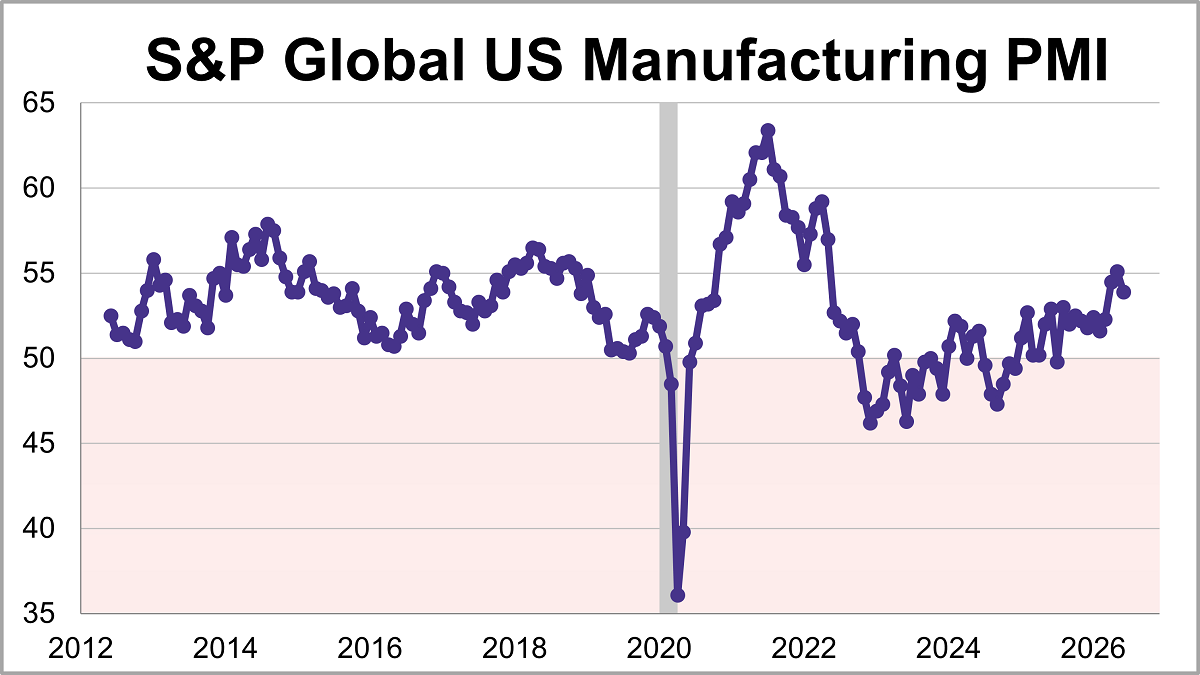
U.S. manufacturing expanded for an eleventh straight month in June but the growth eased to its lowest level in three months. The S&P Global PMI fell 1.2 points to 53.9 last month, falling short of the 55.7 forecast.
The firms that operate rigorous vendor evaluation will compound two advantages simultaneously: They buy the right tools now, and their advisors trust them when the next generation of AI arrives. In a decade that will be defined by the industry's capacity to do more with fewer people, that trust is a strategic asset.
July is a great time to buy stocks. In fact, it’s been the best month for the S&P 500 Index in the past two decades. Bulls are finding comfort in that history ahead of what stands to be an eventful stretch.
At the start of the regional war in February, Wall Street banks were grappling with the prospect of a protracted slowdown in the Middle East. Three months in, many firms are rushing to add bankers after local investors largely looked past the conflict and doubled down on dealmaking.
A strong quarter across major indexes. The second quarter is winding down and what a quarter it has been with the S&P 500 up 12.6% quarter to date, while the Nasdaq-100 and Russell 2000 are both up over 20%. Despite some twists and turns, the path of least resistance for stocks broadly remained up and to the right for much of the last three months.
Benchmarks are broken. That was the premise established in a conversation with Samarth Sanghavi, head of fixed income index product at TMX VettaFi, when the problem was first addressed in a previous article. TMX VettaFi creates innovative index solutions, and with the premise established that benchmarks are indeed broken, here is the fix.
The US Securities and Exchange Commission is signaling a potential rethink of how it oversees exchange-traded funds after a recent wave of filings for prediction-market ETFs prompted fresh scrutiny of the existing regulatory framework.
For decades, financial advisors have built strong relationships by helping clients manage IRAs, taxable accounts, and rollover assets after they leave an employer. Meanwhile, a significant, often the largest pool, of client wealth has quietly remained out of reach: assets inside workplace retirement plans.
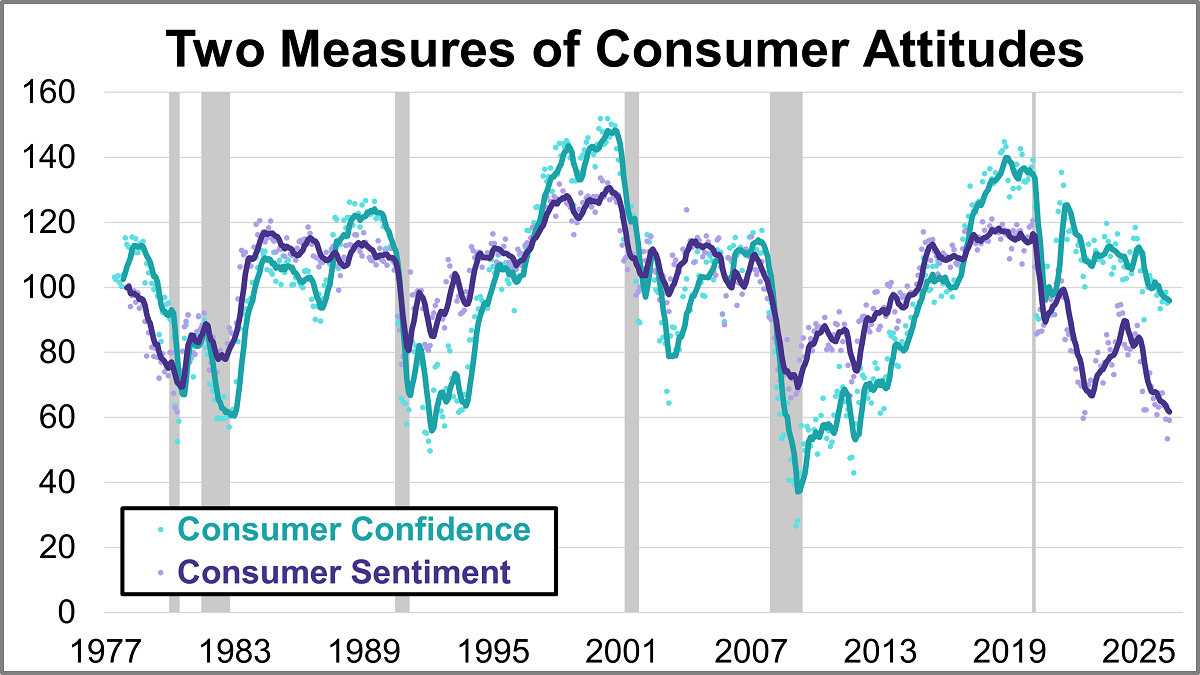
What are consumers thinking about the economy? Their collective mood offers crucial clues for businesses, investors, and policymakers alike. In June, the two leading benchmarks, the University of Michigan’s Consumer Sentiment Index (MCSI) and the Conference Board’s Consumer Confidence Index (CCI), offered similar views with both showing slight improvement despite ongoing inflation concerns.
The OBBBA created something the industry rarely gets: a defined planning window without a hard deadline attached. Exemptions are historically high, the law has no sunset, and there's a real body of existing work that needs revisiting. The advisors who treat this as an opportunity, rather than waiting for a client to ask, will drive much stronger outcomes compared to those who don’t.
These are dark days for free-market economists when one of the few areas of bipartisan consensus is for a terrible idea: Both Vice President JD Vance and Senator Bernie Sanders want the federal government to take an explicit stake in AI firms.
The ETF ecosystem is always changing and growing. Thanks to the ETF’s flexibility, transparency, and tradability, it can help investors achieve plenty of bespoke goals. That even includes investing with an eye towards philanthropic causes as with philanthropic ETFs ASD and DUTY.
Oil headed for the biggest quarterly decline since the pandemic as flows through the Strait of Hormuz accelerated following progress on a peace deal, with Morgan Stanley warning of a potential glut ahead.
Chip stocks are heading for their best quarter ever, extending an extraordinary start to the year driven by insatiable demand for artificial intelligence equipment. But after recent jitters sent the stocks tumbling, investors are wondering how much further the rally can go.
A sharp rise in the dollar may emerge as one of the biggest “pain trades” in the second half of the year, according to HSBC Holdings Plc.
Meme mania swept through Wall Street in 2021. Retail investors gathered on social media and coordinated trading strategies to short squeeze high-profile hedge funds.