My company has meetings about absolutely everything.
When it comes to the clients they serve, advisors need to think about the now and the new, not the next, and step up their offerings in key areas.
What can we, as advisors, do to promote healthy finances?
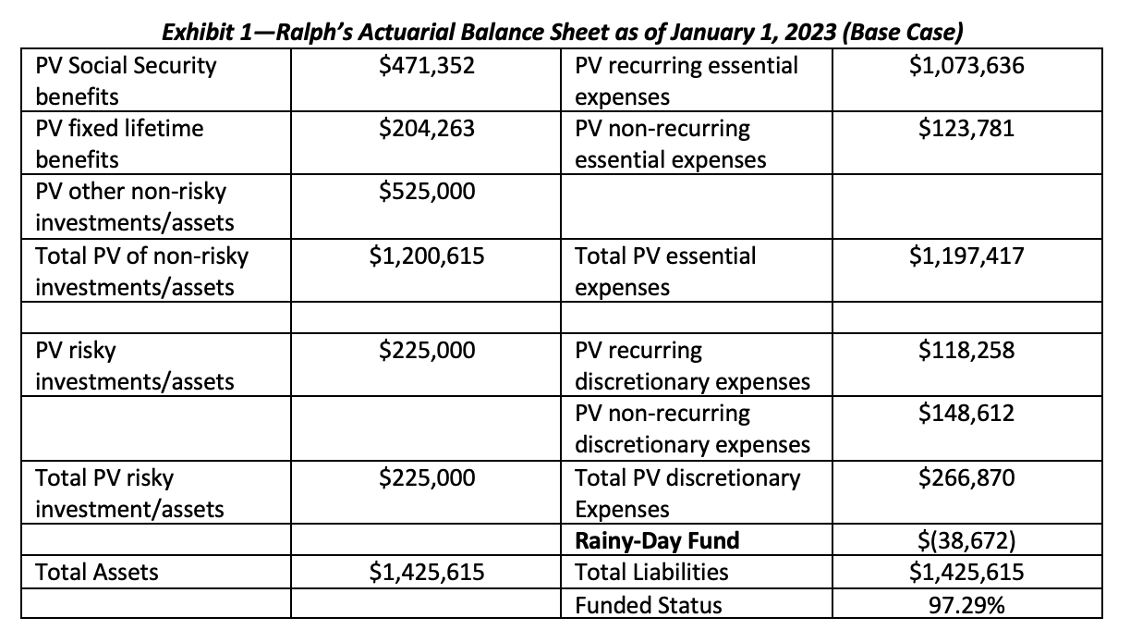
Every financial plan, regardless of the way in which it was created, requires ongoing monitoring. Here is one way advisors can measure the “funded status” of a plan to determine if adjustments are necessary.
US household debt soared by the biggest amount in two decades in the fourth quarter, with younger borrowers in particular struggling to make loan payments amid high inflation and interest rates.
Concerns about further interest-rate hikes, a fizzling stock rally and a US crypto crackdown all suggest Bitcoin and other tokens should be beating a hasty retreat. Instead, they’re extending their 2023 rebound.
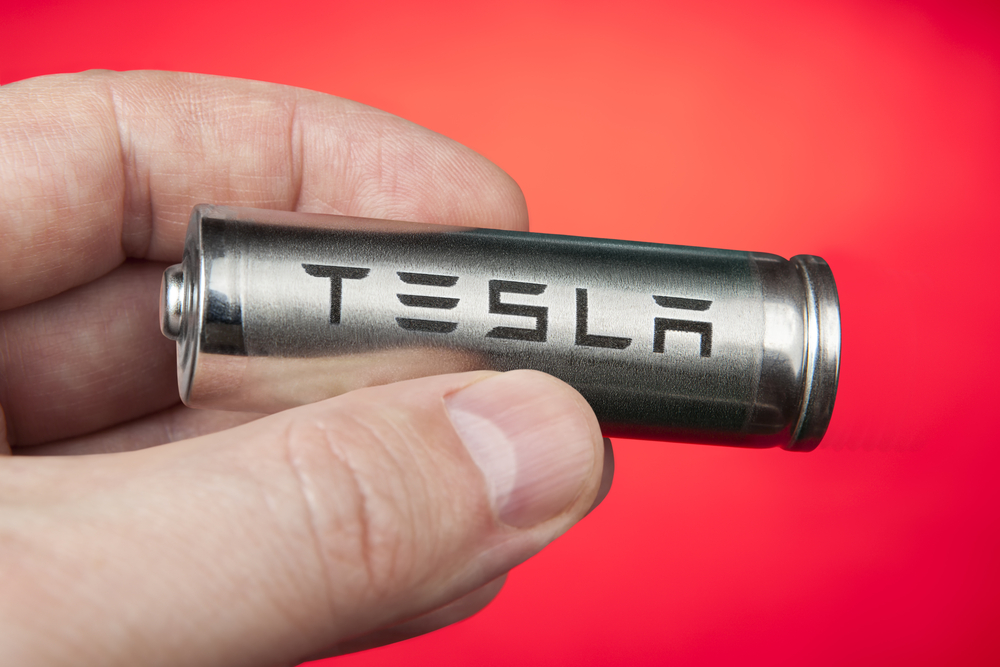
Lithium’s recent price collapse and the prospect that supply from new mines could accelerate the slump are stoking fierce debate in the electric-car battery industry.
Conviction is growing among strategists that this year’s powerful European equity rally is set to falter.
A swift reassessment of how high the Federal Reserve will raise interest rates this year has rocked the bond market in recent weeks.
The surge in technology stocks that’s caused renewed losses for short sellers this year looks to be running out of steam, encouraging bears to maintain their bets against long-time targets such as Tesla Inc., Apple Inc. and Meta Platforms Inc.
China’s internet firms are revving up efforts to outdo each other since Beijing began to wind back its bruising internet crackdown, spurring an abrupt surge in competition that’s threatening margins and spooking investors.
Is investing in the stock market akin to gambling?
With the consumer price index increasing during the last few years at a rate not seen for nearly 40 years, the investing challenge for the coming year is finding ways to generate real returns during exceptionally high inflation.
Although most of the SECURE 2.0 changes won’t take effect until 2024 or later, there are things that advisors should keep in mind, particularly for clients who fall into one of these three broad categories: retirees, savers, and small-business owners.
If your clients are seduced by television advertisements offering untold wealth accumulation through options trading, new research shows just how destructive that type of speculation has been.
Let’s explore whether the CFP Board, the most powerful and prominent organization supporting the advisory profession, can do more to support the adoption of a full fiduciary standard. We’ll also ask whether the CFP Board actually owns the trademark for “certified financial planner,” as it claims.
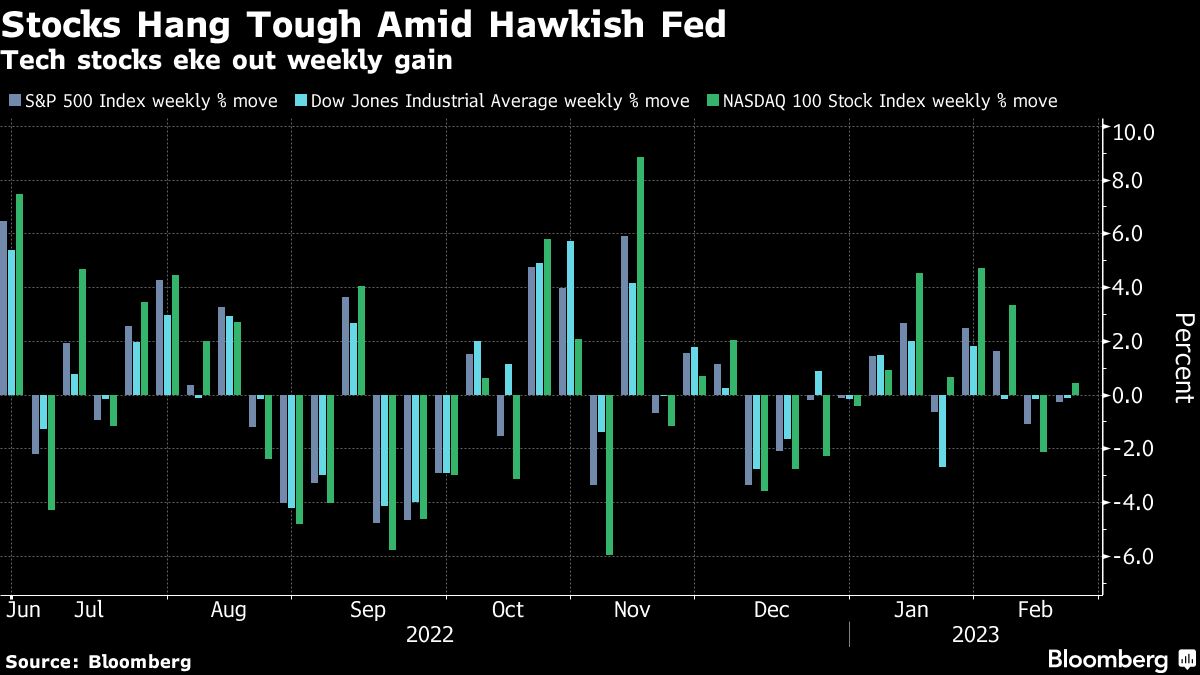
The bond market finally got the Federal Reserve’s message on rates, while stock investors continue to ignore it, for the most part.
From Home Depot Inc. to Walmart Inc., the biggest US retailers are about to grab the earnings spotlight, providing investors crucial insight into consumer demand, the trajectory of economic growth and Corporate America’s profitability.
For the first time in nearly two decades, investors can earn more than 5% on some of the safest debt securities in the world. That’s competitive with riskier assets like the S&P 500 Index.
US homes in areas prone to floods may be currently overvalued in the range of $121 billion to $237 billion, according to a report published Thursday in the journal Nature Climate Change.
Tesla Inc. has been weighing a takeover of battery-metals miner Sigma Lithium Corp., people with knowledge of the matter said, amid rampant demand for the metal used in electric vehicle batteries.
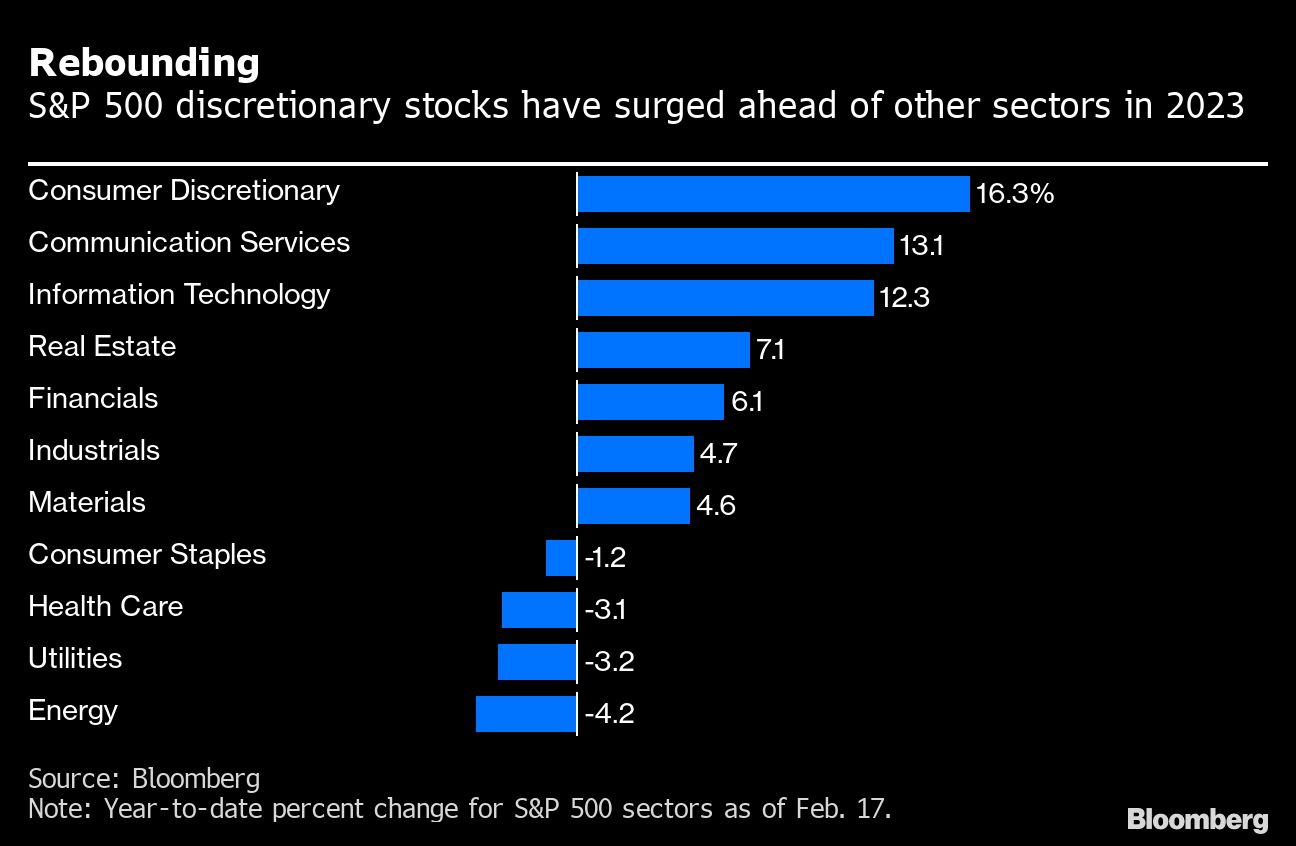
Professional speculators are turning risk-on by gobbling up technology shares, after largely missing out on the new-year rally in the stock-market’s biggest winners.
Last year marked a dramatic turn for US college endowments as hundreds of universities reported steep losses, reflecting the tumult in global markets.
Two Federal Reserve officials said that interest rates need to keep rising, with one arguing they should keep moving at a gradual pace.
Here are some places where the genuinely rich keep their money.
There are several ways to include philanthropic giving in your estate plan. Here are five common options.
Here’s a problem marketing experts can’t solve.
The Federal Reserve won’t be able to get US inflation down to its 2% target without “crushing the economy,” economist Mohamed El-Erian warned on Friday, but he said the central bank is unlikely to officially change that goal post.
The US Supreme Court is poised to hear a case that could spell danger for the internet’s most lucrative business: online advertising.
Another week of gains for the dollar is putting the US currency close to erasing its 2023 losses amid growing bets for more Federal Reserve rate hikes.
Former Treasury Secretary Lawrence Summers said that a broadening in US price pressures shows that the Federal Reserve’s monetary tightening to date is having a limited impact, raising the danger of policymakers having to do more than previously envisioned.
Surging bond yields have been rattling investors for a year. Why they’re a problem for people hooked on an asset as volatile as equities can be seen by juxtaposing stocks with some of the safest securities in the world.
US producer prices rebounded in January by more than expected, underscoring persistent inflationary pressures that could push the Federal Reserve to pursue further interest-rate increases in the months ahead.
Engine No. 1’s latest exchange-traded fund will focus on companies seeking to bring their operations closer to home after the pandemic upended global supply chains.
Last year, most US investors and central bankers underestimated how high inflation would climb. Now they may be underestimating how high interest rates will need to go to bring it back down.
The cost-cutting wave sweeping through the technology sector hasn’t gone far enough to improve the outlook for profits in the view of Wall Street amid slowing revenue growth.
The Biden administration wants to make sure America’s next 500,000 charging stations work a lot better than the 59,000 it already has.
Morgan Stanley has picked an interesting moment to press ahead with expanding its offering of ESG-themed funds.
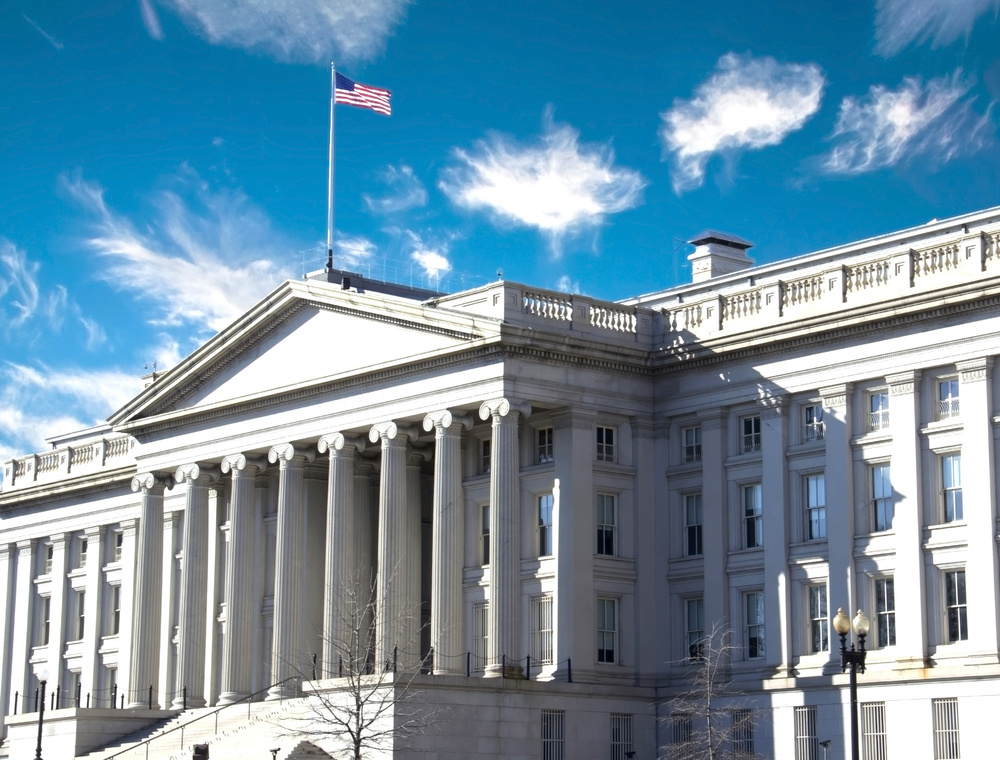
The nonpartisan Congressional Budget Office warned that the federal government would be at risk of a payment default as soon as July if lawmakers fail to raise the debt limit.
Quick: how did equity traders feel about inflation after Tuesday’s consumer price index hit? Depends on when you asked.
The booming US residential solar market is at a crossroads.
Crypto platforms could soon face a new set of hurdles to hold digital assets owned by clients of hedge funds and private equity firms in the US.
What is the best way to help laid-off employees find a new position?
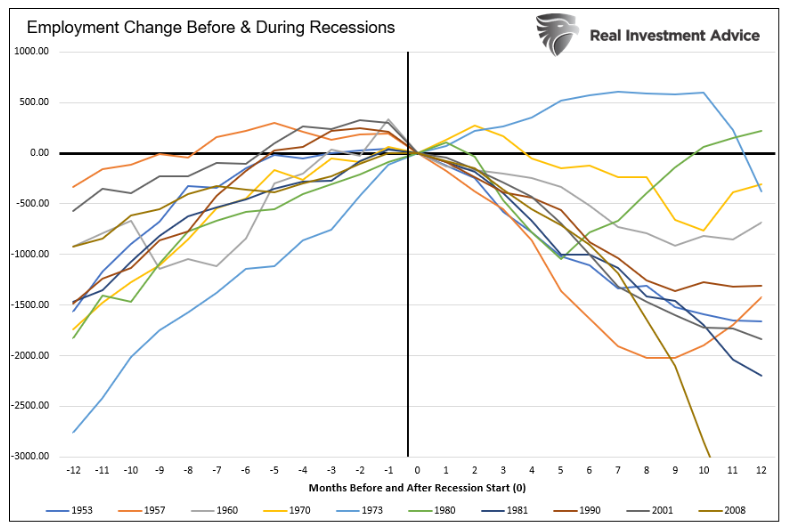
History tells us it's a matter of when and not if tighter monetary will send the economy into a recession.
What is social death, and how can you harness it in your marketing?
Financial advisors don’t have to “cure” prospects who procrastinate. Instead, ask the right questions and listen to what they say.
In failing to hold all those who provide financial advice to a comprehensive fiduciary standard, the SEC enacted Reg BI to enforce a “best interest” standard. Do your clients understand what that means and its implications?
Like all trusts, a charitable trust is a legal entity that you create for the purpose of holding and managing assets. The trust is wholly separate from you. It owns any assets it holds, pays taxes and requires management just like any other legally recognized entity.
National rent controls are much more a political “feel good” measure than they are a reasonable economic strategy. President Biden wants to make things worse.