Joel Schneider, Deputy Head of Portfolio Management at Dimensional, discusses the firm’s milestone as the first issuer to surpass $200 billion in actively managed ETF assets. He also delves into the hidden costs of traditional index funds and Dimensional’s pursuit of the multi-share class structure. VettaFi’s Cinthia Murphy breaks down the latest filings and launches in the buffer and synthetic income ETF space, spotlighting new offerings from ARK Invest, ProShares, Innovator, and others.
So many businesses are stuck in this endless cycle of chasing leads, hoping that persistence will eventually pay off. Here’s the truth: chasing leads is not only ineffective, it’s damaging your business.
If you’ve been following the mainstream financial media lately, you might think the airline industry is in crisis. From headlines about tariffs and labor costs to geopolitical tensions and delays at Newark Airport, it sounds like air travel should be tanking.
We upgrade equities to neutral from underweight as falling interest rates and improving economic conditions in emerging markets offset uncertainty over US tariff policies.
They have been called “the four most costly words in the annals of investing,” and surely that’s true: This time is different. Still — hear me out! — there are reasons to entertain the possibility that, well, this time really is different.
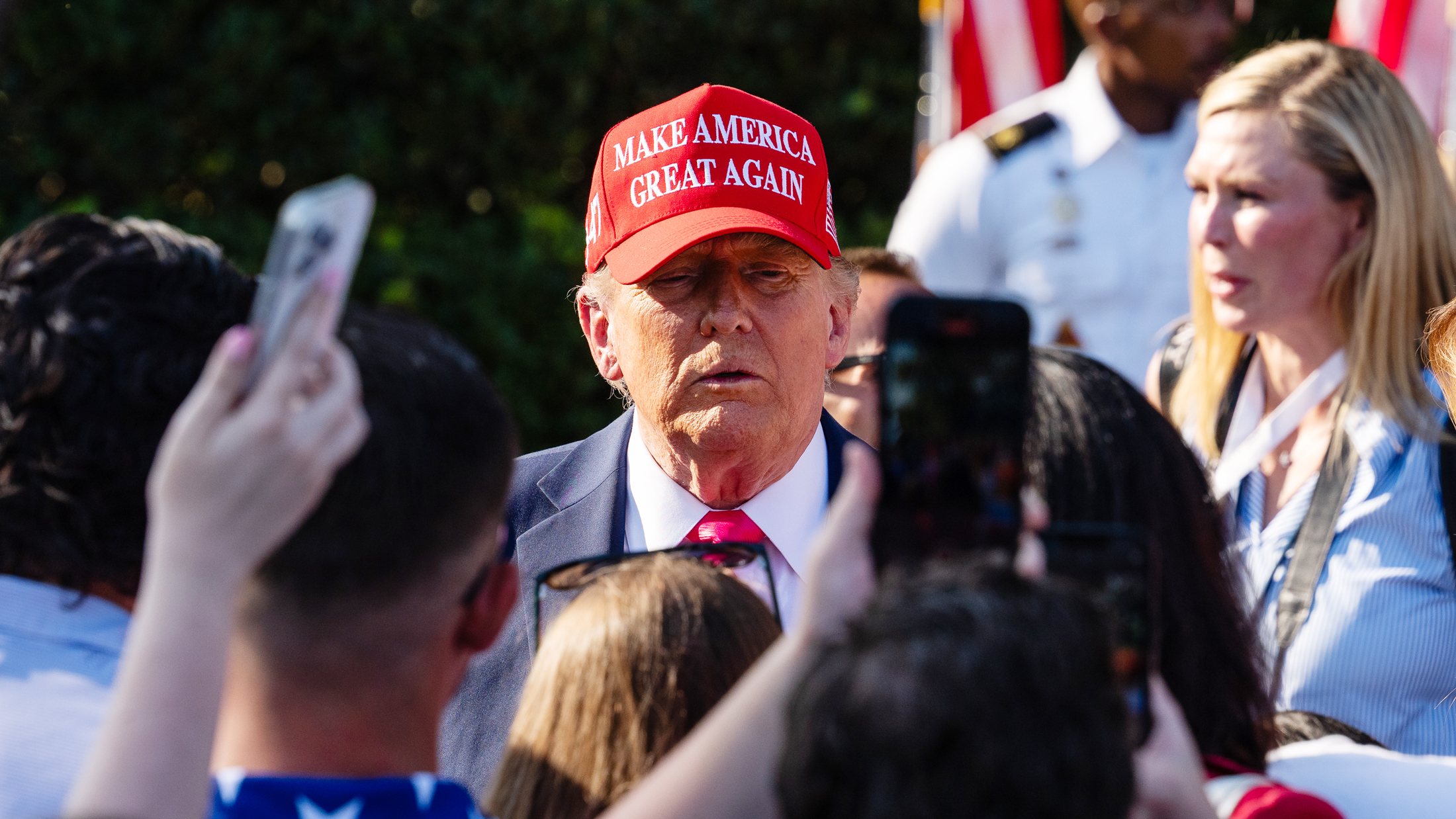
Asian countries including Japan and South Korea said they’ll keep pushing for a better deal for their exports to the US after President Donald Trump shifted his tariff deadline to Aug. 1 and tweaked the rates he’s set for many economies.
HSBC is turning cautious on three of the biggest US bank stocks following a record rally that’s brought the group within shouting distance of an all-time high.
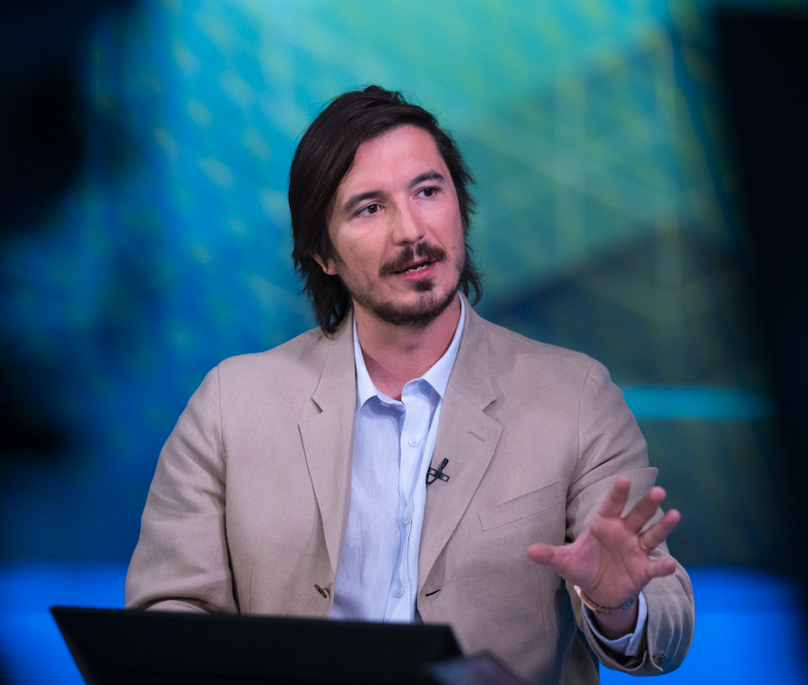
Robinhood Markets Inc. Chief Executive Officer Vlad Tenev said the firm is in talks with regulators over its offering of tokenized equities in Europe, after the launch drew rebuke from companies including OpenAI.
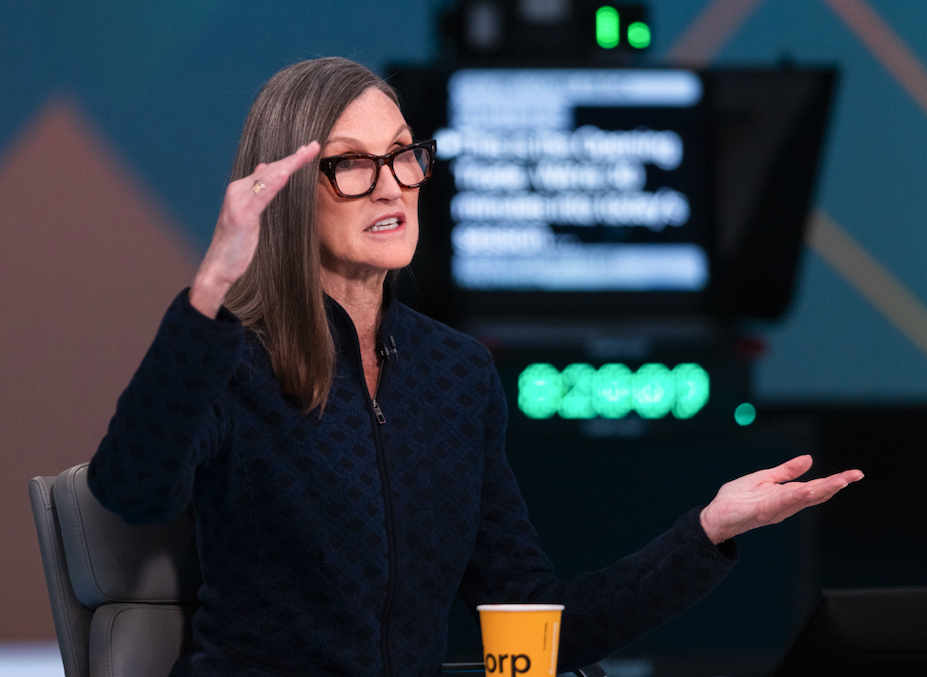
Cathie Wood, a longtime backer of Elon Musk, is standing by the Tesla Inc. chief executive after a turbulent start to the week that saw shares in the electric vehicle-maker plunge after the billionaire businessman announced he’s forming a new political party.
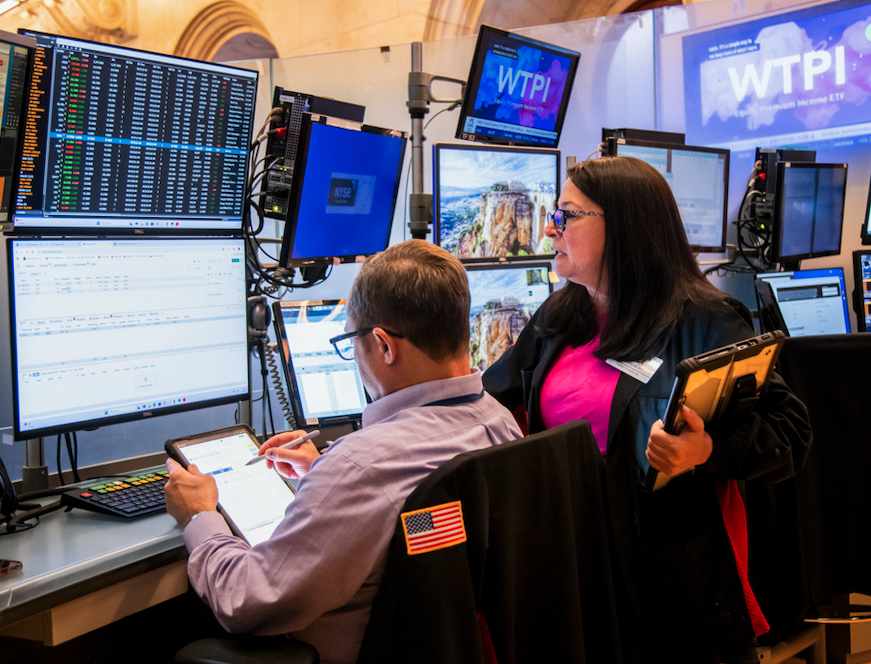
US equities were steady at the open on Tuesday as President Donald Trump’s latest tariff warnings left room for hope that he was still open to negotiations.
For those breaking into the financial industry, it’s an exciting time. The opportunity to achieve success and make an impact on an industry that could help people for years to come .
Private equity has officially conquered the registered investment advisor (RIA) landscape. It is now responsible for a significant portion of RIA-linked M&A activity.
It was a positive quarter for emerging markets equities.
The earnings bar is fairly low for the second quarter, setting companies up for a potential easy jump—but there will likely be more focus on forward guidance.
As the second half gets underway, we think a modest overweight to risk assets is called for.
This year, so far, the world has been riddled with geopolitical news, resonating in widespread unrest, yet seemingly yielding less impact on financial markets.
In the immediate aftermath of Friday’s much anticipated Employment Report it seemed like the judgement from analysts, talking heads, and even markets was unanimous (or nearly so) that there was good news to celebrate.
Below, we recount highlights from constituents of the ROBO Global Robotics and Automation Index (ROBO) and the ROBO Global Artificial Intelligence Index (THNQ).
Semiconductor equities and related ETFs notched impressive performances in the first half of the year. They were buoyed by ongoing enthusiasm for the AI trade and post-Liberation Day resurgence by the Magnificent Seven.
In this video, Chuck Carnevale, co-founder of FAST Graphs, reviews 13 stocks investors asked to see.
U.S. stocks are no longer the best-performing asset class this year. Gold and foreign stocks are the best performers.
On this episode of the “ETF of the Week” podcast, VettaFi’s Head of Research Todd Rosenbluth discussed the ALPS Sector Dividend Dogs ETF (SDOG) with Chuck Jaffe of Money Life. The pair discussed several topics related to the fund to give investors a deeper understanding of the ETF overall.
In part 2 of this series, this article looks past the data center operators and focuses on the natural gas pipelines and the manufacturers of natural gas power plant equipment.
As leaders of the China-led group of emerging-market economies known as the BRICS descend on Rio de Janeiro for their summit starting Sunday, expect the usual coterie of talking heads offering prepared remarks to the media with the city’s iconic Sugarloaf mountain serving as a picturesque backdrop.
Last week, the U.S. labor market took center stage, delivering conflicting signals. The S&P 500 reached many record highs during the shortened trading week.
In last week’s letter, I referenced Torsten Sløk’s excellent midyear outlook for Apollo Global Management. Today I’ll share some longer quotes which will, I hope, help you visualize where the economy is headed.
A pre-summer frenzy in junk loans is seeing the market start to overheat, prompting investors to get a bit more picky about deals after spreads reached the tightest levels in years.
Traders are swarming to equity-focused, exchange-traded funds listed in Taiwan, with demand from retail investors and a strong local currency driving up flows.
President Donald Trump plans to announce trade deals and deliver tariff warnings on Monday, as countries negotiated through the weekend to avoid the highest punitive measures on their exports to the US before a Wednesday deadline.
Goldman Sachs Group Inc. is leading a potential transaction for Gray Media Inc. to help the company refinance some of its existing debt, according to people with knowledge of the matter.
AstraZeneca Plc is discussing a partnership deal with Summit Therapeutics Inc. in which it could pay as much as $15 billion over time to license a lung-cancer drug, according to people familiar with the matter.
BlackRock Inc. is considering a sale of its stake in the leasing rights to Saudi Aramco’s natural-gas pipeline network back to the energy giant, according to people familiar with the matter.
Tariffs have been the dominant theme in economic policy this year. While President Trump has long held protectionist views, his administration’s approach to international commerce has been more belligerent than was seen in his first term.
The bull market is alive and well, even amid widespread talk of the “death of U.S. exceptionalism.
Investors looking for cash flow from commercial real estate may want to check out the debt side.
This quarter might best be described as the “Big Beautiful Bounce”. Or the BBB. History has proven time and time again that markets do come back – but this was a historically quick market turnaround.
After a tumultuous few months, June of 2025 saw a strong rally which took global markets to (or close to) new highs. The rally was broad-based, with international and U.S. markets all up strongly.
From investing to economics to politics, patterns emerge, lessons resurface and the past becomes a powerful guide for navigating today’s unpredictable landscape. Timing, perspective and adaptability can make all the difference in managing the complexities of modern markets.
As the global economy navigates a complex landscape, investors are left wondering: are they right to be optimistic or are they being complacent? This article from Franklin Templeton Institute explores the signs of resilience as well as numerous risks.
Though some urge rate cuts, doing that won't necessarily reduce borrowing costs if the market doesn't agree with the timing. It could raise inflation fears, hurting Treasuries.
Do you feel like you spend more and more money every month but get less and less for it? That’s because you are.
Sharp U.S. policy shift and elevated uncertainty reflect an evolution of the new macro regime. What matters: getting a grip on uncertainty by identifying its core features.
The Senate has approved its own version of the "One Big Beautiful Bill" tax-and-spending plan. Here's how it differs from the version the House passed in May, and what's next.
Value investing has long been out of favor in US stocks and last quarter was no different, as an index of beaten-down shares badly trailed the broader market’s furious rally.
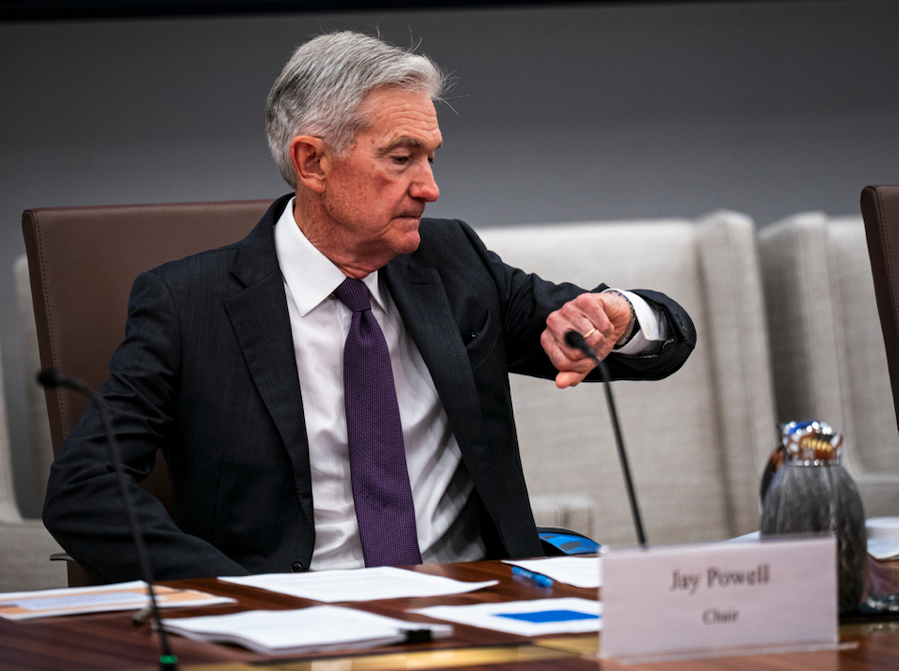
As President Donald Trump and his advisers begin weighing replacements for Federal Reserve Chair Jerome Powell, they’re running into one significant complication: It’s not clear that Powell will leave the US central bank next year.
Wells Fargo & Co. is ramping up buying top-rated collateralized loan obligations, after largely staying away from the $1.3 trillion market following interest rate hikes in 2022, according to people with knowledge of the matter.
Some say private credit hasn’t been tested. We disagree…and stress can sharpen the senses.
In this video, Chuck Carnevale, co-founder of FAST Graphs, aka Mr. Valuation discusses 10 subscriber-requested stocks that you asked to see, highlighting how FAST Graphs simplifies stock analysis. He reviews companies like AES Corporation, Amgen, Alibaba, and Chipotle, showing how FAST Graphs quickly reveals key data, such as earnings growth, dividend history, and valuation.
The first half of 2025 may not have been kind to private equity, but new data suggests that things could turn around soon.
Vietnam’s trade deal with the US is a wake-up call for Asian governments grappling with the reality that higher tariffs are here to stay.